Swiss Rail Freight Restructuring Impacts Nearly 200 Employees

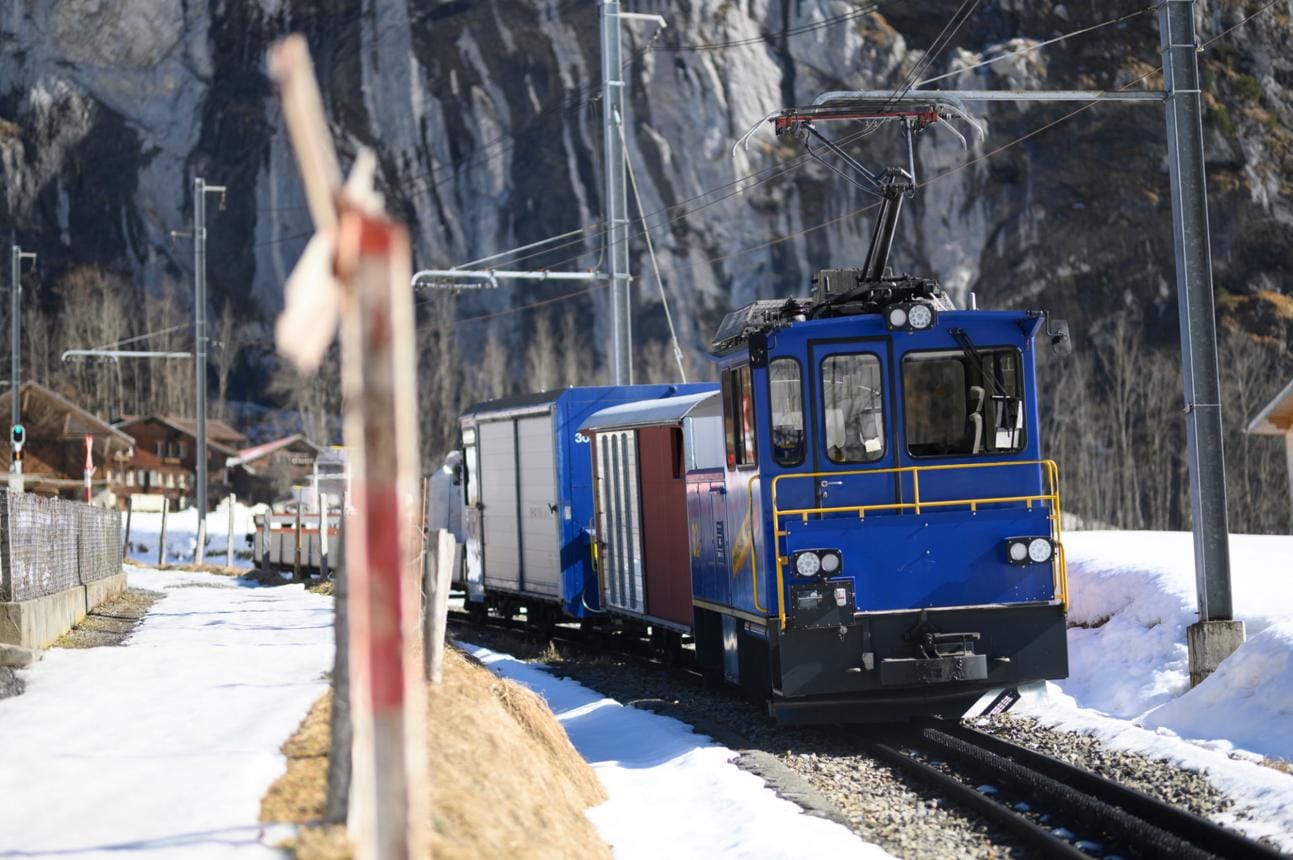
Swiss Federal Railways is reorganizing its freight operations, leading to major internal changes that will affect nearly 200 employees across Switzerland.

The restructuring focuses on strengthening wagonload freight services (TWCI), where wagons from different customers are combined into single freight trains to improve efficiency and reduce operational costs.

The Swiss government has assigned SBB’s cargo division a public service mandate, requiring it to improve performance and ensure long-term sustainability in freight transport.

Under the new plan, the company aims to make freight operations profitable by 2033. SBB stated that the revised system will become significantly more efficient starting in December, as part of a broader modernization strategy.

As part of the restructuring, employees will either be relocated, retrained, or integrated into subsidiary companies or partner networks. The company emphasized that redundancies will remain rare and will be considered only as a last resort.

Around 30 employees in French-speaking regions of Switzerland are directly affected, with support measures offered to help them transition into new roles within or outside the organization.

The freight overhaul reflects Switzerland’s efforts to strengthen its logistics infrastructure while adapting to changing transport demands and financial pressures in the rail sector.

Expert Report Says Ignored Warning Signals Worsened Gotthard Train Derailment

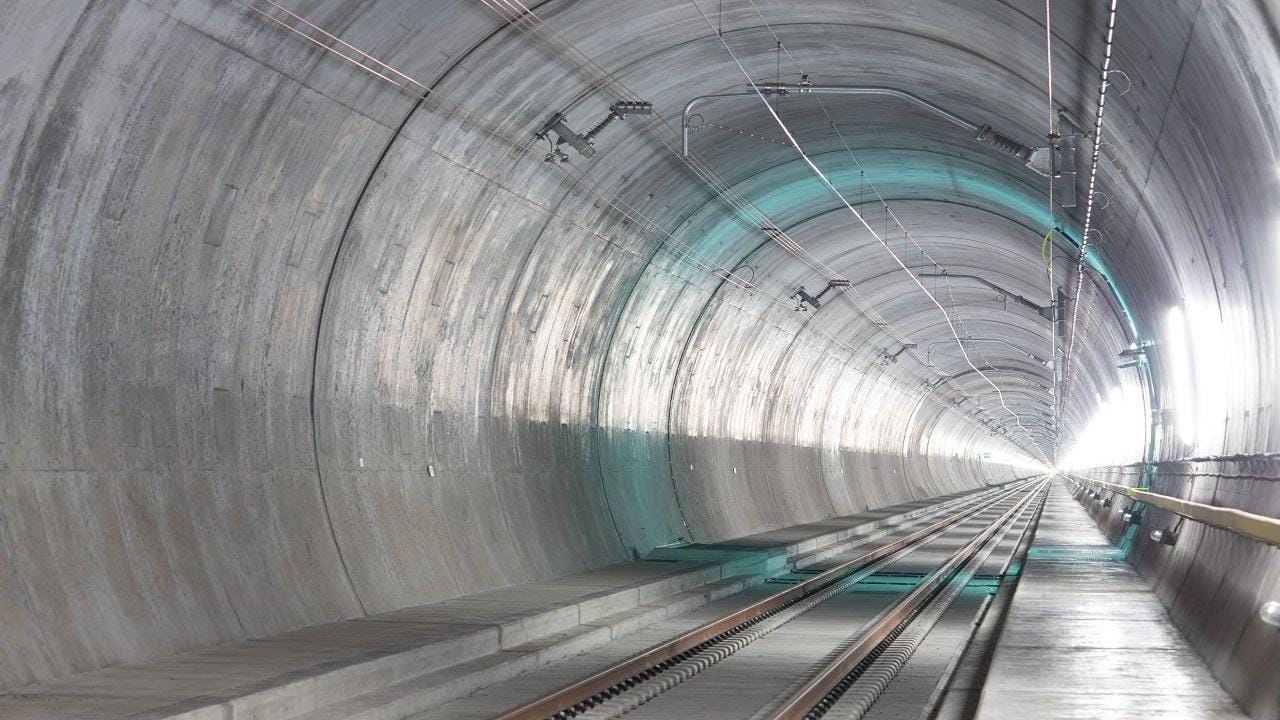
A new expert investigation into the 2023 Gotthard Base Tunnel derailment has revealed that warning signals were reportedly ignored before the major railway accident occurred.

According to a report commissioned by the Ticino public prosecutor’s office, Swiss Federal Railways (SBB) may have been able to prevent or reduce the severity of the derailment inside the Gotthard Base Tunnel.

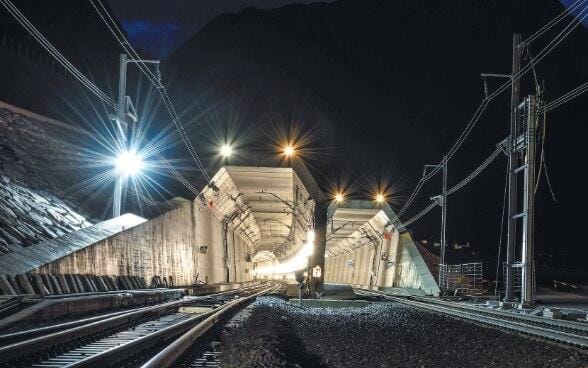
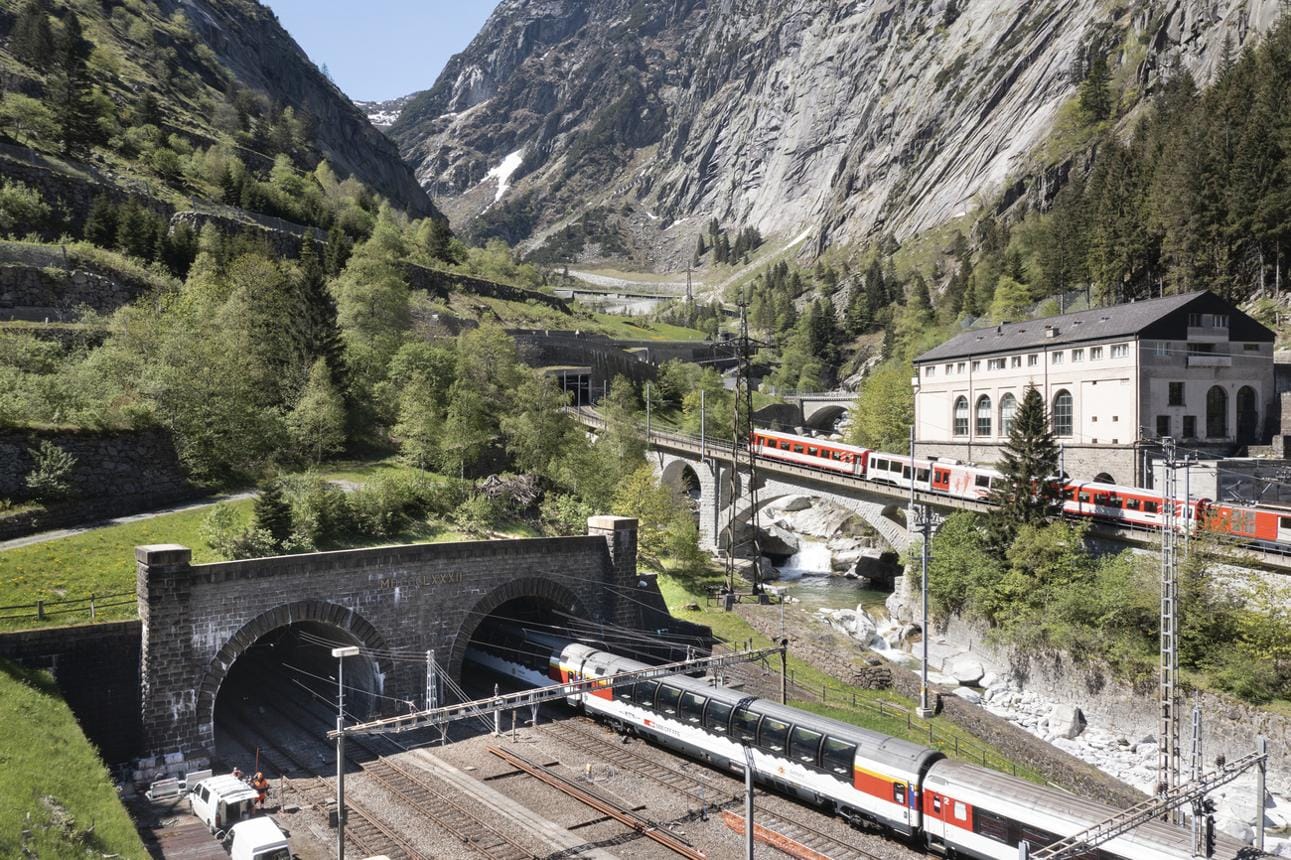
The accident happened in August 2023 after a wheel on the eleventh freight wagon broke while the train was travelling through the tunnel. The failure caused extensive infrastructure damage, resulting in repair costs estimated at around CHF150 million and the closure of one tunnel tube for more than a year.

The newly released findings, obtained by Swiss broadcaster SRF, state that a series of warning alerts appeared in SBB’s operational systems after the wheel defect occurred. However, operators allegedly failed to react to the warning messages in time.

Investigators believe earlier intervention, including emergency measures to stop the train, could potentially have limited the scale of the destruction inside one of Europe’s most important rail corridors.

The report has sparked renewed debate over railway safety systems, operational procedures, and monitoring technology within Switzerland’s transport network.

Industry representatives and transport experts are now calling for a detailed review of emergency response protocols and automated warning systems to prevent similar incidents in the future.

The Gotthard Base Tunnel is a key part of European freight and passenger transport infrastructure, linking northern and southern Europe through the Swiss Alps. The prolonged closure following the derailment caused significant disruption to international rail traffic and logistics operations.

Authorities are expected to continue examining accountability and operational responsibilities as part of the ongoing legal investigation.

New Report Claims Swiss Rail Operator Could Have Prevented Gotthard Tunnel Accident

A new expert report into the 2023 Gotthard Base Tunnel accident has concluded that Swiss Federal Railways (SBB) could potentially have prevented the severe incident that caused major damage and a prolonged tunnel closure.

The accident occurred in August 2023 when a broken wheel on a freight wagon led to serious damage inside the Gotthard Base Tunnel, resulting in losses estimated at around CHF 150 million and a closure lasting over a year.

According to the report commissioned by the Ticino public prosecutor’s office, multiple warning signals appeared on SBB’s operational monitoring systems after the wheel failure. However, the report claims that these alerts were not acted upon in time, allowing the train to continue through the tunnel.

The findings suggest that earlier intervention, including an emergency stop, could have reduced the severity of the damage or possibly prevented it altogether.

Criticism has since emerged from industry representatives. Josef Dittli, who also leads an association of freight wagon operators, stated that the system failed to respond appropriately despite clear warning signals.

Railway union representative Philipp Hadorn also questioned the lack of emergency braking, arguing that the response did not align with standard safety expectations in such situations.

The report highlights broader concerns about safety monitoring systems in complex rail infrastructure such as the Gotthard Base Tunnel, one of the most important transport corridors in Europe.

The findings are expected to prompt further discussions on operational safety procedures, digital monitoring systems, and emergency response protocols within Switzerland’s rail network.

Switzerland–London Direct Train Service Planned via France

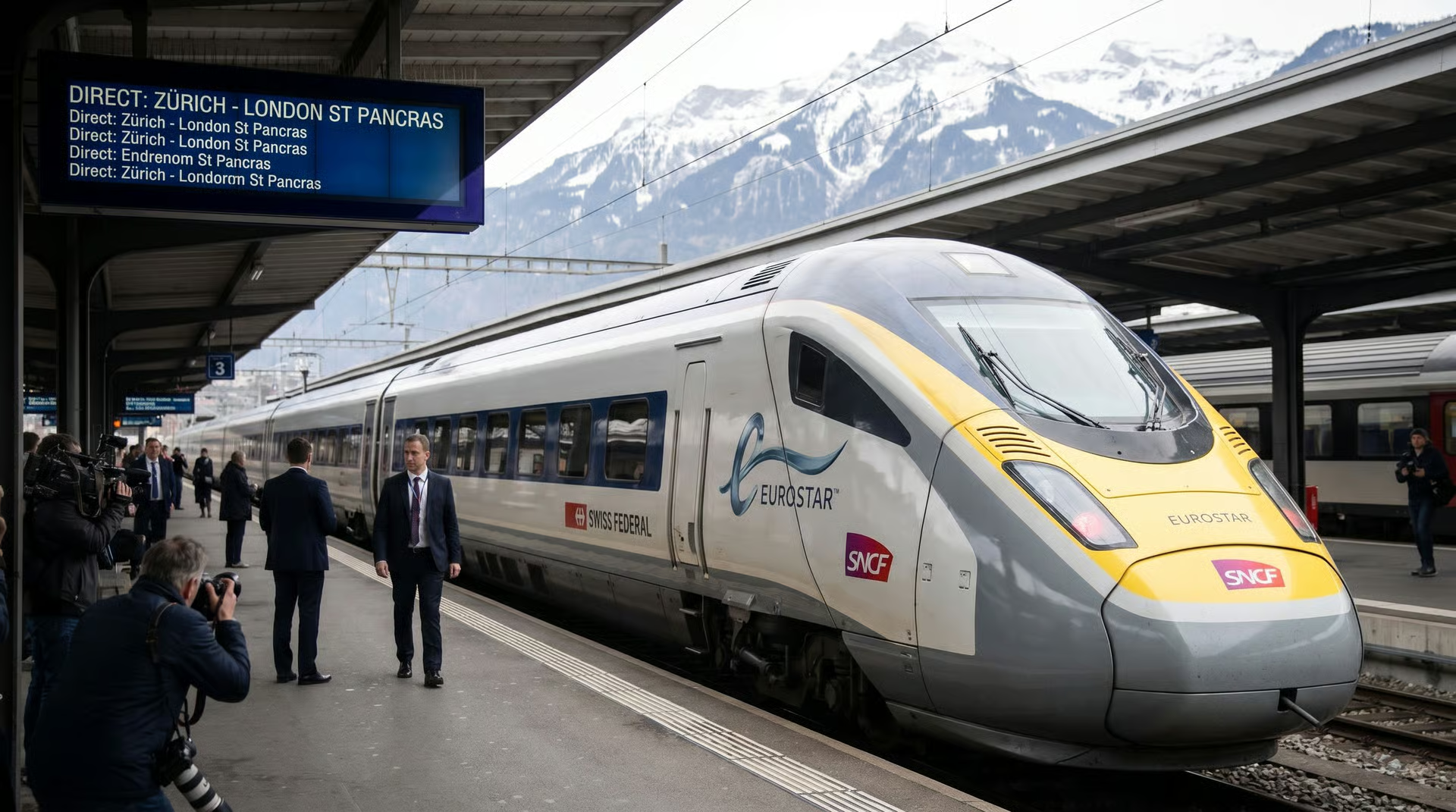
Switzerland is moving closer to launching a direct high-speed train service to London, aiming to improve connectivity between Central Europe and the United Kingdom. The proposed route will operate via France, making cross-border travel faster and more convenient for passengers.

The Swiss Federal Railways and the French National Railway Company have signed a Memorandum of Understanding (MoU) to explore the feasibility of this ambitious project. Both parties are actively working on border control arrangements, infrastructure readiness, and operational coordination.

Once implemented, the service is expected to significantly reduce travel time between Switzerland and London. Passengers could reach London in approximately five to six hours, depending on their departure city. Travelers from Zurich may arrive in around six hours, while those from Geneva could reach London in about five and a half hours. Basel is expected to offer the fastest connection at nearly five hours.

However, the project still faces several challenges. Authorities must finalize international agreements, ensure railway capacity, and establish efficient immigration and security procedures. Despite these hurdles, officials expect the service to become operational in the early 2030s.

If successful, this rail link will strengthen tourism, business travel, and economic cooperation between Switzerland, France, and the UK.

Direct Train Between Switzerland and London Moves Closer After Rail Agreement.

Plans for a direct high-speed train connecting Switzerland and London have moved closer to reality after a major cooperation agreement between leading European rail operators.

Swiss Federal Railways, SNCF Voyageurs, and Eurostar have signed a Memorandum of Understanding (MoU) to explore the feasibility of launching a direct rail service between Switzerland and the UK.

The agreement focuses on studying timetables, operational planning, and technical requirements needed to operate a seamless cross-border rail connection. Officials say this marks a significant step toward turning the long-discussed idea into a practical transport service.

If implemented, the route could allow passengers to travel between Swiss cities such as Zurich and Geneva directly to London without changing trains in Paris or Brussels. Early projections suggest journey times of around 5.5 to 6 hours, making rail travel a strong competitor to short-haul flights.

Transport experts say the project is part of a broader European effort to expand sustainable travel options and reduce carbon emissions. Rail travel is widely considered more environmentally friendly than air travel, with significantly lower CO₂ output per passenger.

However, the project still faces major challenges, including regulatory approvals, border control procedures, and technical requirements for Channel Tunnel operations. Experts say full implementation is unlikely before the 2030s.

Despite the hurdles, the agreement signals growing political and industrial support for expanding high-speed rail connectivity across Europe.