Scotland ‘Green’ Data Centres Raise AI Emissions Concerns.

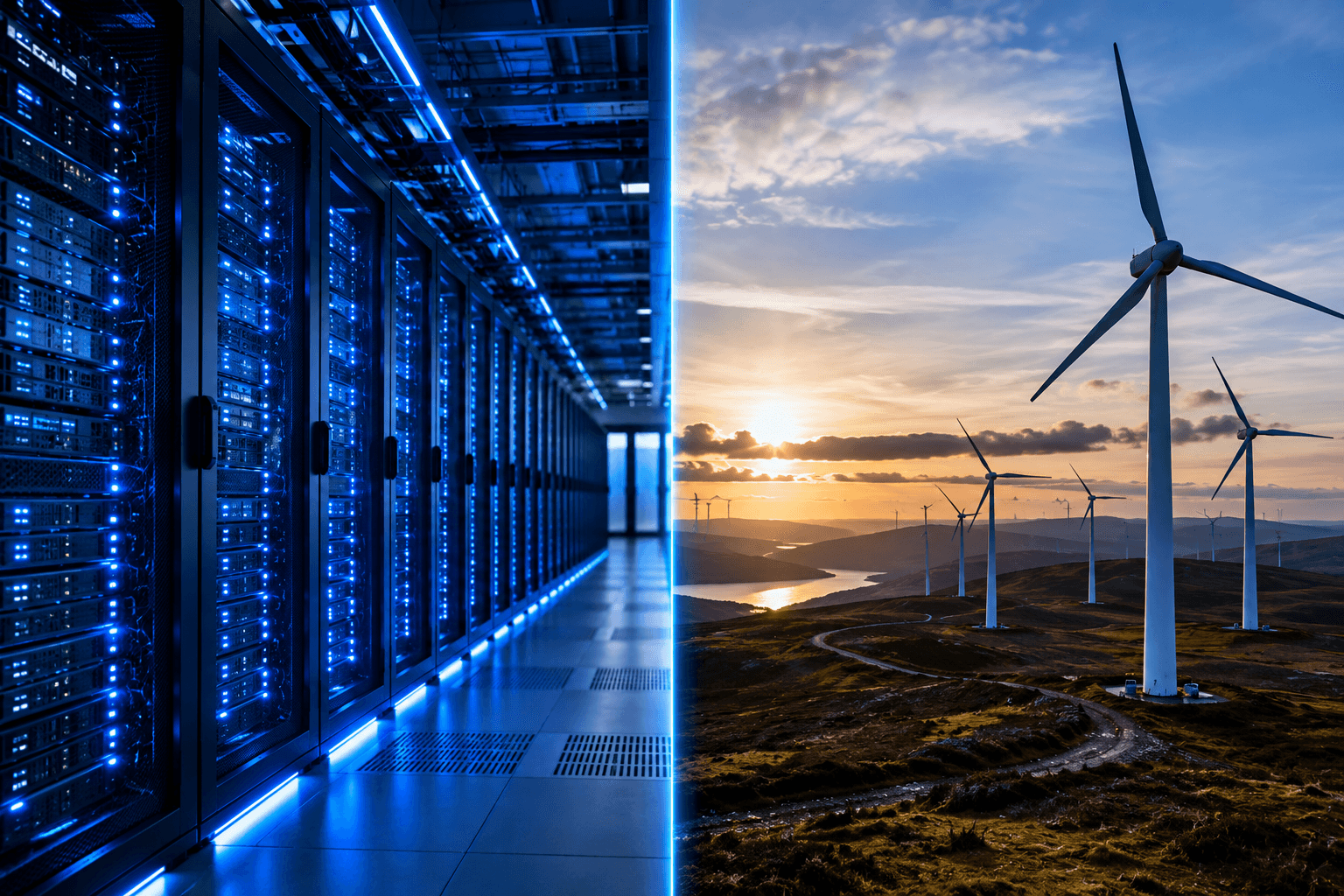
Scotland’s policy promoting “green datacentres” is facing criticism after new analysis raised concerns that it ignores the rising carbon emissions linked to artificial intelligence workloads.

A report by Action to Protect Rural Scotland (APRS) warns that the definition of “green datacentres” in current policy is outdated and does not reflect the rapid growth of AI technologies such as large-scale models and tools like ChatGPT.

The Scottish government has positioned datacentres as a key part of its economic strategy, supported by renewable energy availability and major investment plans across the country. However, critics argue that the current framework fails to fully account for real-world emissions.

According to APRS, more than a dozen datacentre projects are seeking approval in Scotland, including large AI-focused developments near Glasgow. Collectively, these facilities could consume over 6.2GW of electricity—surpassing Scotland’s peak winter energy demand.

The concern is that many projects may label themselves as “green” despite relying on diesel backup generators and potentially shifting to gas-powered energy due to delays in grid connections.

Officials also highlight that the current planning framework (NPF4) was developed before the explosion of generative AI demand and has not been updated to reflect today’s energy-intensive computing needs.

Environmental campaigners argue that this gap could allow high-emission infrastructure to receive favourable approval under “green” classifications, potentially undermining Scotland’s net-zero targets.

The Scottish government maintains that it aims to attract sustainable investment while supporting economic growth and aligning with climate goals.

Global Cyberattack Disrupts Universities and Schools Using Canvas System

A major international cyberattack has disrupted universities and schools across the United States, Canada, and Australia, causing widespread academic chaos during a critical end-of-year examination period.

The hacking group ShinyHunters has claimed responsibility for the attack, which targeted the widely used learning platform Canvas.

The cyber incident caused temporary outages across thousands of educational institutions, affecting an estimated 9,000 schools and universities worldwide.

The company behind the platform, Instructure, confirmed that Canvas was restored for most users by late Thursday. However, several universities continued to report technical issues and disruptions into Friday.

The attack caused significant academic disruption, forcing some institutions to postpone exams and delay coursework submissions.

Mississippi State University announced that it had postponed final examinations to allow students time to recover lost work and adjust to system outages.

Students described sudden system failures during critical assessments, with one student reporting that a ransom message appeared on-screen while completing a major exam essay.

The message reportedly read: “ShinyHunters has breached Instructure (again),” highlighting the group’s previous cyber activity targeting educational platforms.

Cybersecurity experts warn that attacks on educational infrastructure are increasing, particularly during high-pressure academic periods when system downtime can have serious consequences for students.

Authorities and affected institutions are now working with cybersecurity teams to investigate the breach and strengthen digital defenses.

The incident highlights growing vulnerabilities in global education systems as reliance on digital learning platforms continues to increase.

AI Triggers 96,000 Tech Layoffs in 2026.

The rapid expansion of Artificial Intelligence is transforming the global technology industry, with nearly 96,000 employees reportedly losing their jobs in 2026 alone.

Technology companies across the world are increasingly replacing traditional workforce structures with AI-powered systems to improve efficiency, reduce operational costs, and automate tasks previously handled by humans.

Industry reports indicate that many startup IT firms can now perform work previously managed by 250 employees using only around 50 staff members supported by advanced AI tools.

Major technology companies have also accelerated restructuring efforts as artificial intelligence becomes more deeply integrated into business operations.

Meta recently announced plans to reduce approximately 10% of its workforce, affecting nearly 8,000 employees.

The company reportedly confirmed that the layoffs would begin from May 20 and stated that it currently has no plans to refill around 6,000 vacant positions.

Meanwhile, Amazon has reportedly cut nearly 30,000 jobs since October as part of broader operational restructuring and automation strategies.

Experts say companies are increasingly relying on AI systems for coding, customer support, data analysis, marketing automation, and content generation.

The growing adoption of AI technologies has sparked debate across the global workforce, with many professionals expressing concern about job security and the future of traditional employment.

At the same time, technology leaders argue that AI will also create new opportunities in fields such as machine learning, cybersecurity, robotics, and AI system management.

Economists believe the global labour market is entering a major transition period where companies will prioritize digital automation and AI-driven productivity.

As competition intensifies in the tech industry, businesses are expected to continue investing heavily in artificial intelligence to remain competitive in the rapidly evolving digital economy.

Swiss Solar Aircraft Crashes in Gulf of Mexico

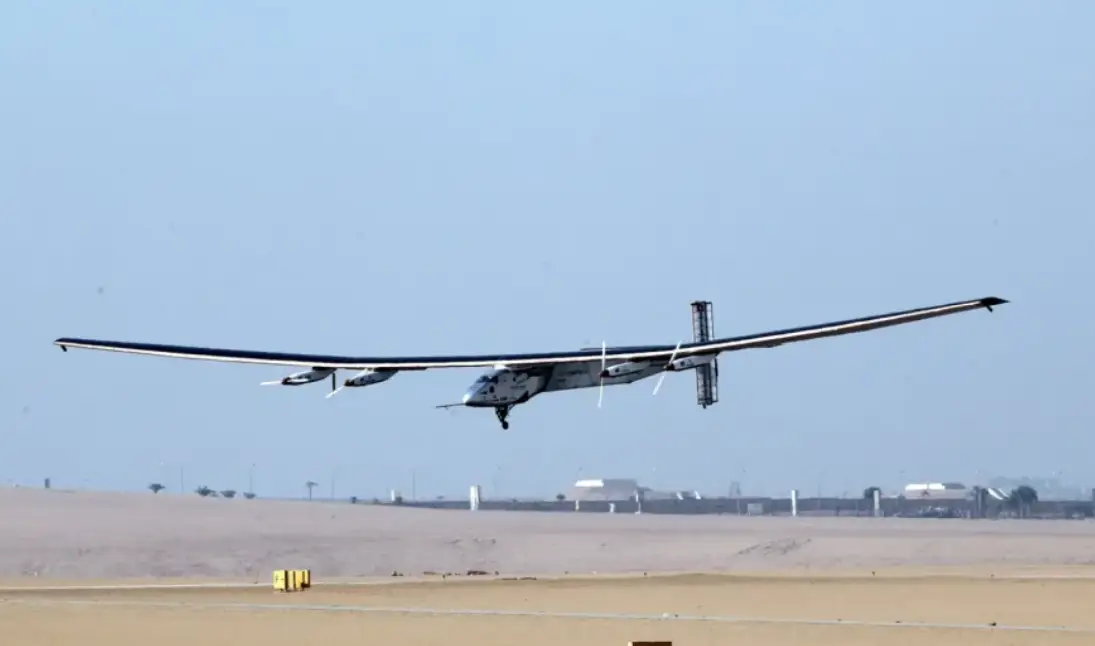
Solar Impulse 2, the historic solar-powered aircraft developed in Switzerland, has been completely destroyed after crashing into the Gulf of Mexico during a test operation.

According to preliminary findings released by the National Transportation Safety Board (NTSB), the aircraft experienced a loss of power before going down in international waters near St. Louis Bay in the Gulf of Mexico.

Authorities confirmed that no passengers or crew members were on board at the time of the crash, and no injuries were reported.

The aircraft reportedly took off at dawn on May 4 from Stennis International Airport in Mississippi before the incident occurred. Investigators are continuing to examine the exact cause of the crash, while a final investigation report is expected at a later stage.

Solar Impulse 2 became globally famous after completing a historic round-the-world journey without using fuel in 2016. The aircraft was developed by Swiss aviation pioneers Bertrand Piccard and André Borschberg.

The groundbreaking mission demonstrated the potential of renewable energy and clean aviation technology, earning worldwide recognition for Switzerland’s innovation in sustainable transport.

After the successful mission, the aircraft was sold in 2019 to a Spanish-American company and was later used in testing operations connected to the United States Navy.

The destruction of Solar Impulse 2 marks the end of one of the world’s most iconic experimental aircraft projects and represents a significant moment in the history of solar-powered aviation.

Experts say the aircraft played a major role in promoting renewable energy solutions and inspiring future developments in sustainable aerospace engineering.

Apple and Intel Sign Major Semiconductor Deal as Shares Surge.

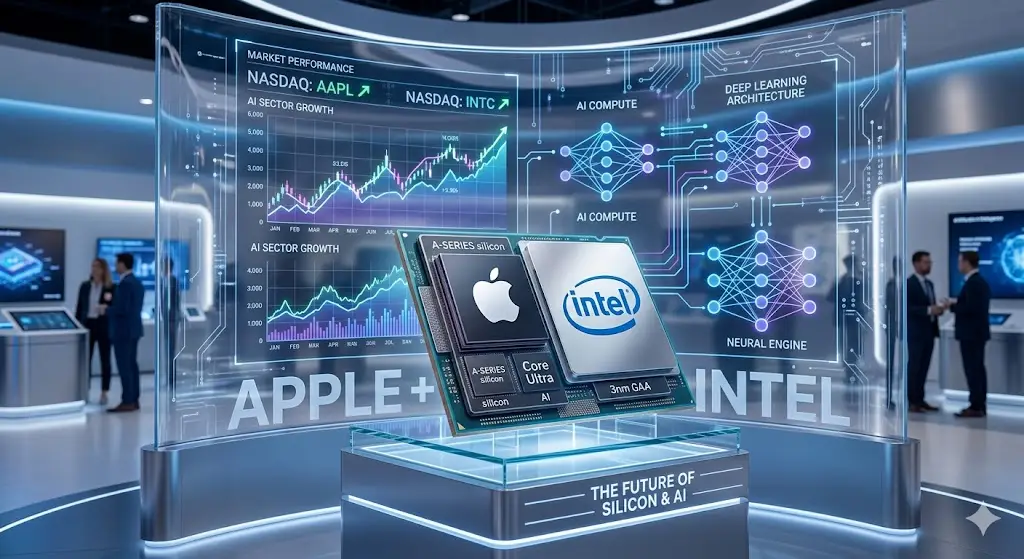
Apple Inc. and Intel Corporation have reportedly signed a major preliminary agreement that could reshape the global semiconductor industry.

According to reports from The Wall Street Journal, discussions between the two technology giants had continued for more than a year before both sides finalized a structured framework agreement.

The exact Intel technologies and semiconductor products that will be integrated into future Apple devices remain confidential. However, industry analysts believe the partnership could significantly influence future chip manufacturing strategies and hardware development.

The agreement has already triggered strong reactions in the financial markets. Investors responded positively to the news, driving a sharp increase in stock prices for both companies.

Intel shares surged by 18.26%, reaching approximately $129.64, while Apple shares rose by 1.59% to around $292.00.

The deal also signals a strategic shift for Apple, which has previously maintained semiconductor partnerships with companies including Samsung.

Market experts say the new collaboration may help Intel strengthen its position in the global semiconductor market while allowing Apple to diversify its supply chain and chip development capabilities.

The semiconductor industry continues to play a critical role in artificial intelligence, mobile devices, cloud computing, and advanced consumer electronics, making partnerships between major technology firms increasingly important.

Investors and analysts are now closely watching future announcements to determine how the partnership will impact upcoming Apple products and the broader global chip industry.

Roche Acquires AI Specialist PathAI in Major Healthcare Deal.

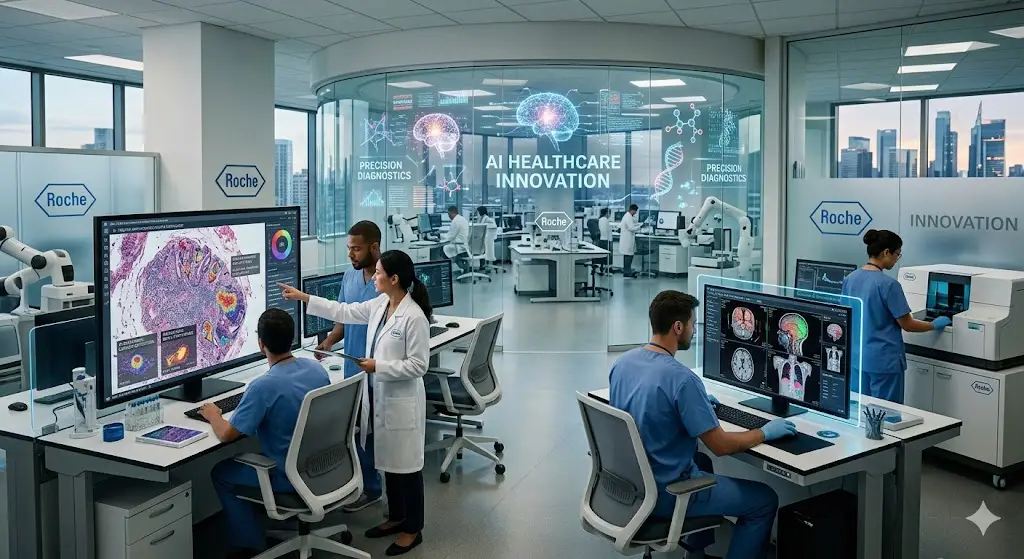
Swiss pharmaceutical giant Roche has announced the acquisition of American artificial intelligence company PathAI as part of its strategy to strengthen AI-powered healthcare and digital pathology solutions.

The deal is valued at $750 million, with additional milestone payments that could increase the total value by up to $300 million.

Through the acquisition, Roche aims to expand its leadership in AI-based diagnostic technologies and accelerate the development of personalized medicine.

PathAI specializes in artificial intelligence systems used in pathology and medical diagnostics. Its AI-powered Image Management System (IMS) helps laboratories improve efficiency, analyze medical images faster, and support clinical decision-making.

Roche stated that combining PathAI’s technology with Roche’s diagnostic expertise will help speed up the development of new therapies, improve laboratory operations, and support the discovery of new biomarkers and advanced diagnostic tools.

The two companies already began collaborating in 2021, with the partnership expanding further in 2024 before the acquisition announcement.

Roche expects the transaction to be finalized during the second half of 2026, pending approval from regulatory and competition authorities.

After completion, PathAI will be integrated into Roche’s diagnostics division, strengthening the company’s position in the growing field of AI-driven healthcare innovation.

The move highlights the increasing importance of artificial intelligence in global healthcare, where pharmaceutical companies are investing heavily in digital diagnostics, precision medicine, and automated laboratory technologies.

Infosys AI Policy: No Layoffs Announced, Employees Relieved.

Infosys has reassured its employees by announcing that the company will not carry out any layoffs despite the rapid rise of Artificial Intelligence (AI) in the IT industry.

Chief Executive Officer and Managing Director Salil Parekh confirmed that Infosys is focusing on hiring and reskilling rather than reducing its workforce. He emphasized that the company aims to leverage AI technology to expand opportunities instead of cutting jobs.

This announcement has brought significant relief to thousands of employees who were worried about job security amid global tech industry layoffs.

Infosys also confirmed that it did not implement any workforce reductions last year and does not anticipate any layoffs in the near future. Instead, the company plans to continue large-scale campus recruitment, aiming to hire around 20,000 fresh graduates this year.

Parekh explained that while entry-level job roles are evolving, AI will expand job opportunities rather than reduce them. He highlighted that the company is actively training engineers to work with AI tools, enabling them to build, evaluate, and improve AI-generated code.

Meanwhile, several global IT companies such as TCS, HCLTech, Oracle, and Cognizant have recently undertaken restructuring and job cuts, raising concerns across the sector.

Despite these trends, Infosys stated that AI currently contributes about 5.5% of its revenue and is growing rapidly. The company expects AI to become a major driver of future growth rather than a threat to employment.

Intel Reclaims $14.2B Ireland Chip Plant Stake.

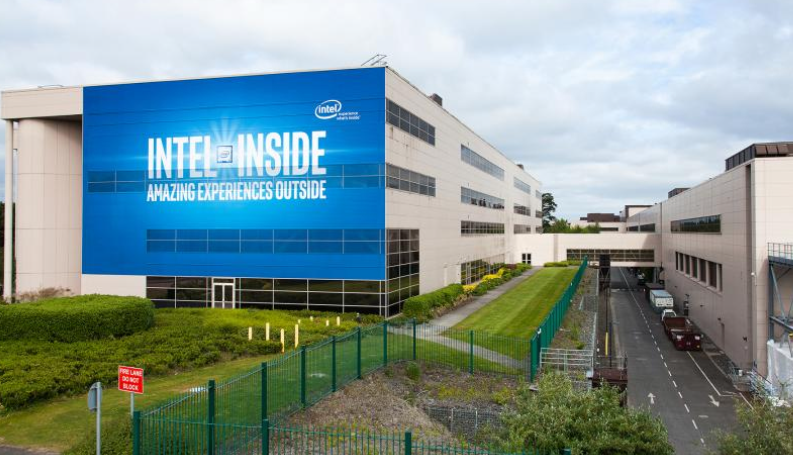
A major strategic step has been taken by Intel to strengthen its position in the global semiconductor industry, as a 49% stake in its advanced chip manufacturing facility located in Leixlip has been planned to be repurchased for $14.2 billion from Apollo Global Management.

The stake had originally been sold in 2024 for $11.2 billion during a period of financial pressure faced by Intel, when additional capital had been required to support large-scale manufacturing expansion projects across Europe and the United States. The transaction had allowed operational continuity to be maintained while financial flexibility was improved.

Now, the full ownership of the strategically important Fab 34 semiconductor facility is expected to be restored as Intel’s financial stability has been significantly strengthened through restructuring initiatives implemented under CEO Lip-Bu Tan. Increased efficiency measures and renewed investor confidence have been reported as key contributors to the recovery.

The decision has also been influenced by rapidly rising global demand for processors used in artificial intelligence applications and modern data-center infrastructure. As AI-driven computing adoption continues to expand worldwide, stronger control over advanced manufacturing assets has been considered essential for long-term competitiveness.

It has further been announced that the repurchase will be financed through a combination of existing company cash reserves and approximately $6.5 billion in new debt, ensuring that operational investment momentum will be maintained while ownership control is strengthened.

Through this move, Intel’s manufacturing independence in Europe is expected to be reinforced, while future profitability and processor supply capabilities for next-generation AI technologies are anticipated to improve significantly over the coming years.