Switzerland Expected to See Moderate Economic Growth: OECD Report.

The Organisation for Economic Co-operation and Development (OECD) has projected that Switzerland will experience moderate economic growth in the coming years, supported mainly by strong domestic demand despite global economic uncertainties.

According to the latest report published on Tuesday, Switzerland’s real GDP is expected to grow by 1.1% in 2026 and rise to 1.5% in 2027. The outlook suggests that the Swiss economy will remain relatively stable even as global energy prices and geopolitical tensions continue to impact international markets.

The OECD notes that higher energy costs and weaker external demand may slightly affect exports in the short term. However, Switzerland’s strong domestic market and low dependence on fossil fuels are helping to cushion the impact. The country’s limited reliance on Middle Eastern energy imports also reduces its vulnerability compared to many other OECD economies.

Export performance is expected to recover in 2027 as key trading partners rebound from the energy shock. This recovery is likely to support Swiss industries, particularly export-driven sectors such as pharmaceuticals and high-value manufacturing.

Inflation in Switzerland is projected to remain within the Swiss National Bank’s (SNB) target range of 0–2%, despite short-term pressure from rising energy prices. The Swiss franc’s strength, driven by its safe-haven status, continues to influence monetary policy decisions and help control inflation levels.

The OECD also highlights potential risks, including prolonged energy market instability, supply chain disruptions, and possible new trade tariffs. However, a faster-than-expected recovery in Europe and other major markets could further improve Switzerland’s growth outlook.

Overall, the Swiss economy is expected to remain stable, with gradual growth supported by domestic resilience, cautious monetary policy, and a strong financial system.
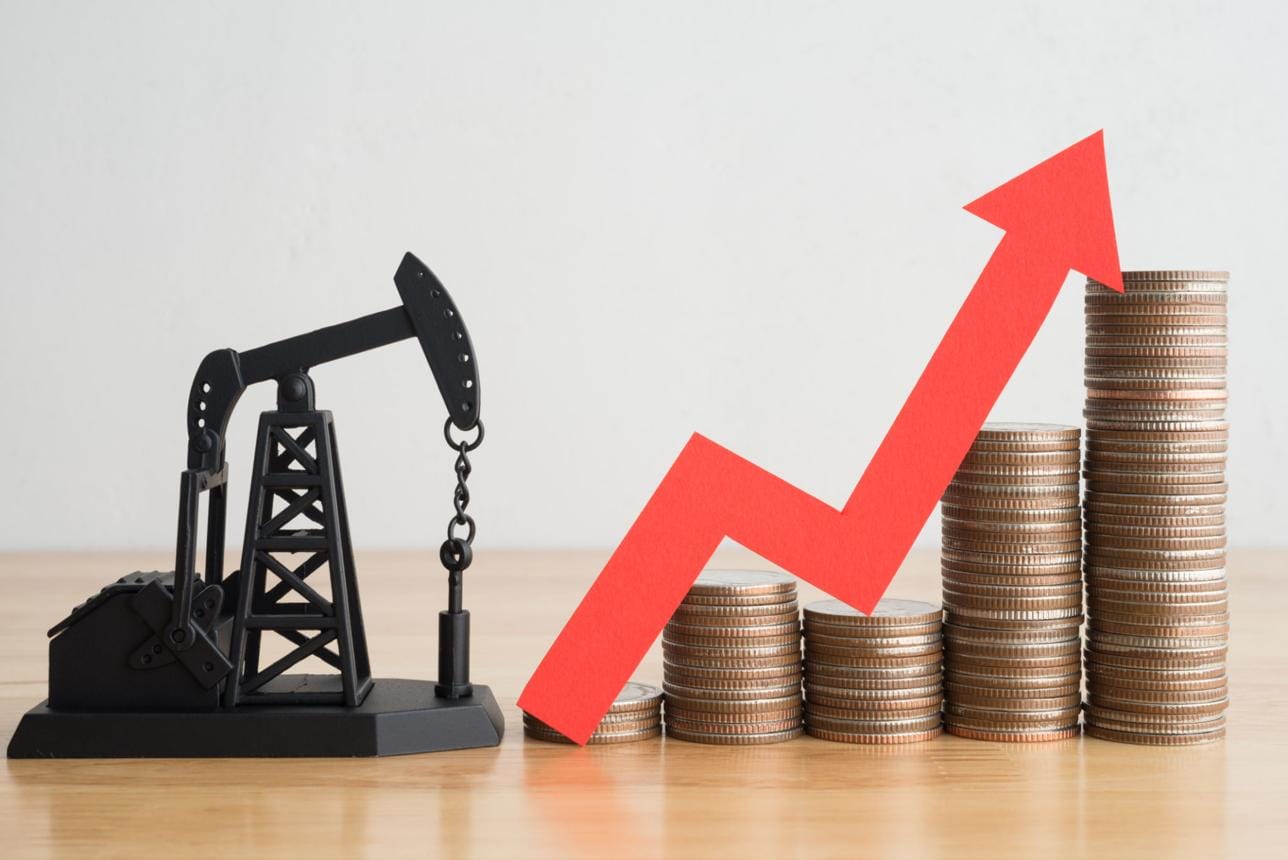
Swiss Economy Grows Slower Than Expected in Early 2026.

Switzerland’s economy recorded moderate growth during the first quarter of 2026, according to the latest figures released by the State Secretariat for Economic Affairs (SECO). The country’s real Gross Domestic Product (GDP) increased by 0.4% compared with the previous quarter after seasonal and special-event adjustments.

The result came in slightly below SECO’s preliminary forecast of 0.5% issued earlier this month. Despite the small downgrade, the latest figure still represents an improvement compared with the previous two quarters, which recorded growth rates of 0.2% and -0.4% respectively.

The main driver of economic expansion was Switzerland’s industrial sector. Industrial value added increased by a strong 1.3%, marking one of the sector’s best performances in recent quarters after a prolonged period of modest growth.

In contrast, the service sector showed only limited momentum. Growth in services reached just 0.2%, with several industries reporting mixed results. Retail and trade activities experienced declines, reflecting cautious consumer behavior and weaker domestic spending.

Private consumption remained largely stagnant, contributing to weak domestic demand. Overall domestic final demand rose by only 0.1%. Government expenditure helped support economic activity, increasing by 0.9% during the quarter.

SECO noted that Swiss GDP figures are adjusted to remove the impact of major international sporting events. Organizations such as the International Olympic Committee and several global sports federations are based in Switzerland, and their licensing revenues can significantly influence economic statistics. Without these adjustments, first-quarter GDP growth would have reached 0.7%.

While growth remains positive, the latest figures suggest that Switzerland’s economic recovery continues at a measured pace. Strong industrial performance is helping to offset weaker consumer spending, but economists will continue to monitor domestic demand and global economic conditions closely in the coming months.

The latest data indicate that Switzerland remains on a stable economic path, though challenges linked to consumer confidence and international market uncertainties continue to influence growth prospects.

Middle East Conflict and Oil Prices Threaten Swiss Economic Growth

The ongoing Middle East conflict is likely to slow down Switzerland’s economic growth while increasing inflation, according to new projections from UBS economists.

Analysts Alessandro Bee and Matteo Mosimann warn that if tensions between the United States and Iran continue, oil prices could rise above $150 per barrel. Such a surge would significantly increase global energy costs and raise fears of a broader economic slowdown.

The report highlights that higher fuel prices are already impacting Swiss households. Increased costs for petrol and heating oil are currently costing consumers around CHF 170 million per month, although this still represents less than 0.5% of total household spending.

Despite rising prices, consumer confidence has weakened. UBS noted that morale dropped in March and April to its lowest level in nearly two and a half years. However, industrial sentiment has remained relatively stable, showing limited immediate impact on production activity.

Economists expect some stabilization if geopolitical tensions ease in the coming months, with global oil supply likely to normalize in the second half of the year. However, they still caution that the Swiss economy will face pressure even under improved conditions.

UBS has revised its growth outlook downward. For 2026, Swiss GDP is now expected to grow by just 0.7%, compared with earlier forecasts of 0.9%. In 2027, growth is projected at 1.4%, slightly below previous estimates.

Despite the slowdown, economists believe Switzerland could benefit indirectly from fiscal stimulus measures in Europe, including Germany’s tax package, which may support confidence and economic activity in the longer term.

Overall, the outlook suggests moderate but manageable economic pressure rather than a severe downturn.

Swiss Economy Records Strong Growth in Early 2026 Despite Global Challenges

Switzerland’s economy showed stronger-than-expected growth during the first quarter of 2026 despite rising oil prices and ongoing global trade uncertainties. According to the latest flash estimate released by the Swiss State Secretariat for Economic Affairs (SECO), the country’s real seasonally adjusted gross domestic product (GDP) increased by 0.5% compared to the previous quarter.

The positive economic performance came from growth in both the industrial and service sectors. Economists had predicted a lower increase of between 0.3% and 0.4%, making the latest figures a positive surprise for the Swiss economy. During the final quarter of 2025, Switzerland’s GDP had grown by only 0.2%, while the previous quarter experienced a 0.5% decline due to international tariff disputes and trade tensions.

GDP Growth=0.5%GDP\ Growth = 0.5\%GDP Growth=0.5%

SECO economic expert Felicitas Kemeny explained that confidence in the economy has improved in recent months. She stated that reduced tariffs and slight economic recovery in Germany helped support Swiss economic activity. Several economic indicators also pointed toward stronger business confidence and stable consumer activity across Switzerland.

Although oil prices increased significantly during March, analysts noted that confidence indicators remained relatively stable. This has created optimism that Switzerland may maintain positive economic momentum in the short term. However, uncertainty still exists because global energy prices and international trade conditions continue to affect economic forecasts worldwide.

The Swiss government currently expects economic growth of around 1.0% for 2026 under its main scenario. If oil prices remain elevated for a longer period, experts believe growth could slow slightly to around 0.8%. SECO will release the detailed GDP report on June 1, which will provide more information about the performance of individual sectors within the Swiss economy.

Switzerland continues to demonstrate resilience despite global economic pressure, inflation concerns, and international market instability. Economists believe the country’s diversified economy, stable financial system, and strong industrial base continue to support steady economic growth during uncertain times.

Swiss Economy Grows 0.5% Despite Oil Price Shock

The Swiss economy recorded stronger-than-expected growth in early 2026 despite global pressure from rising oil prices and ongoing trade uncertainties.

According to a flash estimate released by the State Secretariat for Economic Affairs (SECO), Switzerland’s gross domestic product (GDP) increased by 0.5% in the first quarter of 2026 compared to the previous quarter.

Both the industrial and service sectors contributed to this positive performance, showing resilience even amid external economic shocks.

The growth rate exceeded analysts’ expectations, which had predicted expansion between 0.3% and 0.4%, according to market surveys.

In the previous quarters, the Swiss economy showed mixed performance, including a 0.2% growth at the end of 2025 and a 0.5% contraction earlier due to tariff-related tensions.

SECO officials noted that improved business confidence played a key role in the recovery, along with easing tariff pressures and modest positive spillover effects from Germany’s economy.

However, economists remain cautious about the outlook. Rising oil prices, which increased significantly in March, could still affect economic momentum in the coming months.

Despite this, confidence indicators have remained relatively stable, suggesting that short-term growth may continue.

The Swiss government currently projects annual growth of around 1.0%, though this could be revised down to 0.8% if high energy prices persist.

A detailed GDP breakdown is expected in the upcoming full report scheduled for June 1, which will provide deeper insight into sector-specific performance.

2026 FIFA World Cup Expected to Provide Limited Boost to Swiss Economy

The 2026 FIFA World Cup is expected to provide only a modest boost to the Swiss economy despite the tournament expanding to a record number of matches. The competition, hosted by the United States, Canada, and Mexico, will begin next month and feature 48 teams competing in 104 matches.

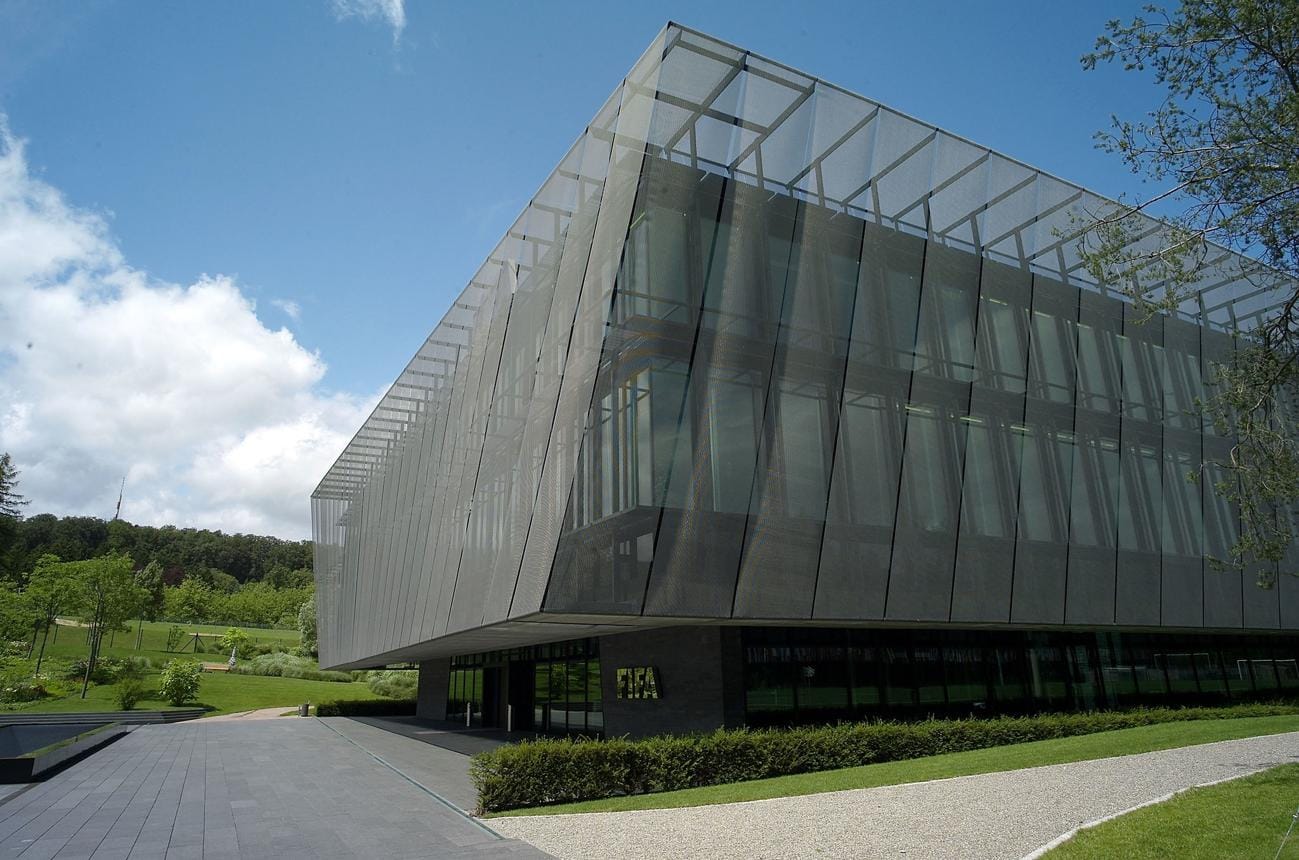
Although Switzerland is not hosting any matches, the country will still benefit economically because FIFA is based in Zurich. Revenue generated from broadcasting rights, sponsorship agreements, hospitality packages, and brand licensing is recorded as economic activity in Switzerland.

According to experts from the KOF Swiss Economic Institute, the tournament could increase Switzerland’s GDP in 2026 by approximately 0.3 to 0.4 percentage points. However, economists believe the overall impact will remain relatively limited.

Economist Alexander Rathke explained that the financial effects will likely stay within normal economic margins. While FIFA is expected to generate around CHF1 billion more in broadcasting revenue compared with the 2022 Qatar World Cup, the organisation has also significantly expanded its global football activities in recent years.

Analysts say the growing number of international football tournaments, including the FIFA Club World Cup and expanded women’s competitions, has reduced the unique economic significance of the men’s World Cup. BAK Economics noted that the broader expansion of FIFA and UEFA activities spreads economic effects across multiple events instead of concentrating them in a single tournament.

Experts also emphasized that the impact mainly exists on paper through accounting and financial reporting. The real economy and labour market in Switzerland are expected to experience only limited direct benefits, with relatively few new jobs created.

Nevertheless, increased revenues from international sports organisations continue to strengthen Switzerland’s position as a global hub for sports administration. FIFA and the International Olympic Committee generated approximately $8 billion in combined revenues during 2022, highlighting the growing financial power of global sporting institutions based in Switzerland.

Swiss economists now increasingly publish GDP figures excluding major sporting events in order to provide a clearer picture of the country’s actual economic performance.