
Swiss Airports Face Longer Waits Under New EU System.

Air travelers arriving in Switzerland from countries outside the Schengen area, such as the United States and the United Kingdom, are experiencing longer waiting times at airports due to the rollout of a new European border control system.

The system, known as the Entry/Exit System (EES), records all entries and exits of non-EU, non-Schengen travelers within the Schengen zone. It applies to passengers who do not hold passports from EU countries or associated states such as Norway, Iceland, Liechtenstein, or Switzerland.

The EES has been gradually introduced and has been fully operational across the Schengen area since April 10. According to EU officials, the system has already registered around 90 million travelers, with approximately two million new registrations processed each week. The system is designed to strengthen border security, track travel movements, and identify security risks more efficiently.

However, the new process has also led to delays at several airports, including those in Switzerland. At Zurich Airport, the system was introduced in November 2025, while Geneva Airport began using it in October 2025. Authorities confirm that first-time registrations require detailed data collection, including personal information, travel document details, and biometric data such as fingerprints and facial images.

Because of these additional requirements, border processing times have increased, especially when multiple long-haul flights arrive at the same time. In some cases, passengers have reported waiting times of up to one to two hours before completing entry procedures.

Airport officials say the system is generally stable and reliable, but they acknowledge that longer queues can occur during peak travel periods. They expect processing times to improve as border staff gain more experience with the new system.

Geneva Airport also experienced significant delays during the winter ski season, when daily passenger numbers exceeded 70,000. On the busiest days, waiting times reached up to two and a half hours, according to airport authorities.

While responsibility for border checks differs between airports, with Zurich managed by cantonal police and Geneva overseen by the Federal Office for Customs and Border Security, both authorities confirm that the Entry/Exit System is functioning as intended but requires additional processing time.

Officials emphasize that the system plays an important role in improving security across the Schengen area, even as efforts continue to streamline procedures and reduce waiting times for international travelers.
Indian Tourist Fined in Switzerland for Traffic Violation.

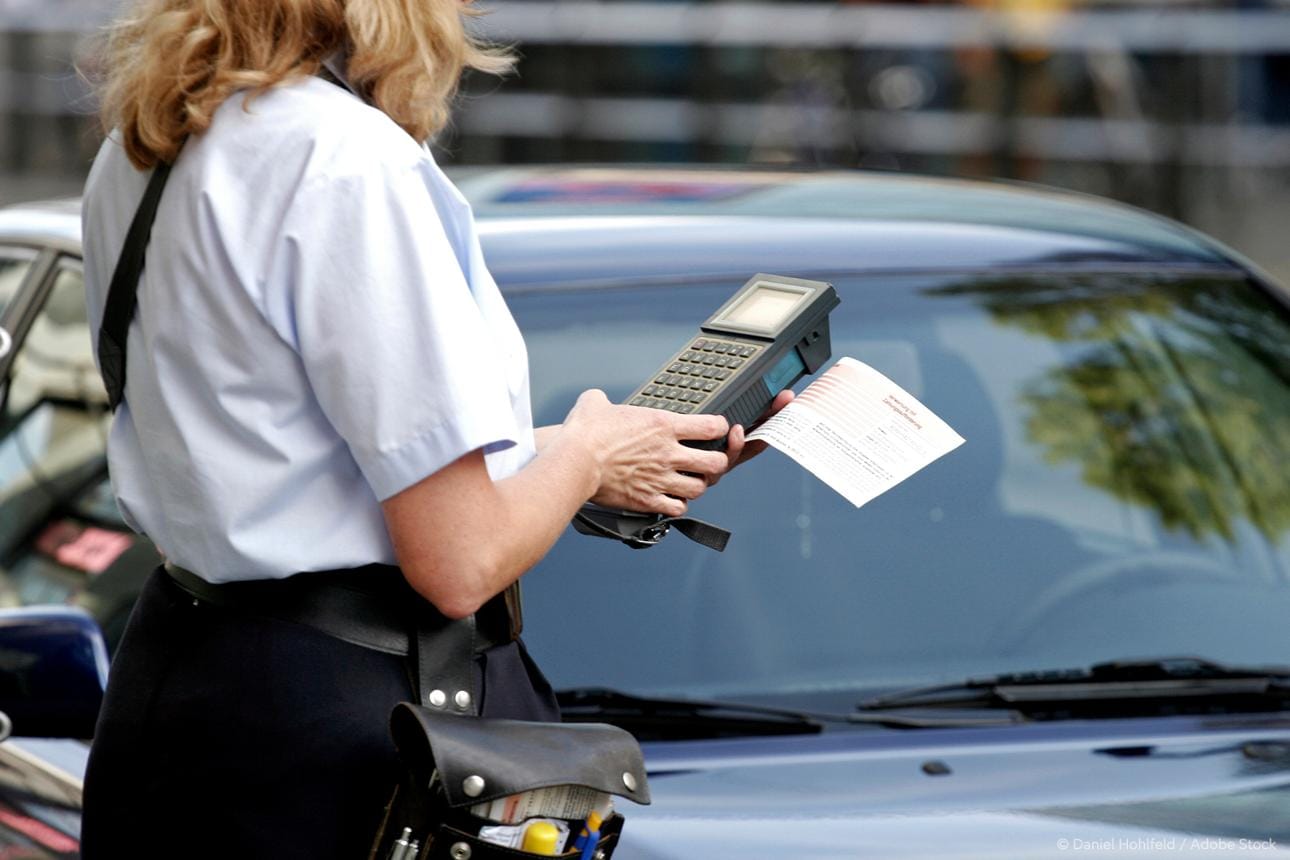
An Indian tourist has reportedly received a substantial traffic violation fine after visiting Switzerland nearly a year ago, highlighting the strict enforcement of road laws in the country.

According to reports shared on social media, the young woman traveled to Switzerland for tourism and later received a notice alleging that she had violated traffic regulations during her stay. The fine demanded is estimated to be around ₹1.5 lakh in Indian currency.

The incident gained attention after the tourist posted about it online, asking whether others had experienced similar situations. Several users responded, stating that such delayed fines are not uncommon in Switzerland and other European countries, including Germany and Italy.

Some travelers shared similar experiences where they received penalty notices months after returning from their trips abroad. In some cases, fines were significantly lower, while others reported unexpected charges linked to rental vehicles or road violations.

However, many users noted that Switzerland is known for its strict traffic laws and consistent enforcement. Authorities in European countries often track violations through automated systems such as speed cameras, toll systems, and rental car agreements, which can result in delayed notices being sent internationally.

Reports also suggest that such fines are typically non-negotiable once issued. Failure to pay may lead to increased penalties over time or legal complications in future travel within the region. Some users advised that installment payment options may sometimes be available depending on the issuing authority.

The incident serves as a reminder for international travelers to carefully follow local traffic rules when visiting foreign countries, especially in Europe where enforcement systems are highly automated and strictly regulated.

Swiss authorities are known for maintaining strong road safety standards, and penalties are often enforced without exceptions, reinforcing the importance of compliance for all visitors.

Gotthard Tunnel Traffic Jam Reaches 20km

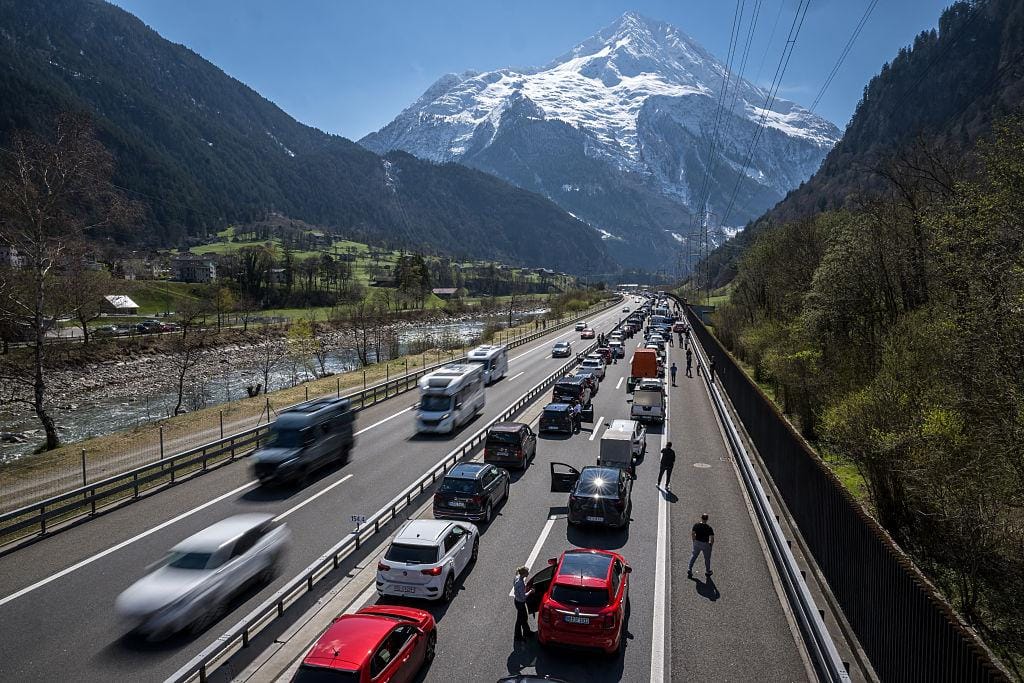
Heavy holiday traffic caused major congestion at Switzerland’s famous Gotthard Road Tunnel on Saturday, with the traffic jam at the northern entrance stretching to 20 kilometres by mid-morning.

According to the Touring Club Switzerland (TCS), drivers heading toward southern Switzerland faced delays of more than three hours and 20 minutes due to the severe congestion.

Traffic conditions worsened rapidly during the morning. In the early hours, the queue measured around 10 kilometres, but it doubled in length shortly before 10am as more vehicles entered the holiday travel routes during the Whitsun weekend.

Authorities also warned that alternative routes were experiencing heavy traffic. The A13 motorway via the San Bernardino Tunnel was already congested over a distance of approximately 17 kilometres.

The TCS advised travellers to consider diversions through the A9 Simplon route or use the Lötschberg car transport service to avoid the worst traffic conditions.

The Federal Roads Office (Astra) had already predicted exceptionally high traffic volumes during the long holiday weekend. Officials noted that the historic record at the Gotthard Tunnel remains 28 kilometres of congestion, recorded during the 2018 Whitsun period.

The Gotthard route is one of Europe’s most important north-south transport corridors and regularly experiences major congestion during peak holiday travel seasons.

Direct Train Between Switzerland and London Moves Closer to Reality

Plans for a direct train connection between Switzerland and London have taken an important step forward after a new agreement was signed between Swiss Federal Railways, SNCF Voyageurs, and Eurostar.

Swiss Federal Railways (SBB) confirmed that a memorandum of understanding (MoU) has now been signed with the French rail operators to support the future development of a direct Switzerland-to-London rail service.

The agreement follows an earlier cooperation deal signed in March between SBB and SNCF Voyageurs. Railway officials described the newly signed MoU as a major milestone for the international transport project.

According to Swiss Federal Railways, the next phase will focus on studying possible timetables, operational concepts, and technical requirements needed to launch the direct train service.

Any future direct rail connection between Switzerland and London would travel through France before crossing the English Channel using Eurostar’s existing infrastructure. Eurostar has operated international rail services between continental Europe and the United Kingdom for more than 30 years.

Transport experts believe the proposed route could provide a faster, greener, and more convenient alternative to short-haul flights between Switzerland and the UK. The project also supports Europe’s growing focus on sustainable travel and environmentally friendly transportation systems.

Although no official launch date has been announced, the latest agreement brings the long-discussed Switzerland-London direct rail connection one step closer to becoming a reality.