Indian Regulator Targets Owner of Swiss Gold Refinery Valcambi

A major financial controversy has emerged involving Rajesh Exports, the Indian company that owns Switzerland-based gold refinery Valcambi. India’s stock market regulator has accused the company of significant accounting irregularities and claims that its turnover may have been overstated by approximately $159 billion (CHF 127 billion) over several years.

In a provisional ruling released on Wednesday, the regulator stated that Rajesh Exports allegedly presented an inflated and misleading picture of its financial strength and business scale. As part of the action, Chief Executive Officer and majority shareholder Rajesh Mehta has been temporarily barred from trading shares of the company until further notice.

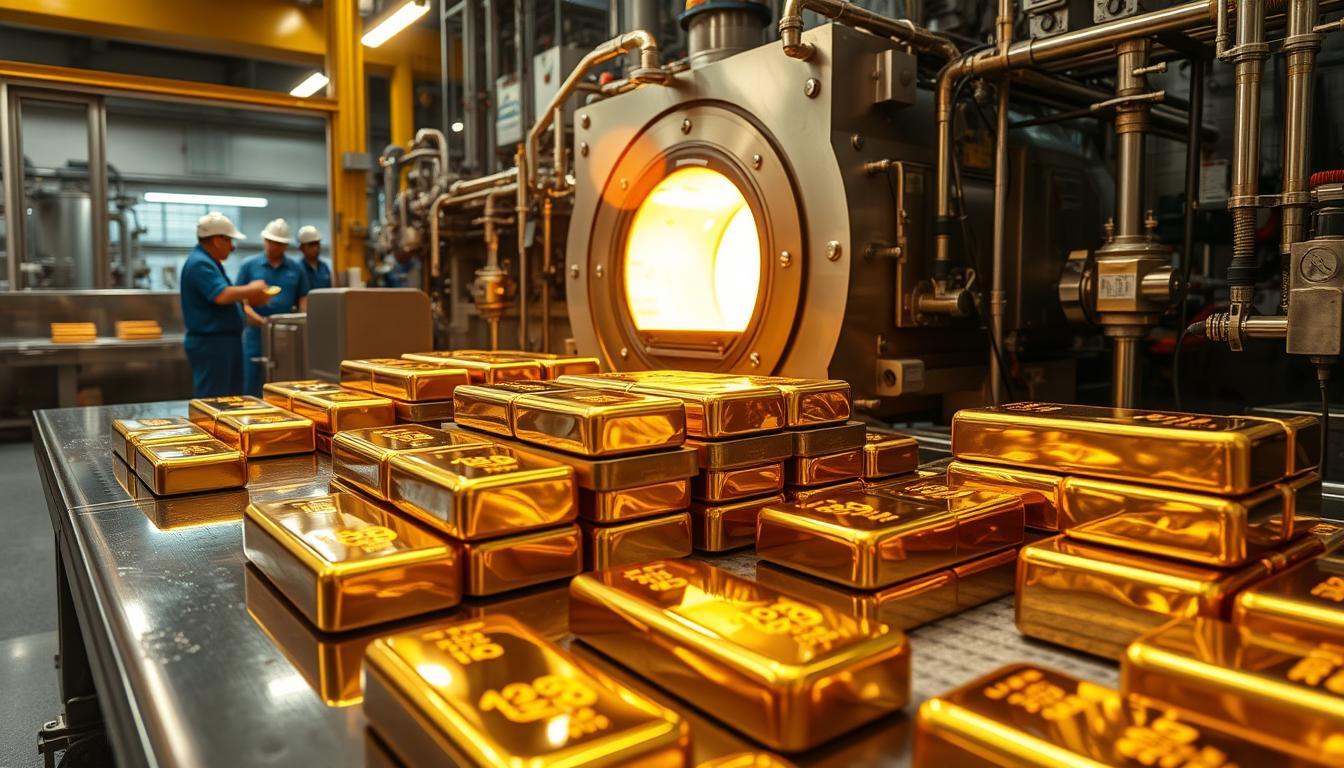
The investigation centers on Valcambi, one of the world’s most recognized gold refineries, located in Ticino, Switzerland. Rajesh Exports acquired Valcambi in 2015 for approximately $400 million. According to the regulator, a large portion of the group’s reported revenue originated from foreign subsidiaries, particularly the Swiss refinery.

Authorities criticized the company for failing to disclose important financial information related to Valcambi and several other overseas subsidiaries. Regulators noted that Valcambi’s audited financial statements reportedly showed substantially lower sales figures than those reflected in the group’s consolidated accounts.

The regulator believes these discrepancies may indicate that the overall operational size and turnover of the company were significantly overstated for an extended period. The investigation began in 2024 after a shareholder submitted a formal complaint regarding the company’s financial reporting practices.

Importantly, the ruling does not accuse Valcambi itself of any wrongdoing. The allegations currently focus on Rajesh Exports and its management team. The Swiss refinery has not been directly implicated in the accounting concerns raised by Indian authorities.

The case is expected to attract significant attention from investors, financial regulators, and the global precious metals industry as further details emerge in the coming months.


US Proposes New Tariffs on Swiss Goods Over Forced Labour Concerns

The United States has announced plans to impose new tariffs of 12.5% on Swiss imports linked to allegations of goods produced using forced labour, escalating trade tensions between the two countries.

The move is part of a broader trade policy initiative under the US administration, which targets around 60 trading partners, including Switzerland. The US argues that affected countries have not done enough to prevent imports of products linked to forced labour practices.

According to a report from the US Trade Representative, Switzerland is among 54 economies that allegedly lack a clear legal ban on such imports. As a result, Washington is considering additional tariffs on 45 of these countries, including Switzerland.

However, certain products such as semiconductors, coffee, beef, and fruit would be excluded from the proposed tariff measures.

Other countries facing similar or lower tariff proposals include the European Union, Canada, the United Kingdom, Mexico, Indonesia, Pakistan, and several Asian and Latin American nations.

The proposal is still under review, but it signals increased pressure on Switzerland’s export-driven economy, particularly in sectors linked to global supply chains.

Swiss authorities have not yet issued an official response, but the issue is expected to be discussed further in upcoming trade negotiations.

Swiss Economy Records Strong Growth in Early 2026 Despite Global Challenges

Switzerland’s economy showed stronger-than-expected growth during the first quarter of 2026 despite rising oil prices and ongoing global trade uncertainties. According to the latest flash estimate released by the Swiss State Secretariat for Economic Affairs (SECO), the country’s real seasonally adjusted gross domestic product (GDP) increased by 0.5% compared to the previous quarter.

The positive economic performance came from growth in both the industrial and service sectors. Economists had predicted a lower increase of between 0.3% and 0.4%, making the latest figures a positive surprise for the Swiss economy. During the final quarter of 2025, Switzerland’s GDP had grown by only 0.2%, while the previous quarter experienced a 0.5% decline due to international tariff disputes and trade tensions.

GDP Growth=0.5%GDP\ Growth = 0.5\%GDP Growth=0.5%

SECO economic expert Felicitas Kemeny explained that confidence in the economy has improved in recent months. She stated that reduced tariffs and slight economic recovery in Germany helped support Swiss economic activity. Several economic indicators also pointed toward stronger business confidence and stable consumer activity across Switzerland.

Although oil prices increased significantly during March, analysts noted that confidence indicators remained relatively stable. This has created optimism that Switzerland may maintain positive economic momentum in the short term. However, uncertainty still exists because global energy prices and international trade conditions continue to affect economic forecasts worldwide.

The Swiss government currently expects economic growth of around 1.0% for 2026 under its main scenario. If oil prices remain elevated for a longer period, experts believe growth could slow slightly to around 0.8%. SECO will release the detailed GDP report on June 1, which will provide more information about the performance of individual sectors within the Swiss economy.

Switzerland continues to demonstrate resilience despite global economic pressure, inflation concerns, and international market instability. Economists believe the country’s diversified economy, stable financial system, and strong industrial base continue to support steady economic growth during uncertain times.

Swiss President Criticises EU Steel Tariffs as Harmful

Swiss President Guy Parmelin has strongly criticised new steel tariffs approved by the European Union, calling the measures “counterproductive” and harmful to European supply chains.

Speaking to Swiss public broadcaster SRF, Parmelin said he had already warned European Commission President Ursula von der Leyen that the tariffs could become an “own goal” for Europe.

The EU plans to introduce stricter protections for its steel sector starting July 1, including a major reduction in duty-free steel import quotas. Swiss steel producers are expected to be affected by the changes despite Switzerland’s close economic integration with European manufacturing industries.

Parmelin argued that Switzerland plays a crucial role in European industrial supply chains, particularly in sectors such as aerospace and advanced manufacturing. He warned that restricting Swiss steel imports could negatively impact European companies that depend on Swiss materials and components.

The Swiss government and the European Commission are now expected to negotiate updated import quotas through the framework of the World Trade Organization.

The Swiss president also expressed frustration over new EU rules concerning unemployment benefits for cross-border workers. Under the proposed regulation, unemployed cross-border workers would receive benefits from the country where they last worked instead of their country of residence.

According to Switzerland’s State Secretariat for Economic Affairs (SECO), the change could cost Switzerland up to CHF900 million annually. Parmelin described the move as unhelpful and said he was surprised that the EU had raised several sensitive issues while Switzerland and the EU were still discussing broader agreements on bilateral relations.

At the same time, Switzerland’s trade discussions with the United States are also facing difficulties. Parmelin noted that uncertainty surrounding a recent US Supreme Court decision on presidential tariff powers has complicated negotiations between Bern and Washington.

Swiss officials are still awaiting a formal response from the US regarding Switzerland’s trade proposals. Analysts say the situation highlights the increasing pressure facing Switzerland as it navigates complex trade relationships with both the EU and the United States.

How Switzerland Became the World’s Second-Largest Coffee Exporter

Switzerland has become one of the most surprising leaders in the global coffee export market, despite not producing a single coffee bean due to its climate. Today, it ranks as the second-largest coffee exporter in the world, only behind Brazil.

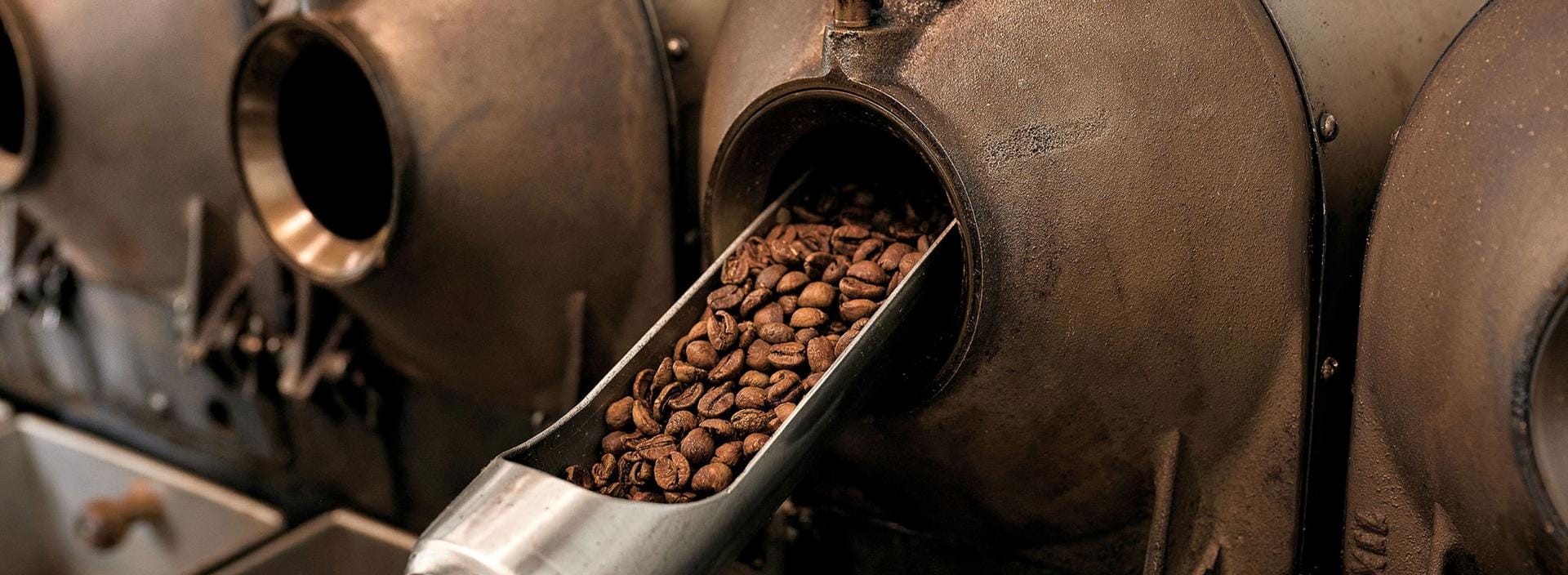
The success is driven not by cultivation, but by high-value processing and re-exporting. Green coffee beans are imported into Switzerland at relatively low prices and then transformed into premium roasted products for global markets. According to research from the University of St. Gallen, raw coffee beans are imported at around $5 per kilogram, while processed exports can reach up to $26.80 per kilogram.

This massive value addition has made coffee Switzerland’s most important agricultural export, even surpassing traditional Swiss products such as cheese and chocolate in total export share.

A major contributor to this industry is global food and beverage giant Nestlé, which has built a strong global coffee ecosystem through brands like Nespresso and Nescafé. Switzerland has also become a key hub for trading, roasting, packaging, and distribution of coffee to international markets.

Experts say Switzerland’s success lies in its strong logistics infrastructure, political stability, financial systems, and high-tech food processing capabilities. These advantages allow companies to import raw materials, add value through advanced processing, and re-export finished goods efficiently.

However, the story of Swiss coffee dominance also has a complex side. While Switzerland profits significantly from coffee trading, most coffee is grown in developing countries where farmers often receive only a small portion of the final retail value. This global imbalance has sparked ongoing discussions about fairness in the coffee supply chain.

Today, Switzerland’s coffee industry stands as a powerful example of how a country can dominate global trade not through raw production, but through innovation, branding, and value-added processing.

Ebookers to Shut Down Swiss Travel Platform in September

Ebookers will officially close its Swiss operations later this year, ending its travel booking services in Switzerland from September 2, 2026.

The online travel provider confirmed on its website that its Swiss website, mobile application, and Bonus+ loyalty programme will all be discontinued in early September.

Customers can continue making bookings through Ebookers until the shutdown date. However, the company stated that any trips booked between June 12 and September 2, 2026, must be completed by November 1, 2026.

The closure affects all travel-related services offered by Ebookers in Switzerland, including hotel reservations, flights, holiday packages, car rentals, and activity bookings.

Existing reservations will still be eligible for changes or cancellations under normal conditions. After September 2, hotel bookings connected to Ebookers will continue through Hotels.com, which belongs to the same corporate group.

Both Ebookers and Hotels.com operate under the US-based travel company Expedia Group.

Swiss media outlet Blick first reported the closure of Ebookers’ Swiss services. The company has not publicly explained the reasons behind the decision to exit the Swiss market.

The move comes amid increasing competition in the online travel sector and changing consumer booking habits across Europe.

Rare Watch Auction in Geneva Breaks Records with CHF33 Million in Sales

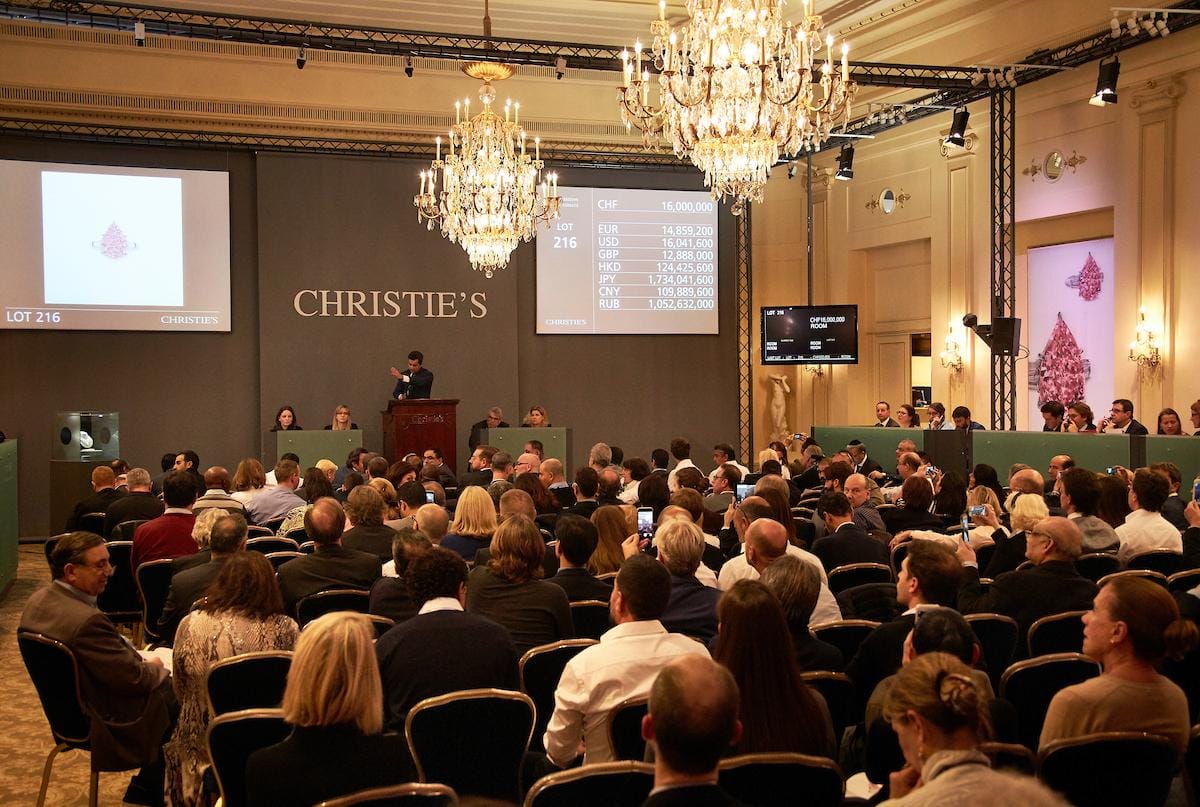
A luxury watch auction in Geneva has set a new sales record after collectors spent more than CHF33 million on rare timepieces during a major event organised by Christie’s.

The “Rare Watches” auction achieved total sales of CHF33,054,441, marking the highest amount ever generated by Christie’s for a multi-owner watch auction. The event also recorded a remarkable 99% sale rate per lot, with average final prices reaching 188% above their minimum estimates.

One of the standout pieces was the highly sought-after Cartier Crash London watch from 1990, which sold for CHF1,585,000 — more than triple its initial estimate and a new world record for the model.

The most expensive item of the auction was the extremely rare F.P. Journe Platinum Tourbillon Souverain Ref. T, which sold for CHF2,439,000. Originally introduced at Baselworld in 1999, the watch attracted intense interest from international collectors.

Another major highlight included the Patek Philippe Tiffany Blue Nautilus Ref. 5711/1A-018, which sold for CHF1,270,000. A rare Patek Philippe Ref. 3970EP-047 previously owned by American entertainment executive Michael Steven Ovitz also exceeded expectations, reaching CHF1,016,000.

According to Christie’s, the auction attracted strong international participation. Buyers from Europe, the Middle East, and Africa accounted for 44% of sales, while Asia-Pacific represented 19% and the United States 28%. Around 30% of participants were new customers to Christie’s auctions.

Remi Guillemin said the results demonstrate continued confidence in the global luxury watch market and growing demand for rare collector timepieces.

The auction also recorded strong performances for brands such as Audemars Piguet, A. Lange & Söhne, Daniel Roth, and Krayon, reflecting broad interest across the premium watch industry.

Switzerland Ranks 3rd Globally in R&D Intensity

Switzerland continues to strengthen its position as a global innovation hub, with major companies ranking among the world’s top investors in research and development (R&D), according to a new EY study published on Tuesday.

The analysis of the world’s 500 largest corporate R&D spenders shows that Swiss firms achieved the third-highest research intensity globally in 2025, measured by the ratio of R&D spending to revenue. Only companies in the United States and the Netherlands ranked higher.

Swiss corporations recorded an average R&D intensity of 8.4%, significantly above the European average of 6.7%, although still below the United States, which leads with 9.2%.

In total, Swiss companies invested approximately €34 billion (CHF 31.2 billion) in innovation last year, placing Switzerland sixth worldwide in total R&D expenditure.

The study highlights the strong contribution of Basel-based pharmaceutical giants. Roche remains one of the world’s leading investors in innovation, spending €14.3 billion on R&D. Novartis also plays a key role, investing €9.9 billion and ranking among the top global companies.

According to EY analysts, medicines continue to be the most research-intensive industry worldwide, reflecting the importance of pharmaceutical innovation in Switzerland’s economy.

However, the report also highlights a growing gap between Europe and the United States. While American companies increased R&D spending by 12% in 2025, European firms saw only a 5% increase, with relatively stagnant revenue growth.

At the global level, technology giants dominate absolute R&D spending. Companies such as Amazon, Alphabet (Google), and Meta (Facebook) lead the rankings, with Amazon alone investing more than €96 billion, largely driven by artificial intelligence development.

EY concludes that global companies are prioritising innovation more than ever, with R&D budgets growing faster than overall revenues. This trend reinforces the importance of research investment in maintaining long-term competitiveness.