

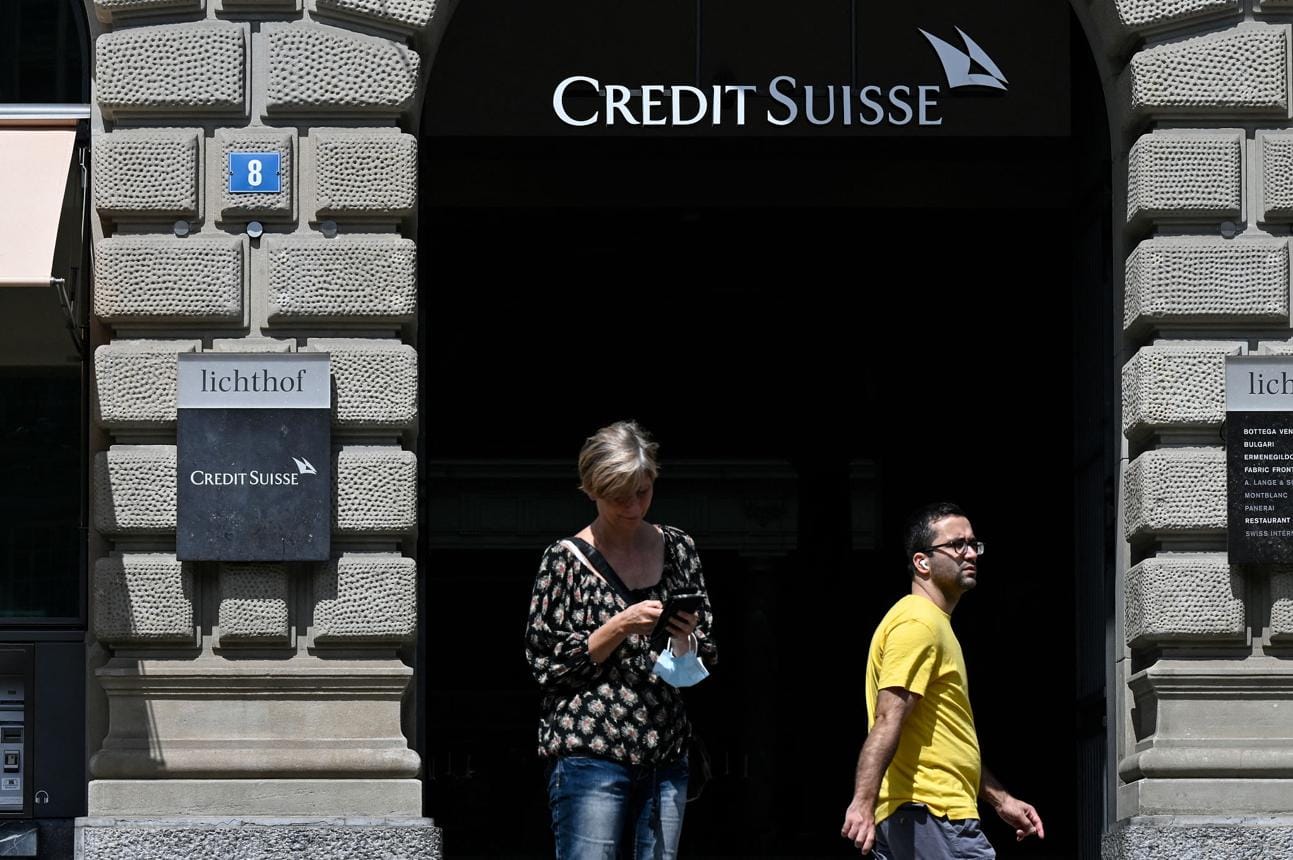
Swiss Bank Stops Loan Access for Refugees.

A well-known Swiss bank has reportedly ended loan facilities for individuals holding refugee status in Switzerland. The decision has sparked discussion among community groups, financial experts, and refugee support organizations regarding access to essential financial services.

Banks in Switzerland regularly review their lending policies based on risk assessments, regulatory requirements, and internal business strategies. Changes to loan eligibility criteria can affect specific customer groups, including foreign nationals and individuals with different residence permit categories.

The reported move has raised concerns among refugee communities who rely on financial products to support education, housing, transportation, and small business activities. Advocates argue that access to responsible credit plays an important role in helping individuals integrate into Swiss society and achieve financial stability.

Supporters of stricter lending policies, however, point out that banks must manage financial risks carefully and comply with regulatory obligations. Financial institutions often evaluate factors such as income stability, employment status, residency conditions, and repayment capacity before approving loans.

The development highlights the ongoing debate between financial risk management and equal access to banking services in Switzerland. Further clarification from the bank and relevant authorities may provide additional details regarding the scope and impact of the policy change.
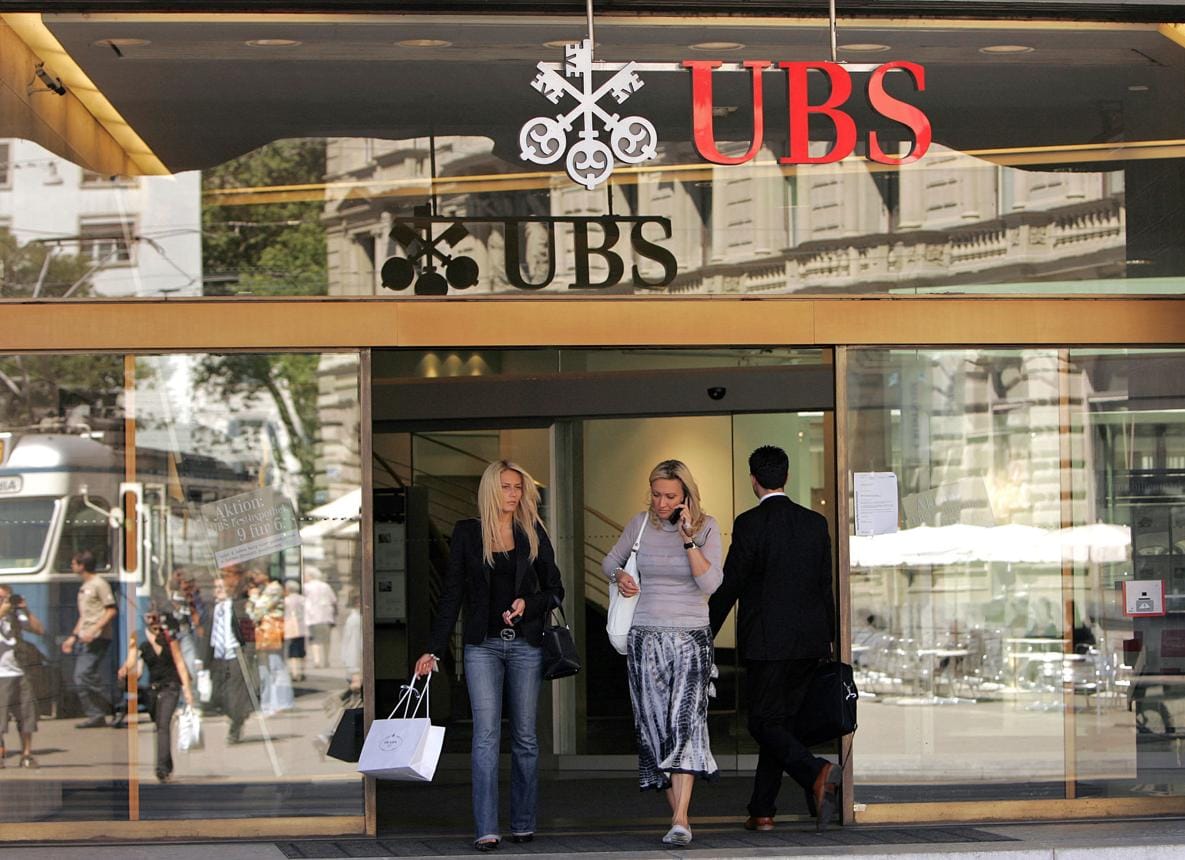

UBS Cleared in Archegos Case

The United States Federal Reserve has officially lifted the enforcement measures imposed against UBS and the former Credit Suisse over the collapse of the Archegos hedge fund scandal.

According to the Federal Reserve, the restrictions introduced in 2023 were related to serious organisational and risk-management failures discovered within Credit Suisse during the collapse of Archegos Capital Management in 2021. The incident became one of the biggest financial disasters in the bank’s history.

In 2023, the Federal Reserve fined Credit Suisse and UBS a combined $268.5 million after identifying weaknesses in supervision, liquidity management, internal controls, and data management systems. Regulators also demanded major improvements to the banks’ compliance and oversight structures.

The enforcement action was coordinated with international financial regulators. Britain’s Prudential Regulation Authority imposed an additional £87 million fine, while Switzerland’s financial regulator FINMA ordered corrective measures after uncovering serious operational failures within Credit Suisse.

The collapse of Archegos Capital Management in March 2021 had a devastating impact on several international financial institutions. However, Credit Suisse suffered the largest losses among all affected banks. The scandal reportedly cost the Swiss bank nearly CHF5 billion and severely damaged investor confidence.

Archegos was managed by investor Bill Hwang, whose highly leveraged investment strategy triggered massive losses across global markets after the hedge fund collapsed.

Financial analysts widely view the Archegos crisis as one of the key events that accelerated the downfall of Credit Suisse before its emergency takeover by UBS in 2023. Since then, UBS has continued integrating Credit Suisse operations while working closely with global regulators to strengthen compliance systems.

The Federal Reserve’s decision to remove the measures suggests regulators are satisfied with the corrective actions taken by UBS following the acquisition and restructuring process.

Why Some Swiss Banks Avoid U.S. Citizens: The FATCA Effect Explained

Many people believe that citizens of the United States cannot open bank accounts in Switzerland. However, this is not entirely true. While it is possible for U.S. citizens to hold Swiss bank accounts, many Swiss banks choose not to accept them due to strict international tax regulations and compliance risks.

The main reason behind this situation is the U.S. law known as FATCA (Foreign Account Tax Compliance Act), introduced in 2010. This law requires all foreign banks to report financial information of U.S. citizens to the Internal Revenue Service (IRS). If banks fail to comply, they may face heavy penalties or restrictions from the U.S. financial system.

As a result, Swiss banks face significant operational challenges. One major issue is the increased administrative burden. Banks must collect additional tax documentation, maintain detailed reporting systems, and implement complex compliance software to track U.S. account holders.

Another concern is legal risk. Even small reporting errors can result in serious financial penalties. To avoid this risk, some banks prefer not to onboard U.S. clients at all and clearly state policies such as “U.S. persons not accepted.”

Historically, Switzerland was known for strong banking privacy laws. However, international pressure—especially from the U.S.—has significantly reduced banking secrecy. Investigations involving major banks like UBS played a major role in changing Swiss banking compliance rules.

Additionally, U.S. citizens are subject to worldwide taxation, meaning they must report global income regardless of where they live. This creates further reporting complexity for foreign banks handling their accounts.

Despite these challenges, not all Swiss banks reject U.S. citizens. Some institutions, including major banks and financial service providers such as PostFinance, may still allow accounts under strict conditions. These often include higher minimum balances, additional tax forms, enhanced compliance checks, and certain investment restrictions.

In summary, the issue is not discrimination against U.S. citizens. Instead, it is the result of strict U.S. tax laws, compliance costs, and regulatory risks that make it difficult for many Swiss banks to offer services to American clients.