


AI Helps Understand Pet Communication.

Artificial intelligence technology continues to expand into everyday life, and now it is entering the world of pet communication.

A Chinese technology company called Meng Xiaoyi has introduced a new AI-powered smart collar designed to help pet owners understand the sounds and emotions of their pets.

The device, named PettiChat, uses advanced AI models developed through Alibaba Cloud’s Qwen AI technology. The system was trained using more than 1.5 million real-world pet sound samples and over 3,200 hours of annotated pet video data collected with the support of veterinarians and volunteers.

When attached to a dog or cat’s collar, the device analyzes sounds, emotional signals, and behavior patterns with AI assistance. It then converts the interpreted meaning into text and sends it directly to a connected smartphone application.

For example, if a cat looks upward and meows repeatedly, the AI system may translate the behavior as “I want to play.”

The smart collar weighs only 27.2 grams and also includes GPS tracking features, allowing owners to monitor their pets’ locations in real time.

According to the company, a single one-hour charge can support more than 1,000 “sentence translations,” making the device practical for daily use.

The company announced that the product will officially launch on May 30. Reports indicate that more than 10,000 customers have already pre-ordered the device ahead of release.

The AI collar is priced at 799 yuan, approximately ₹11,000 in Indian currency. While many technology enthusiasts are excited about the innovation, social media users continue debating how accurate the translations will be in real-world situations.
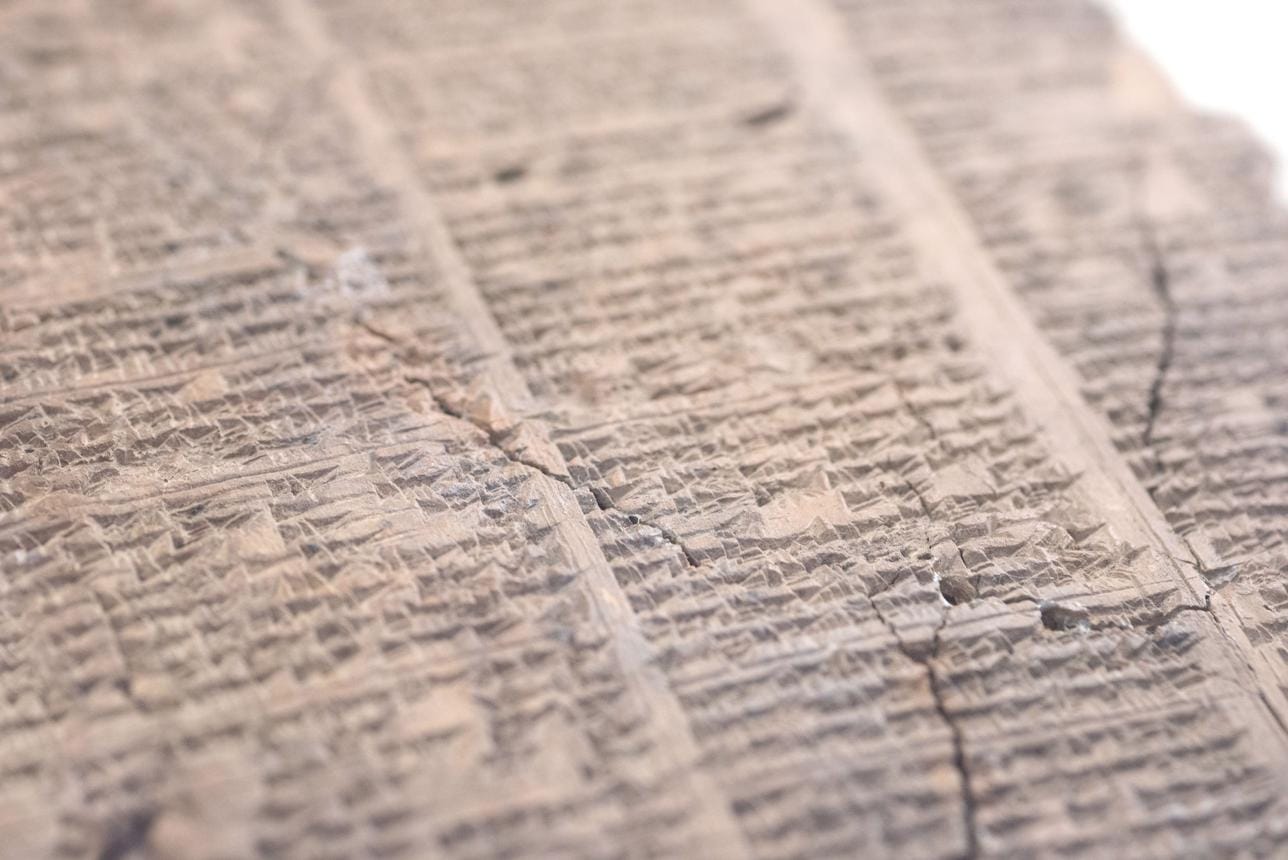
AI Helps Decode Ancient Cuneiform Tablets.

Researchers in Germany have developed an advanced artificial intelligence system capable of helping historians decode thousands of ancient clay tablets that remained difficult to study for decades.

Many of these historical tablets were discovered broken, damaged, or faded and had been stored in museums and research centers around the world for years. Even experienced experts often struggled to read or reconnect the fragmented writings.

A new AI tool called “Palaeographicum,” developed by researchers from University of Würzburg and the Mainz Academy of Sciences and Literature, is now transforming the study of ancient texts.

The AI system identifies tiny handwriting differences found in cuneiform inscriptions, one of the world’s oldest writing systems. Tasks that previously required several days of expert analysis can now be completed within minutes.

Cuneiform writing was widely used around 3,500 years ago by the Hittite civilization to record laws, trade agreements, royal communications, and political records.

Because many tablets were broken and scattered across different museums globally, reconstructing and connecting related pieces became a major historical challenge.

The new AI technology analyzed nearly 70,000 photographs containing approximately five million cuneiform symbols. By studying writing patterns, the system can identify the handwriting style of individual ancient scribes and determine which tablets were likely created in the same location.

Researchers say the technology can also estimate the historical period of undated tablets by examining writing styles. This allows historians and archaeologists to uncover historical connections much faster than before.

Although human expertise remains essential, researchers believe AI significantly improves both speed and accuracy in ancient text analysis. The breakthrough could reveal thousands of hidden stories buried for centuries within ancient civilizations.