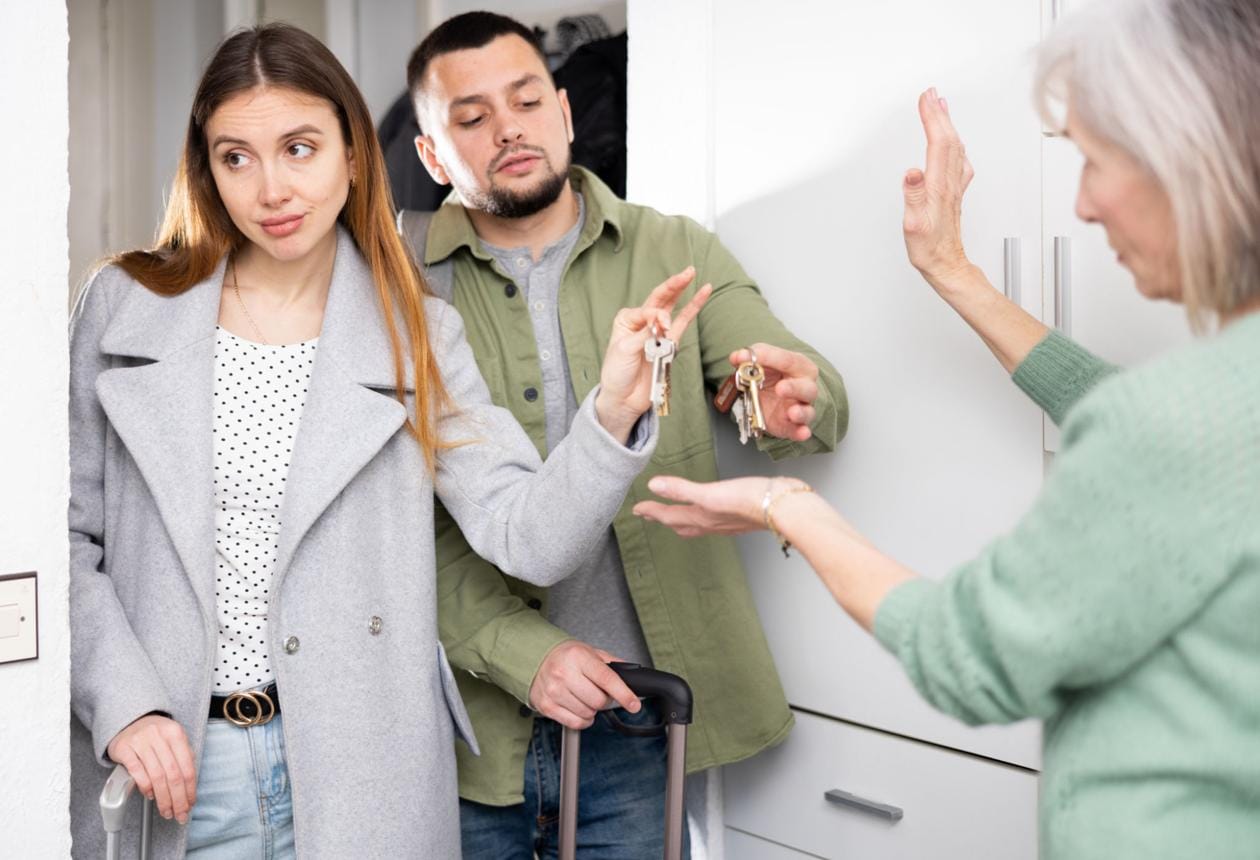

8 Things Landlords in Switzerland Are Legally Not Allowed to Ask Tenants.
Finding a rental home in Switzerland can be challenging, and tenants often feel pressured to accept strict conditions. However, Swiss tenancy law provides strong protections that clearly define what landlords can and cannot demand from tenants.
Under Swiss rental regulations, landlords are not allowed to impose or request several types of information or conditions that violate privacy, equality, or legal boundaries.
Here are 8 things landlords in Switzerland cannot legally ask tenants to provide or accept:
1. Excessive personal data
Landlords cannot request unnecessary personal details such as detailed lifestyle habits or unrelated private information beyond rental needs.
2. Religious or political affiliation
Tenants cannot be asked about their religion, political views, or ideological beliefs.
3. Ethnicity or nationality discrimination
Although identification is required, landlords cannot use nationality or ethnicity to discriminate in rental decisions.
4. Medical or health information
Landlords are not allowed to request medical history or health conditions of tenants.
5. Unreasonable financial guarantees
Demands for excessive deposits beyond legal limits (typically more than three months’ rent) are not permitted under Swiss law.
6. Permanent employment requirement without flexibility
While income verification is allowed, landlords cannot impose unrealistic employment conditions that exclude otherwise financially stable applicants.
7. Personal relationship or family planning details
Questions about marriage plans, pregnancy, or family intentions are not allowed.
8. Illegal clauses in rental contracts
Any contract terms that violate tenant protection laws—such as waiving legal rights—are not enforceable.
Swiss tenancy law is designed to ensure fairness between landlords and tenants while protecting privacy and preventing discrimination. Even in competitive housing markets, landlords must comply with strict legal frameworks.
Tenants who feel their rights have been violated can seek help from tenant associations or legal authorities in Switzerland.