Parental Stress Becomes Major Mental Health Issue in Switzerland.

A new study conducted by AXA Switzerland has found that parental responsibility is becoming one of the leading causes of mental health challenges among adults in the country, surpassing even financial and workplace stress in its overall impact.

According to the findings, around one in four adults in Switzerland is currently affected by some form of mental health issue. The report highlights a growing concern about emotional well-being across different age groups.

Young adults between the ages of 18 and 24 are identified as the most affected group, with approximately 39% reporting mental health challenges. Experts suggest that uncertainty about education, careers, and personal life may be contributing factors.

The study also revealed a significant rise in mental health-related disability insurance claims, which have increased by nearly 78% over the past four years. This indicates a growing long-term impact on Switzerland’s workforce and social systems.

Researchers and experts point out that parenting responsibilities are placing increasing pressure on adults, especially those trying to balance work, childcare, and financial stability in a high-cost living environment.

For expatriate families living in Switzerland, the challenge is often greater due to the lack of extended family support systems. Many parents face additional emotional and logistical pressure while raising children in isolation from relatives.

Mental health professionals emphasize that this trend reflects broader societal changes, including increased work demands, rising living costs, and evolving family structures.

The study calls for stronger mental health support systems, including better access to counseling services, workplace flexibility, and family support programs to help reduce parental stress.

As mental health discussions continue to grow in Switzerland, experts stress that early intervention and community-based support will be essential in addressing the rising emotional burden on families.

Swiss Scientists Discover New Target for Treating Blindness.

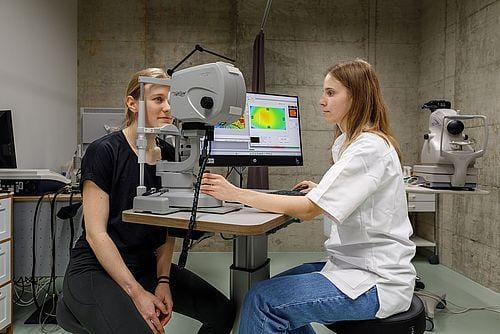
Researchers led by the University of Fribourg in Switzerland have identified a promising new biological target that could lead to improved treatments for age-related macular degeneration (AMD), one of the leading causes of blindness worldwide.

The study focuses on restoring the eye’s natural cellular recycling system, which plays a critical role in maintaining retinal health. Scientists believe that failure in this system is a key driver of vision loss as people age.

AMD primarily damages photoreceptors and retinal pigment epithelial cells, which are essential for clear central vision. When these cells deteriorate, patients gradually lose the ability to see fine details, significantly affecting daily life.

The Swiss research team, led by experts in cellular biology, investigated a process known as chaperone-mediated autophagy (CMA). This system normally helps cells remove damaged proteins and maintain internal balance, but it becomes less effective with age.

According to the findings, CMA activity is crucial for retinal health, and its breakdown may directly contribute to the development of AMD. By identifying this mechanism, researchers have uncovered a potential “control point” for future therapies.

The study also explored an experimental molecule known as CA77.1, which was designed to reactivate the cell’s waste-clearing system. In laboratory models, activation of this pathway reduced inflammation and slowed cellular degeneration linked to vision loss.

Tests on cells derived from AMD patients showed improved cellular stability when the recycling mechanism was strengthened. Scientists say this suggests a new direction in treatment strategies that focus on restoring natural cell function rather than only managing symptoms.

Age-related macular degeneration affects millions globally, with risk increasing significantly after the age of 50. In older populations, the disease becomes a major cause of irreversible central vision loss, creating an urgent need for innovative therapies.

Researchers believe that targeting cellular aging mechanisms could open the door to future treatments that preserve or even restore vision. While the findings are still in early stages, they represent a significant step forward in ophthalmology research.

Switzerland continues to strengthen its position as a leading hub for medical and life sciences innovation, with this study offering new hope for addressing age-related blindness in the future.

Switzerland Moves to Limit Junk Food Ads Targeting Children.

The Swiss government is planning new measures to reduce advertising of unhealthy foods targeting children under the age of 13, in an effort to improve long-term public health outcomes. The initiative focuses on limiting exposure to ads for products high in sugar, fat, and salt across multiple media platforms.

The proposal was presented by the Federal Food Safety and Veterinary Office in Bern during discussions with representatives from the food and advertising industries. Authorities aim to establish a self-regulation framework rather than an immediate legal ban.

Under the proposed system, restrictions would apply to advertising channels that directly reach children, including television, social media, online games, websites, and outdoor advertisements near schools. Products such as sugary drinks, chocolate, and salty snacks would be restricted from targeted marketing toward young audiences.

The guidelines are expected to align with the nutritional profiling model developed by the World Health Organization, ensuring that products considered unhealthy under international standards are covered by the restrictions. The government also plans to monitor compliance to ensure that self-regulation is effectively implemented across the industry.

Officials emphasize that advertising significantly influences children’s eating habits, often encouraging the consumption of high-calorie, low-nutrition foods. With around one in five children in Switzerland currently affected by overweight or obesity, authorities say stronger preventive measures are necessary to protect long-term health.

Health experts warn that early dietary habits formed in childhood can strongly affect adult health, increasing the risk of diseases such as diabetes and cardiovascular conditions. The proposed policy aims to encourage healthier food environments during childhood development.

The food and advertising industry has been given until mid-July to confirm participation in the self-regulation plan and agree to the required standards

Crans-Montana Fire Rescue Team Wins International SAR Award.

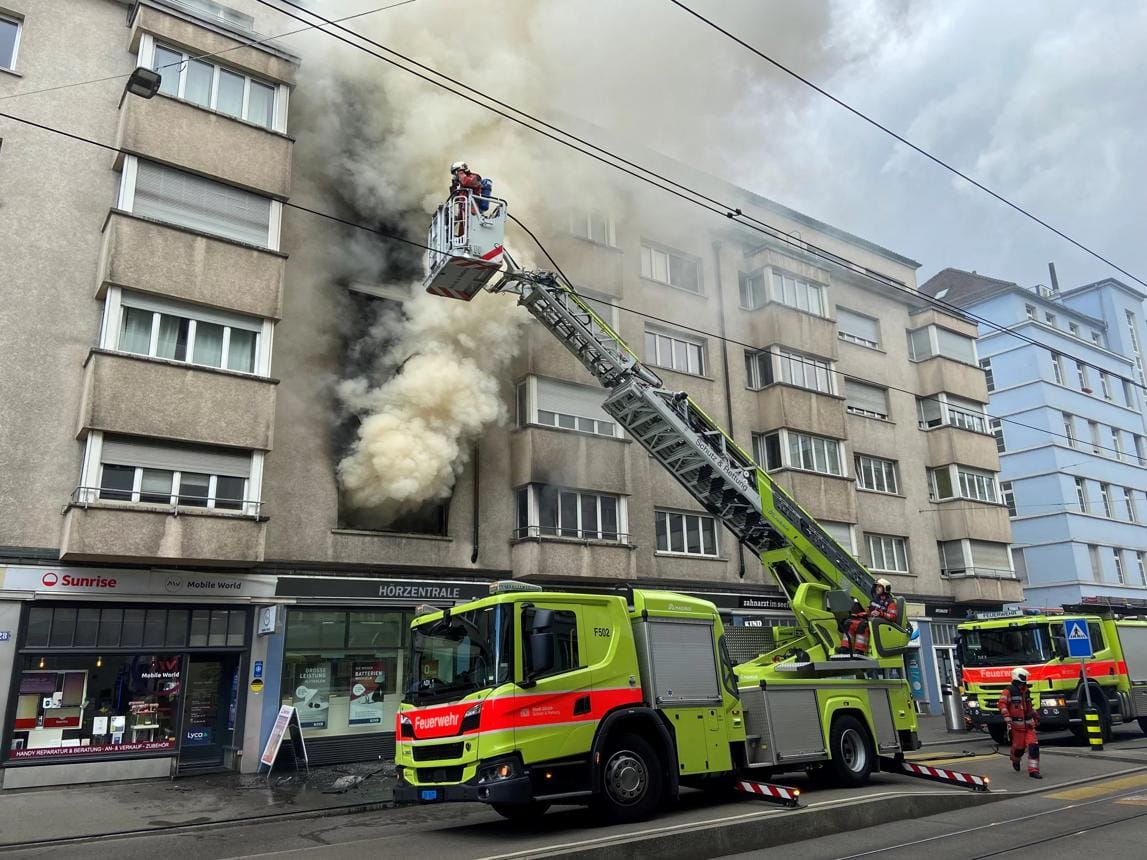
The emergency response teams involved in the Crans-Montana bar fire in Switzerland have received international recognition, winning the “Search and Rescue Mission of the Year” award for their coordinated life-saving operation.

The award was presented in London on May 15 to around 250 health and emergency service personnel who responded to the deadly fire on January 1. The incident required a large-scale, multi-agency rescue effort under extremely challenging conditions.

Organizers said the award recognizes a dramatic operation that had a profound impact on both victims and first responders. It highlights the professionalism and coordination of all teams involved in managing the crisis.

The Valais Cantonal Rescue Organisation (KWRO) played a central role in coordinating the response. The operation brought together emergency call services, ambulance teams, air rescue units, emergency physicians, and hospital services in a highly integrated system.

Officials described the response as “unusually large in scale,” emphasizing the effectiveness of the Valais emergency model in handling mass casualty incidents.

The recognition comes amid ongoing legal and investigative scrutiny related to the fire, but authorities say the award specifically honors operational excellence and teamwork during the emergency response.

Switzerland Ranks Near Bottom in Europe for Tobacco Control.

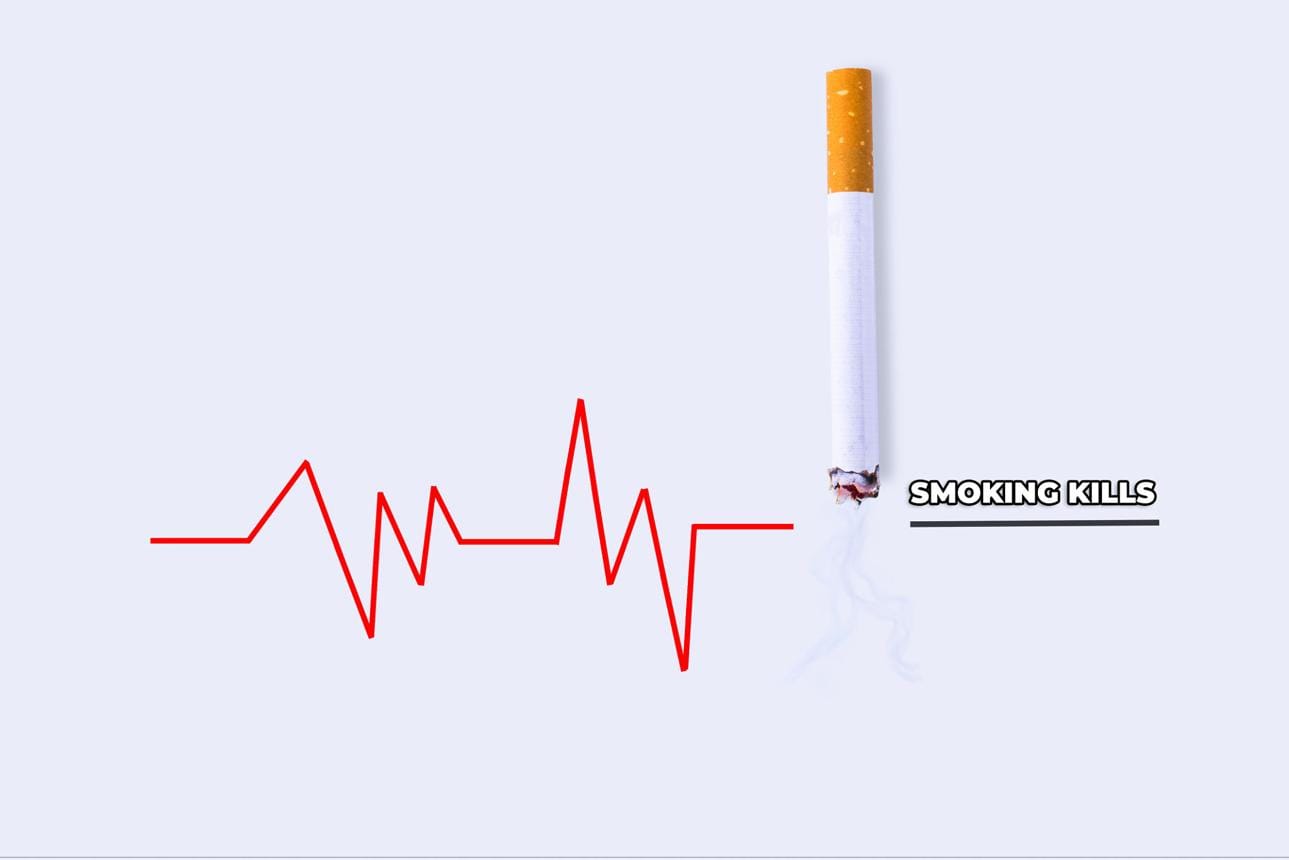
Switzerland ranks among the worst-performing countries in Europe for tobacco control, according to a new report published by the Swiss Association for Tobacco Prevention (AT).

The index places Switzerland second from last out of 37 European countries assessed, highlighting significant gaps in smoking prevention policies compared to other nations.

Only Bosnia and Herzegovina scored lower in the ranking. Meanwhile, Ireland, the United Kingdom, and the Netherlands topped the list as the strongest performers in tobacco control measures.

The report groups Switzerland with several Eastern European countries, as well as Italy and the Balkans, reflecting its relatively weak regulatory framework on smoking compared to its Western European peers.

Among neighbouring countries, France ranked highly at 4th place, while Austria placed 22nd and Germany 25th, both significantly ahead of Switzerland’s 36th position.

The findings suggest that Switzerland continues to lag behind in implementing strict tobacco regulations, including measures related to smoking bans, advertising restrictions, and prevention policies.

Health experts argue that stronger public health strategies are needed to reduce smoking rates and improve long-term health outcomes across the country.

WHO Flags High Regional Risk for Ebola?

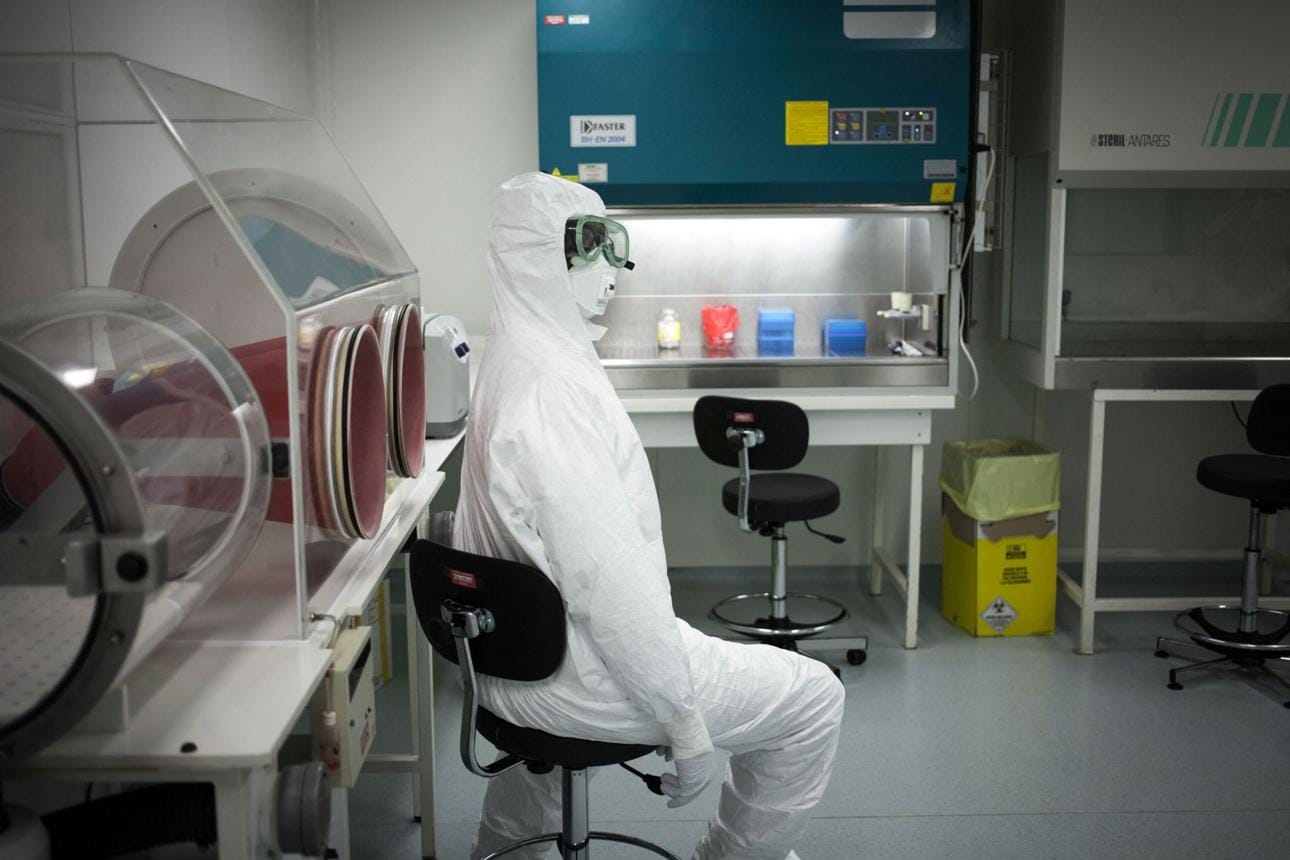
The World Health Organization (WHO) has warned that the current Ebola outbreak likely began several months ago, raising concerns about delayed detection and spread.

According to officials at the Geneva-based World Health Organization, the outbreak is now assessed as “high” risk at both national and regional levels, while the global risk remains “low”.

WHO health emergencies lead Anaïs Legand stated that investigations are ongoing to determine how the virus first emerged. However, based on current transmission patterns, the organization believes the outbreak may have been circulating undetected for months before being identified.

Health authorities are now focusing on tracing infection chains, strengthening surveillance systems, and improving early detection in affected regions to contain further spread.

Ebola is a severe viral disease that spreads through direct contact with infected bodily fluids. Past outbreaks have highlighted the importance of rapid response, isolation measures, and coordinated international health action.

The WHO emphasized that while the global risk remains limited for now, continued monitoring and containment efforts are critical to prevent escalation.

French Report Finds Failures in Infant Formula Recall Crisis Involving Nestlé.

A French parliamentary report has highlighted major shortcomings in the handling of a large-scale infant formula recall crisis involving multiple food manufacturers, including Switzerland-based companies.

The report states that both the government and manufacturers failed to respond quickly and effectively when the scandal emerged in December 2025. Concerns were raised after contaminated infant formula products were recalled across around 60 countries due to possible traces of cereulide, a toxin that can cause severe vomiting in newborns.

The crisis initially began when Nestlé recalled several batches of infant formula, before spreading to other major producers such as Danone, Lactalis, and smaller European firms including Hochdorf and Vitagermine.

Investigators found that many of the affected products shared a common ingredient—an oil rich in arachidonic acid (ARA)—supplied by a single Chinese supplier, which linked multiple recalls across the industry.

Families and consumer groups criticized manufacturers for delayed action and questioned the reliance on voluntary industry reporting mechanisms instead of stronger government intervention.

The parliamentary report concluded that the crisis exposed significant weaknesses in food safety oversight and crisis management systems in both France and the wider European supply chain.

It urged authorities and manufacturers to strengthen monitoring systems and improve rapid response mechanisms to prevent similar incidents in the future.

Overweight Rates Among Swiss Schoolchildren Fall to 20-Year Low.

The rate of overweight and obese schoolchildren in Switzerland has dropped to its lowest level in two decades, according to a new report published by Health Promotion Switzerland.

The share of pupils classified as overweight or obese has declined from around 20% in 2005 to 15.5% today, marking the lowest level since national BMI monitoring began in the country.

Despite this positive trend, authorities warn that overweight remains a public health concern, with approximately one in six schoolchildren still affected.

Health Promotion Switzerland has tracked children’s body weight since the 2005/06 school year in collaboration with school health services in Basel, Bern, and Zurich. The long-term monitoring program provides data on health trends among children and adolescents in compulsory education.

Experts say the decline reflects improved awareness of nutrition, increased physical activity, and public health initiatives targeting childhood obesity over the past 20 years.

However, health officials emphasize that continued efforts are needed to maintain and further improve these results, particularly as lifestyle habits and dietary patterns continue to evolve.

Several Injured After Refrigerant Leak on Zurich’s Bahnhofstrasse.

A refrigerant leak triggered a major emergency response in central Zurich on Tuesday afternoon, injuring multiple people and forcing the evacuation of hundreds from the busy Bahnhofstrasse area.

Emergency services transported four people to hospital after they reported dizziness and feeling unwell. Another 12 individuals received treatment at the scene, according to officials from Zurich Protection and Rescue.

The incident occurred at the Coop City Annahof shopping centre, which authorities evacuated along with nearby areas. Around 300 people were moved to safety as firefighters, police officers, and ambulance crews responded in large numbers.

Witnesses reported seeing white and black smoke coming from the building shortly after 3pm, while alarm systems also alerted emergency responders.

Investigators later confirmed that approximately 30 kilograms of refrigerant leaked from a refrigeration system located inside a sealed technical room within the building.

Firefighters managed to stop the leak and declared the building safe after roughly two hours of emergency operations. Nearby public transport services were temporarily suspended during the response.

Authorities continue to examine the exact cause of the leak, while emphasizing that the rapid evacuation helped prevent more serious injuries.

Cruise Crew Member Quarantined in Switzerland After Hantavirus Exposure

A crew member from the MV Hondius has been placed in quarantine in Aargau after possible exposure to hantavirus during a cruise ship outbreak.

Health officials confirmed that the cantonal medical officer ordered a 42-day quarantine as a precautionary measure. Authorities stated that the individual currently shows no symptoms.

Hantavirus is a rare but potentially serious viral infection that can spread through contact with infected rodents or contaminated environments. Symptoms may include fever, fatigue, respiratory problems, and muscle pain, though severity varies depending on the strain.

Swiss health authorities are monitoring the situation closely to prevent any possible spread and to ensure public safety. Officials emphasized that the quarantine is preventive and follows established health protocols.

The incident has drawn attention because outbreaks involving cruise ship crews can pose challenges for international health monitoring and travel safety.

At this stage, authorities have not reported additional suspected cases in Switzerland linked to the exposure.