Alps Home Prices Rise Across Switzerland 2025.

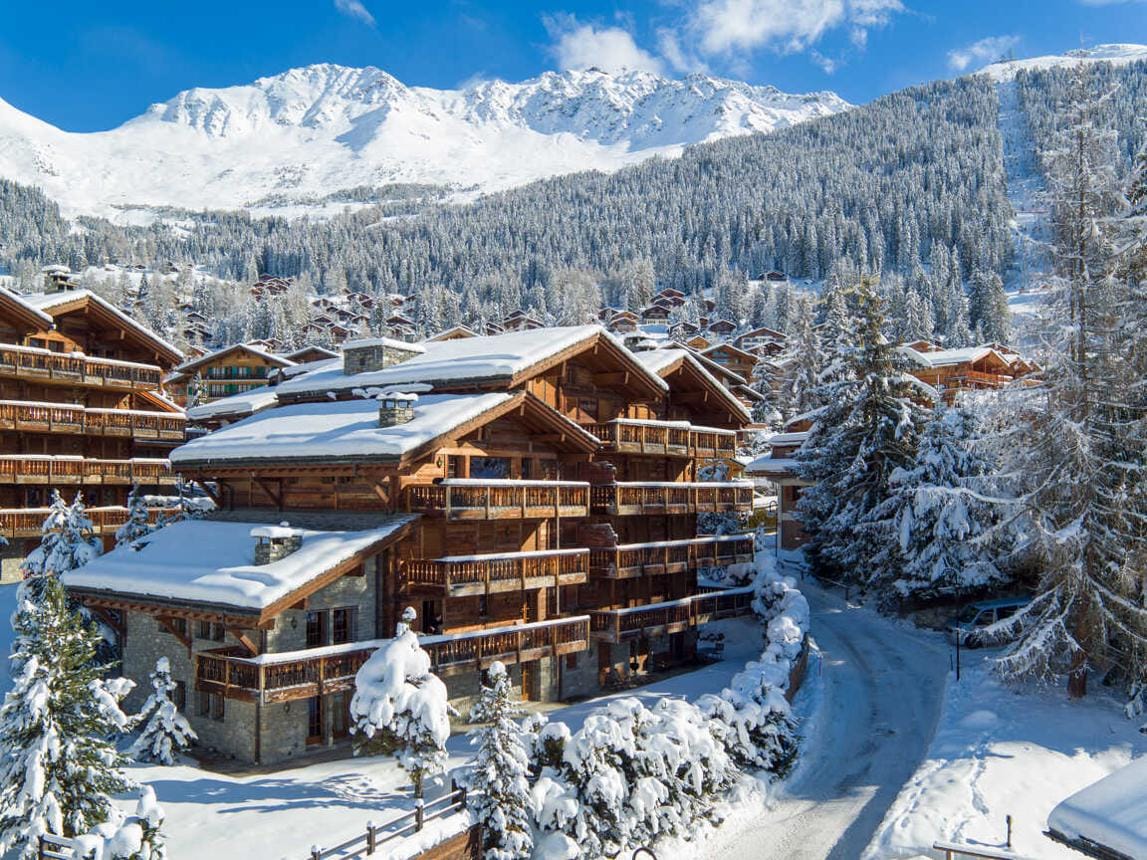
Property prices in the Swiss Alps continue to rise sharply, according to the latest Alpine Property Index released by UBS. The report shows that residential property values in Alpine regions have increased by nearly 4% in 2025 alone, reflecting strong demand for homes in Switzerland’s most prestigious mountain destinations.

The price growth is particularly visible in popular tourist and luxury resort towns, where limited land availability and high international demand continue to push values upward. Holiday homes and high-end apartments in these regions remain highly sought after by both local and foreign buyers.

Among the most expensive locations, Gstaad stands out as the top-ranked Alpine property market, with average prices reaching around 25,200 Swiss francs per square meter for premium holiday residences. The Engadin / St. Moritz region follows closely at approximately 24,000 francs per square meter, while Verbier records around 23,600 francs.

Other high-value markets include Andermatt, where property prices reach about 22,200 francs per square meter, and Zermatt, with average prices around 21,000 francs per square meter. These figures highlight the continued strength of Switzerland’s luxury real estate sector.

Experts say the ongoing price surge is driven by several factors, including rising tourism demand, limited construction land in mountain regions, and strong interest from international investors seeking stable and premium real estate assets in Switzerland.

Analysts also note that Alpine properties are increasingly viewed as both lifestyle investments and long-term financial assets, further supporting sustained price growth across the region.

With demand remaining strong, the Swiss Alpine property market is expected to stay competitive, especially in high-end resort destinations where supply remains limited.
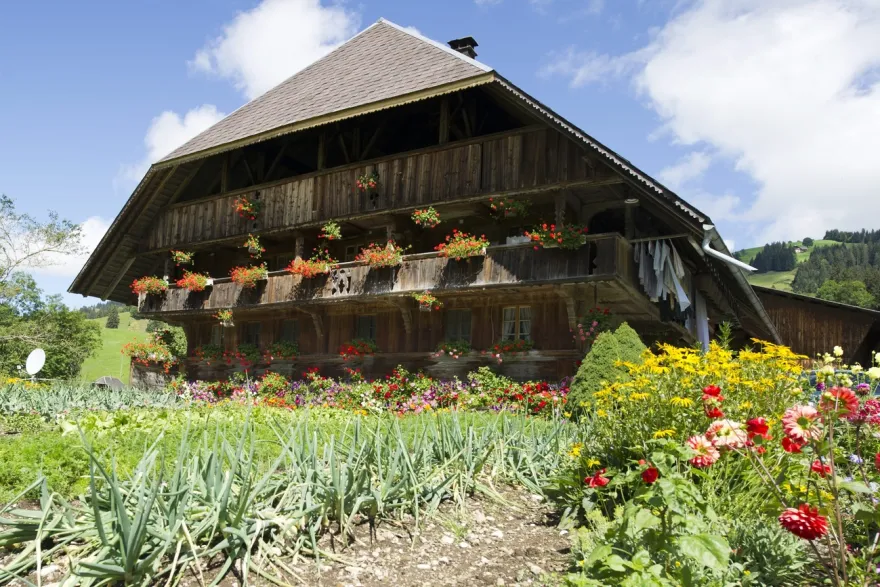
Swiss Parliament Boosts Non-Profit Housing Fund.

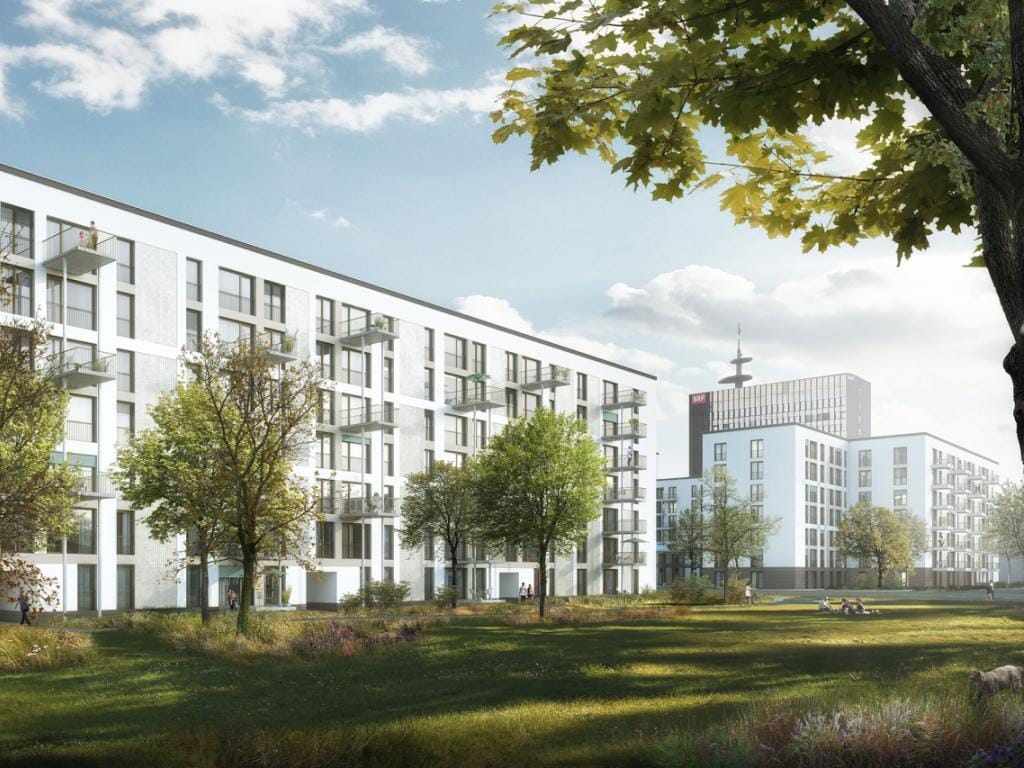
The Swiss Parliament has approved a significant increase in funding designed to support non-profit housing projects and improve access to affordable homes.

The Senate voted in favor of increasing the Fonds de Roulement by CHF150 million for the period between 2030 and 2034. This revolving fund provides loans to non-profit housing organizations for new construction projects, property renovations, and the purchase of residential buildings.

The measure forms part of Switzerland’s broader strategy to address housing shortages and rising property costs affecting many regions of the country. Affordable housing remains a major concern for households facing increasing rents and limited housing availability.

In addition to expanding the fund, the Senate also agreed to continue a federal guarantee program that supports housing development. Through this mechanism, the Swiss Confederation guarantees bonds issued by the financing center for non-profit housing developers. These guarantees help organizations secure financing under more favorable conditions and lower borrowing costs.

For this purpose, Parliament approved a commitment credit worth CHF1.92 billion covering the period from 2027 to 2033. The financial backing is expected to provide long-term stability for housing initiatives and encourage additional investment in affordable residential projects.

The House of Representatives had previously endorsed the same proposals, allowing the measures to move forward with broad parliamentary support.

Housing affordability has become an increasingly important issue across Switzerland, particularly in urban centers where demand continues to outpace supply. Rising rents and limited housing stock have placed pressure on many families, students, and lower-income residents.

Supporters of the funding expansion argue that strengthening the non-profit housing sector will help create sustainable, affordable living options while supporting balanced urban development. The new investments are expected to play a key role in addressing Switzerland’s long-term housing needs.

Swiss Home Ownership Dream Faces Housing Crisis.

The dream of owning a home in Switzerland remains difficult for many residents due to rising property prices and limited housing supply, according to a new survey published by MoneyPark and Helvetia.

The study found that nearly 70% of people aged between 25 and 40 want to own their own property, especially detached houses located in quieter rural areas. However, only 16% of current homeowners said they are considering selling their homes, creating major supply pressure in the market.

The survey also highlighted differences in housing satisfaction across Switzerland. Only one-third of tenants reported being satisfied with their current homes, compared to 54% of apartment owners and 89% of detached house owners.

According to MoneyPark CEO Lukas Vogt, many Swiss residents would prefer to live in rural environments but continue moving toward cities due to better job opportunities, infrastructure, and social connections.

This trend is contributing to continued urbanisation across the country rather than a movement back toward rural living.

Housing affordability has also become a major political issue. On June 14, voters in Zurich will vote on initiatives aimed at improving tenant protections and increasing the supply of affordable housing.

The ongoing housing shortage remains one of the biggest economic and social challenges in Switzerland, especially for younger generations trying to enter the property market.

Rents Expected to Rise Again in Switzerland Amid Housing Shortage.

Rents in Switzerland are expected to increase again after a period of slower growth, according to a new study published by Raiffeisen Switzerland. The report suggests that the country’s rental market is entering a new phase of stronger price growth due to ongoing housing shortages and rising costs.

Experts from the bank warn that the temporary stabilisation in rent prices is likely coming to an end. One key reason is that the previous dampening effect from lower interest rates is fading, while new pressures are emerging in the housing sector.

The study highlights that rising energy prices and increased construction costs are also contributing to upward pressure on rents. These cost increases are linked to broader global economic factors, including geopolitical tensions affecting energy markets.

A major concern identified in the report is Switzerland’s extremely low vacancy rate. According to the analysis, demand for rental housing continues to exceed supply, creating strong competition among tenants searching for homes.

Fredy Hasenmaile, chief economist at Raiffeisen Switzerland, stated that the current market conditions point toward significant rent increases. He explained that historically, such low vacancy levels have always led to much stronger rent growth than what has been observed recently.

The report also notes a rise in rental search subscriptions, further confirming sustained excess demand in the Swiss housing market. Experts say this imbalance between supply and demand is likely to keep pushing prices upward in the coming months.

Overall, the outlook suggests that Switzerland’s rental market may experience renewed pressure, affecting both urban and suburban tenants across the country.

Housing Prices Continue to Rise Across Switzerland in 2026

Housing prices in Switzerland continue to increase steadily in 2026, with major cities such as Zurich, Geneva, and Lausanne experiencing significant price growth in the property market.

According to recent 2026 housing market data, apartment prices across Switzerland have increased by nearly 4% annually, while prices for individual houses have risen by around 3%. Real estate experts say strong demand and limited housing supply continue to push prices higher across the country.

Property demand remains especially high in Zurich and other large urban areas. However, the pace of new housing construction has not matched the growing population and demand, creating pressure on the Swiss housing market.

Several major factors continue to drive the increase in Swiss housing prices. Rising immigration, limited construction of new homes, and low interest rates have contributed to higher demand for residential properties. Switzerland’s reputation as a safe and stable investment destination has also attracted both local and international investors.

Economic experts additionally point to Switzerland’s high salaries and strong employment opportunities as reasons why many foreign workers continue to move to the country. This growing workforce further increases demand for housing in major Swiss cities.

The continued rise in property prices has become an important topic among residents, investors, and policymakers. Many people are now concerned about long-term housing affordability, especially for middle-income families and first-time home buyers in Switzerland.