
Swiss Study Shows Wars Can Alter Groundwater and Water Systems

A new Swiss academic study has revealed that armed conflicts can significantly alter underground water systems and groundwater dynamics, reshaping how water resources behave in war-affected regions.

Research conducted at the University of Neuchâtel shows that large-scale population displacement and abandoned agricultural activity can directly influence groundwater recharge patterns.

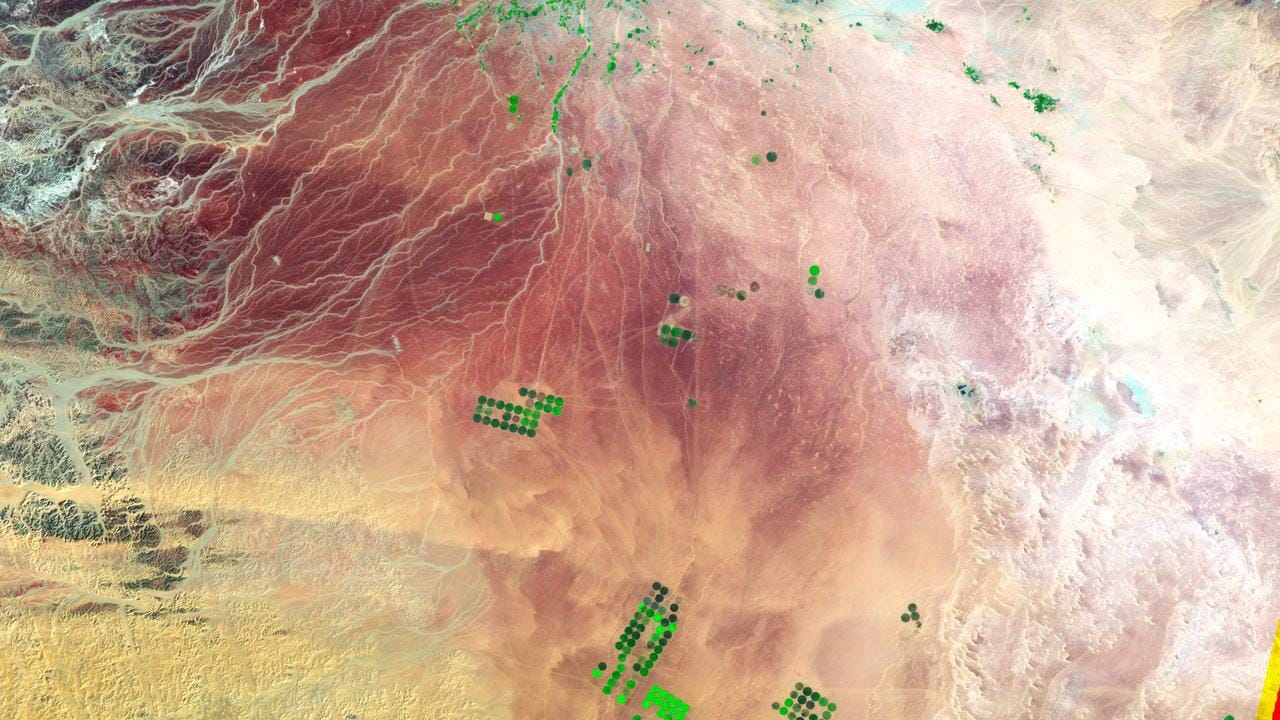
Doctoral researcher Saeed Mhanna observed unexpected changes in an underground water system in a Syrian river basin, using satellite-based InSAR technology to study areas that are otherwise inaccessible due to ongoing conflict.

The findings suggest that when populations are forced to leave farmland during war, the cessation of irrigation allows groundwater levels to partially recover. In some locations, the soil surface even rose by up to 4 cm per year due to changes in underground pressure.

The study highlights how the invisible nature of aquifers makes wartime water assessment extremely difficult, especially when field access is restricted. Satellite data and indirect measurement techniques were therefore combined to analyze changes in water storage and recharge.

Beyond Syria, the research also examined the impact of the Kakhovka dam collapse in Ukraine in 2023. The study found that the destruction of the dam drastically disrupted the regional hydrological system along the Dnieper River.

Researchers estimate that the volume of water lost to the Black Sea after the dam’s collapse was roughly equivalent to the capacity of Lake Geneva, though with a significant margin of uncertainty.

The study demonstrates that modern satellite monitoring can play a crucial role in identifying damaged water infrastructure, tracking groundwater depletion, and detecting unexpected water recovery in conflict zones.

Experts say these insights could help governments and aid organizations prioritize emergency repairs, protect critical water infrastructure such as wells and pipelines, and improve humanitarian response in war-affected regions.

The research highlights the growing importance of space-based environmental monitoring in understanding how human conflicts reshape natural water systems over time.
AI Data Centres May Strain Switzerland’s Water Supply

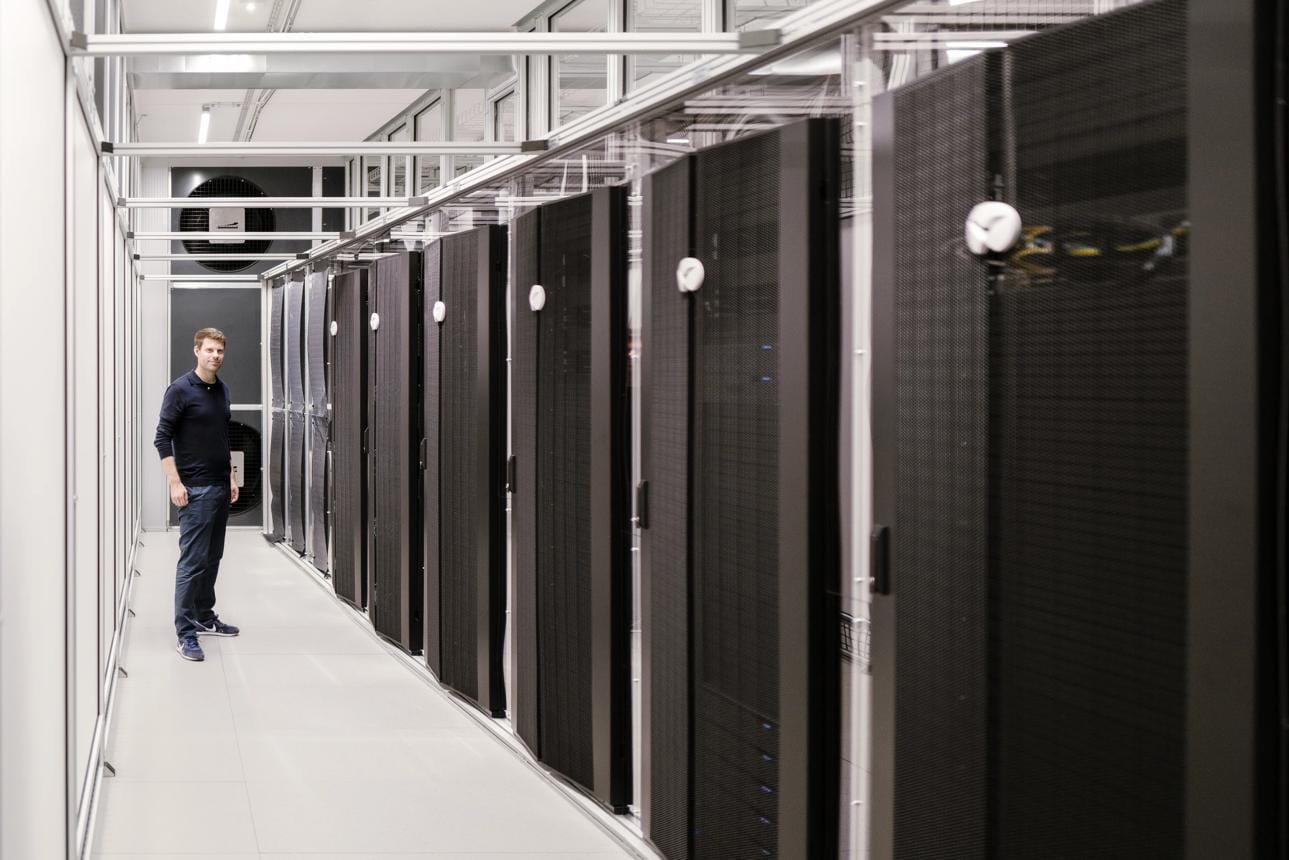
The rapid expansion of artificial intelligence infrastructure is raising concerns about water and energy consumption in Switzerland. Experts warn that the growing number of AI-powered data centres could place increasing pressure on the country’s natural resources, especially water supplies used for cooling systems.

Switzerland currently hosts around 120 data centres, with approximately 20 additional facilities under construction. This gives the country one of the highest concentrations of data centres per capita in the world. The rise of artificial intelligence technologies is accelerating this growth as companies invest heavily in advanced computing infrastructure.

AI servers require significantly more processing power than traditional systems. As a result, they generate higher levels of heat and require intensive cooling methods to maintain safe operating temperatures. Many of these cooling systems depend heavily on water.

According to David Atienza Alonso, a professor at EPFL and an expert in AI computing systems, increasing AI adoption will continue driving demand for larger and more powerful data centres.

He explained that countries are also expanding domestic data infrastructure due to geopolitical tensions and concerns about digital sovereignty. Governments and companies increasingly want sensitive data to remain within national borders, leading to greater investment in local storage and computing facilities.

While Switzerland is often called the “water tower of Europe” because of its lakes, rivers, and glaciers, experts warn that resource availability should not be taken for granted. If AI infrastructure growth continues without long-term planning, some regions could eventually face challenges in supplying enough electricity and water.

Global estimates from the International Energy Agency suggest that data centres currently consume around 560 billion litres of water annually worldwide. This figure could rise to 1.2 trillion litres by 2030 as AI usage expands rapidly across industries.

Most of this water is used for cooling servers and generating electricity required to power data centre operations. Environmental experts say the issue remains largely invisible to the public despite its growing importance in the digital economy.

Researchers and policymakers are now calling for sustainable infrastructure planning, improved cooling technologies, and better resource management to ensure that Switzerland can support technological growth without placing excessive strain on natural resources.