

Swiss Heat Warnings Likely to Be Extended Beyond Tuesday

Heat warnings issued by the Swiss government are expected to remain in place beyond Tuesday as the country continues to experience rising temperatures, according to the national meteorological service MeteoSwiss.

Level 3 and Level 4 heat warnings were activated across several regions, signaling significant heat conditions affecting both urban and rural areas. Authorities are closely monitoring the situation as temperatures continue to climb.

On the first day of the heatwave, Basel-Binningen recorded temperatures of 30°C shortly before midday, while Zurich-Affoltern reached 29.7°C before noon, indicating a strong start to the hot weather period.

Despite the high temperatures, meteorologists say the situation has not yet reached an “exceptional” level. According to MeteoSwiss expert Melanie Ruosch, a heatwave is classified as exceptional only if it lasts for a week or longer.

She noted that Switzerland has experienced several prolonged heatwaves in recent years, including in 2025, 2022, 2019, 2017, and the extreme summer of 2003.

Currently, the official heat warnings are scheduled to remain in effect until Tuesday. However, meteorologists now expect that these warnings may need to be extended if high temperatures persist across the country.

“At the moment, it looks as though we will have to extend the heat warning beyond Tuesday,” said Ruosch.

Authorities continue to advise the public to take precautions during the heatwave, especially vulnerable groups such as the elderly, children, and individuals with health conditions, as Switzerland prepares for potentially prolonged high-temperature conditions.


Swiss GMO-Free Food Initiative Leads to Legal Complaint

A Swiss popular initiative aimed at introducing GMO-free food standards has failed after not reaching the required threshold of 100,000 valid signatures, according to the Federal Chancellery.

The initiative, known as “For GMO-free food,” underwent a recount and verification process. Out of approximately 98,000 certified signatures, around 96,200 were confirmed as valid, falling short of the constitutional requirement.

Following the official announcement, the Federal Chancellery declared the initiative unsuccessful, stating that the required minimum number of valid signatures had not been achieved.

However, the initiative committee strongly disputed the outcome. The association described the decision as “baffling” and claimed that evidence from more than 240 local municipalities suggests that at least 5,000 additional valid signatures had been certified.

According to the committee, this discrepancy raises serious concerns about missing signatures and the accuracy of the verification process. The group argues that sufficient valid support may still exist for the initiative to proceed.

In response to the situation, the association has filed a criminal complaint with the Office of the Attorney General. The complaint requests an investigation into possible offences, including suppression of documents, electoral or referendum fraud, and abuse of official authority.

The committee also expressed concern that the situation may have led to the restriction of political rights for thousands of citizens who supported the initiative.

The Federal Chancellery has been criticised by the association for not conducting further investigations and for allegedly failing to consider evidence submitted by local municipalities before reaching its final decision.

The case highlights ongoing tensions in Switzerland’s direct democracy system, where citizen-led initiatives play a key role in shaping national policy but are subject to strict procedural requirements.

Swiss Brand On Suspends Supplier After NGO Claims

Swiss sportswear company On has suspended orders from one of its sub-suppliers after allegations were raised by the NGO Public Eye regarding poor working conditions in Indonesia.

The Zurich-based running shoe brand stated that it is taking the claims very seriously and has launched a comprehensive independent investigation into the matter.

According to Public Eye, the report focuses on On’s direct supplier Long Rich and its sub-supplier Yihong, located on the island of Java. These facilities also produce footwear for other international brands including Brooks and New Balance.

The NGO alleged that many workers were paid only the statutory minimum wage of around 2.9 million Indonesian rupiah (approximately CHF130) per month, which it claims is not sufficient to meet basic living costs.

Further concerns raised in the report include violations of working time regulations, lack of employment contracts, cases of unlawful dismissals, and reported harassment at the factory level. The situation reportedly led to the dismissal of 112 trade union members, although 64 of them were later reinstated following pressure from international brands.

On confirmed that it has suspended all new orders with Yihong until the alleged breaches are addressed. The company also stated that an independent audit conducted in October 2025 did not initially detect the reported issues.

Following the new allegations, On has announced plans to strengthen its grievance mechanisms and improve cooperation with NGOs and local organisations to prevent similar issues in its supply chain.

The company also confirmed that while its suppliers currently comply with statutory minimum wage requirements, it acknowledges that in some regions of Indonesia this level is below a living wage standard.

Public Eye argued that On, as a highly profitable global brand, has the financial ability to ensure all workers in its supply chain receive a fair living wage.

Despite the controversy, On stated that more than 80% of its Tier 1 suppliers already meet living wage standards and that discussions are ongoing with Long Rich to close the remaining gap.

The case highlights ongoing global concerns about ethical supply chains in the sportswear industry and increasing pressure on brands to ensure fair labor conditions across all production levels.

Switzerland Moves to Lift Nuclear Power Ban.

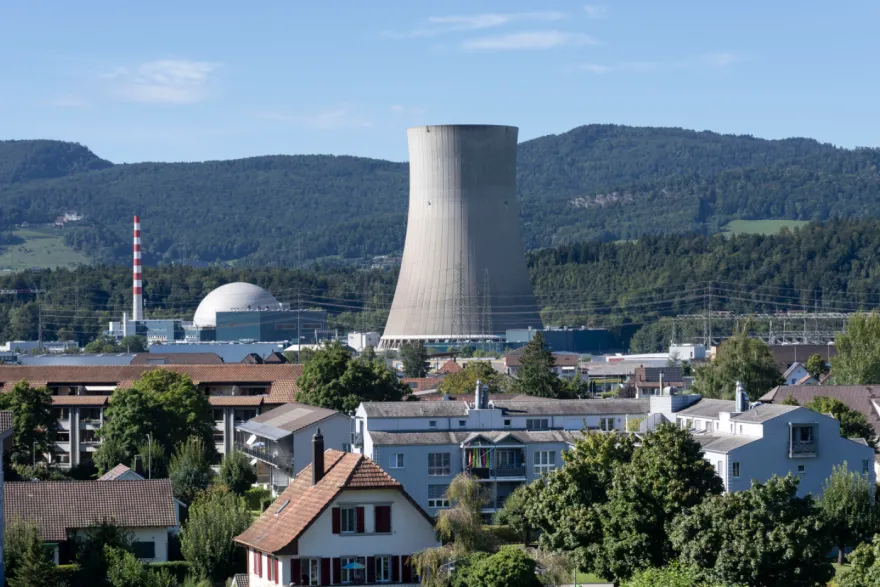
Switzerland’s parliament has approved a major shift in national energy policy by backing a proposal that would allow the construction of new nuclear power stations, marking a significant reversal of the country’s long-standing nuclear phase-out strategy.

The decision follows a positive vote in the Senate and was later confirmed by the House of Representatives, which supported a government counter-proposal linked to the “Stop the Blackout” popular initiative. As a result, Swiss voters will now decide on both the initiative and the counter-proposal in an upcoming national ballot.

The approved amendment to the energy law effectively opens the door to lifting the ban on new nuclear power plants, a restriction that had been in place as part of Switzerland’s earlier commitment to phase out nuclear energy.

During parliamentary debates, Energy Minister Albert Rösti stressed the importance of maintaining nuclear power as an option to ensure long-term energy security. He argued that Switzerland must diversify its energy sources to guarantee a stable electricity supply in the future.

The proposal received strong support from right-leaning and centrist political parties, while left-wing parties opposed the move, raising concerns about safety, environmental risks, and long-term waste management.

The Green Party has already announced plans to push for a referendum, signaling that the issue is likely to become a major political debate across the country in the coming months.

The final decision will now rest with Swiss voters, who will determine whether nuclear energy should return as part of Switzerland’s future energy strategy or remain excluded under existing policy.

Swiss Tamil Group Faces Fresh Allegations.

A public debate has emerged within the Swiss Tamil community after a statement from Mullai Velicham challenged comments made by several community members regarding allegations linked to certain organizations operating in Switzerland.

In its response, Mullai Velicham stated that its reports focus on concerns raised about financial management, transparency, and accountability within community-related activities. The organization emphasized that its publications are not directed at individuals’ private lives but rather at issues that it claims affect members of the wider Tamil community.

The statement further argued that some individuals may be reluctant to come forward publicly due to concerns about personal safety and social pressure. According to the response, supporting materials and testimonies are being retained securely.

The discussion also extended to references made about Tamil political history and leadership. Mullai Velicham maintained that its intention is not to criticize historical figures but to question whether their names and legacies are being used in ways that could mislead community members.

The organization called for greater transparency regarding community funds and invited those involved to address the allegations through evidence-based discussion. It also stated that public accountability remains essential for maintaining trust within community organizations.

As debate continues, members of the Swiss Tamil community have expressed differing opinions on the matter. The controversy highlights ongoing discussions about transparency, governance, and responsible leadership within diaspora organizations.

The issue remains a topic of active discussion among community members, with calls for further clarification and constructive dialogue from all parties involved.

Switzerland Falls to Third in Global Competitiveness Rankings.

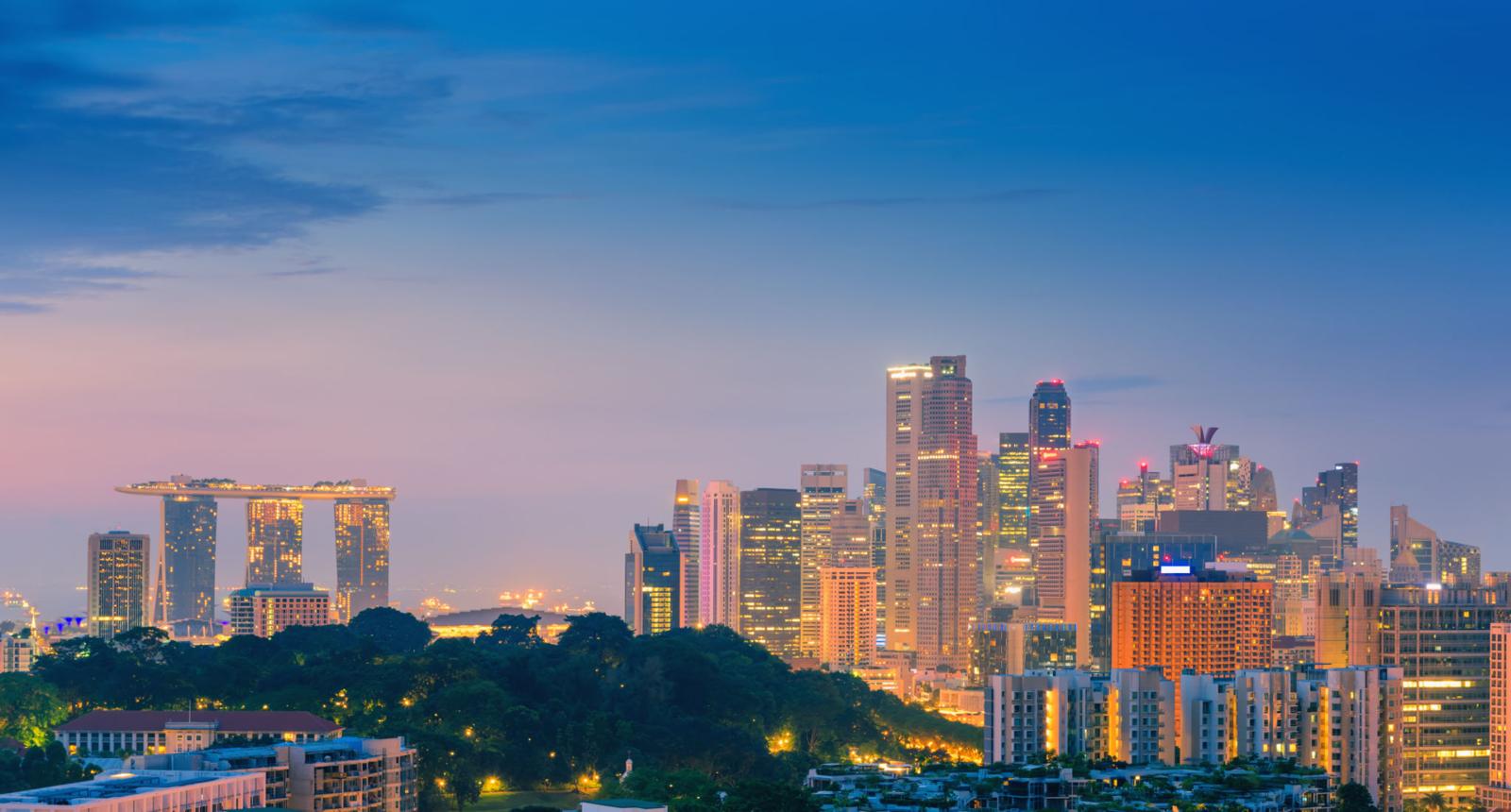
Switzerland has lost its position as the world’s most competitive economy, dropping to third place in the latest Global Competitiveness Ranking published by the International Institute for Management Development (IMD). The Swiss economy now trails behind Singapore and Hong Kong, which secured the first and second positions respectively.

According to the Lausanne-based business school IMD, Switzerland’s decline was mainly driven by a significant drop in its economic performance indicator. The country fell 24 places in this category, landing in 37th position and impacting its overall ranking.

Singapore reclaimed the top spot thanks to improvements in business efficiency and its ability to adapt quickly to changing global economic conditions. Hong Kong also strengthened its position by recording improvements across government efficiency, infrastructure, economic performance, and business efficiency.

The report highlights that Switzerland continues to perform exceptionally well in key areas such as government efficiency, business efficiency, and infrastructure. These strengths have helped the country remain among the world’s most competitive economies despite recent economic challenges.

One of the major factors affecting Switzerland’s performance is a decline in direct investment flows, largely linked to geopolitical uncertainty and global market disruptions. Businesses are also facing higher operating costs, with Switzerland ranking among the most expensive countries in terms of cost of living and fuel prices.

Employment growth has also slowed, creating additional pressure on economic performance. The study notes that Switzerland recorded only modest employment growth while experiencing a slight long-term decline in workforce expansion.

The IMD report emphasizes that competitiveness is increasingly determined by strong institutions, legal certainty, and a country’s ability to absorb economic shocks. As geopolitical tensions continue to reshape global markets, nations with stable governance and resilient infrastructure are better positioned to attract investment and sustain growth.

Although Switzerland has slipped in the rankings, its strong institutional framework, innovative business environment, and world-class infrastructure continue to make it one of the most attractive economies globally. Experts believe the country remains well-positioned to regain lost ground if economic performance improves in the coming years.

Switzerland Ready to Support Iran-US Peace Efforts.

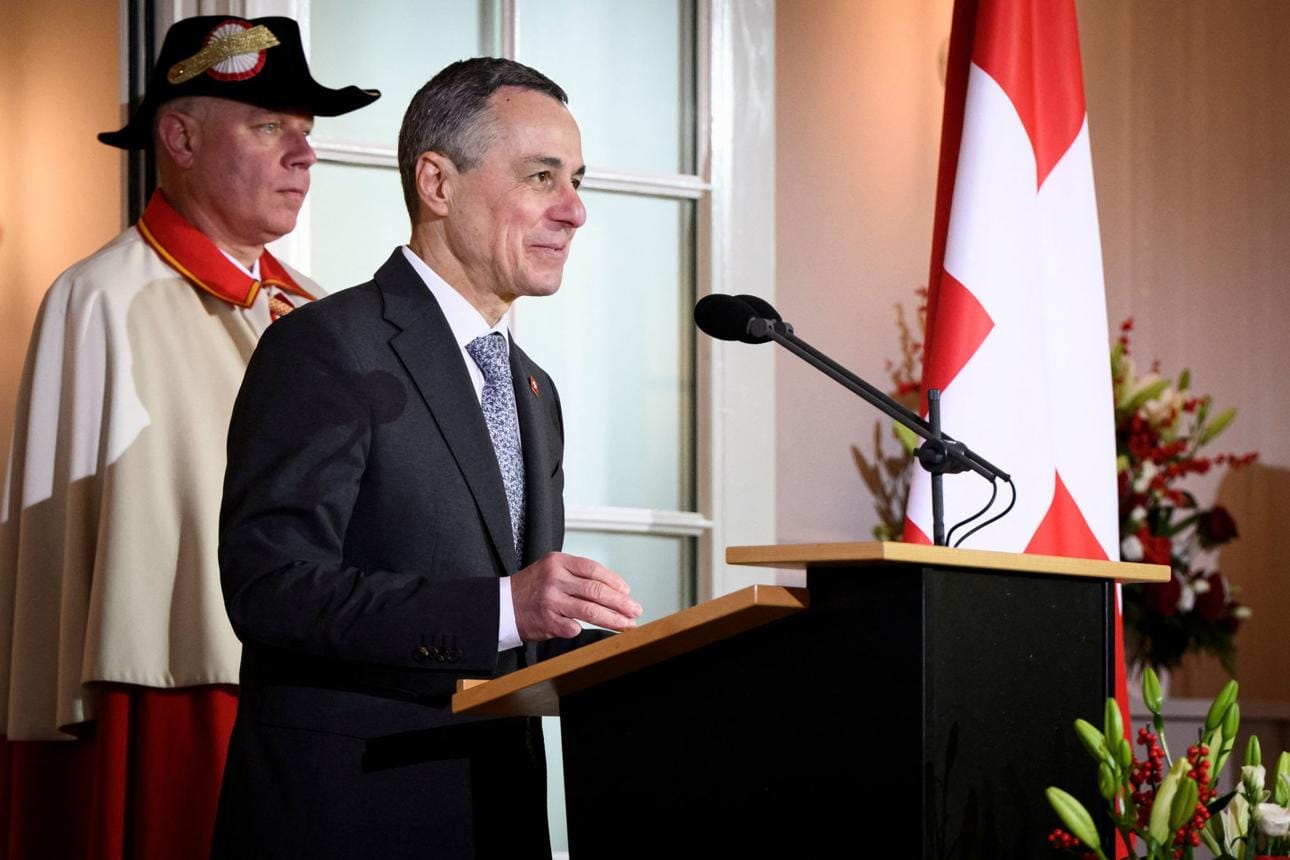
Switzerland has reaffirmed its commitment to supporting ongoing peace negotiations between Iran and the United States following the signing of a memorandum of understanding during the G7 summit in France. Swiss Foreign Minister Ignazio Cassis emphasized that Switzerland remains prepared to contribute its diplomatic expertise as discussions move toward a potential long-term agreement.

Speaking during a conference of the Organization for Security and Co-operation in Europe (OSCE) in Vienna, Cassis welcomed the development and described the agreement as an encouraging first step. He noted that the coming weeks will be critical in determining whether the ceasefire and diplomatic momentum can be sustained.

Switzerland has maintained a unique diplomatic role for decades, representing United States interests in Iran since 1979. This long-standing relationship places Bern in a strategic position to assist both sides as detailed negotiations continue. Swiss officials believe their experience in conflict resolution and international mediation can help facilitate productive dialogue.

Several countries, including Pakistan and Qatar, played important roles in helping bring the parties together. Meanwhile, attention remains focused on unresolved issues, particularly concerns surrounding Iran’s nuclear program. International leaders continue to stress the importance of preventing nuclear weapons development while encouraging diplomatic solutions.

A formal ceremony marking the memorandum is expected to take place at the Bürgenstock resort in Switzerland. High-profile participants are anticipated to include Iranian chief negotiator Mohammad Bagher Ghalibaf, US Vice-President JD Vance, and potentially former US President Donald Trump.

The memorandum itself is considered a preliminary framework designed to guide future discussions. Both Iran and the United States have reportedly set a two-month timeline to negotiate a comprehensive agreement that could reshape regional stability and international relations.

As global attention turns toward Switzerland, the country’s reputation as a trusted mediator may once again play a decisive role in advancing peace and reducing tensions in one of the world’s most closely watched diplomatic challenges.