Switzerland Signs Gaza Humanitarian Declaration

Switzerland has joined 19 other countries in signing a joint declaration expressing serious concern over the worsening humanitarian situation in the Gaza Strip. The Swiss foreign ministry described the situation as dramatic and highly unstable, emphasizing the urgent need for improved access to essential services and humanitarian assistance.

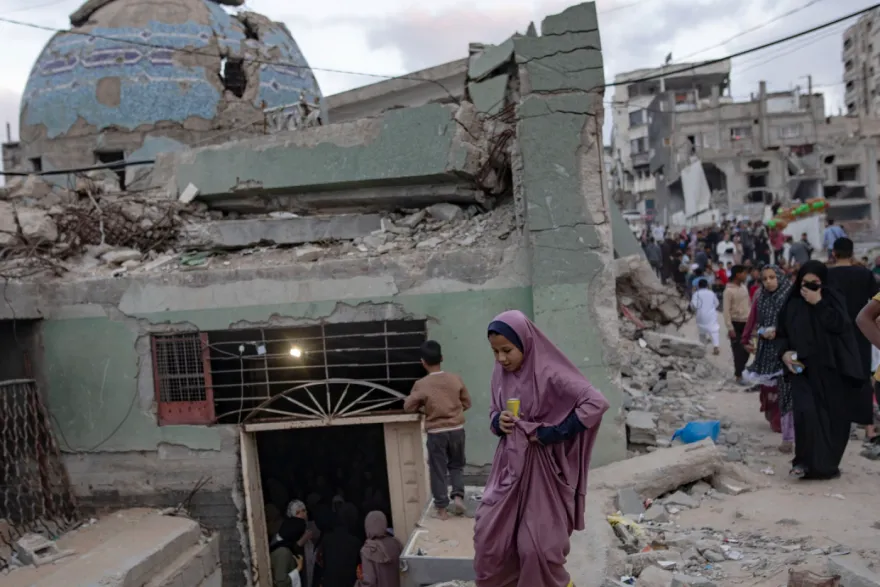
According to the Federal Department of Foreign Affairs, access to basic services in Gaza remains severely restricted. The United Nations reports that the healthcare system is under extreme pressure, with none of the 36 hospitals in the region fully functional and only about half operating partially.

The humanitarian crisis has also led to widespread displacement, with approximately 1.7 million people forced to leave their homes. Overcrowded living conditions, combined with inadequate waste management, have increased the spread of diseases such as skin infections among displaced populations.

In the joint declaration, Switzerland and its international partners called on Israeli authorities not to implement a new registration system for international non-governmental organisations in its current form. The statement also reaffirmed obligations under international humanitarian law, stressing the need to ensure safe, rapid, and unrestricted delivery of aid to civilians.

The declaration was signed alongside countries including Austria, Belgium, Denmark, Finland, France, Germany, Ireland, Japan, the Netherlands, Norway, Spain, Sweden, the United Kingdom, and others, as well as the European Commission.

Switzerland also highlighted its ongoing financial support for the Palestinian population. Since November 2023, the country has provided approximately CHF 174 million in assistance, including CHF 150 million dedicated specifically to humanitarian aid. Additional funding of around CHF 31 million has been allocated for the current year.

Officials in Bern reiterated Switzerland’s commitment to humanitarian principles and international cooperation, stating that continued support for civilians affected by conflict remains a key priority in its foreign policy approach.
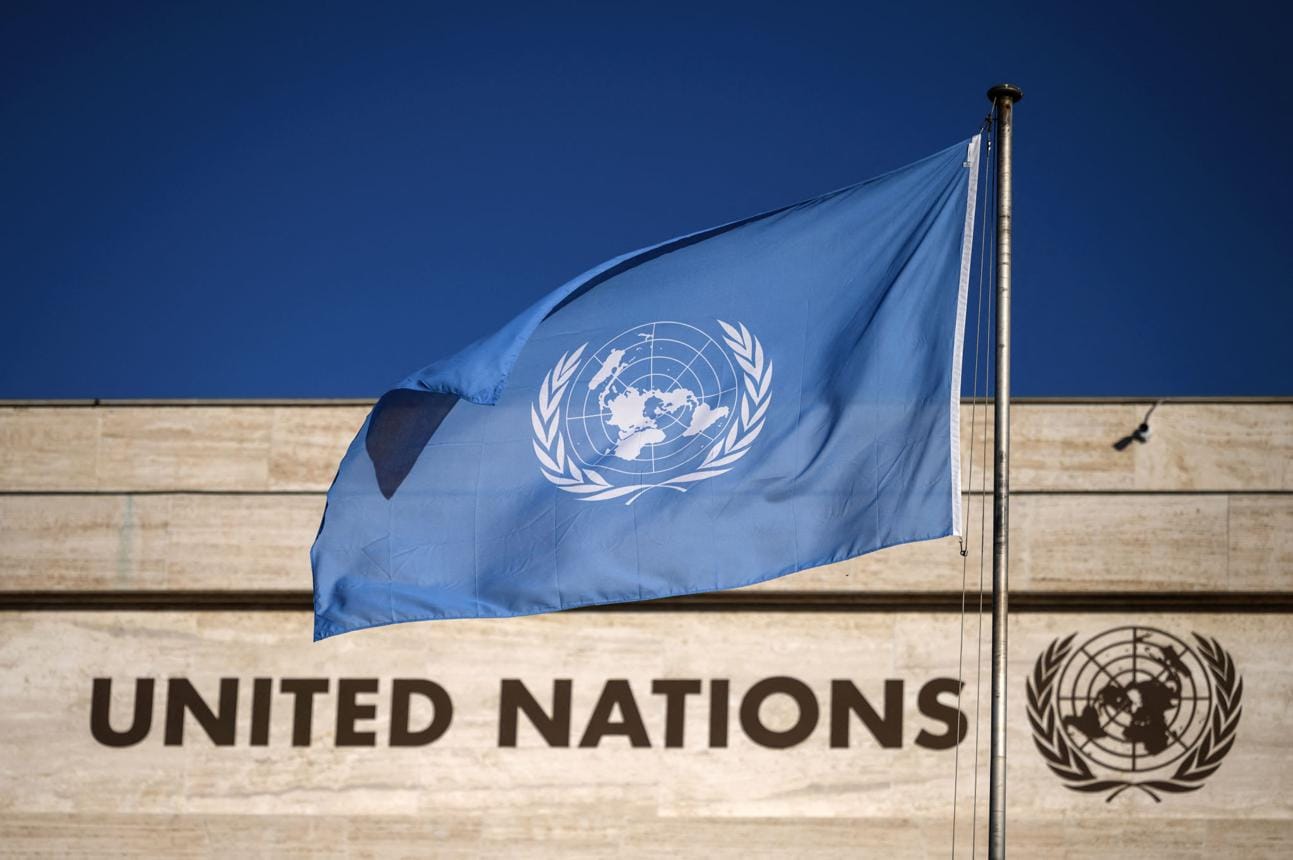
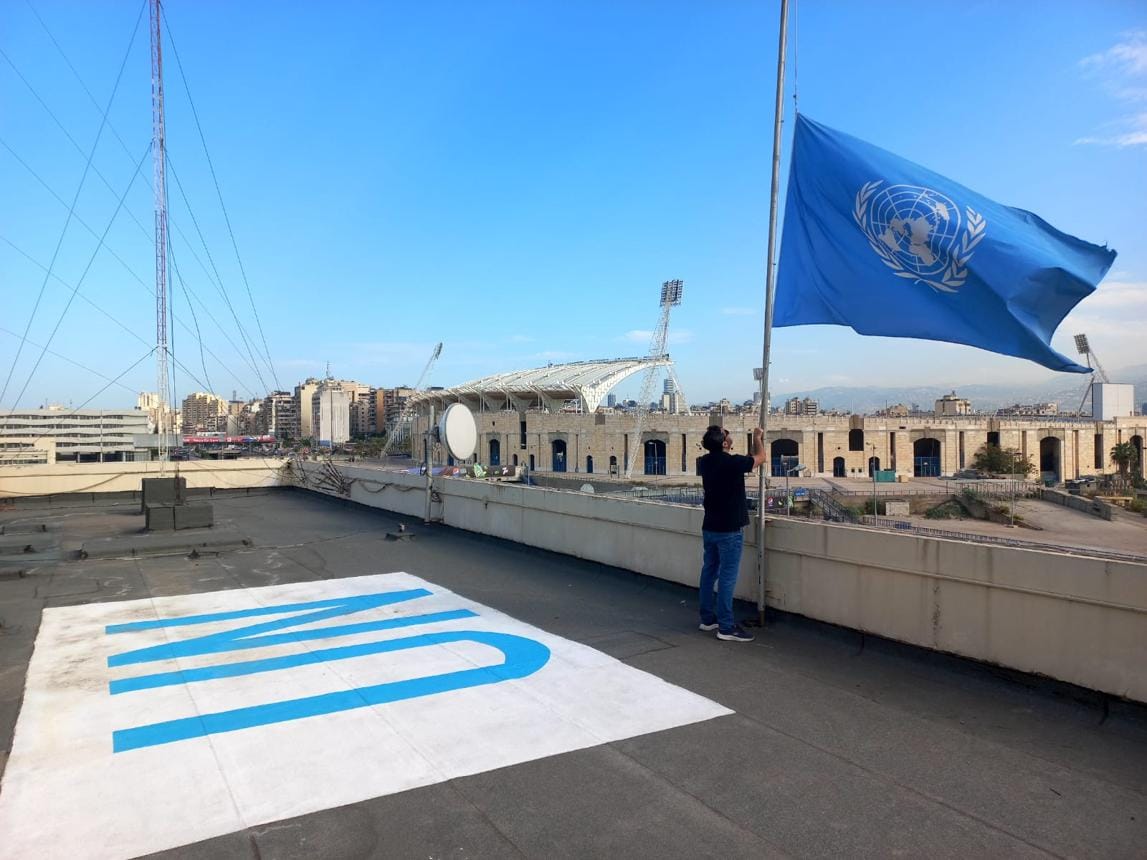
Switzerland Maintains Neutral Stance on Iran Conflict.

Switzerland continues to uphold its long-standing policy of neutrality in relation to the ongoing tensions and conflicts involving Iran and other Middle Eastern actors. The Swiss government does not take sides in military conflicts and instead focuses on promoting peace and diplomatic solutions.

In the context of the Iran conflict, Switzerland consistently calls for de-escalation and urges all parties involved to avoid actions that could further intensify violence. The government emphasizes the importance of reducing tensions through dialogue rather than military escalation.

Swiss authorities also stress that all parties must respect international humanitarian law and broader principles of international law. Civilian protection remains a key priority in Switzerland’s foreign policy approach to conflict situations.

As part of its diplomatic role, Switzerland has historically acted as an intermediary between countries that do not maintain direct diplomatic relations. One of the most notable examples is its role as a protecting power for communication between the United States and Iran. In this capacity, Switzerland facilitates the exchange of official messages and supports limited diplomatic communication channels.

Due to its neutrality, Switzerland does not support military actions by any side. At the same time, it does not endorse retaliatory measures or escalation in conflicts involving Iran. Instead, it positions itself as a mediator that encourages peaceful negotiation and international cooperation.

In line with its neutrality laws, Switzerland also applies strict regulations on arms exports and may restrict certain military-related transit activities to ensure compliance with international obligations.

Overall, Switzerland’s position on the Iran conflict reflects its core foreign policy principles: neutrality, conflict prevention, respect for international law, and commitment to diplomatic dialogue as the primary means of resolving international disputes.

UNRWA Faces Uncertain Future Amid Deepening Crisis

The United Nations Relief and Works Agency for Palestine Refugees (UNRWA) is facing what officials describe as the most serious crisis in its history, with growing financial strain, political pressure, and operational challenges threatening its future.

UNRWA Commissioner-General Philippe Lazzarini warned that the agency is approaching a point where it may become “unviable,” highlighting the severe difficulties it is currently facing.

The agency, based in Geneva, was originally established in 1949 to provide relief services to Palestinian refugees displaced during the 1948 conflict. Over time, it has evolved into a major humanitarian provider, delivering essential health, education, and social services across the Middle East.

Despite its expanded role, UNRWA was intended as a temporary organization until a political resolution to the Israeli-Palestinian conflict was reached. However, the absence of a lasting settlement has led to repeated renewals of its mandate.

Today, UNRWA operates under increasing pressure, particularly in Gaza, where access and operational capacity have been significantly affected by ongoing conflict and political restrictions.

Financial constraints have further intensified concerns, with donor uncertainty and political debates impacting the agency’s ability to maintain essential services for millions of refugees.

The situation has sparked global debate about the future of humanitarian aid structures in the region and whether UNRWA’s responsibilities should be restructured or replaced in the long term.

As the crisis deepens, international stakeholders continue to assess how best to ensure continuity of aid for Palestinian refugees while addressing the agency’s long-standing structural challenges.

Lawyer Criticises Swiss Response to Gaza Flotilla Detentions.

A lawyer representing Swiss participants in the recent Gaza flotilla mission has strongly criticised the response of Swiss authorities following the activists’ detention by Israel.

Speaking to Swiss public broadcaster RTS, Claire Dechamboux accused the Federal Department of Foreign Affairs (FDFA) of failing to act despite prior warnings and testimonies describing violence allegedly experienced by the activists.

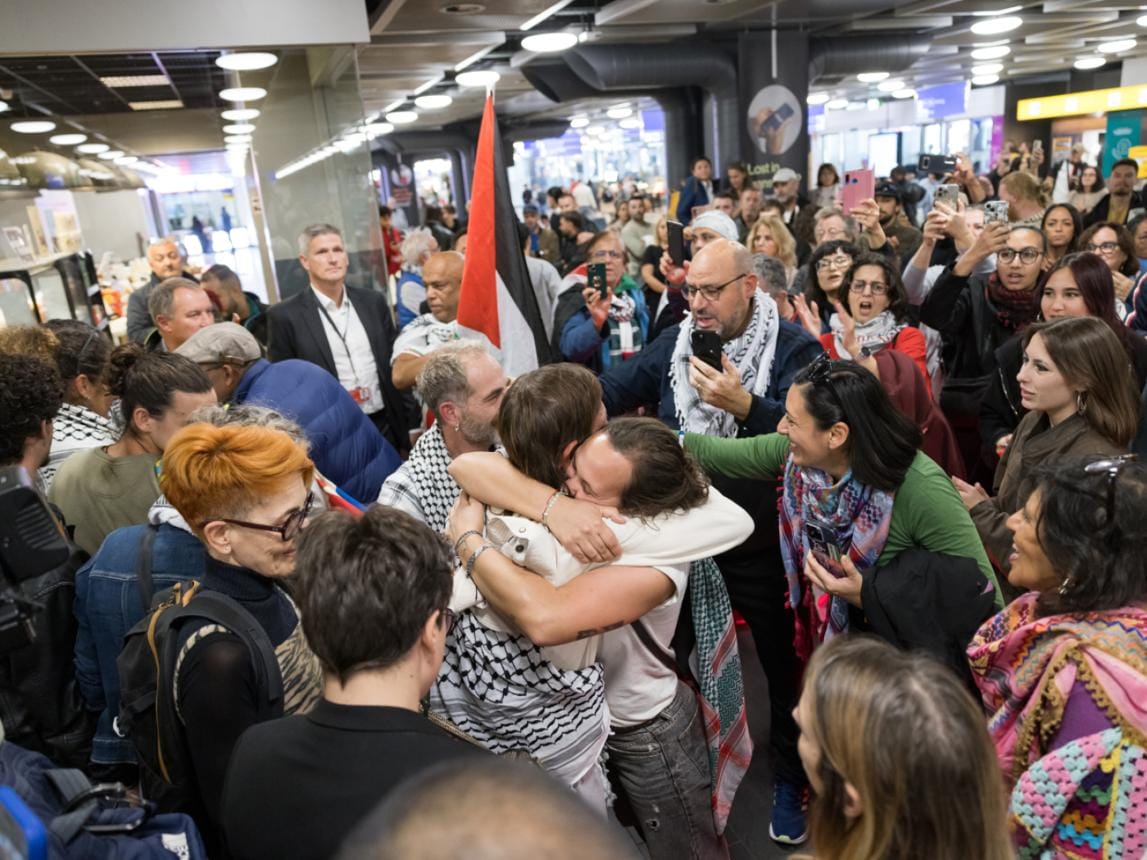
Seven of the eight Swiss flotilla participants returned to Geneva on Saturday, where they were welcomed by family members, supporters, and humanitarian activists at the airport.

According to Dechamboux, the activists are physically stable but remain deeply affected by the experience. She stated that they appeared psychologically exhausted and traumatised after the detention.

“They are trembling; you can see it was a very difficult experience,” the lawyer explained while describing the emotional condition of the returning activists.

The flotilla mission, which aimed to reach Palestinian territory with humanitarian intentions, was intercepted by Israeli authorities earlier this week. Participants were reportedly detained before later being released and transported back to Europe.

The controversy has intensified political debate in Switzerland over the country’s diplomatic responsibilities and response to citizens involved in international humanitarian missions.

Human rights organisations and supporters are now calling for greater transparency and stronger diplomatic engagement regarding the treatment of activists detained during the operation.

Swiss Gaza Flotilla Activists Return Home.

Seven Swiss participants involved in the international Gaza flotilla mission returned to Geneva on Saturday after being detained by Israeli authorities earlier this week.

The activists arrived at Geneva Airport wearing keffiyehs and were welcomed by family members and supporters, including people who had participated in earlier flotilla missions.

The flotilla boats, which were heading toward Palestinian territory with humanitarian intentions, were intercepted by the Israeli military on Monday. Following the operation, hundreds of participants were reportedly detained aboard ships before later being transferred to detention facilities in Israel.

According to statements made by some of the returning activists, participants experienced physical, psychological, and sexual violence during detention. They described the alleged treatment as extremely serious and called for international attention to the issue.

The activists also criticised the response of the Federal Department of Foreign Affairs (FDFA), accusing Swiss authorities of providing insufficient support during the incident.

One activist stated that Switzerland had been informed in advance about the risks faced by participants but allegedly failed to take stronger diplomatic action. Several supporters present at the airport accused both Swiss officials and sections of the media of failing to adequately address the situation.

Legal and medical support for the activists is now being organised in Switzerland. Lawyer Claire Dechamboux explained that doctors in Lausanne are preparing to assess the physical and psychological condition of the returning participants.

She noted that many of those involved may be traumatised and will require time and professional care before fully discussing their experiences.

The incident has added to growing international debate surrounding humanitarian missions to Gaza, human rights concerns, and diplomatic responses by European governments.

Swiss Gaza Flotilla Activists Transferred to Turkey After Diplomatic Tensions.

All eight Swiss nationals who took part in an international Gaza aid flotilla have been flown to Turkey, according to the Swiss Federal Department of Foreign Affairs. The transfer took place on Thursday afternoon as diplomatic discussions continued between Switzerland, Israel, and Turkey.

The activists were among participants in a humanitarian mission aimed at delivering aid to Gaza. Following their detention, Switzerland confirmed that it remains in close contact with both Israeli and Turkish authorities regarding their situation and treatment.

The Swiss government has expressed concern over the handling of the activists. Earlier this week, the Swiss Federal Department of Foreign Affairs called in the Israeli ambassador to address issues related to the fundamental rights of those detained during the flotilla operation.

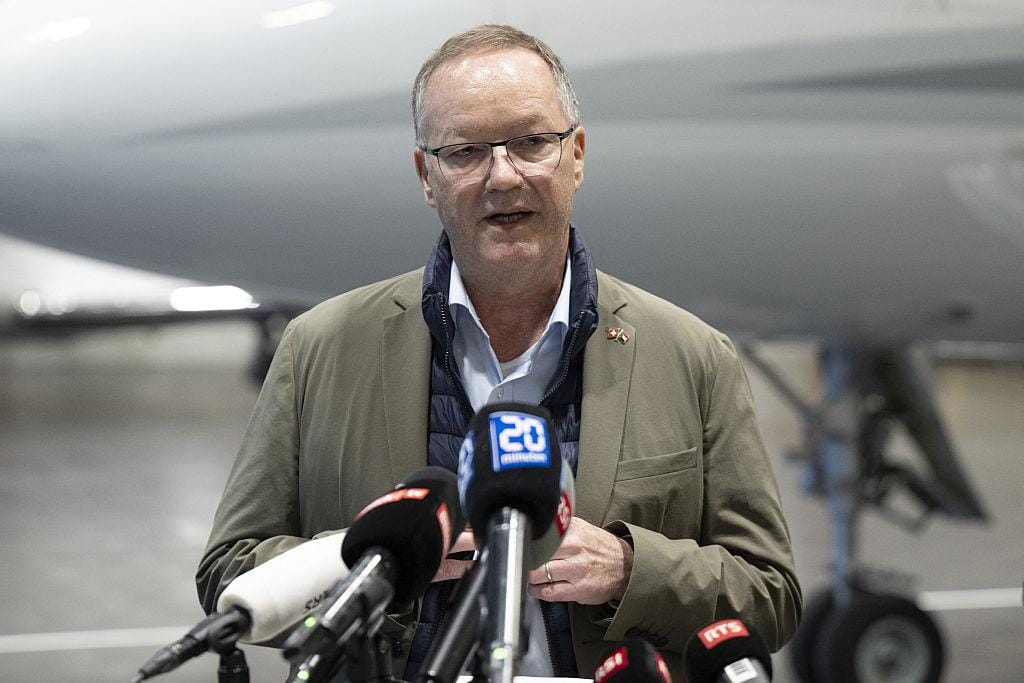
On Thursday, Monika Schmutz Kirgöz, head of the Middle East Division at the FDFA, held talks with the Israeli ambassador. During the meeting, Switzerland reportedly criticised remarks and actions attributed to Israeli Security Minister Itamar Ben-Gvir, highlighting concerns over the treatment of the activists.

The incident has added further tension to already sensitive international relations surrounding the Gaza conflict and humanitarian access to the region.

Switzerland continues to emphasize the importance of respecting international law and ensuring the protection of citizens involved in humanitarian missions abroad.