Swiss Scientists Discover New Target for Treating Blindness.

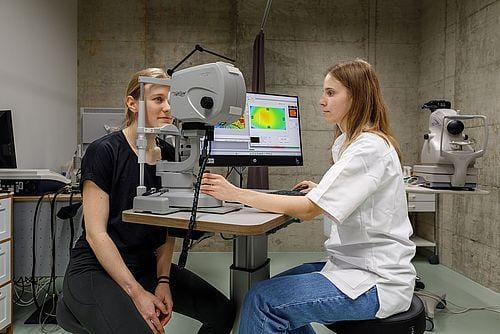
Researchers led by the University of Fribourg in Switzerland have identified a promising new biological target that could lead to improved treatments for age-related macular degeneration (AMD), one of the leading causes of blindness worldwide.

The study focuses on restoring the eye’s natural cellular recycling system, which plays a critical role in maintaining retinal health. Scientists believe that failure in this system is a key driver of vision loss as people age.

AMD primarily damages photoreceptors and retinal pigment epithelial cells, which are essential for clear central vision. When these cells deteriorate, patients gradually lose the ability to see fine details, significantly affecting daily life.

The Swiss research team, led by experts in cellular biology, investigated a process known as chaperone-mediated autophagy (CMA). This system normally helps cells remove damaged proteins and maintain internal balance, but it becomes less effective with age.

According to the findings, CMA activity is crucial for retinal health, and its breakdown may directly contribute to the development of AMD. By identifying this mechanism, researchers have uncovered a potential “control point” for future therapies.

The study also explored an experimental molecule known as CA77.1, which was designed to reactivate the cell’s waste-clearing system. In laboratory models, activation of this pathway reduced inflammation and slowed cellular degeneration linked to vision loss.

Tests on cells derived from AMD patients showed improved cellular stability when the recycling mechanism was strengthened. Scientists say this suggests a new direction in treatment strategies that focus on restoring natural cell function rather than only managing symptoms.

Age-related macular degeneration affects millions globally, with risk increasing significantly after the age of 50. In older populations, the disease becomes a major cause of irreversible central vision loss, creating an urgent need for innovative therapies.

Researchers believe that targeting cellular aging mechanisms could open the door to future treatments that preserve or even restore vision. While the findings are still in early stages, they represent a significant step forward in ophthalmology research.

Switzerland continues to strengthen its position as a leading hub for medical and life sciences innovation, with this study offering new hope for addressing age-related blindness in the future.


Swiss Government Targets Better Endometriosis Treatment.

The Swiss government has announced new measures to improve the diagnosis and treatment of endometriosis, a condition that affects approximately one in ten women of childbearing age. Officials say there is a clear need for action to ensure earlier diagnosis, better treatment quality, and stronger support for women living with the disease.

According to a newly approved government report, many women with endometriosis experience symptoms for years before receiving an accurate diagnosis. The condition can cause severe menstrual pain, chronic pelvic pain, fatigue, anxiety, and fertility difficulties, significantly affecting daily life, education, employment, and personal relationships.

The government acknowledges that challenges surrounding endometriosis reflect broader structural weaknesses in the healthcare system when it comes to managing conditions that primarily affect women. As a result, improving care for endometriosis patients has become part of a wider effort to strengthen women’s health services across Switzerland.

Several initiatives are already underway. The Federal Commission for Quality has been instructed to include female-specific diseases in its strategic objectives. In addition, a national study examining the quality of treatment for these conditions is currently in progress, with endometriosis included among the key focus areas.

The Federal Office of Public Health (FOPH) has also been tasked with exploring ways to analyze existing healthcare data related to women affected by endometriosis. This work will be carried out in collaboration with the Swiss Health Observatory to better understand patient experiences and treatment outcomes.

While the government is supporting research and policy improvements, it emphasizes that healthcare professionals, hospitals, medical societies, educational institutions, and patient organizations also play a critical role in ensuring timely diagnosis and effective treatment.

Officials are calling for greater awareness of endometriosis in healthcare settings, workplaces, and educational institutions. They believe that increased public understanding, improved research, and coordinated care strategies can help reduce diagnosis delays and improve the quality of life for thousands of women across Switzerland.

The initiative represents an important step toward addressing long-standing gaps in women’s healthcare and ensuring that endometriosis receives the attention it deserves within the Swiss healthcare system.

Cannabis and Testosterone: What a New Study Reveals.

A new Swiss study suggests that cannabis use may be linked to higher testosterone levels in young men, challenging earlier assumptions that the substance lowers male hormone levels.

Study Overview

Researchers from the University of Geneva analyzed blood samples from 94 Swiss military recruits aged between 18 and 23. The participants were divided into two groups: 47 cannabis users and 47 non-users.

The findings showed that testosterone levels were approximately 23% higher in the cannabis-using group compared to non-users.

Biological Mechanism

According to researchers, the increase in testosterone appears to originate in the testicles, specifically in the Leydig cells, which are responsible for producing male sex hormones. The adrenal glands, however, showed no significant change in hormone production.

This suggests that cannabis may have a direct biological effect on testosterone production mechanisms in the male reproductive system.

No Direct Link to Fertility

Despite the increase in testosterone levels, researchers caution against interpreting the results as improved fertility. The relationship between testosterone and reproductive health is complex and cannot be measured by hormone levels alone.

Scientists propose that the increase may be a compensatory response to reduced sensitivity in hormone receptors. Another possibility is that individuals with naturally higher testosterone levels may be more likely to engage in risk-taking behaviors, including cannabis use.

Wider Scientific Context

The study aligns with earlier research from Denmark and the United States, which also observed a correlation between cannabis use and increased testosterone levels. However, earlier smaller studies had produced mixed or contradictory findings.

Conclusion

Researchers emphasize that while cannabis appears to influence hormone levels, its long-term effects on fertility and reproductive health remain unclear. Further large-scale studies are needed to understand the full clinical implications.

Weight Loss Drugs May Impact Brain Reward System.

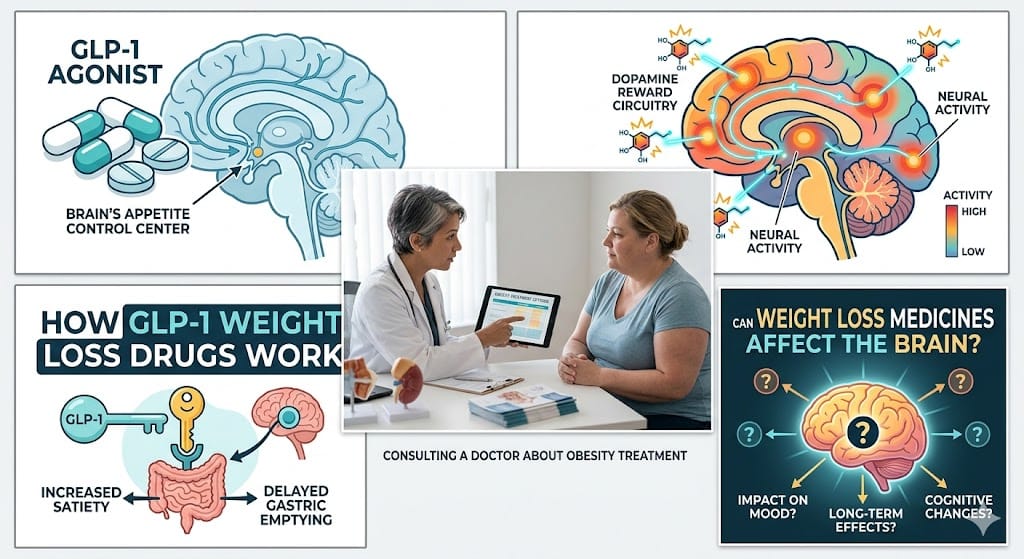
Researchers have raised concerns that new-generation weight loss medications may directly affect the brain’s pleasure and reward system in addition to reducing appetite.

Recent studies on GLP-1 based weight loss drugs suggest that these medications may influence dopamine activity in the brain. Dopamine is a chemical linked to pleasure, motivation, reward, and addictive behavior.

The research, supported by the National Institutes of Health and conducted by scientists at University of Virginia, found that GLP-1 medications may alter how the brain responds to food cravings and reward signals.

Experts say these medicines not only reduce hunger but also decrease cravings for high-calorie foods by affecting brain pathways related to pleasure and satisfaction. Scientists believe this could help people better control overeating and manage obesity more effectively.

However, researchers also warn that altering dopamine-related brain activity could potentially influence emotional responses, addictive behaviors, and feelings of enjoyment. Medical experts stress that further long-term studies are needed to fully understand the neurological impact of these drugs.

Health specialists recommend that people use weight loss medications only under professional medical supervision. Doctors say careful monitoring is important because these treatments may affect both physical and mental health.

GLP-1 based medicines have become increasingly popular worldwide for obesity treatment and diabetes management, but scientists continue to study their broader effects on the human brain and behavior.