

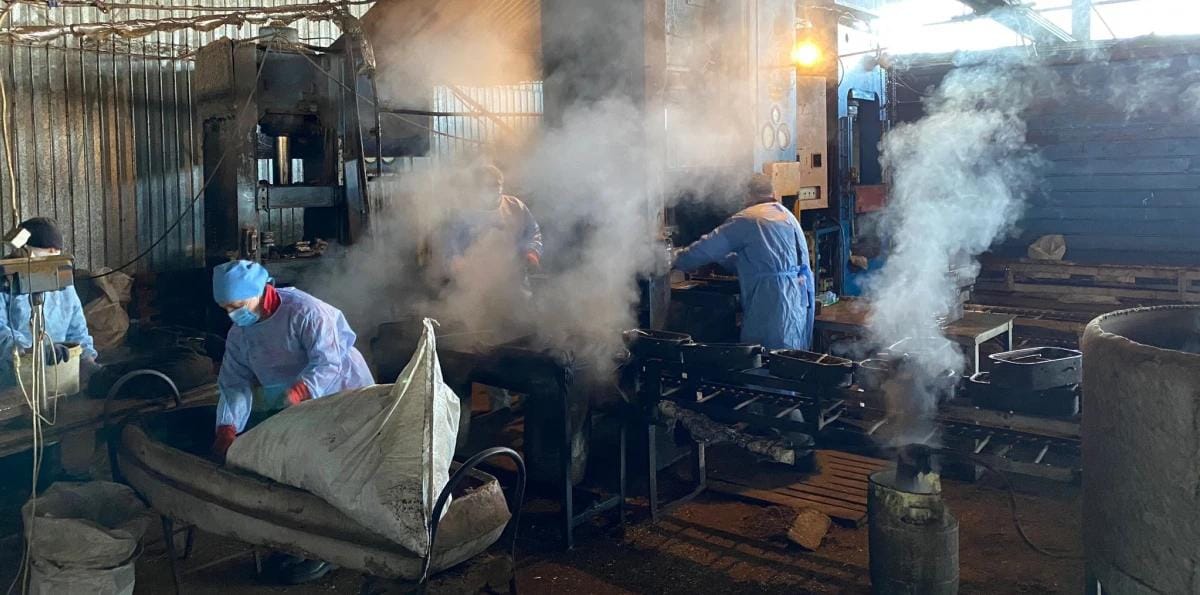
EU Approves Tougher Steel Import Tariffs Affecting Switzerland.

The European Parliament has approved stricter steel import regulations aimed at protecting the European market from global steel overcapacity, with the new measures also affecting Switzerland.

Under the revised policy, duty-free steel import quotas will be significantly reduced, while customs duties on imports exceeding the quotas will rise from 25% to 50%.

The new rules will apply to most non-EU countries, with exemptions only for members of the European Economic Area, including Norway, Iceland, and Liechtenstein. Switzerland unsuccessfully attempted to secure an exemption during negotiations in Brussels.

The European Commission stated that the measures comply with World Trade Organization regulations and are necessary to shield European steel producers from excessive global competition and market distortions.

European officials are currently negotiating updated steel quotas with more than 20 international partners, including Switzerland, as discussions continue over the economic impact of the new trade restrictions.

The tougher tariff framework is expected to take effect on July 1, 2026, pending final approval from EU member states.

The decision increases pressure on Swiss steel producers already facing challenges linked to rising energy costs, international competition, and slowing industrial demand across Europe.
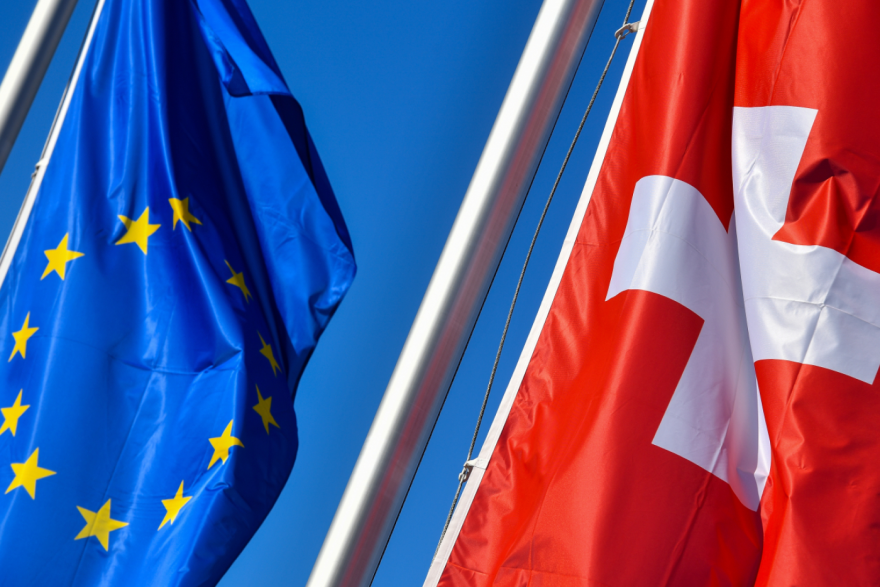
EU Rejects Swiss Criticism Over New Steel Import Tariffs.

The European Union has rejected criticism from Switzerland over its newly approved steel import tariffs, stating that the measures comply with existing trade agreements and do not breach ongoing bilateral understandings.

The dispute escalated after Swiss Economics Minister Guy Parmelin described the EU’s stricter steel rules as “unacceptable” and expressed surprise at their timing, as Switzerland’s parliament continues reviewing a major bilateral agreement package with Brussels.

The European Commission responded that the joint declaration on stabilising Switzerland–EU relations only applies to the new cooperation package currently under negotiation. It clarified that steel trade falls under the 1972 free trade agreement and is therefore outside the scope of the recent political declaration.

The EU’s new steel policy includes reduced import quotas and doubled tariffs on excess volumes, aiming to protect its domestic steel industry. These rules are expected to take effect from July 1, with exceptions only for European Economic Area countries such as Norway, Iceland, and Liechtenstein.

European Commission emphasized that Switzerland is not part of the exemption list and that any future quota adjustments would need to be negotiated through international trade frameworks such as the World Trade Organization.

Swiss officials argue that the timing and scope of the measures could create political tension while the broader Switzerland–EU agreement package is still under parliamentary review. Despite disagreements, both sides have expressed interest in maintaining stable long-term relations.