Switzerland Set to Forge Closer Strategic Ties With Vietnam

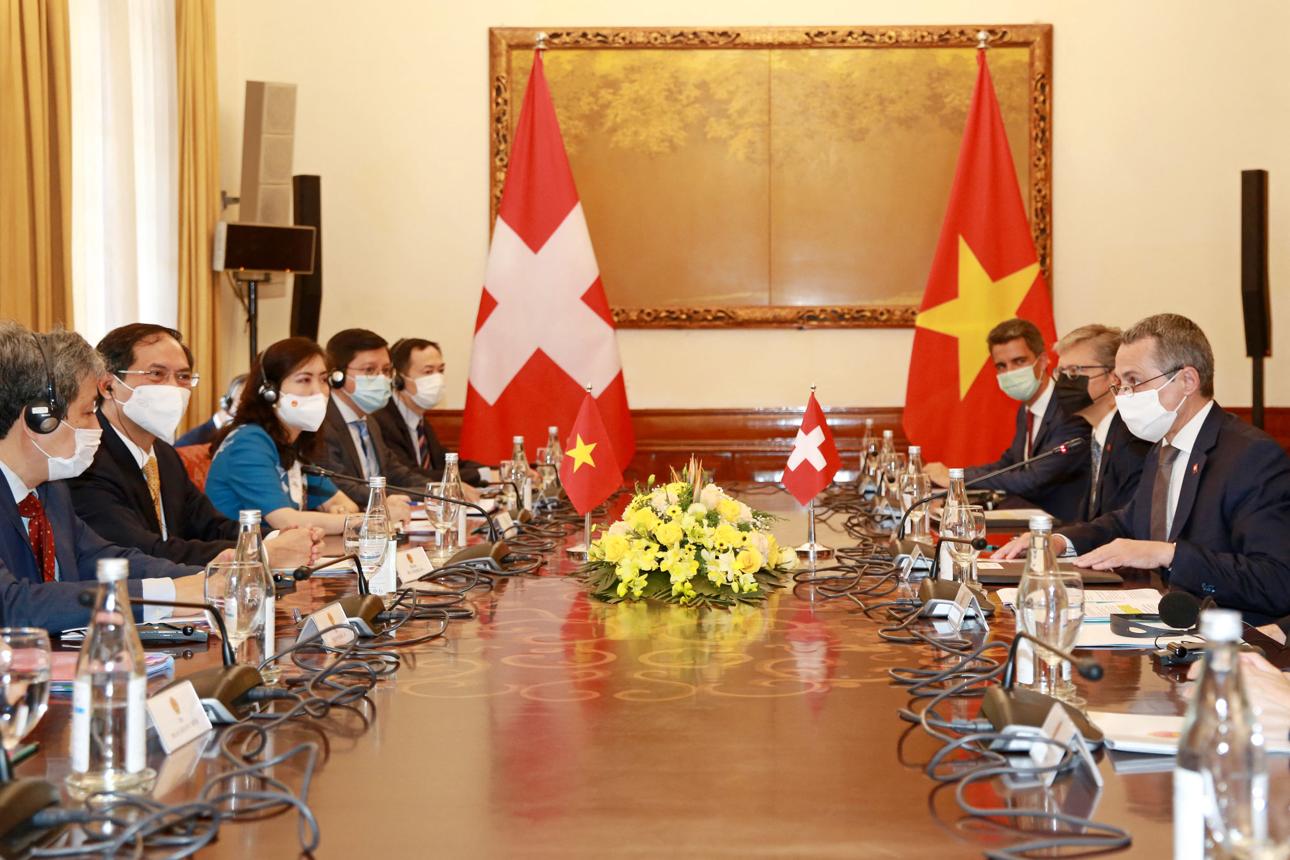
The Swiss government is moving to strengthen its relationship with Vietnam through a broad partnership covering politics, trade, research, and innovation.

According to an official statement released on Friday, Switzerland intends to place cooperation with Vietnam on a more structured and long-term footing under its Southeast Asia Strategy 2023–2026. As part of this strategy, Vietnam has been designated as a “priority partner country” in the region.

Expanding Political and Economic Cooperation

The new partnership aims to deepen political dialogue and expand economic relations between the two countries in a sustainable and coordinated manner. Swiss authorities emphasized that the initiative reflects Vietnam’s growing international importance and the increasing volume of trade between the two nations.

A key element of the strategy is support for ongoing negotiations between the European Free Trade Association (EFTA) and Vietnam. Switzerland also aims to modernize its existing investment protection agreement with the Southeast Asian nation to improve legal and economic frameworks for businesses.

Focus on Innovation and Sustainability

Beyond trade, Switzerland plans to enhance cooperation with Vietnam in education, science, research, innovation, and technology. The partnership will also promote collaboration in areas such as digital transformation, intellectual property, sustainable finance, renewable energy, and infrastructure development.

Swiss officials highlighted that these sectors are central to both countries’ long-term development goals and economic competitiveness.

Strengthening Global Cooperation

The declaration also outlines increased cooperation at multilateral and regional levels, including within the United Nations, ASEAN, and La Francophonie. Both Switzerland and Vietnam reaffirmed their commitment to a rules-based international order and stronger global multilateralism.

The two countries also plan to work together on shared global challenges, including regional security, economic resilience, and sustainable development.

Strategic Importance of the Partnership

The Swiss government stated that this enhanced cooperation reflects Vietnam’s rising economic significance and Switzerland’s interest in strengthening its presence in Southeast Asia.

Regular high-level political consultations are expected to maintain momentum and ensure continued progress across all areas of cooperation.
Switzerland Signs Gaza Humanitarian Declaration

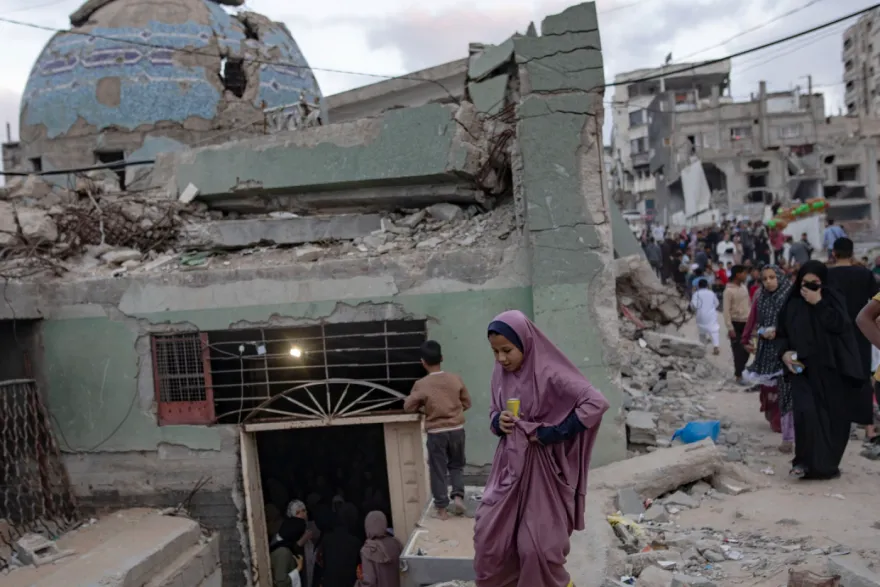
Switzerland has joined 19 other countries in signing a joint declaration expressing serious concern over the worsening humanitarian situation in the Gaza Strip. The Swiss foreign ministry described the situation as dramatic and highly unstable, emphasizing the urgent need for improved access to essential services and humanitarian assistance.

According to the Federal Department of Foreign Affairs, access to basic services in Gaza remains severely restricted. The United Nations reports that the healthcare system is under extreme pressure, with none of the 36 hospitals in the region fully functional and only about half operating partially.

The humanitarian crisis has also led to widespread displacement, with approximately 1.7 million people forced to leave their homes. Overcrowded living conditions, combined with inadequate waste management, have increased the spread of diseases such as skin infections among displaced populations.

In the joint declaration, Switzerland and its international partners called on Israeli authorities not to implement a new registration system for international non-governmental organisations in its current form. The statement also reaffirmed obligations under international humanitarian law, stressing the need to ensure safe, rapid, and unrestricted delivery of aid to civilians.

The declaration was signed alongside countries including Austria, Belgium, Denmark, Finland, France, Germany, Ireland, Japan, the Netherlands, Norway, Spain, Sweden, the United Kingdom, and others, as well as the European Commission.

Switzerland also highlighted its ongoing financial support for the Palestinian population. Since November 2023, the country has provided approximately CHF 174 million in assistance, including CHF 150 million dedicated specifically to humanitarian aid. Additional funding of around CHF 31 million has been allocated for the current year.

Officials in Bern reiterated Switzerland’s commitment to humanitarian principles and international cooperation, stating that continued support for civilians affected by conflict remains a key priority in its foreign policy approach.

Switzerland Marks 30 Years in Francophonie with Renewed Commitment.

Switzerland has reaffirmed its commitment to the International Organisation of La Francophonie as the country marks 30 years of membership in the global French-speaking community.

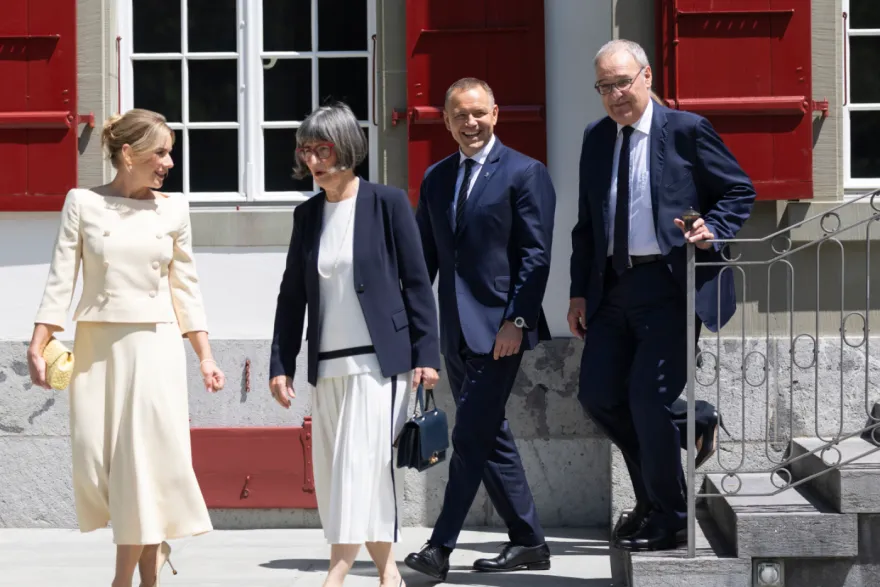
Foreign Minister Ignazio Cassis and Culture Minister Elisabeth Baume-Schneider met with Louise Mushikiwabo, Secretary-General of the Francophonie, in Bern on Thursday to celebrate the milestone and discuss the organisation’s future role.

During the discussions, Swiss officials emphasized the importance of maintaining a Francophonie that remains effective, relevant, and beneficial to its 90 member states and governments. They highlighted the organisation’s role as a platform for dialogue, cultural exchange, and international cooperation.

Speaking at the event, Baume-Schneider described the Francophonie as a privileged space for dialogue and influence. She noted that Switzerland contributes its unique experience in federalism, multilingual coexistence, mediation, and consensus-building, strengthening the organisation’s diplomatic value.

She also underlined that the French language serves as a bridge between cultures and continents, supporting mutual understanding and cooperation across diverse societies.

Since joining the organisation in 1996, Switzerland has viewed the Francophonie as an important forum for promoting democracy, peace, and human rights through linguistic diversity and shared cultural values.

For 2026, Switzerland’s contribution to the Francophonie amounts to CHF 4.1 million, making it the third-largest financial contributor after France and Canada, according to official figures.

The Observatory of the French Language reports that approximately 396 million people worldwide now speak French, highlighting the continued global relevance of the language.

The anniversary reinforces Switzerland’s role as a multilingual nation actively engaged in international cultural diplomacy and global dialogue.

Switzerland Hosts Over 140 Foreign Diplomatic Missions.

Switzerland is widely recognized as one of the world’s most important diplomatic centers, hosting a large number of foreign embassies and international representations.

According to available figures, around 146 countries maintain official diplomatic representation in Switzerland. Of these, nearly half have established full embassies directly in the capital city, Bern.

Bern alone hosts approximately 91 foreign embassies, making it a key center for bilateral diplomatic relations. These embassies manage political, economic, and consular relations between Switzerland and their respective countries.

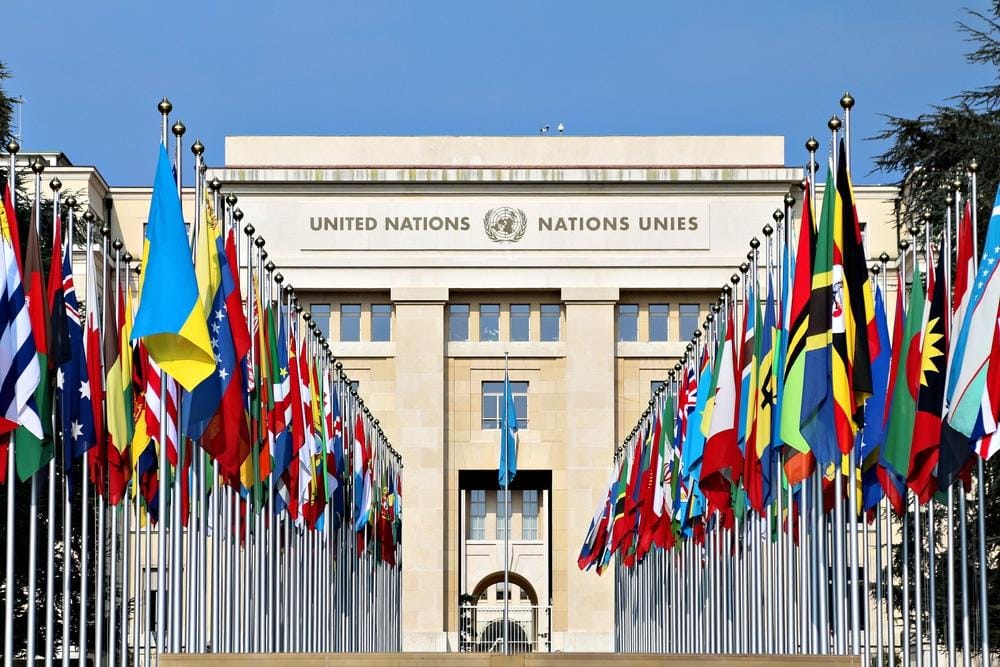
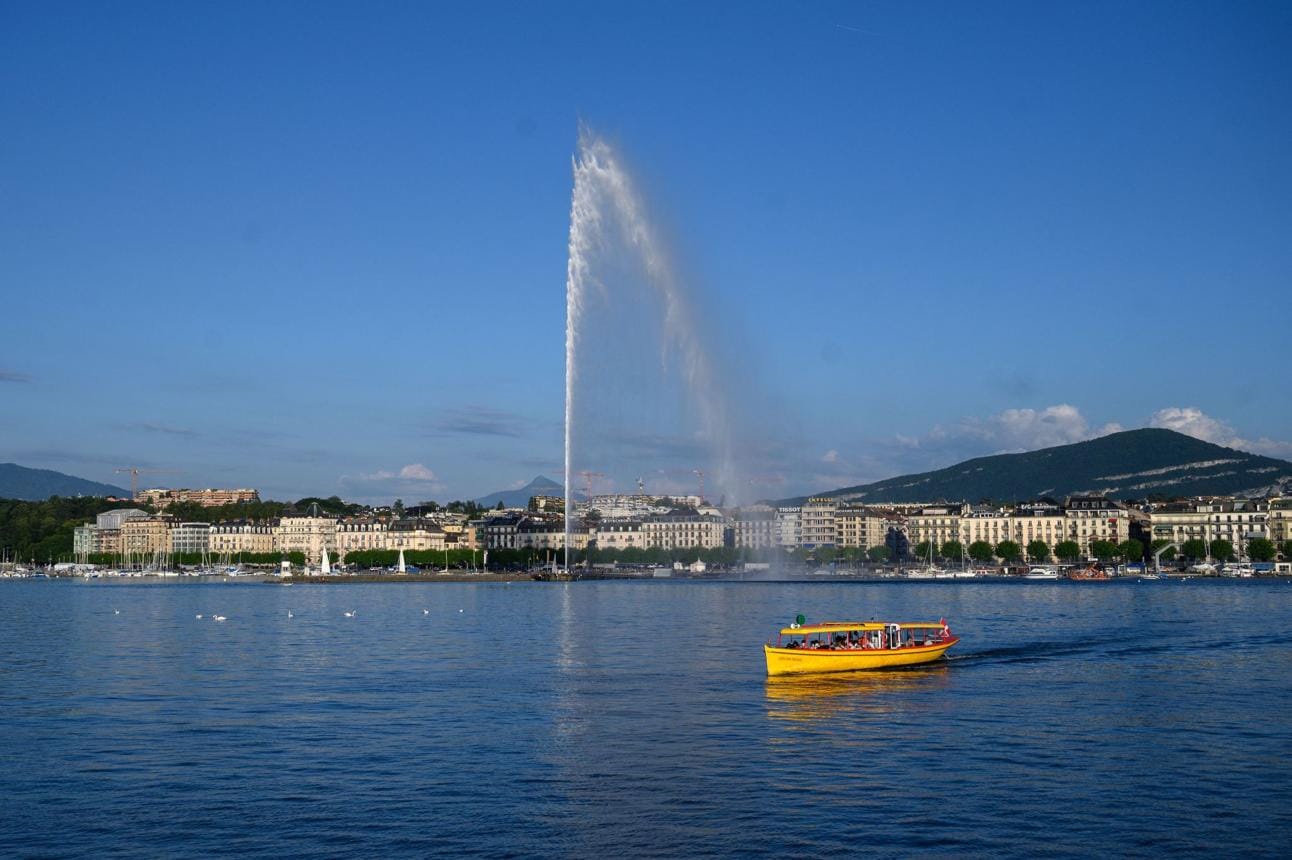
In addition to Bern, Geneva plays a crucial international role. The city is home to the United Nations Office at Geneva and dozens of other global organizations. Around 64 permanent missions representing various countries operate there, focusing on multilateral diplomacy and international cooperation.

Beyond embassies and permanent missions, Switzerland also hosts more than 180 consulates across different cities. These consular offices provide services such as visa processing, assistance to citizens abroad, and trade support.

While Bern serves as the political capital for diplomatic relations, Geneva functions as a global hub for international dialogue, peacebuilding, and humanitarian coordination.

Overall, Switzerland’s diplomatic network reflects its long-standing policy of neutrality and international engagement. With over 140 countries represented in various forms, the country continues to play a central role in global diplomacy and international governance.

Switzerland Ready for June G7 Summit.

Switzerland is making final preparations for the upcoming G7 Summit in Evian, France, with Swiss President Guy Parmelin expressing confidence that the country will be ready for the high-profile international event. The summit, scheduled to take place from June 15 to 17, will bring together some of the world’s most influential political leaders.

As part of the event, several heads of state are expected to arrive through Geneva before attending meetings in nearby Evian. Parmelin said authorities are working closely on security, logistics, and diplomatic arrangements to ensure smooth operations throughout the summit period.

Speaking in Geneva, the Swiss president acknowledged that major international events often come with unexpected challenges. He recalled the 2021 summit between former US President Joe Biden and Russian President Vladimir Putin, noting that numerous unforeseen issues emerged during preparations.

Swiss authorities continue to coordinate with their French counterparts regarding security measures and financial responsibilities linked to the event. Discussions are ongoing concerning a potential French contribution toward Switzerland’s security costs, which Parmelin indicated could be significant.

The president also met with Geneva police commander Monica Bonfanti to review preparations. Authorities aim to maintain public safety while managing expected diplomatic activities and potential demonstrations. A planned protest in Geneva on June 14 is also being monitored as part of the broader security strategy.

Parmelin emphasized that both Switzerland and France share a common objective: ensuring the summit proceeds smoothly and securely. The event is expected to place Geneva at the center of international attention as world leaders gather to discuss global political and economic challenges.

With security planning intensifying and diplomatic coordination continuing, Switzerland is preparing to play an important supporting role in one of the year’s most significant international meetings.

Polish President Visits Switzerland in Bern Ceremony.

Polish President Karol Nawrocki receives full military honours during an official visit to Switzerland in Bern on Wednesday. Swiss leaders welcome him at Parliament Square, highlighting strong diplomatic and economic relations between the two countries.

President Nawrocki states that relations between Poland and Switzerland remain “of very high quality,” while Swiss officials confirm that cooperation between Bern and Warsaw has “never been better.”

Both nations focus discussions on strengthening economic ties, with Poland emerging as Switzerland’s most important trading partner in Central Europe. In 2025, bilateral trade reaches nearly CHF 6.5 billion, reflecting growing commercial cooperation.

Switzerland continues to support Poland through its EU cohesion contribution, with Warsaw receiving around CHF 320 million. The funding supports infrastructure upgrades in medium-sized Polish cities and promotes research and innovation projects.

Swiss officials emphasize that improved infrastructure in Poland also benefits Swiss companies operating in the region. The visit reinforces long-term economic collaboration and political goodwill between the two European partners.

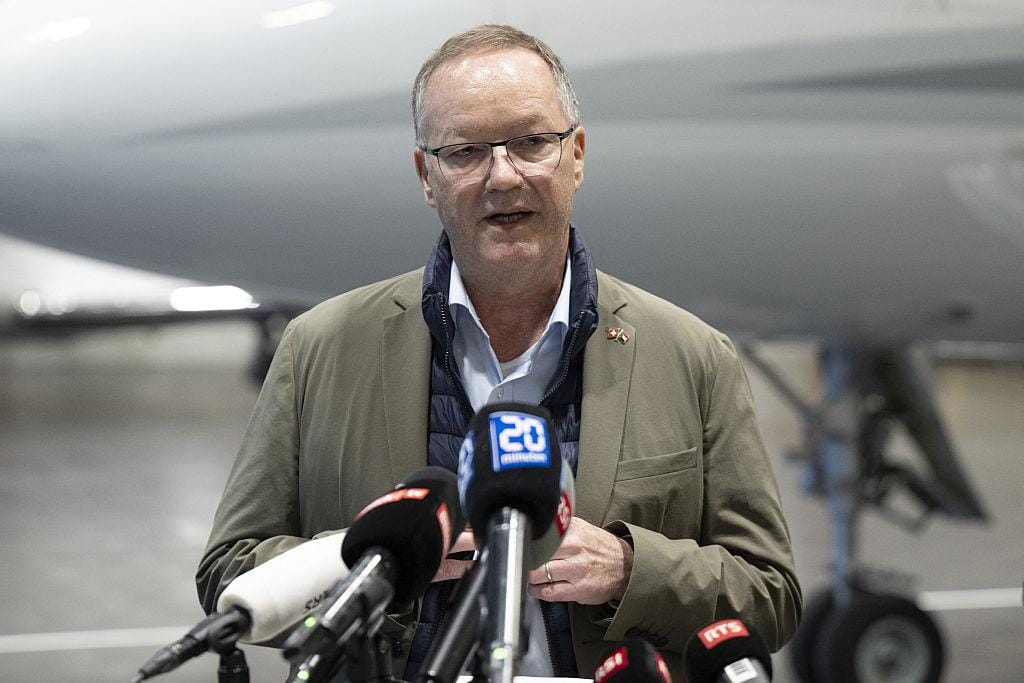
Swiss Ambassador Targets Stronger UN Dialogue.

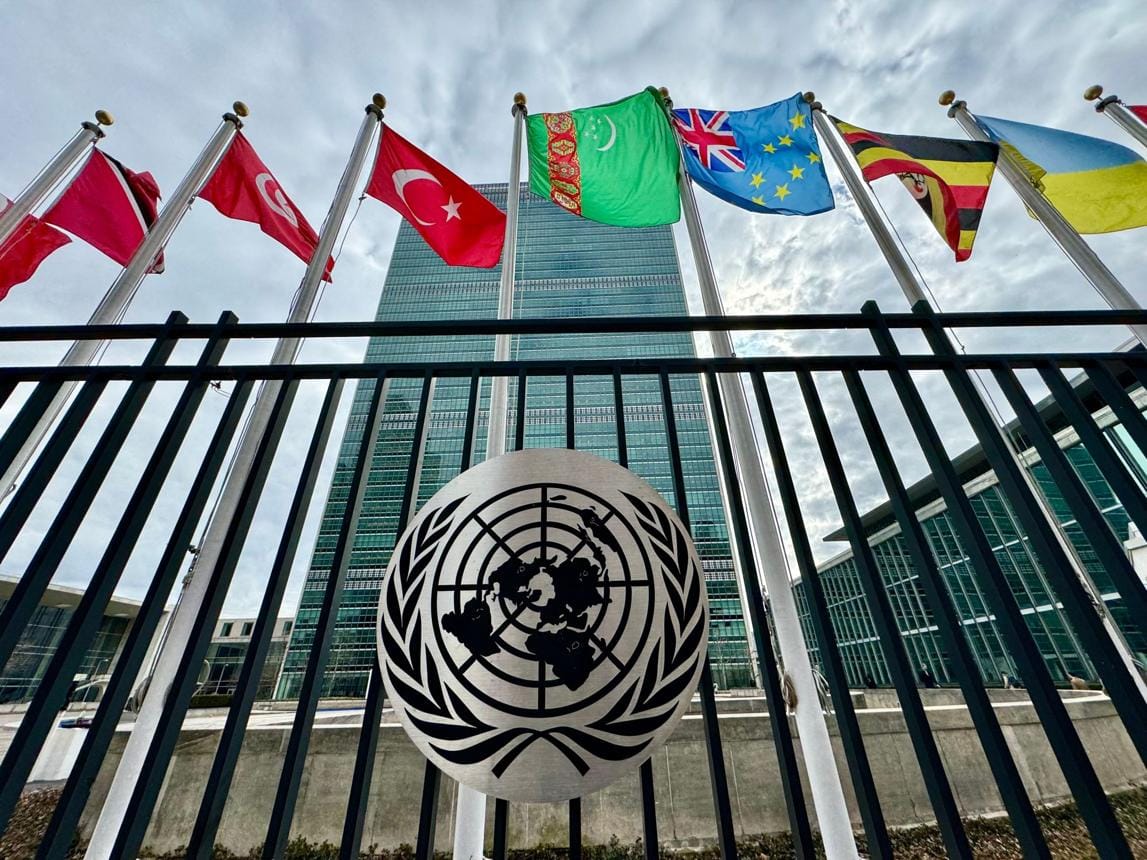
Switzerland’s newly appointed ambassador to the United Nations is calling for a stronger global role for Switzerland and a renewed focus on “International Geneva” as a key hub for diplomacy and multilateral cooperation.

The new ambassador, Frank Grütter, has expressed his intention to bring a distinctly Swiss approach to the United Nations in New York by promoting dialogue, pragmatism, resilience, and innovation in global decision-making.

With over 25 years of diplomatic experience, Grütter is highly familiar with the UN system. He previously served in New York in the early 2000s and later headed the United Nations and International Organisations Division in Bern from 2018 to 2022. He also played a key role in Switzerland’s successful campaign for a non-permanent seat on the UN Security Council.

Grütter officially presented his credentials to UN Secretary-General António Guterres on May 8. During their meeting, discussions focused on Switzerland’s role within the UN system and its position as host to major international organisations in Geneva and Bern.

Switzerland continues to position itself as a global bridge-builder, supporting international law, human rights, and sustainable development through diplomatic engagement and its policy of good offices.

Grütter also emphasized that the UN remains an essential platform for global dialogue despite geopolitical tensions and operational challenges, including financial liquidity pressures caused by delayed or missing contributions from some member states.

However, he also highlighted positive developments, including strong international support for the UN and recent agreements such as the high seas treaty and a global pandemic accord negotiated under the World Health Organization World Health Organization.

He noted that despite financial challenges, many countries are now paying their contributions more consistently, reflecting renewed commitment to the institution.

According to the ambassador, Switzerland’s recent experience on the Security Council continues to strengthen its role within the UN system and supports its broader diplomatic strategy.

Grütter concluded that while global challenges remain significant, it is important to recognize both the difficulties and the progress being made within the international system.

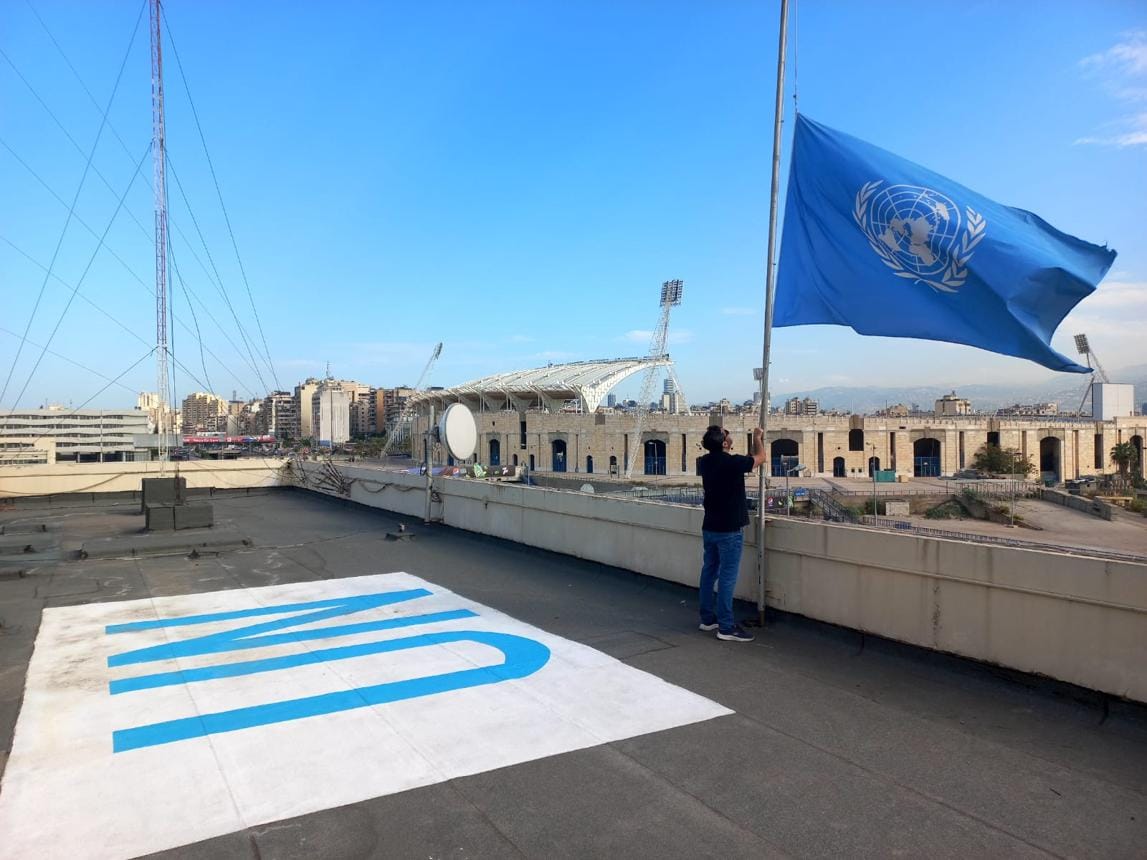
UNRWA Faces Uncertain Future Amid Deepening Crisis

The United Nations Relief and Works Agency for Palestine Refugees (UNRWA) is facing what officials describe as the most serious crisis in its history, with growing financial strain, political pressure, and operational challenges threatening its future.

UNRWA Commissioner-General Philippe Lazzarini warned that the agency is approaching a point where it may become “unviable,” highlighting the severe difficulties it is currently facing.

The agency, based in Geneva, was originally established in 1949 to provide relief services to Palestinian refugees displaced during the 1948 conflict. Over time, it has evolved into a major humanitarian provider, delivering essential health, education, and social services across the Middle East.

Despite its expanded role, UNRWA was intended as a temporary organization until a political resolution to the Israeli-Palestinian conflict was reached. However, the absence of a lasting settlement has led to repeated renewals of its mandate.

Today, UNRWA operates under increasing pressure, particularly in Gaza, where access and operational capacity have been significantly affected by ongoing conflict and political restrictions.

Financial constraints have further intensified concerns, with donor uncertainty and political debates impacting the agency’s ability to maintain essential services for millions of refugees.

The situation has sparked global debate about the future of humanitarian aid structures in the region and whether UNRWA’s responsibilities should be restructured or replaced in the long term.

As the crisis deepens, international stakeholders continue to assess how best to ensure continuity of aid for Palestinian refugees while addressing the agency’s long-standing structural challenges.

Lawyer Criticises Swiss Response to Gaza Flotilla Detentions.

A lawyer representing Swiss participants in the recent Gaza flotilla mission has strongly criticised the response of Swiss authorities following the activists’ detention by Israel.

Speaking to Swiss public broadcaster RTS, Claire Dechamboux accused the Federal Department of Foreign Affairs (FDFA) of failing to act despite prior warnings and testimonies describing violence allegedly experienced by the activists.

Seven of the eight Swiss flotilla participants returned to Geneva on Saturday, where they were welcomed by family members, supporters, and humanitarian activists at the airport.

According to Dechamboux, the activists are physically stable but remain deeply affected by the experience. She stated that they appeared psychologically exhausted and traumatised after the detention.

“They are trembling; you can see it was a very difficult experience,” the lawyer explained while describing the emotional condition of the returning activists.

The flotilla mission, which aimed to reach Palestinian territory with humanitarian intentions, was intercepted by Israeli authorities earlier this week. Participants were reportedly detained before later being released and transported back to Europe.

The controversy has intensified political debate in Switzerland over the country’s diplomatic responsibilities and response to citizens involved in international humanitarian missions.

Human rights organisations and supporters are now calling for greater transparency and stronger diplomatic engagement regarding the treatment of activists detained during the operation.

Switzerland Opens New Embassy in Athens.

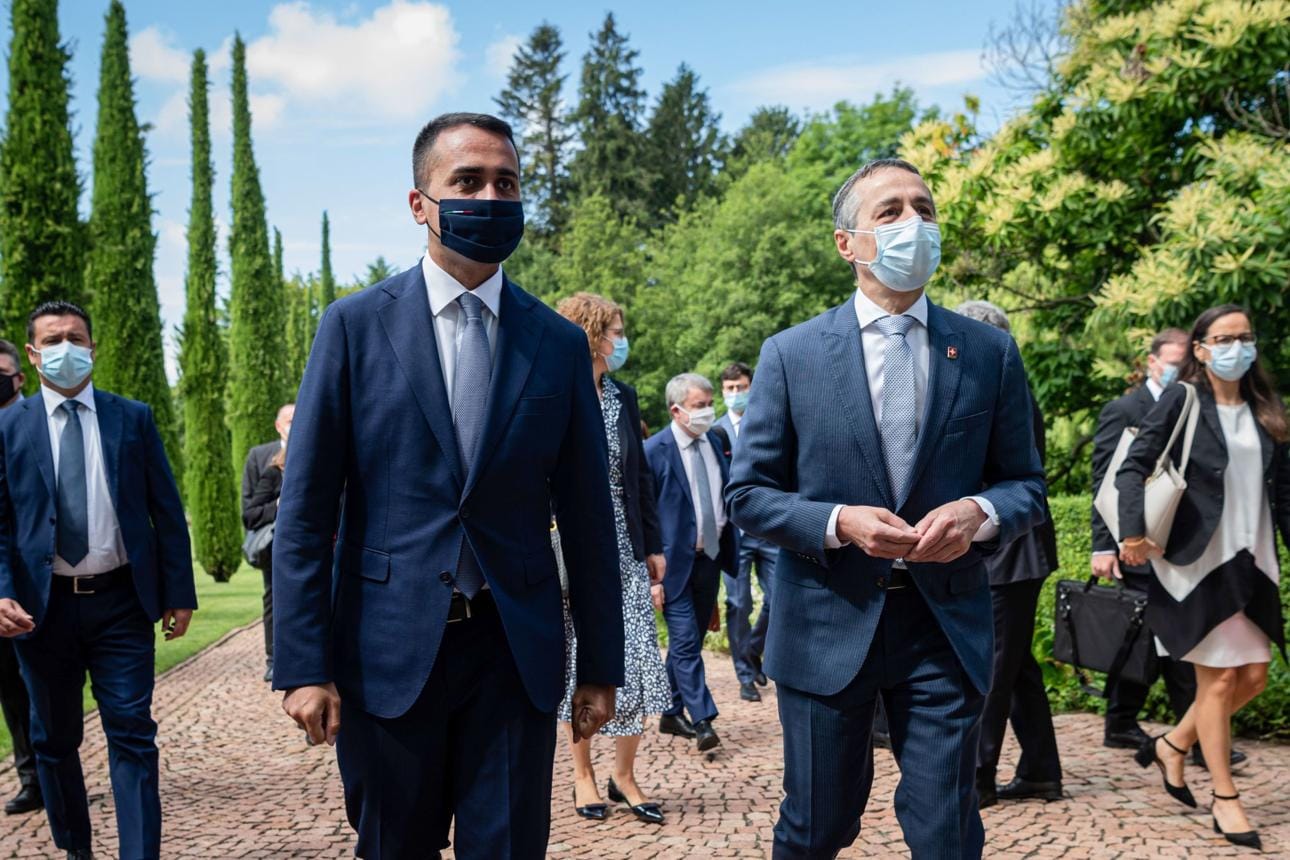
Ignazio Cassis officially inaugurated the new Swiss embassy in Athens, introducing a unique diplomatic space designed to combine culture, science, and international cooperation.

The newly opened facility has been described as a “Swiss House for Culture, Research and Diplomacy.” It brings together the Swiss embassy, the Swiss School of Archaeology in Greece, and a cultural foundation under one roof for the first time.

According to Cassis, the project represents a modern vision of diplomacy where scientific research, cultural exchange, and international relations operate together within a shared environment.

During his visit to Greece, Cassis also held official talks with Giórgos Gerapetrítis. Discussions focused on strengthening bilateral relations, economic cooperation, scientific partnerships, and cultural collaboration between Switzerland and Greece.

The ministers also reviewed the Swiss-Greek cooperation programme connected to Switzerland’s second contribution toward European cohesion and regional development.

In addition, Cassis met with Nikos Dendias to discuss regional security issues within the framework of the Organization for Security and Co-operation in Europe (OSCE), which Switzerland currently chairs.

Swiss officials noted that Greece shares Switzerland’s strong commitment to multilateral diplomacy and plays an important role in maintaining stability in the Eastern Mediterranean and Western Balkans.

The opening of the new embassy highlights Switzerland’s efforts to strengthen international partnerships through diplomacy, culture, education, and scientific collaboration.