

Switzerland Opens New Embassy in Athens.

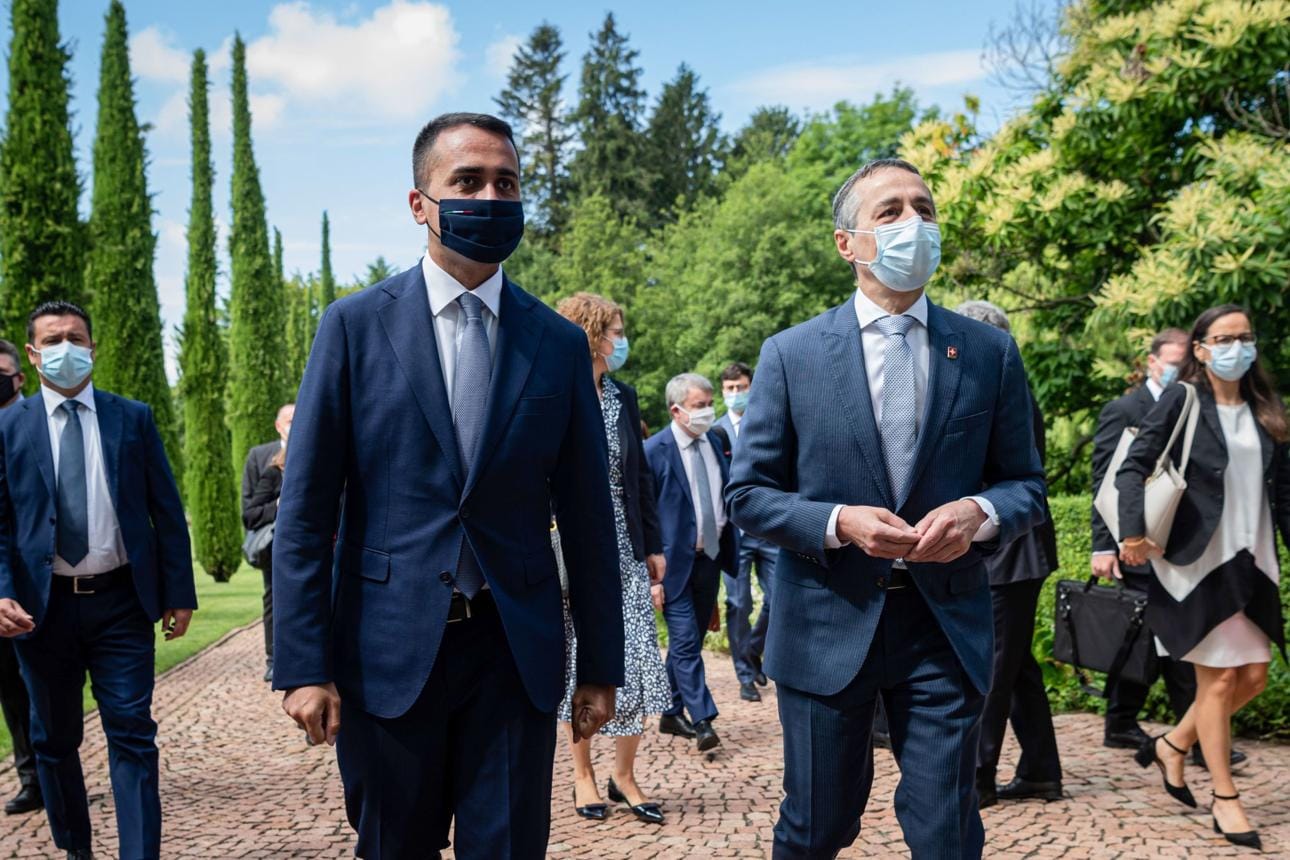
Ignazio Cassis officially inaugurated the new Swiss embassy in Athens, introducing a unique diplomatic space designed to combine culture, science, and international cooperation.

The newly opened facility has been described as a “Swiss House for Culture, Research and Diplomacy.” It brings together the Swiss embassy, the Swiss School of Archaeology in Greece, and a cultural foundation under one roof for the first time.

According to Cassis, the project represents a modern vision of diplomacy where scientific research, cultural exchange, and international relations operate together within a shared environment.

During his visit to Greece, Cassis also held official talks with Giórgos Gerapetrítis. Discussions focused on strengthening bilateral relations, economic cooperation, scientific partnerships, and cultural collaboration between Switzerland and Greece.

The ministers also reviewed the Swiss-Greek cooperation programme connected to Switzerland’s second contribution toward European cohesion and regional development.

In addition, Cassis met with Nikos Dendias to discuss regional security issues within the framework of the Organization for Security and Co-operation in Europe (OSCE), which Switzerland currently chairs.

Swiss officials noted that Greece shares Switzerland’s strong commitment to multilateral diplomacy and plays an important role in maintaining stability in the Eastern Mediterranean and Western Balkans.

The opening of the new embassy highlights Switzerland’s efforts to strengthen international partnerships through diplomacy, culture, education, and scientific collaboration.
Switzerland Raises Concerns Over Italy’s Cross-Border Health Tax Plan.

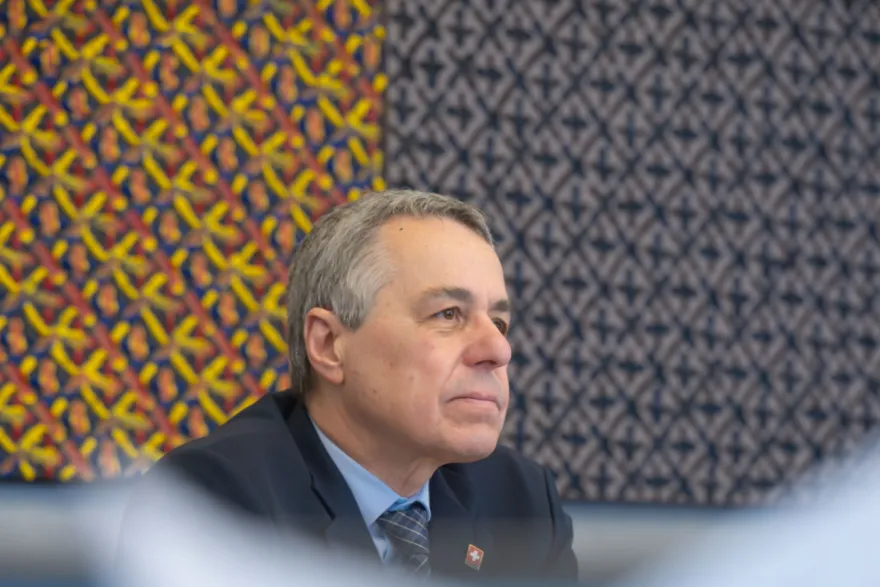
Switzerland has raised serious concerns over Italy’s proposed “health tax” on cross-border workers, a move that could affect thousands of commuters, especially in the border region of Canton of Ticino.

During discussions in Bellinzona, Swiss Foreign Minister Ignazio Cassis emphasized the importance of maintaining strong bilateral relations between Switzerland and Italy. He expressed hope that ongoing dialogue would remain constructive as both countries address sensitive cross-border issues.

The proposed Italian policy would allow border regions to impose a levy of around 3% to 6% on net wages earned in Switzerland by Italian cross-border workers. Swiss authorities warn that this could create economic pressure and disrupt labor mobility between the two countries.

Officials also raised concerns about Italy’s idea of introducing “special economic zones” in border areas. These zones aim to reduce taxes and bureaucracy to encourage businesses to stay in Italy instead of relocating to Switzerland.

In addition, discussions included broader financial topics such as inter-cantonal financial equalization, budget tightening measures, and the promotion of the Italian language in Switzerland. The Ticino government has urged reforms to prevent widening economic gaps between Swiss cantons.

The issue will remain politically sensitive as both nations prepare for the upcoming OSCE Ministerial Council meeting in Lugano, scheduled for December 3–4, where diplomatic cooperation will be further tested.

Swiss Foreign Minister Urges OSCE to Coordinate on Emerging Technologies.

Swiss Foreign Minister Ignazio Cassis has called on member states of the Organization for Security and Co-operation in Europe to develop a common and proactive approach toward emerging technologies.

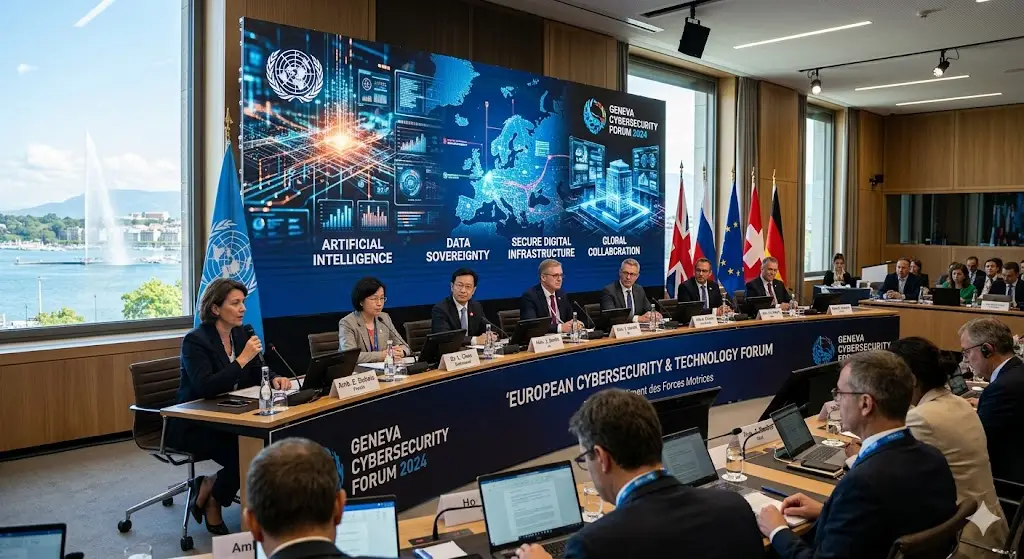
Speaking at a two-day OSCE conference in Geneva, Cassis emphasized the importance of anticipating scientific and technological developments before they create political, social, or security challenges.

“If no one controls them, they will control us,” Cassis warned while referring to rapidly advancing technologies such as artificial intelligence and quantum computing.

The Swiss foreign minister stressed that the greatest danger today is not technological innovation itself, but political delays in responding to technological change.

According to Cassis, if regulations fail to keep pace with innovation, societies may face mistrust, instability, misjudgements, and rising tensions.

He noted that new technologies already influence all major dimensions of the OSCE, including military security, economic competition, civil liberties, and social cohesion.

Conference participants discussed how artificial intelligence, quantum computers, and advanced digital systems could reshape security and cooperation across Europe.

Delegates also explored how technology could help countries manage scarce resources more effectively and support international collaboration.

Switzerland is seeking to strengthen international cooperation on technology governance following initiatives introduced at the United Nations Security Council during Switzerland’s chairmanship in 2024.

Cassis also highlighted the role of a Geneva-based foundation that has worked for years on identifying technological risks and opportunities before they create wider social problems.

He clarified that the goal is not to regulate every technological development, but rather to focus on the most urgent and high-impact challenges facing societies today.

The conference reflects growing international concern over the global impact of artificial intelligence, cyber threats, digital warfare, and emerging technologies on democracy and security.