

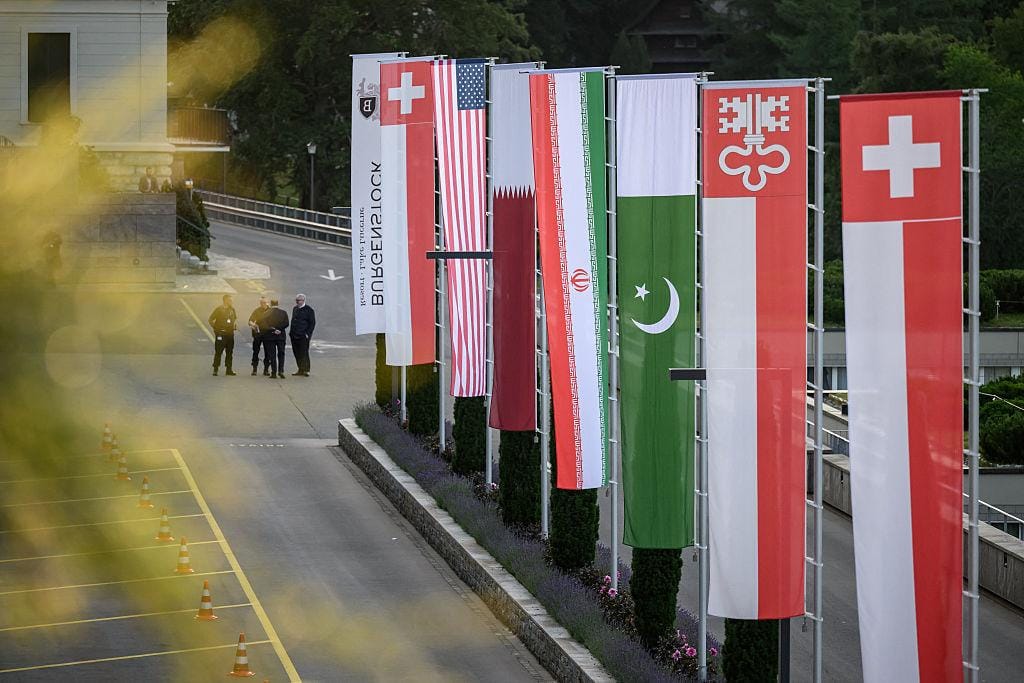
Historic Iran-US Peace Talks Officially Begin in Switzerland

A major diplomatic milestone has been reached as peace negotiations between the United States and Iran officially began on Sunday at the renowned Bürgenstock resort in Switzerland.

The high-level summit has brought together key international leaders, including US Vice President JD Vance, Iranian Parliament Speaker Mohammed Ghalibaf, Qatar’s Prime Minister, and Pakistan’s Prime Minister. The talks mark the beginning of what is expected to be a two-month negotiation process aimed at reducing tensions across the Middle East.

The negotiations follow a memorandum of understanding signed earlier this week by both nations, creating a framework for discussions on some of the region’s most sensitive issues.

Speaking at the opening session, JD Vance described the gathering as a “historic meeting” and called on all parties to work toward “turning a new page” for the Middle East. His remarks reflected hopes that diplomacy could replace years of confrontation and instability.

The Bürgenstock summit comes just days after US President Donald Trump and Iranian President Massoud Pezeshkian signed a framework agreement in Versailles aimed at ending ongoing regional conflicts and establishing conditions for future cooperation.

Negotiators are expected to focus primarily on Iran’s nuclear program, the easing of economic sanctions, and the release of Iranian financial assets currently restricted by the United States. Discussions are also expected to address the fragile ceasefire situation in Lebanon and broader regional security concerns.

Switzerland, known globally for its neutrality and diplomatic role, is once again hosting a significant international summit. Swiss Foreign Minister Ignazio Cassis welcomed both US and Iranian representatives as discussions commenced.

Security has been significantly strengthened around the Bürgenstock venue, with approximately 2,000 military personnel and police officers deployed to ensure the safety of delegates and participants.

Officials have indicated that negotiations may continue for several days before the next phase of talks begins. International observers are closely monitoring developments, as the outcome could have far-reaching consequences for regional stability, global energy markets, and international relations.
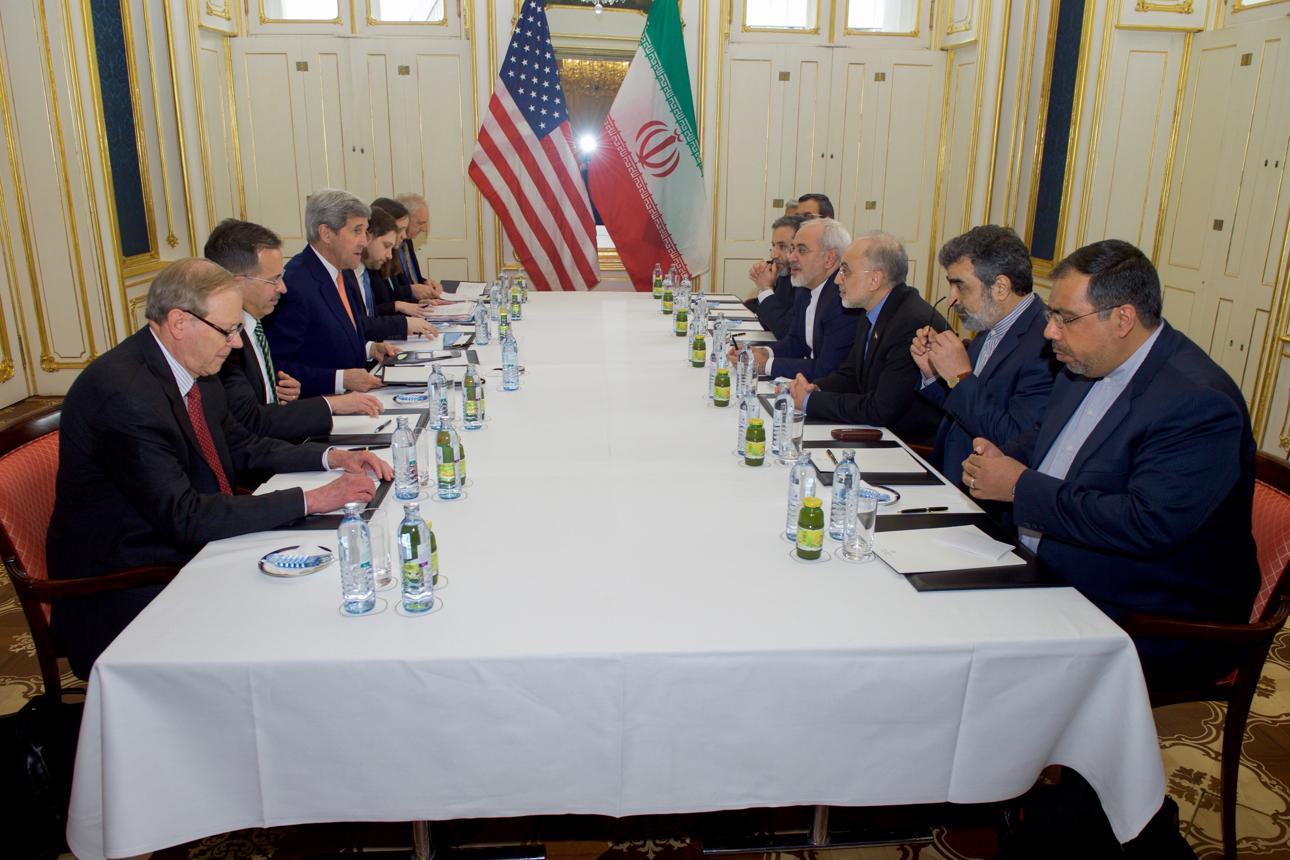
JD Vance Arrives in Switzerland for Iran Peace Talks

United States Vice President JD Vance has arrived in Switzerland to participate in high-level peace talks with Iranian officials at the Bürgenstock resort overlooking Lake Lucerne. The negotiations are expected to focus on Iran’s nuclear programme and efforts to reduce tensions in the Middle East.

Vance and his wife landed at Emmen Air Base early on Sunday morning before travelling to the summit venue. Speaking to reporters upon arrival, Vance expressed optimism about the discussions, saying he hopes progress can be made on both the nuclear issue and a potential ceasefire in Lebanon.

The American delegation includes Special Envoy Steve Witkoff and Jared Kushner, who arrived earlier to coordinate technical and diplomatic preparations for the negotiations.

Iran is represented by a senior delegation led by Parliament Speaker Mohammed Bagher Ghalibaf, who is acting as chief negotiator. Iranian Foreign Minister Abbas Araghchi is also participating in the talks.

Several regional players are involved in mediation efforts. Pakistan and Qatar have confirmed that they are sending representatives to support the negotiations.Pakistan’s Prime Minister Shehbaz Sharif is among the high-profile figures expected to contribute to diplomatic discussions.

The talks follow a memorandum of understanding previously signed by the United States and Iran, aimed at addressing key issues linked to regional stability and the broader Middle East conflict.

Negotiations were originally scheduled to begin earlier but were delayed because of renewed fighting between Israel and Hezbollah in Lebanon. The conflict has complicated diplomatic efforts and remains a major obstacle to progress.

Another key issue is the Strait of Hormuz, one of the world’s most important shipping routes. Iran has warned that it could consider closing the waterway if violence in Lebanon escalates further. The United States has stated that it remains committed to keeping the strategic route open.

Switzerland has long played a significant role as a neutral venue for international diplomacy. The Bürgenstock talks once again place the country at the centre of efforts to resolve major global challenges through dialogue.

US-Iran Talks in Switzerland Postponed After Lebanon Strikes

High-level nuclear talks between the United States and Iran, scheduled to take place in Switzerland, have been postponed following a wave of Israeli air strikes in southern Lebanon. The development has further intensified already fragile diplomatic tensions in the Middle East.

According to the Financial Times, citing sources familiar with the discussions, Iran decided not to send its delegation to the Bürgenstock resort near Lake Lucerne, where the negotiations were expected to take place. The decision came after deadly air strikes in Lebanon escalated regional instability.

Diplomatic sources said Iran demanded assurances that hostilities in Lebanon would cease as part of any ongoing negotiations. Mediators are reportedly working to address these concerns in an effort to revive the talks.

One diplomat involved in the process stated that Iran’s position remains firm, summarised as “no Lebanon, no deal.” Tehran reportedly believes that the current situation gives it leverage in negotiations with Washington, particularly regarding Israel’s military actions in the region.

Another source close to the talks said Iran had previously restrained allied groups such as Hezbollah, but argued that the United States had been unable to exert similar influence over Israel. As a result, Iran has refused to proceed with negotiations under current conditions.

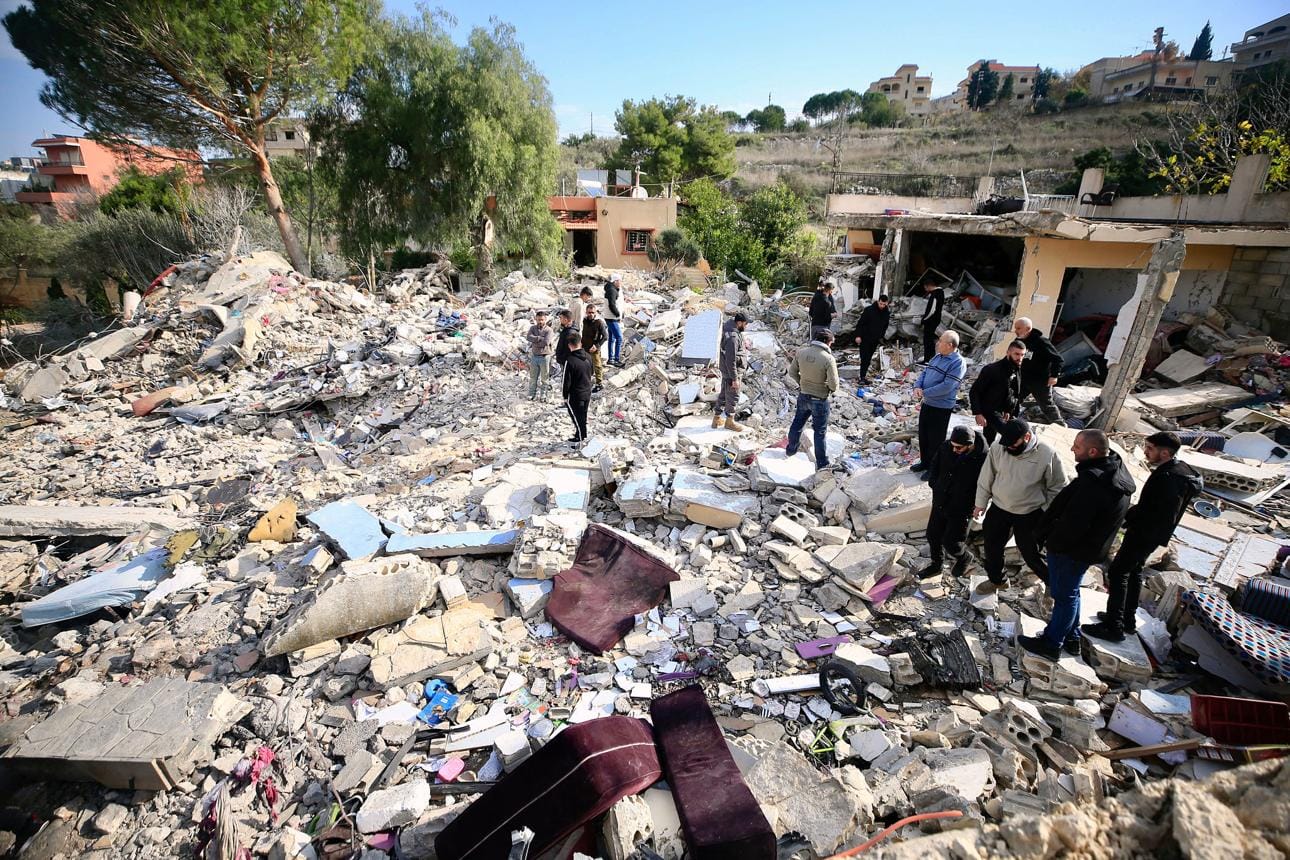
The Financial Times reported that Israeli forces conducted more than 80 air strikes in Lebanon, targeting what they described as Hezbollah positions. The strikes reportedly resulted in significant casualties among militants and continued operations in several areas, including the Bekaa Valley.

While discussions were initially expected to resume on Monday, officials now say the timeline remains uncertain and depends heavily on developments in Lebanon and the wider region.