Swiss Parliament Rejects Return to Joint Taxation of Married Couples.

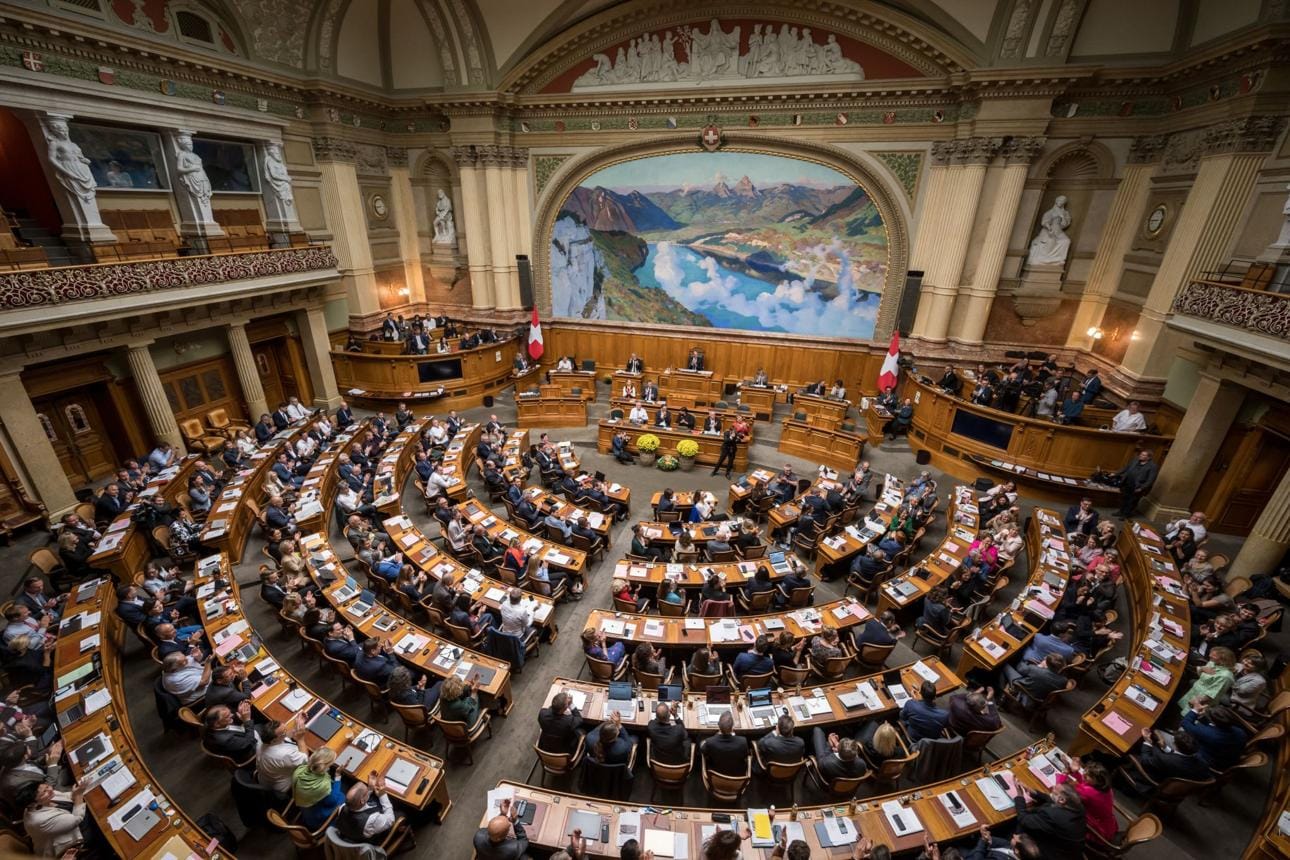
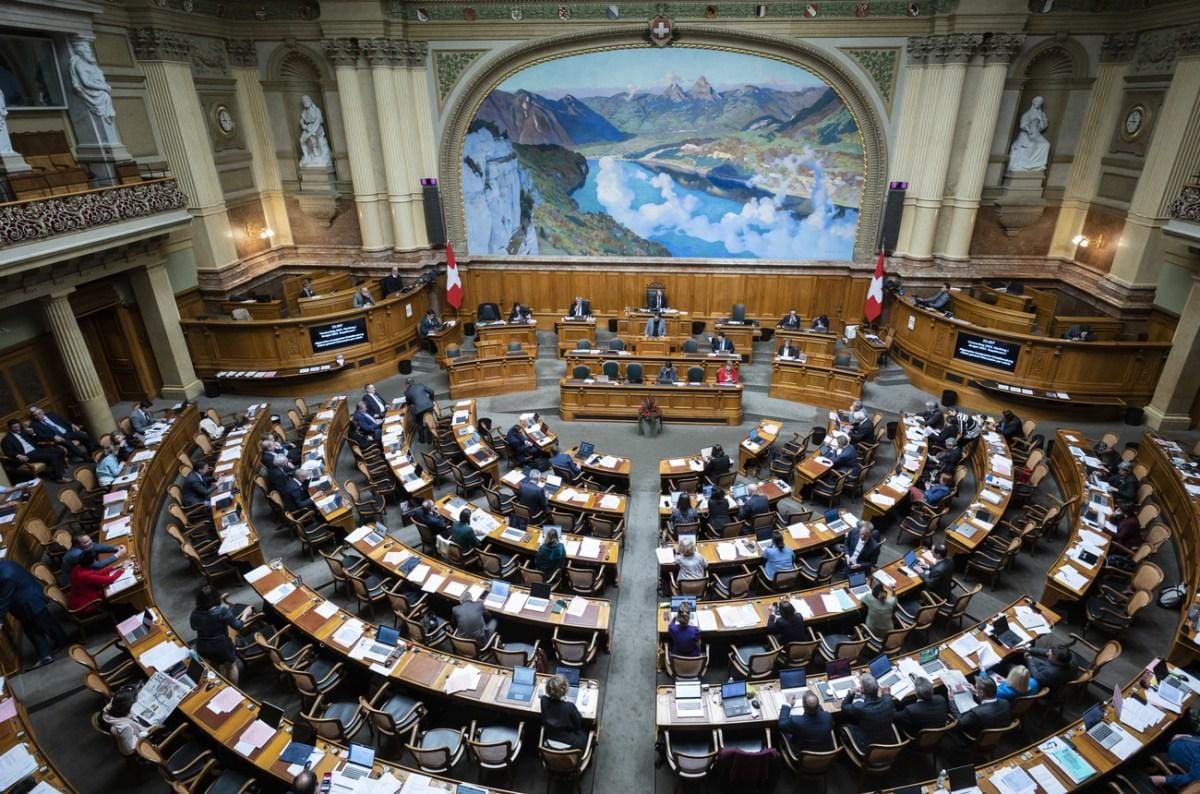
The Swiss Senate has rejected a proposal aimed at reintroducing joint taxation for married couples, following a closely contested vote that ended 24 to 21 in opposition.

The initiative, put forward by the Centre Party, sought to challenge the outcome of a nationwide referendum held in March, where Swiss voters supported a shift toward individual taxation by a 54.2% majority. That decision marked a major change in Switzerland’s tax system, ending the joint taxation model that has been in place since 1984.

Supporters of the Centre Party initiative argued that the current individual taxation system could disadvantage single-income households within marriages. They proposed an alternative model allowing couples to choose between joint or individual taxation, with tax authorities automatically applying the more favorable option.

The proposal also included a transitional framework giving parliament up to three years to implement a practical system. If no solution was reached within that timeframe, authorities would apply the alternative calculation method by default.

However, a majority in the Senate opposed the initiative, arguing that it would create unnecessary administrative complexity and significantly increase bureaucratic costs. Lawmakers also emphasized the importance of respecting the outcome of the recent popular vote, which clearly supported individual taxation.

Critics of the proposal, including members of the centre-right Radical-Liberal Party, stated that the system would be more expensive and difficult to administer compared to the newly approved tax model.

The rejection in the Senate follows a similar decision in the House of Representatives, reinforcing Switzerland’s move toward a fully individual taxation system for spouses.
Swiss GMO-Free Food Initiative Files Complaint Over Missing Signatures.

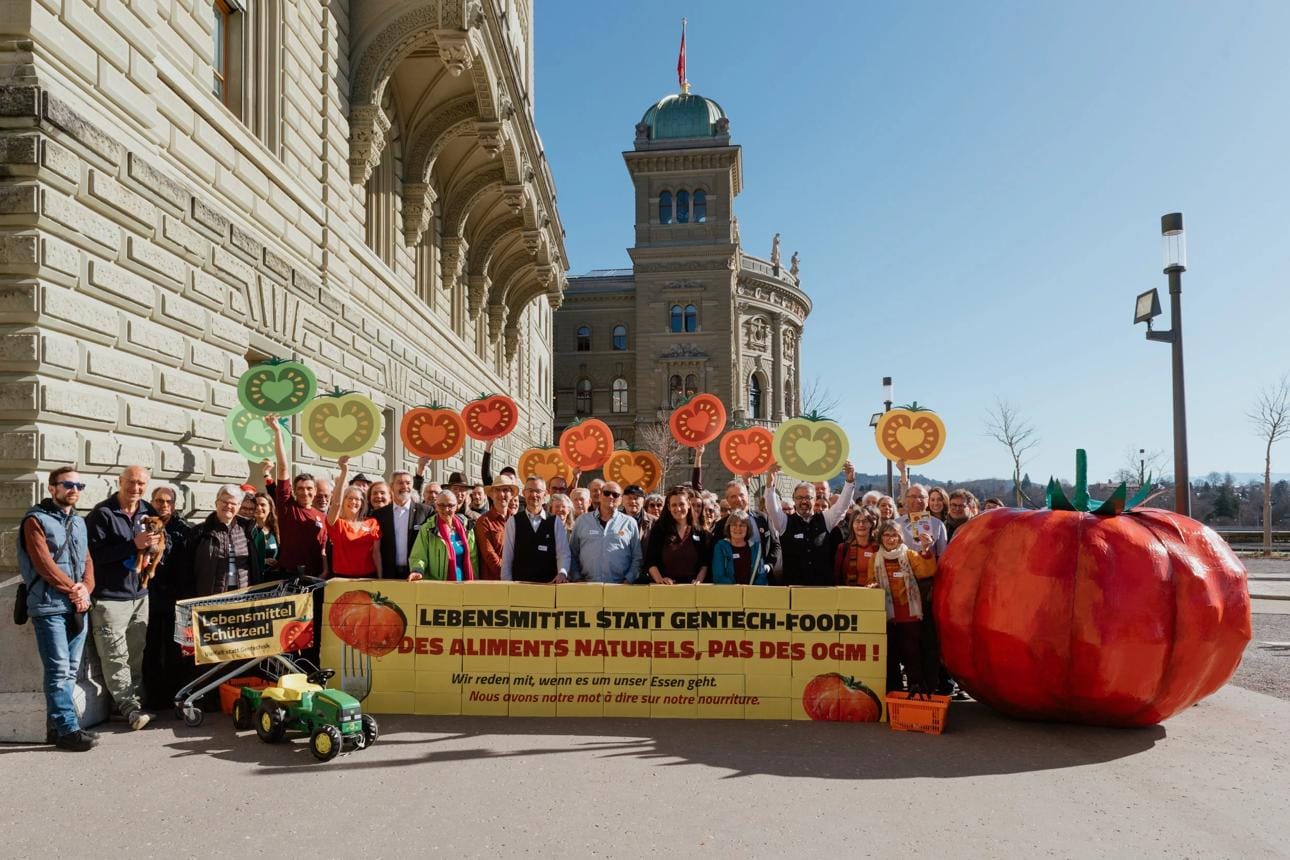
The association behind Switzerland’s GMO-free food initiative has announced plans to file a criminal complaint against unknown persons after claiming that at least 5,000 signatures went missing during an official recount process.

According to the Association for GMO-free Food, signatures that were previously validated by local municipalities were not found during a recount conducted by the Federal Chancellery. The group says it based its findings on a survey of around 240 municipalities and believes the actual number of missing signatures could be even higher.

The missing signatures are considered crucial for the initiative to reach the required threshold of 100,000 valid signatures needed to trigger a national vote. The association argues that if the disputed signatures were included, the initiative would likely have qualified for a popular referendum on extending control over genetically modified organisms beyond the current moratorium, which is set to expire in 2030.

Due to the narrow margin in the initial verification process, a recount of signatures was ordered at the end of March. Swiss authorities typically conduct additional checks when initiatives fall within a close range of 95,000 to 101,000 valid signatures to ensure accuracy and transparency.

The Federal Chancellery has stated that multiple departments were involved in the recount process as part of standard procedure. However, the GMO-free food association is demanding a full investigation to determine what happened to the missing signatures and to ensure public trust in the initiative system.

The dispute highlights ongoing tensions around Switzerland’s direct democracy system, where citizen initiatives play a key role in shaping national policy. Authorities have not yet commented on the allegations in detail, and the case is expected to attract further legal and political attention.

Switzerland’s 10 Million Population Vote: Impact on Tamils?

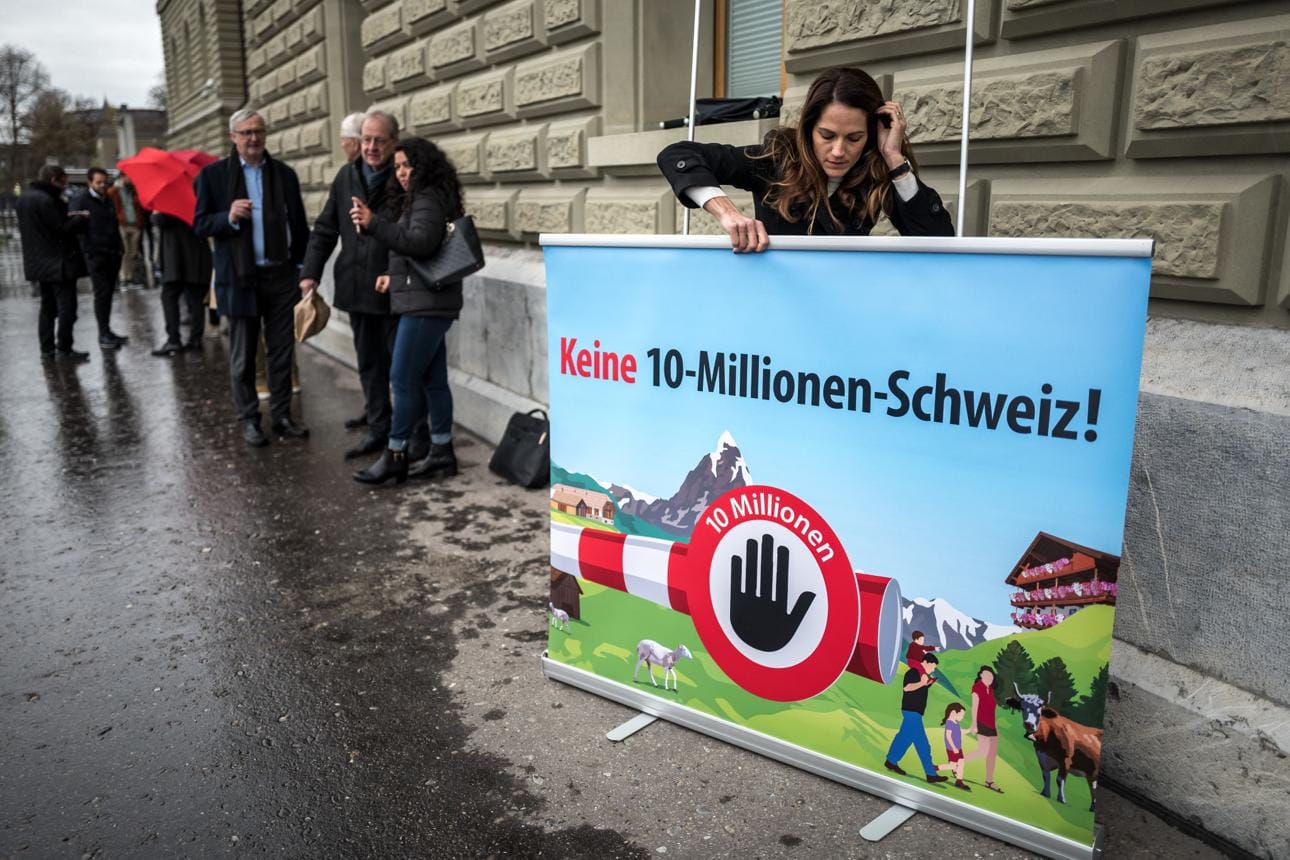
Switzerland is preparing for an important national vote on a proposal known as “No to 10 Million Switzerland,” which aims to limit the country’s population growth. The initiative, introduced by the Swiss People’s Party (SVP), seeks to prevent Switzerland’s population from exceeding 10 million by introducing stricter controls on immigration.

Supporters of the proposal argue that rapid population growth places increasing pressure on housing, transportation, public services, infrastructure, and environmental resources. They believe Switzerland should take stronger measures to manage migration and maintain the country’s quality of life.

Opponents, however, warn that the proposal could negatively affect Switzerland’s economy, labour market, and international competitiveness. Most major political parties, along with the Swiss Federal Government, have rejected the initiative and are encouraging voters to oppose it. Critics argue that Switzerland relies heavily on skilled foreign workers and international talent to support economic growth.

Speaking on the issue, Socialist Democratic Party member Siri Rasamanickam urged Swiss citizens to study the proposal carefully before casting their vote. He emphasized the importance of making informed decisions based on official information rather than opinions shared on social media.

The proposal has also attracted attention among migrant communities, including Swiss Tamils, who are closely following the debate. While the initiative primarily focuses on future population growth and immigration policies, many observers believe the outcome could influence Switzerland’s long-term approach to migration and integration.

Political analysts note that the proposal faces significant opposition from major parties and government institutions. Nevertheless, the final decision rests with Swiss voters, making the upcoming referendum an important event for the country’s future migration policies.

The vote is expected to generate widespread discussion across Switzerland as citizens consider the balance between population growth, economic needs, and social development.+

Swiss Vote on 10 Million Population Cap Plan.

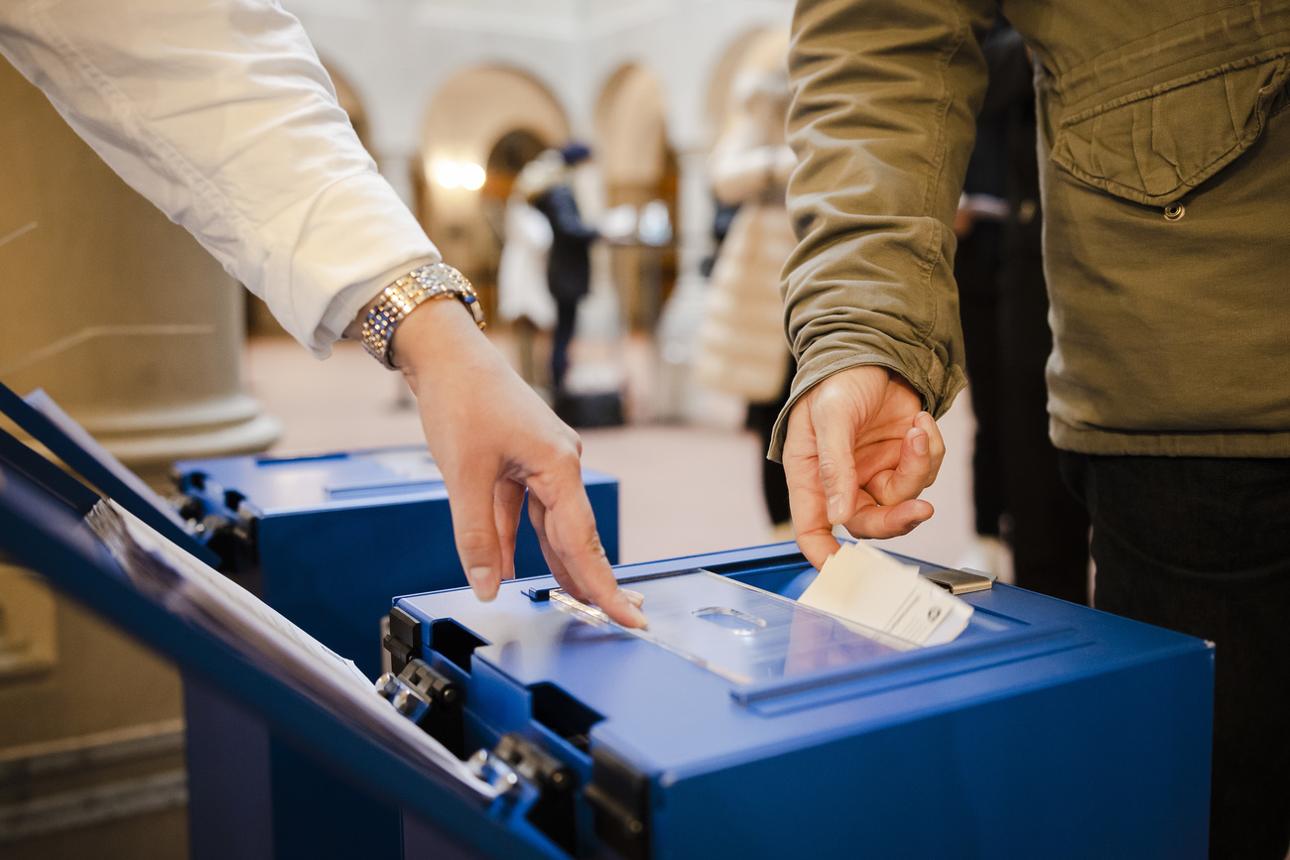
Swiss voters are set to decide next month on a controversial initiative that proposes capping the country’s population at 10 million, sparking intense debate across the nation.

The proposal, which is widely seen as an anti-immigration measure, has divided public opinion in Switzerland, a country known for its strong economy, high living standards, and reliance on foreign labor.

Supporters argue that limiting population growth is necessary to protect infrastructure, housing availability, and environmental sustainability. They believe rapid population increases are placing pressure on transport systems, public services, and urban development.

Opponents, however, warn that such a cap could severely damage Switzerland’s economy, which depends heavily on skilled foreign workers across industries such as healthcare, technology, and finance. Critics also argue that the initiative could harm Switzerland’s international reputation and labor market stability.

The referendum highlights growing tensions in Swiss politics over immigration, demographic change, and national identity. Similar debates have previously shaped policy discussions within Switzerland, which regularly holds referendums on major national issues.

If approved, the measure could have long-term implications for immigration policy, labor supply, and Switzerland’s economic growth model.

The vote is expected to be closely watched both domestically and internationally, as it reflects broader European debates on migration and population control.

Swiss Committee Backs Double Majority for EU Deal.

A parliamentary committee in Switzerland has supported a proposal requiring a double-majority vote—both of the people and the cantons—for the approval of the upcoming Swiss–EU agreement package.

The proposal, backed by the House of Representatives’ Committee of Political Institutions, reflects growing political debate over how major international agreements should be ratified within Switzerland’s direct democratic system.

The committee approved the plan by 15 votes to 10, stating that the agreement’s importance and constitutional implications justify a higher level of democratic approval.

Under the proposed system, the bilateral agreements between Switzerland and the European Union would need not only a majority of voters but also a majority of cantonal approval to be adopted.

The idea aligns with Switzerland’s tradition of direct democracy, where major constitutional or highly significant national decisions often require approval from both citizens and cantons.

At the same time, lawmakers are also exploring an alternative approach known as a “sui generis” referendum model, which would be a unique voting mechanism tailored specifically for this agreement package. The committee has requested further examination of this option, which was supported by a 16–9 vote.

The debate highlights the political sensitivity surrounding Switzerland’s relationship with the European Union and the constitutional questions linked to future bilateral cooperation.

Swiss Expert Rejects “10 Million Population” Fear Claim.

A Swiss population expert has stated that Switzerland is unlikely to reach the controversial 10 million population threshold, even as political debate intensifies over immigration and population growth limits.

The discussion has been driven by a proposal titled “No to 10 Million Switzerland,” supported by the Swiss People’s Party, which aims to restrict population growth by limiting immigration into the country.

The initiative has gained significant public attention and is scheduled for a nationwide vote on June 14. The proposal argues that Switzerland should take stronger measures to prevent population growth from exceeding 10 million, mainly through tighter immigration controls.

However, a population specialist has challenged these concerns, stating that Switzerland is unlikely to reach the 10 million mark under current demographic trends. The expert’s remarks directly question the assumptions behind the initiative and its long-term projections.

The debate reflects broader tensions in Swiss politics over immigration, labor needs, housing pressure, and national identity. While supporters of the initiative emphasize limits on population growth, critics argue that Switzerland’s economy depends heavily on skilled migration.

As the vote approaches, the issue is expected to remain a central topic in Swiss political discourse, with strong opinions on both sides regarding the future direction of the country’s population policy.

Swiss March 8 Vote Campaigns Cost CHF11 Million.

Political campaigns linked to Switzerland’s March 8 national votes cost a total of CHF10.7 million, according to final figures released by the Swiss Federal Audit Office.

The published data revealed that actual campaign spending exceeded the budgets initially announced before the vote by around 22%, reflecting stronger political mobilisation and advertising efforts during the campaign period.

The largest share of spending focused on the SBC initiative concerning Switzerland’s radio and television licence fee. Campaigns related to this proposal alone accounted for approximately CHF7.5 million.

Opponents of the initiative declared spending around CHF5.7 million, while supporters reported approximately CHF1.8 million in campaign costs. The proposal was ultimately rejected by voters.

The SBC initiative aimed to reduce the national radio and television licence fee to CHF200 and eliminate mandatory corporate contributions. Supporters argued the changes would reduce financial pressure on households and businesses, while opponents warned the cuts could weaken public broadcasting services in Switzerland.

Switzerland’s system of direct democracy often involves intensive public campaigns ahead of nationwide votes, with political groups, organisations, and industry associations investing heavily in advertising and outreach efforts.

The latest figures highlight the growing financial scale of political campaigning in Switzerland, particularly for issues related to media, public services, and national policy reforms.

Swiss Citizens Launch Constitutional Initiative to Protect Pollinating Insects.

A citizen-led committee in Switzerland has launched a popular initiative aimed at strengthening legal protection for bees and other pollinating insects by embedding it directly into the national constitution.

The initiative, titled “In favour of ensuring the pollination of cultivated and wild plants by insects (bee initiative),” was officially published in the Federal Gazette on Tuesday. It brings together beekeepers, environmental supporters, and members of parliament.

The proposal calls on both the federal government and cantonal authorities to take responsibility for ensuring effective pollination of crops and wild plants. It also demands that authorities allocate sufficient resources and establish clear national guidelines to protect pollinating insect populations.

If successful, the initiative must collect at least 100,000 valid signatures by November 19, 2027, to trigger a nationwide referendum.

Supporters argue that pollinating insects are essential for food production and biodiversity, as they play a critical role in maintaining ecosystems and agricultural yields. Without them, many plant species and crops would face serious decline.

The initiative reflects growing public concern over environmental degradation, pesticide use, and habitat loss, all of which have contributed to declining bee populations in recent years.

If approved by voters, the proposal would make pollinator protection a constitutional duty, significantly strengthening Switzerland’s environmental policy framework.

Swiss Immigration Vote Sparks Nationwide Debate Ahead of Referendum

A major political debate is gaining momentum in Switzerland as the country prepares for a crucial national referendum on immigration. The proposal, widely known as “No to 10 Million Switzerland,” aims to limit the country’s population growth by introducing stricter immigration controls. The referendum is scheduled to take place on June 14 and has already attracted nationwide attention unlike any recent public vote in the country.

The proposal was introduced by the Swiss People’s Party, a political group known for its strong stance against large-scale immigration. Supporters of the initiative argue that rapid population growth is increasing pressure on housing, transportation, healthcare, and public infrastructure across Switzerland. They believe tighter immigration policies are necessary to protect the country’s long-term stability and quality of life.

However, strong opposition to the proposal is also growing across the country. Business leaders, economists, and several political groups warn that reducing immigration could create serious labor shortages in key sectors. Industries including healthcare, construction, hospitality, and technology heavily depend on foreign workers to maintain daily operations and economic growth.

Critics of the proposal argue that immigration plays a vital role in strengthening the Swiss economy. They say limiting the number of immigrants could slow economic development, reduce workforce availability, and negatively impact Switzerland’s international competitiveness. Many experts also point out that skilled migrants contribute significantly to innovation, productivity, and tax revenue.

As the referendum date approaches, both supporters and opponents are spending heavily on nationwide campaigns to influence voters. Political advertisements, public debates, social media campaigns, and television discussions have intensified in recent weeks, turning the immigration referendum into one of the most talked-about political issues in Switzerland this year.

The outcome of the vote could shape the future of immigration policy in Switzerland and influence debates across Europe. With public opinion sharply divided, the referendum is expected to become a defining political moment for the country.

Zurich Housing Shortage Takes Centre Stage Ahead of June 14 Vote.

The housing shortage in Canton of Zurich has become the dominant issue ahead of the upcoming June 14 vote, as voters prepare to decide on new measures aimed at improving housing availability and affordability.

Two popular initiatives are being put forward that seek to strengthen tenant protections against rising vacancies and promote the construction of more affordable housing. In response, the cantonal government and parliament have introduced a counter-proposal designed to balance housing development with regulatory oversight.

Affordable housing has become increasingly scarce across Zurich, with rising demand and limited supply driving up prices. One contributing factor highlighted in the debate is the demolition of older buildings, which are often replaced by high-cost developments that reduce the availability of affordable rental units.

A survey conducted by a tenants’ association found that 84% of renters fear termination of their lease agreements, reflecting growing uncertainty in the housing market.

The upcoming vote will determine how aggressively the canton intervenes in the housing market, with supporters of the initiatives calling for stronger protection for tenants and critics warning that excessive regulation could discourage investment and slow construction.

The issue has become one of the most closely watched regional political debates in Switzerland, as housing affordability continues to affect households across urban centres.