


Economist Warns War Could Hurt Swiss Economy.

A leading Swiss economist has warned that the ongoing conflict in the Middle East could seriously affect Switzerland’s economy by disrupting global supply chains and increasing energy prices.

Jan-Egbert Sturm, director of the KOF Swiss Economic Institute, said Switzerland’s economy remains stronger than expected despite global instability. The country recorded 0.5% GDP growth during the first quarter of 2026.

However, Sturm cautioned that the longer the conflict continues, the more Switzerland will experience its economic consequences. He highlighted concerns over the Strait of Hormuz, a key global oil and gas shipping route, warning that prolonged disruptions could affect fuel supplies and prices worldwide.

Although Asian economies may feel the immediate pressure first, Switzerland could also face delayed economic impacts through rising transport costs and weakened consumer demand.

According to Sturm, increasing petrol and energy prices raise business expenses, which companies often pass on to consumers through higher product prices. As living costs rise, households may reduce spending in other sectors, slowing overall economic activity.

The economist also warned about the possibility of a wage-price spiral if workers demand higher salaries to offset inflation. He expects Swiss inflation to reach around 2% this year, remaining within the target range set by the Swiss National Bank.

Despite current economic resilience, Sturm stressed that extended geopolitical instability could threaten Switzerland’s long-term prosperity.
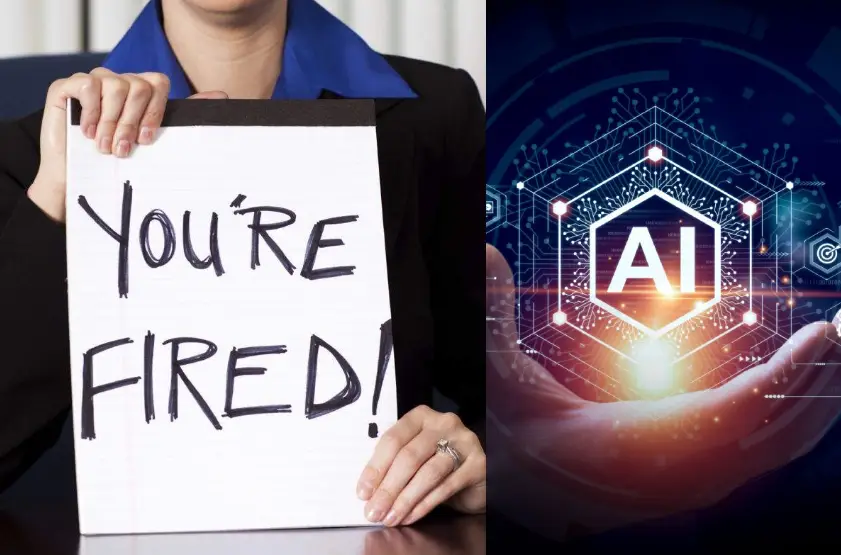

AI Triggers 96,000 Tech Layoffs in 2026.

The rapid expansion of Artificial Intelligence is transforming the global technology industry, with nearly 96,000 employees reportedly losing their jobs in 2026 alone.

Technology companies across the world are increasingly replacing traditional workforce structures with AI-powered systems to improve efficiency, reduce operational costs, and automate tasks previously handled by humans.

Industry reports indicate that many startup IT firms can now perform work previously managed by 250 employees using only around 50 staff members supported by advanced AI tools.

Major technology companies have also accelerated restructuring efforts as artificial intelligence becomes more deeply integrated into business operations.

Meta recently announced plans to reduce approximately 10% of its workforce, affecting nearly 8,000 employees.

The company reportedly confirmed that the layoffs would begin from May 20 and stated that it currently has no plans to refill around 6,000 vacant positions.

Meanwhile, Amazon has reportedly cut nearly 30,000 jobs since October as part of broader operational restructuring and automation strategies.

Experts say companies are increasingly relying on AI systems for coding, customer support, data analysis, marketing automation, and content generation.

The growing adoption of AI technologies has sparked debate across the global workforce, with many professionals expressing concern about job security and the future of traditional employment.

At the same time, technology leaders argue that AI will also create new opportunities in fields such as machine learning, cybersecurity, robotics, and AI system management.

Economists believe the global labour market is entering a major transition period where companies will prioritize digital automation and AI-driven productivity.

As competition intensifies in the tech industry, businesses are expected to continue investing heavily in artificial intelligence to remain competitive in the rapidly evolving digital economy.

Switzerland Continues US Trade Talks Despite Tariff Court Ruling.

The Switzerland government says it will continue trade negotiations with the United States despite a recent US court ruling against tariffs introduced under former President Donald Trump.

According to Swiss officials, reaching a long-term trade agreement with the United States remains a top priority for the Swiss Federal Council.

The statement came after a US trade court ruled on Thursday that the latest 10% temporary global tariffs introduced under Trump’s trade policy were unjustified under a 1970s trade law.

However, Swiss authorities stressed that the ruling will not affect the ongoing Swiss-US trade discussions.

A spokesperson for the Swiss economics ministry stated that the main objective of the negotiations is to secure fair and non-discriminatory access for Swiss companies to the American market.

Swiss officials also highlighted the importance of long-term legal certainty and stable trade conditions for businesses operating internationally.

The US court decision reportedly blocks the tariffs only for two private importers and the State of Washington, meaning broader tariff policies remain under legal and political debate.

Economic experts say Switzerland is seeking stronger economic ties with the US to protect exports, investment opportunities, and market competitiveness.

The United States remains one of Switzerland’s most important trading partners, especially in sectors such as pharmaceuticals, finance, machinery, and technology.

Both countries are expected to continue negotiations as global trade tensions and tariff disputes continue to shape international economic policy.