Swiss Airports Warn Non-EU Travelers of Longer Delays

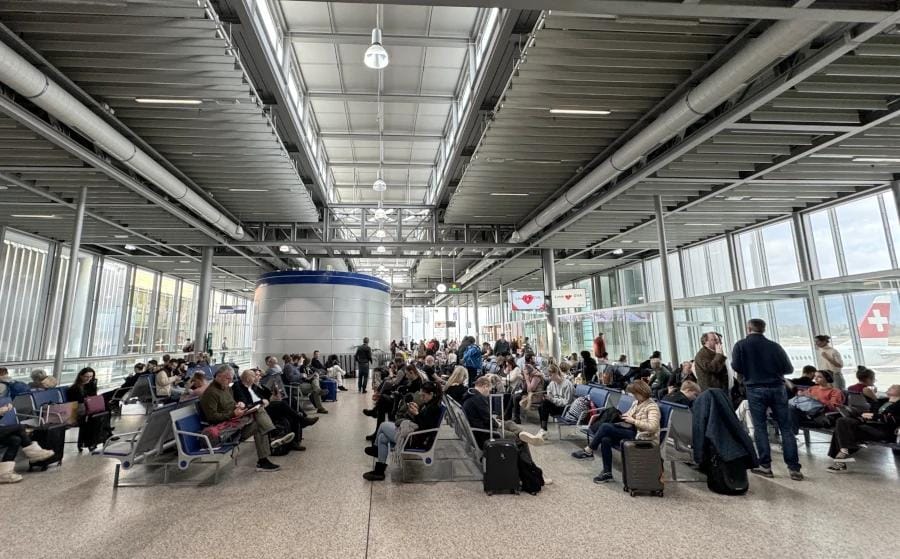
Swiss airports have issued an important warning to international travelers, particularly those arriving from countries outside the European Union. Passengers may experience significantly longer waiting times at border control checkpoints due to the implementation of the European Union’s new Entry/Exit System (EES).

The EES requires non-EU nationals traveling to and from the Schengen Area for short stays to register biometric information, including fingerprints and facial photographs, at border crossings. The new digital system is designed to strengthen border security and improve the monitoring of traveler movements across Europe.

As a result, travelers arriving in Switzerland may face additional processing times while their biometric data is collected and verified. Airport authorities have advised passengers to allow extra time when planning their journeys.

Zurich Airport has warned that waiting times could reach up to one hour during peak travel periods. Geneva Airport has also indicated that passengers may experience delays as the new procedures are introduced.

Airport officials have further noted that the situation could become more challenging in the coming weeks as the summer holiday season approaches. Increased passenger numbers combined with the new registration requirements are expected to place additional pressure on border control operations.

Travelers are encouraged to arrive early, keep all travel documents ready, and follow airport guidance to ensure a smoother travel experience. Swiss authorities continue to monitor the implementation of the system and are working to minimize disruptions for passengers.
Joey Mawson Cleared in Swiss Abuse Case.

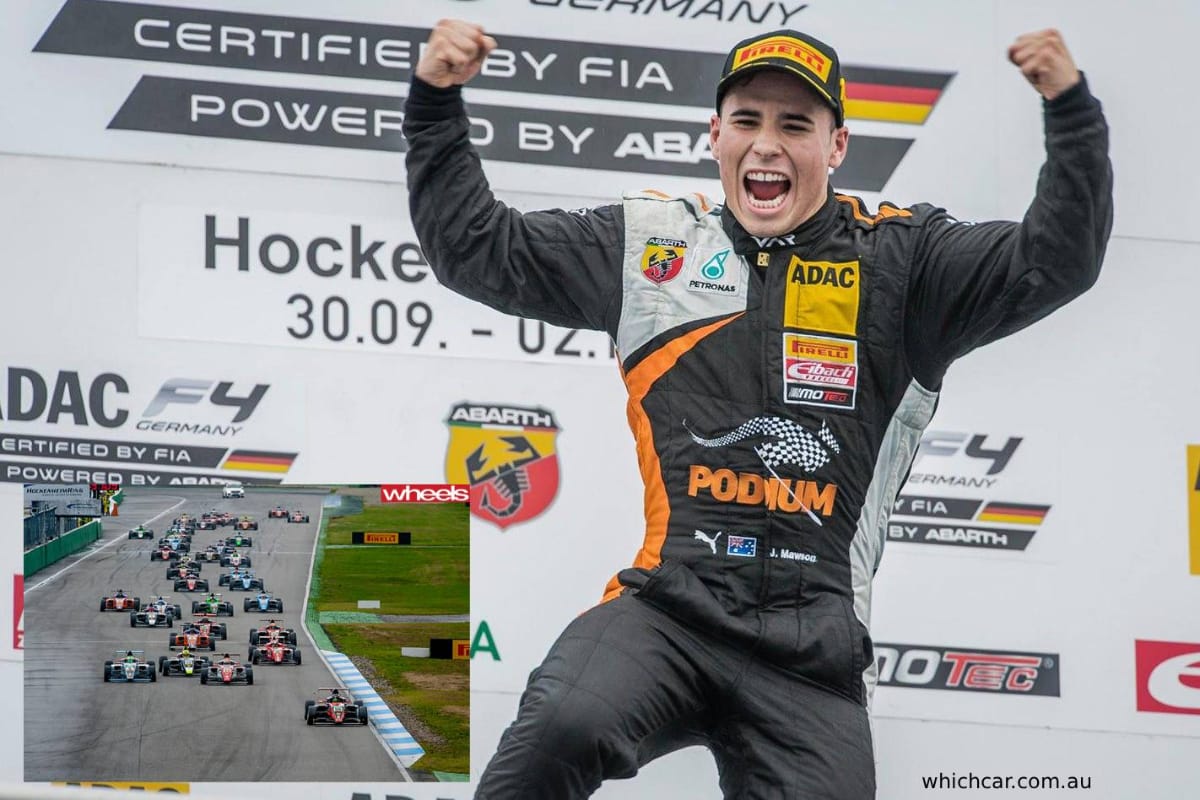
Australian racing driver Joey Mawson has been officially cleared by a Swiss court in a high-profile abuse allegation case that attracted significant public attention. Following the verdict, Mawson stated that he always believed the truth would prevail and described the outcome as the beginning of a new chapter in his life.

The case dates back to 2019, when Mawson was staying in Gland, near Geneva, Switzerland. Allegations were made against him involving a nurse connected to Formula One legend Michael Schumacher. Throughout the investigation and court proceedings, Mawson consistently denied any wrongdoing and maintained that the relationship was consensual.

Last Friday, the Swiss court delivered its verdict, stating that there was insufficient evidence to establish criminal responsibility. The judge emphasized that Mawson was leaving the courtroom as a free man and that no stain should remain on his reputation due to the lack of evidence supporting the allegations.

Mawson’s legal team welcomed the decision, describing the driver as innocent and relieved after years of uncertainty. His lawyer stated that Mawson would now return to Australia, focus on rebuilding his future, and continue pursuing his professional and personal goals.

Following the ruling, Mawson shared a heartfelt statement on Instagram. He explained that the past three years had been among the most difficult periods of his life. He spoke about facing false accusations, intense public scrutiny, and the challenge of defending his name while remaining largely silent throughout the legal process.

In his statement, Mawson said that from the very beginning he had maintained his innocence and trusted that the truth would ultimately emerge. With the legal battle now behind him, he expressed gratitude to those who supported him and announced that he is ready to move forward and start a new chapter.

The case has generated widespread discussion across Switzerland, Australia, and the international motorsport community. The court’s decision brings an end to a long-running legal dispute and allows Mawson to focus once again on his racing career and future opportunities.

What Documents Are Required for a Swiss Tax Declaration (Steuererklärung)?

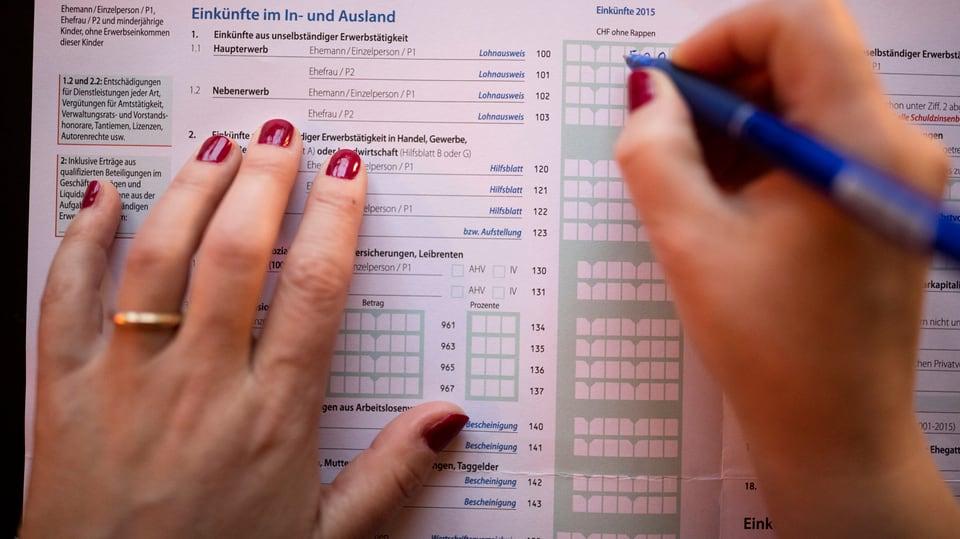
Residents of Switzerland who need to submit a tax declaration (Steuererklärung) should prepare all necessary documents before filing. Providing complete and accurate information helps avoid delays and ensures that eligible deductions are included.

Essential Documents for Swiss Tax Filing

Identity Card or Residence Permit Copy (Ausweis)
A copy of your Swiss ID card, passport, or residence permit.

Tax Declaration Form (Formular)
The official tax return form received from the canton or municipality.

Health Insurance Tax Certificate (Krankenkasse Steuerausweis)
Annual certificate showing health insurance premiums paid.

Annual Salary Certificate (Lohnausweis)
Issued by your employer and contains income and deduction details.

Donation Receipts (Spendenquittungen)
Proof of charitable donations that may qualify for tax deductions.

Mortgage Interest Certificate (Zinsbelastung)
Required if you own property and pay mortgage interest.

Annual Bank Account Statements (Jährlicher Kontoauszug)
Statements showing balances and interest earned during the tax year.

Life Insurance Tax Certificate (Lebensversicherung Steuerausweis)
Certificate showing premiums paid and policy information.

Savings Account Annual Statement (Sparkonto Jahresauszug)
Year-end statement for all savings accounts.

Interest Certificate for Loans (Zinsausweis)
Documents showing interest paid on personal loans or other liabilities.

Additional Documents That May Be Required

  • Pension Fund Statements (2nd Pillar / BVG)
  • Pillar 3a Contribution Certificates
  • Childcare Expense Receipts
  • Education and Training Costs
  • Medical Expense Receipts
  • Property Ownership Documents
  • Rental Income Statements
  • Securities and Investment Statements

Important Advice

Before submitting your Swiss tax return, verify that all certificates cover the correct tax year. Missing documents can result in delays or missed tax deductions. Keeping documents organized throughout the year makes the tax filing process much easier.

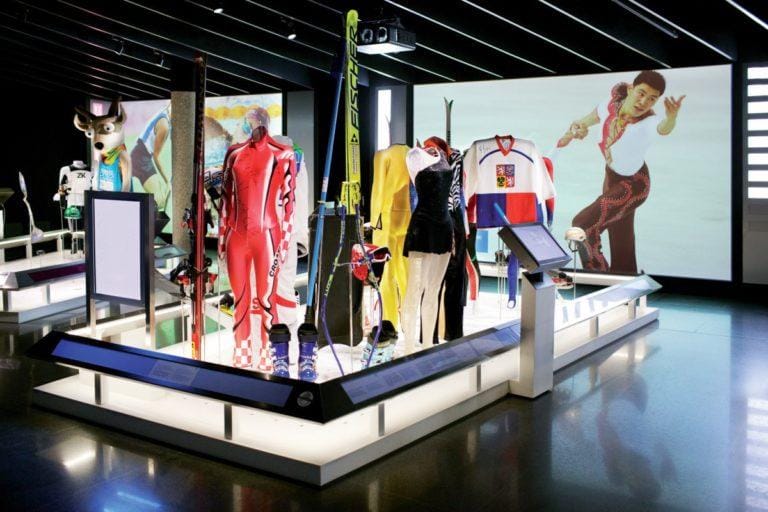
Olympic Museum in Lausanne Expands Collection with New Olympic Memorabilia

The Olympic Museum in Lausanne has unveiled more than 300 new objects collected during the Winter Olympic Games held in Milan and Cortina, enriching one of the world’s most important sports heritage collections.

Among the latest additions are items used by several Swiss Olympic champions, including the skis of Mathilde Gremaud, the helmet of Franjo von Allmen, and the racing suit worn by Loïc Meillard. Equipment belonging to Marianne Fatton, who secured Olympic gold for Switzerland in Italy, has also joined the museum’s growing collection.

The museum also received contributions from international sporting stars. Norwegian cross-country skiing legend Johannes Klæbo, a six-time Olympic champion, donated his competition poles. Italian speed skater Francesca Lollobrigida, a double Olympic gold medallist, contributed her racing suit to the collection.

A public donation ceremony took place in Lausanne on Tuesday, bringing together athletes who participated in the Olympic Games. Swiss ice hockey player Alina Müller, who won a bronze medal and served as Switzerland’s flag bearer during the closing ceremony, also attended the event.

In addition to sporting equipment, museum representatives collected objects connected to the visual identity of the Games, including materials from the opening and closing ceremonies. These items help preserve the atmosphere and cultural significance of each Olympic edition.

The Olympic Museum currently houses more than 90,000 objects gathered over the last 120 years. The institution credits athletes for helping preserve Olympic history by donating valuable items that tell the stories of sporting achievement and international competition.

With each new acquisition, the Lausanne-based museum continues its mission of safeguarding Olympic heritage and inspiring future generations through the history of sport.