Hitachi Energy to Build New Swiss Headquarters Near Zurich

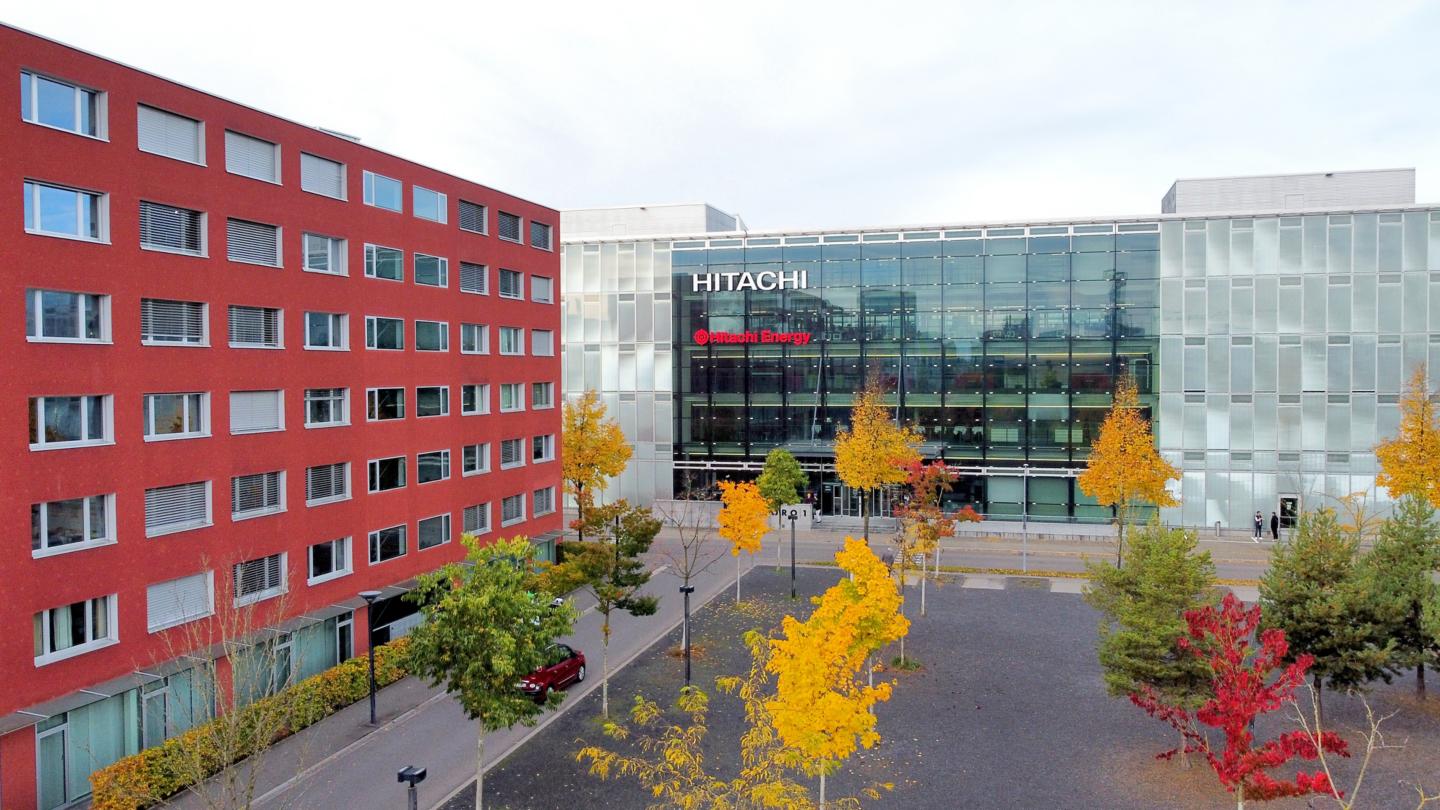
The technology group Hitachi Energy is set to establish its new Swiss headquarters in Otelfingen, located in the canton of Zurich, marking a significant investment in Switzerland’s industrial and technology sector.

According to a statement from the Otelfingen municipal council, the decision has been warmly welcomed locally, as the project is expected to bring substantial economic benefits to the region.

The new headquarters will be developed on the site of the former Jelmoli distribution centre and surrounding areas, covering approximately 11 hectares of land. The large-scale development highlights Hitachi’s long-term commitment to expanding its operations in Switzerland.

A key feature of the project is the creation of up to 3,000 jobs, which is expected to strengthen the local labor market and attract skilled professionals to the region. This development is seen as a major boost for the Zurich metropolitan area.

The municipality of Wettingen in the canton of Aargau had also competed for the project, hoping to secure the investment and associated tax revenues. However, Hitachi ultimately chose Otelfingen, meaning the economic benefits will now flow into the canton of Zurich instead.

Officials view the project as a strategic win for the region, reinforcing Zurich’s position as a key hub for international technology and energy companies.

The development also reflects Switzerland’s continued attractiveness for global corporations seeking stable infrastructure, skilled labor, and strong economic conditions.

Rising Fuel Prices Change Swiss Travel Habits, Survey Finds

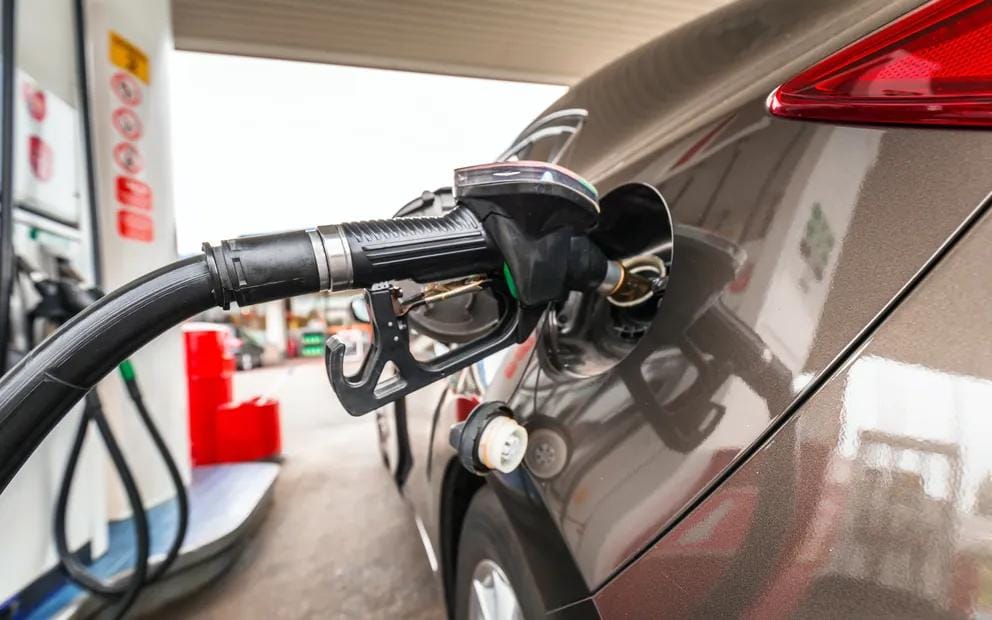
Rising fuel prices are significantly changing travel behavior in Switzerland, as residents increasingly turn to public transport and more sustainable mobility options, according to a new survey.

A study conducted by Marketagent Schweiz found that 42.1% of respondents are now using public transport more often, while 35.2% report walking more frequently due to higher fuel costs.

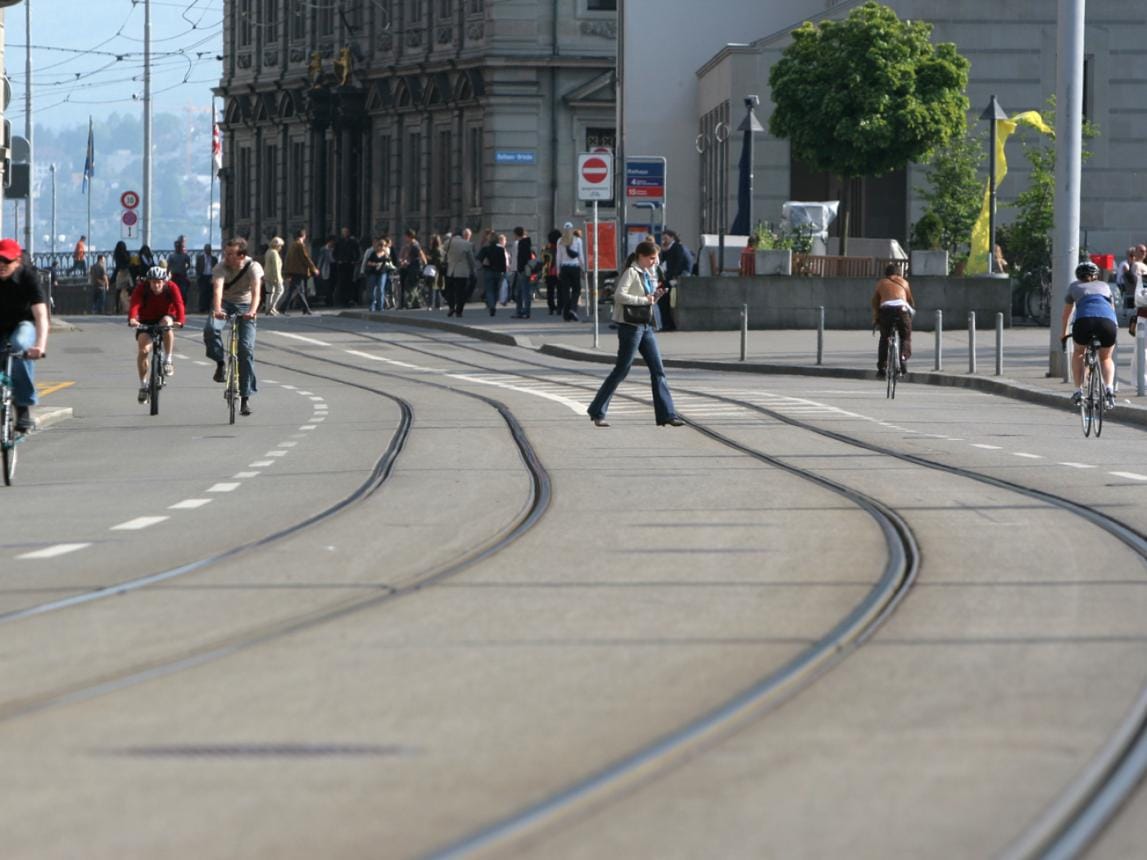
The survey, based on 1,000 participants, also shows that 23.6% are cycling or using scooters more often, and 14.7% are working from home more regularly to reduce commuting expenses.

Despite growing concerns about persistently high fuel prices, more than half of respondents (56.9%) said they do not plan to switch to electric vehicles. Only 4.2% have already purchased an electric car, while 16.9% are considering doing so.

When asked about future car purchases, 32.6% of participants preferred hybrid vehicles. Petrol cars remained closely behind at 31%, while electric vehicles accounted for 26.1%. Diesel vehicles are declining in popularity, with just 7.1% of respondents considering them.

Industry data shows rising interest in electric mobility, with strong growth in searches and sales on platforms such as AutoScout24. However, the share of electric cars in overall registrations remains relatively stable at around 21.7%.

A separate analysis by Swisscharge highlights the cost advantage of electric vehicles. Charging an EV can cost around CHF 5.23 per 100 km, compared with CHF 11.08 for a petrol-powered car, especially when charging at home or at work.

Experts suggest that while cost pressures are encouraging behavioral change, long-term adoption of electric vehicles will depend on infrastructure expansion, affordability, and consumer confidence.

AI Data Centres May Strain Switzerland’s Water Supply

The rapid expansion of artificial intelligence infrastructure is raising concerns about water and energy consumption in Switzerland. Experts warn that the growing number of AI-powered data centres could place increasing pressure on the country’s natural resources, especially water supplies used for cooling systems.

Switzerland currently hosts around 120 data centres, with approximately 20 additional facilities under construction. This gives the country one of the highest concentrations of data centres per capita in the world. The rise of artificial intelligence technologies is accelerating this growth as companies invest heavily in advanced computing infrastructure.

AI servers require significantly more processing power than traditional systems. As a result, they generate higher levels of heat and require intensive cooling methods to maintain safe operating temperatures. Many of these cooling systems depend heavily on water.

According to David Atienza Alonso, a professor at EPFL and an expert in AI computing systems, increasing AI adoption will continue driving demand for larger and more powerful data centres.

He explained that countries are also expanding domestic data infrastructure due to geopolitical tensions and concerns about digital sovereignty. Governments and companies increasingly want sensitive data to remain within national borders, leading to greater investment in local storage and computing facilities.

While Switzerland is often called the “water tower of Europe” because of its lakes, rivers, and glaciers, experts warn that resource availability should not be taken for granted. If AI infrastructure growth continues without long-term planning, some regions could eventually face challenges in supplying enough electricity and water.

Global estimates from the International Energy Agency suggest that data centres currently consume around 560 billion litres of water annually worldwide. This figure could rise to 1.2 trillion litres by 2030 as AI usage expands rapidly across industries.

Most of this water is used for cooling servers and generating electricity required to power data centre operations. Environmental experts say the issue remains largely invisible to the public despite its growing importance in the digital economy.

Researchers and policymakers are now calling for sustainable infrastructure planning, improved cooling technologies, and better resource management to ensure that Switzerland can support technological growth without placing excessive strain on natural resources.

Switzerland Fuel Prices Drop Slightly as Oil Market Eases

Fuel prices in Switzerland have fallen slightly in recent days, offering limited relief to motorists after months of elevated energy costs.

According to the Touring Club Switzerland (TCS), the average national fuel prices during the week stood at CHF1.89 per litre for unleaded 95 petrol, CHF2.00 for unleaded 98, and CHF2.14 for diesel.

Compared with the end of April, petrol prices have dropped by CHF0.01, while diesel prices declined by CHF0.03 per litre. Despite the decrease, fuel remains significantly more expensive than before the escalation of tensions in the Middle East earlier this year.

Before the regional conflict intensified, fuel prices at the end of February averaged CHF1.

67 for unleaded 95, CHF1.78 for unleaded 98, and CHF1.79 for diesel. Current prices therefore remain roughly 13% higher for petrol and more than 20% higher for diesel.

The TCS says stronger industrial demand has contributed to the sharper increase in diesel prices compared with petrol.

Global oil prices have also eased slightly. A barrel of Brent crude traded at just under $108 this week, down around $10 from late April levels.

Oil markets had surged earlier after concerns over conflict in the Middle East and fears surrounding possible disruptions to the strategically important Strait of Hormuz shipping route.

The TCS noted that actual fuel prices can vary across Swiss regions and petrol stations, as its published figures are based on estimates and market sampling.

Although prices have softened slightly, Swiss consumers continue to face elevated transport and energy costs compared to earlier in the year.

Swiss Nuclear Power Plants Could Operate Up to 80 Years, New Study Finds

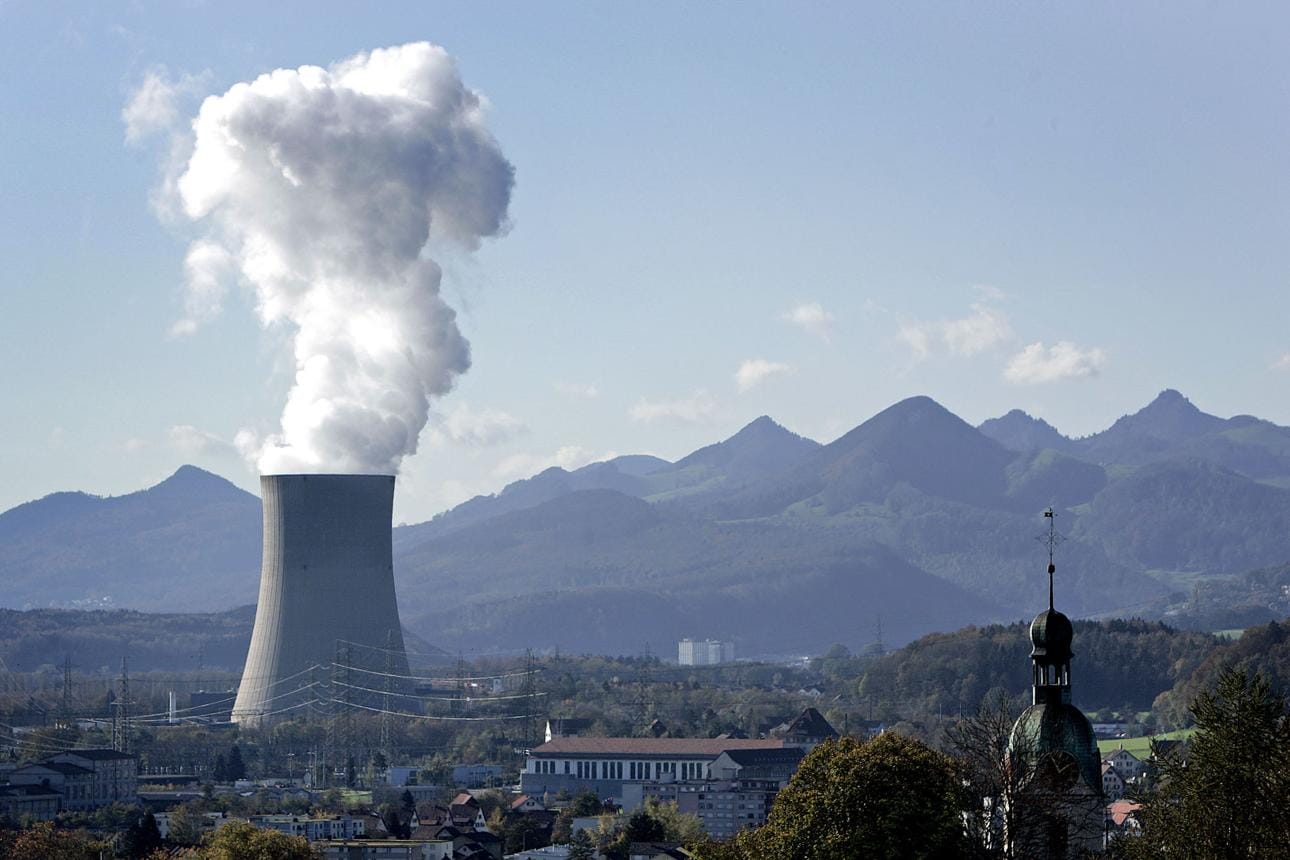
Switzerland is reconsidering the long-term future of its nuclear energy sector after a new government-commissioned study found that two major nuclear power plants could safely operate for up to 80 years.

The report focuses on the Gösgen Nuclear Power Plant and the Leibstadt Nuclear Power Plant, which were previously assumed to have economically viable lifespans of around 60 years.

According to the findings, extending their operational life by an additional 20 years is both technically feasible and largely economically viable, provided that necessary safety upgrades and maintenance investments are carried out.

The study was commissioned following a parliamentary request and has renewed debate about Switzerland’s long-term energy strategy, especially as the country continues to balance climate goals with energy security concerns.

The report suggests that the required modernization investments would likely be justified by continued electricity production, and it states that direct financial support from the government may not be necessary for long-term operation.

Energy industry leaders have supported the findings. Thomas Sieber stated that extending nuclear plant lifespans to 80 years appears technically realistic under proper maintenance and upgrades.

The discussion comes at a time when Switzerland is also reviewing its broader nuclear policy, including debates about whether to lift restrictions on building new nuclear power plants. Rising energy demand, climate change pressures, and geopolitical instability have all contributed to renewed interest in nuclear power across Europe.

If implemented, the extended operation of these plants could play a significant role in ensuring Switzerland’s electricity supply stability in the coming decades.

Sri Lanka Energy Conservation: Leadership by Example

Energy Conservation Calls Must Include Personal Examples, Emphasizes MP Samith Vijeesundara

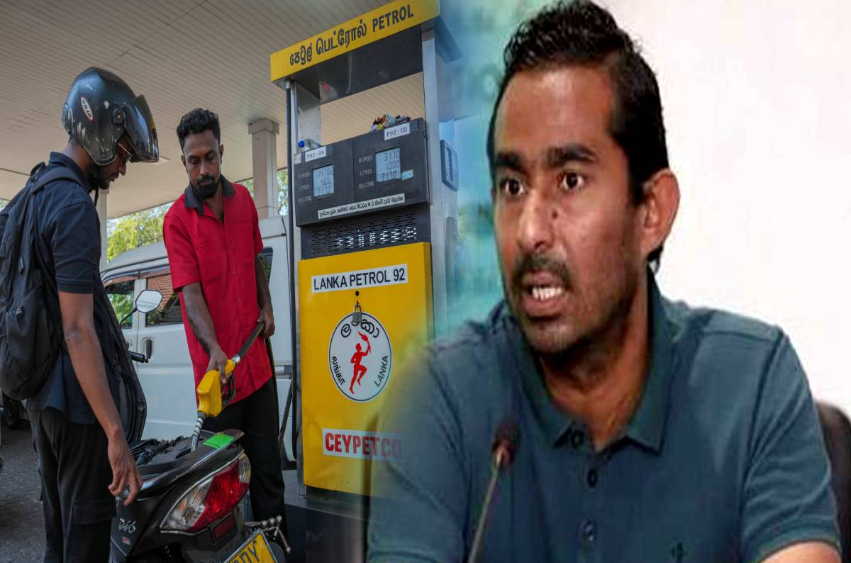
Following recent calls by Minister Sunil Handunnetti urging citizens to conserve energy, Colombo Municipal Council member Samith Vijeesundara stressed that these appeals only succeed when leaders demonstrate responsible behavior personally.

He explained that, amid rising fuel prices and ongoing financial challenges, such requests remain timely and necessary. However, citizens must also practice sustainability in daily life. Vijeesundara pointed out that high fuel-consuming vehicles, like the Toyota Land Cruiser V8 Sahara, raise questions about whether leaders reinforce energy-saving messages through their own actions.

He added that during national energy crises, leaders must guide policies and act as examples. Officials in high positions build public trust when they show the same discipline and responsibility they expect from citizens. Aligning words with actions strengthens confidence and enhances the credibility of national messages.

As Sri Lanka continues to promote energy efficiency and sustainability, Vijeesundara urged all sectors, particularly public leaders, to reflect these values in their statements and daily practices.