
Cruise Crew Member Quarantined in Switzerland After Hantavirus Exposure

A crew member from the MV Hondius has been placed in quarantine in Aargau after possible exposure to hantavirus during a cruise ship outbreak.

Health officials confirmed that the cantonal medical officer ordered a 42-day quarantine as a precautionary measure. Authorities stated that the individual currently shows no symptoms.

Hantavirus is a rare but potentially serious viral infection that can spread through contact with infected rodents or contaminated environments. Symptoms may include fever, fatigue, respiratory problems, and muscle pain, though severity varies depending on the strain.

Swiss health authorities are monitoring the situation closely to prevent any possible spread and to ensure public safety. Officials emphasized that the quarantine is preventive and follows established health protocols.

The incident has drawn attention because outbreaks involving cruise ship crews can pose challenges for international health monitoring and travel safety.

At this stage, authorities have not reported additional suspected cases in Switzerland linked to the exposure.
Switzerland Monitors Safety Concerns Over Tavneos Drug After Japan Warning

Swissmedic is closely monitoring international safety concerns surrounding the drug Tavneos after Japanese authorities reported multiple deaths linked to its use.

Japanese pharmaceutical company Kissei Pharmaceutical has advised doctors not to prescribe Tavneos to new patients following reports that 20 people died after taking the medication since its launch in 2021. The company also warned healthcare professionals about the risk of severe liver dysfunction.

Tavneos, developed by Amgen, is used to treat rare autoimmune diseases. Japanese officials urged doctors to carefully review ongoing treatments and determine whether patients should continue using the drug.

International regulators have also increased scrutiny over the medication. The Food and Drug Administration is reportedly considering withdrawing approval for the drug in the United States, while the European Medicines Agency has launched a formal safety review.

Swissmedic confirmed that it continuously monitors global developments involving medicines approved in Switzerland and remains in contact with international regulatory agencies. Tavneos, also known as Avacopan, has been approved for use in Switzerland since 2022.

The Swiss regulator stated that it actively analyzes safety data as part of its ongoing market surveillance process. However, Swiss authorities clarified that no formal procedure currently exists to suspend or withdraw Tavneos from the Swiss market.

As a result, the drug remains authorized for use in Switzerland while investigations continue internationally.

Baume-Schneider Praises WHO Response to Hantavirus Management

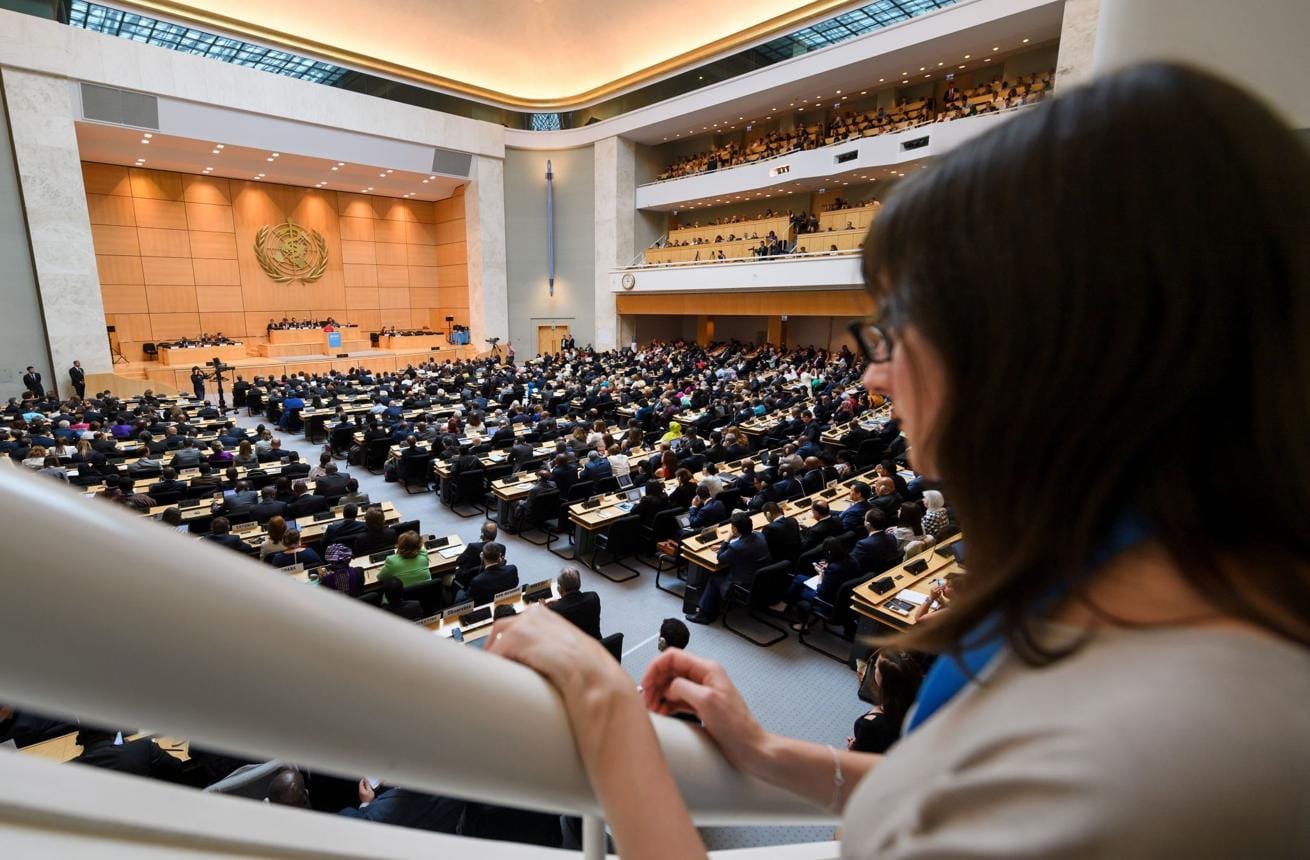
Swiss Interior Minister Elisabeth Baume-Schneider has praised the World Health Organization (WHO) for its ongoing management of the hantavirus response, highlighting the importance of strong international coordination in global health emergencies.

Speaking in Geneva at the start of the World Health Assembly, Baume-Schneider emphasized that the WHO remains “irreplaceable” despite facing financial pressure and workforce reductions in recent years.

She noted that the organization is continuing to play a key role in managing current health threats, including hantavirus and Ebola, even after significant budget cuts and nearly 1,300 job reductions.

Baume-Schneider also called for a more “realistic and functional” global system for sharing information about pathogens and countermeasures during future pandemics.

A key focus of ongoing discussions is the proposed pathogen-related sharing system (PABS), which aims to regulate how countries share biological data and medical resources in the event of outbreaks.

However, member states have yet to reach a consensus on the framework, despite an agreement reached in 2025 aimed at strengthening global pandemic preparedness.

Switzerland has reiterated its support for a practical and enforceable system that ensures clear responsibilities and effective coordination between countries.

The statement comes amid increasing global debate over the role and funding of the WHO, particularly after criticisms and partial withdrawals from some countries.

WHO Declares Ebola Outbreak a Global Health Emergency

World Health Organization (WHO) has officially declared the ongoing Ebola outbreak in the Democratic Republic of the Congo an international public health emergency after the rapid spread of a highly dangerous virus strain.

WHO Director-General Tedros Adhanom Ghebreyesus announced that the outbreak now qualifies as a Public Health Emergency of International Concern (PHEIC), the organization’s second-highest global alert level.

Health officials confirmed that the outbreak is linked to the Bundibugyo variant of Ebola, a strain for which there is currently no approved vaccine available.

The outbreak is mainly affecting Ituri province in northeastern Congo, where laboratory testing has already confirmed several infections. WHO data released on May 16 reported at least eight confirmed cases, alongside hundreds of suspected infections and dozens of suspected deaths.

The virus has also spread beyond the immediate outbreak zone. Authorities confirmed another case in Kinshasa and a death in Kampala, Uganda, involving travellers who had recently returned from the affected region.

According to the Africa Centres for Disease Control and Prevention (Africa CDC), at least 88 deaths are believed to be linked to the outbreak among more than 300 suspected cases reported so far.

Health experts warn that the situation is especially concerning because many affected areas are remote and difficult to access. Limited laboratory testing capacity means that many infections remain classified as suspected cases rather than officially confirmed.

Ebola is one of the world’s deadliest infectious diseases and causes severe haemorrhagic fever with high fatality rates. Although vaccines and treatments exist for some Ebola strains, they are not effective against the Bundibugyo variant currently spreading in Congo.

WHO has urged governments, healthcare workers, and international organizations to strengthen monitoring systems, improve emergency response measures, and support affected communities to prevent the outbreak from escalating further.

Global health authorities continue to monitor the situation closely amid fears that cross-border transmission could increase if containment efforts fail.