EU Approves Tougher Steel Import Tariffs Affecting Switzerland.

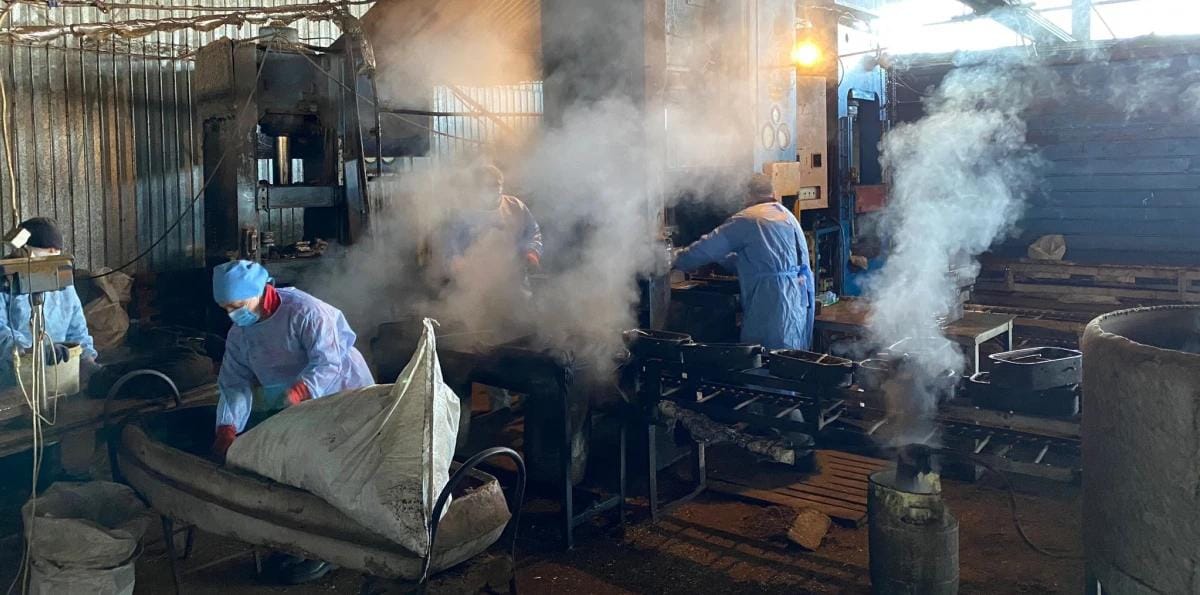
The European Parliament has approved stricter steel import regulations aimed at protecting the European market from global steel overcapacity, with the new measures also affecting Switzerland.

Under the revised policy, duty-free steel import quotas will be significantly reduced, while customs duties on imports exceeding the quotas will rise from 25% to 50%.

The new rules will apply to most non-EU countries, with exemptions only for members of the European Economic Area, including Norway, Iceland, and Liechtenstein. Switzerland unsuccessfully attempted to secure an exemption during negotiations in Brussels.

The European Commission stated that the measures comply with World Trade Organization regulations and are necessary to shield European steel producers from excessive global competition and market distortions.

European officials are currently negotiating updated steel quotas with more than 20 international partners, including Switzerland, as discussions continue over the economic impact of the new trade restrictions.

The tougher tariff framework is expected to take effect on July 1, 2026, pending final approval from EU member states.

The decision increases pressure on Swiss steel producers already facing challenges linked to rising energy costs, international competition, and slowing industrial demand across Europe.

EU Rejects Swiss Criticism Over New Steel Import Tariffs.

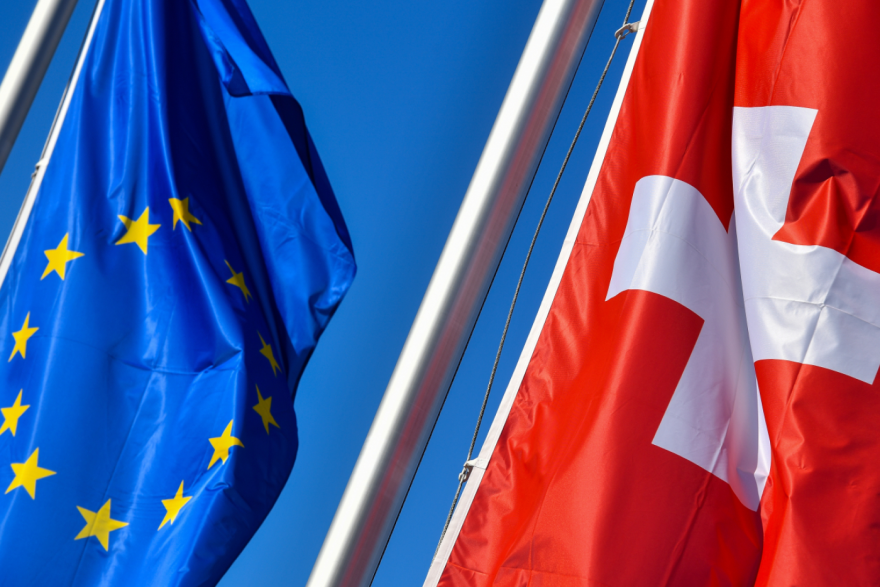
The European Union has rejected criticism from Switzerland over its newly approved steel import tariffs, stating that the measures comply with existing trade agreements and do not breach ongoing bilateral understandings.

The dispute escalated after Swiss Economics Minister Guy Parmelin described the EU’s stricter steel rules as “unacceptable” and expressed surprise at their timing, as Switzerland’s parliament continues reviewing a major bilateral agreement package with Brussels.

The European Commission responded that the joint declaration on stabilising Switzerland–EU relations only applies to the new cooperation package currently under negotiation. It clarified that steel trade falls under the 1972 free trade agreement and is therefore outside the scope of the recent political declaration.

The EU’s new steel policy includes reduced import quotas and doubled tariffs on excess volumes, aiming to protect its domestic steel industry. These rules are expected to take effect from July 1, with exceptions only for European Economic Area countries such as Norway, Iceland, and Liechtenstein.

European Commission emphasized that Switzerland is not part of the exemption list and that any future quota adjustments would need to be negotiated through international trade frameworks such as the World Trade Organization.

Swiss officials argue that the timing and scope of the measures could create political tension while the broader Switzerland–EU agreement package is still under parliamentary review. Despite disagreements, both sides have expressed interest in maintaining stable long-term relations.

Swiss Economy Grows 0.5% Despite Oil Price Shock

The Swiss economy recorded stronger-than-expected growth in early 2026 despite global pressure from rising oil prices and ongoing trade uncertainties.

According to a flash estimate released by the State Secretariat for Economic Affairs (SECO), Switzerland’s gross domestic product (GDP) increased by 0.5% in the first quarter of 2026 compared to the previous quarter.

Both the industrial and service sectors contributed to this positive performance, showing resilience even amid external economic shocks.

The growth rate exceeded analysts’ expectations, which had predicted expansion between 0.3% and 0.4%, according to market surveys.

In the previous quarters, the Swiss economy showed mixed performance, including a 0.2% growth at the end of 2025 and a 0.5% contraction earlier due to tariff-related tensions.

SECO officials noted that improved business confidence played a key role in the recovery, along with easing tariff pressures and modest positive spillover effects from Germany’s economy.

However, economists remain cautious about the outlook. Rising oil prices, which increased significantly in March, could still affect economic momentum in the coming months.

Despite this, confidence indicators have remained relatively stable, suggesting that short-term growth may continue.

The Swiss government currently projects annual growth of around 1.0%, though this could be revised down to 0.8% if high energy prices persist.

A detailed GDP breakdown is expected in the upcoming full report scheduled for June 1, which will provide deeper insight into sector-specific performance.

Switzerland Continues US Trade Talks Despite Tariff Court Ruling.

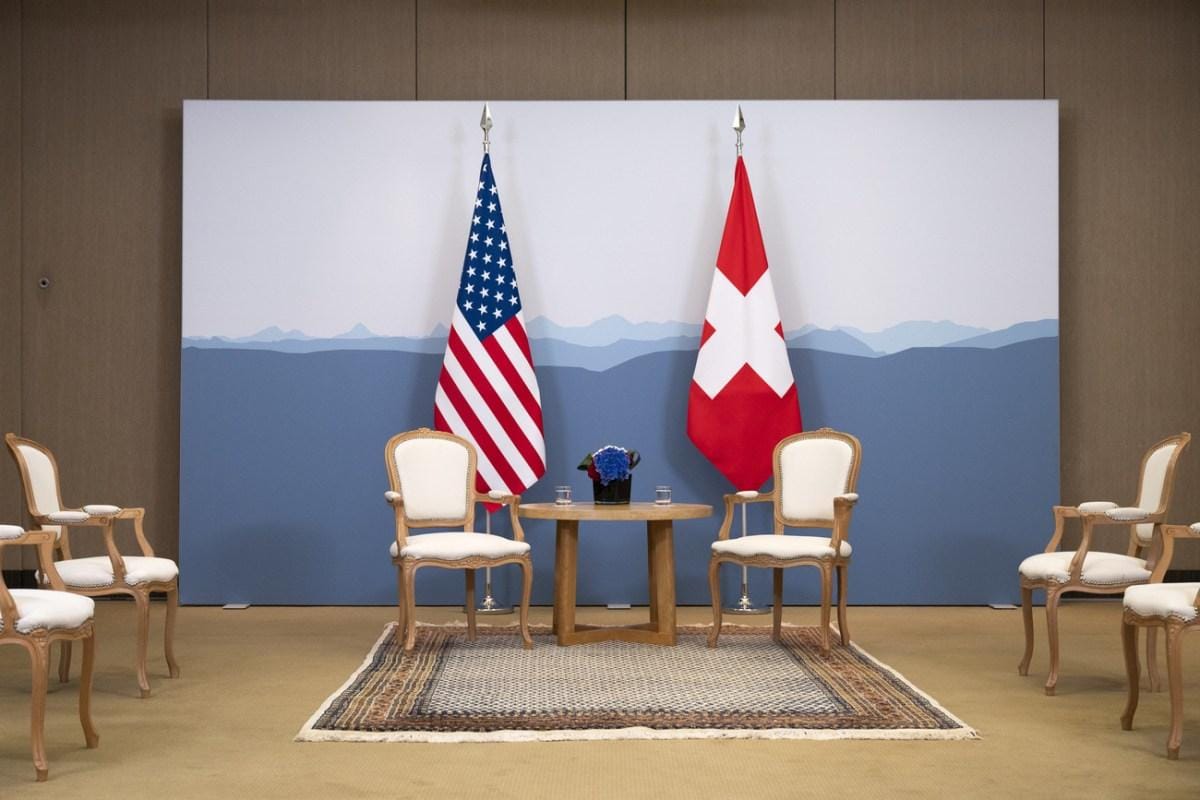
The Switzerland government says it will continue trade negotiations with the United States despite a recent US court ruling against tariffs introduced under former President Donald Trump.

According to Swiss officials, reaching a long-term trade agreement with the United States remains a top priority for the Swiss Federal Council.

The statement came after a US trade court ruled on Thursday that the latest 10% temporary global tariffs introduced under Trump’s trade policy were unjustified under a 1970s trade law.

However, Swiss authorities stressed that the ruling will not affect the ongoing Swiss-US trade discussions.

A spokesperson for the Swiss economics ministry stated that the main objective of the negotiations is to secure fair and non-discriminatory access for Swiss companies to the American market.

Swiss officials also highlighted the importance of long-term legal certainty and stable trade conditions for businesses operating internationally.

The US court decision reportedly blocks the tariffs only for two private importers and the State of Washington, meaning broader tariff policies remain under legal and political debate.

Economic experts say Switzerland is seeking stronger economic ties with the US to protect exports, investment opportunities, and market competitiveness.

The United States remains one of Switzerland’s most important trading partners, especially in sectors such as pharmaceuticals, finance, machinery, and technology.

Both countries are expected to continue negotiations as global trade tensions and tariff disputes continue to shape international economic policy.

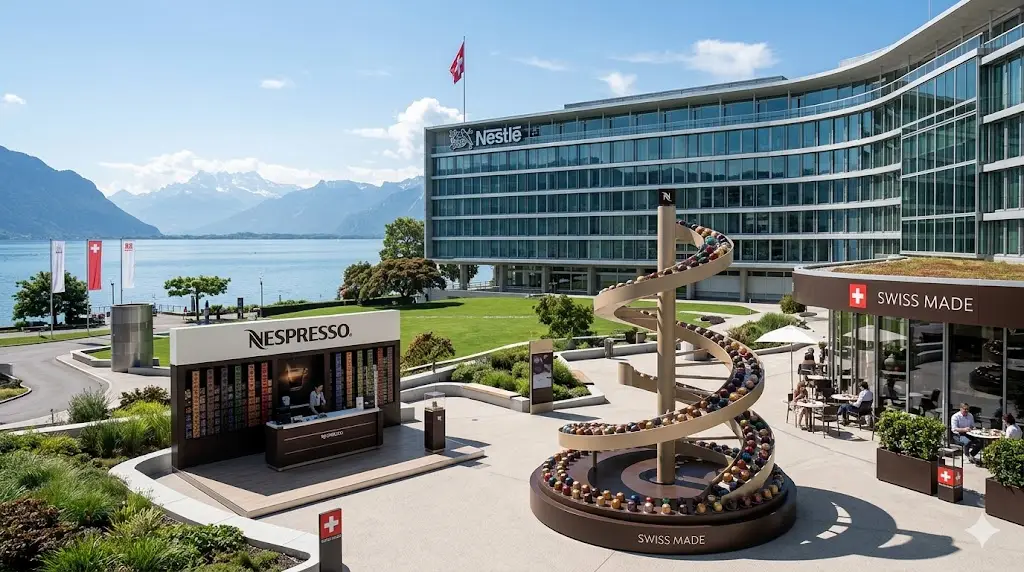
Nestlé Confirms Nespresso Production Will Stay in Switzerland.

Nestlé has confirmed that it will continue producing Nespresso capsules in Switzerland despite growing concerns over United States import tariffs.

Speaking to CH Media, Nestlé CEO Philipp Navratil stated that the company has no plans to move Nespresso capsule production outside Switzerland.

Nestlé, headquartered in Vevey, is currently reviewing options related to possible reimbursement of US customs duties. However, the company stressed that relocating manufacturing operations is not under consideration.

Navratil explained that Nestlé remains focused on long-term business stability and adapting to changing global market conditions rather than reacting to short-term political pressures.

Commenting on tariffs and trade barriers, he emphasized that the company continues to invest despite the additional costs created by international trade tensions.

The decision is seen as a positive signal for Switzerland’s manufacturing sector and workforce, particularly as global companies increasingly review supply chains and production locations due to economic uncertainty.

Nespresso remains one of Nestlé’s most recognized premium brands worldwide, and Switzerland continues to play a central role in the company’s coffee production and innovation strategy.

Industry observers note that maintaining production in Switzerland also reinforces the premium image and “Swiss-made” identity associated with Nespresso products globally.