Samsung Chip Workers Set for £310K AI Bonuses.

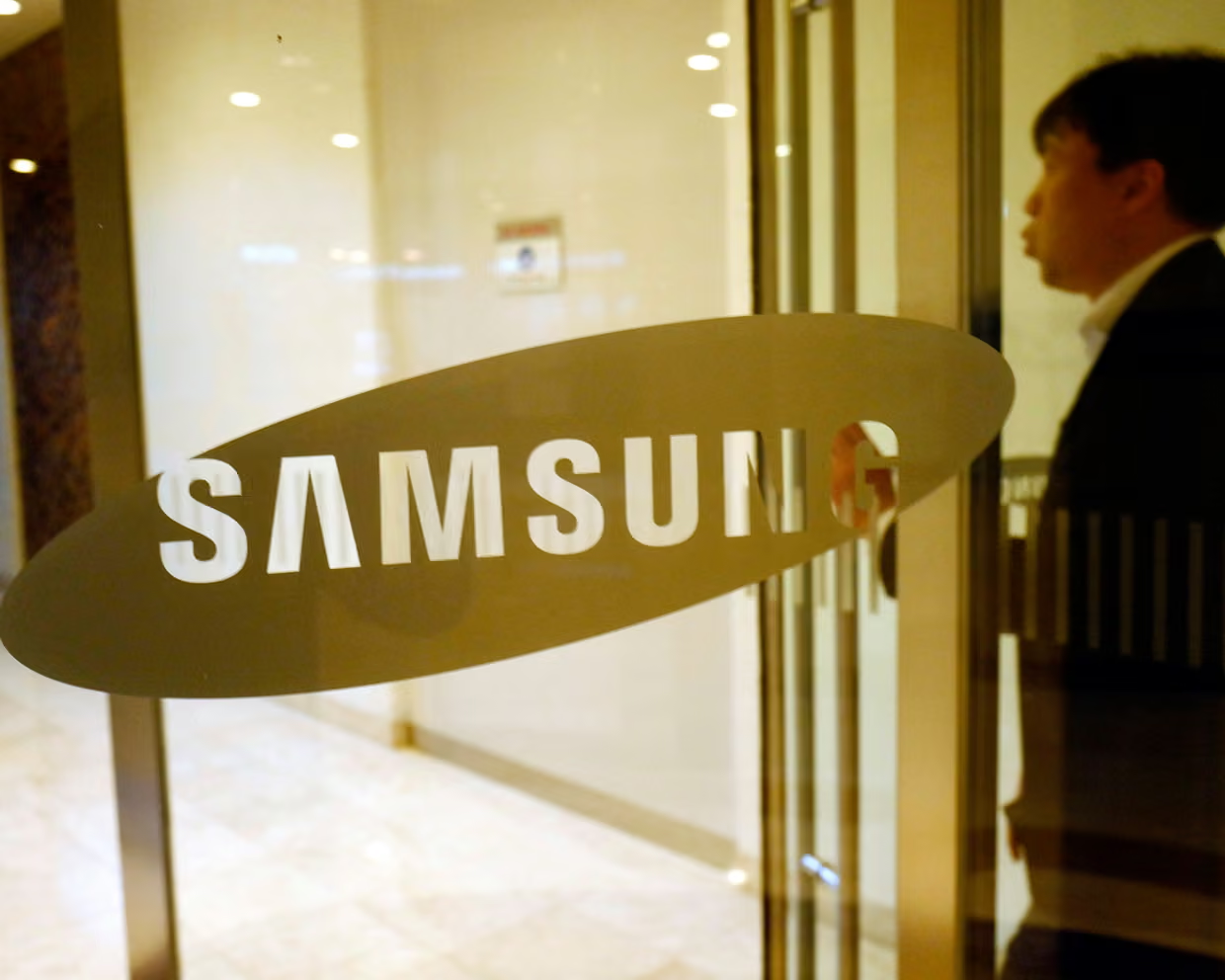
Samsung Electronics has agreed to a major profit-sharing deal that will give memory chip workers average bonuses of around £310,000. The agreement comes as the global AI boom sharply increases demand for semiconductor chips.

The company will allocate 10.5% of operating profits from its semiconductor division directly to employee bonuses. Workers voted in favor of the deal, helping avoid a planned strike involving more than 62,000 employees.

Samsung’s chip division plays a critical role in global supply chains and accounts for a large share of South Korea’s exports. The agreement prevents possible disruptions that could have affected worldwide chip availability.

The AI industry has significantly increased demand for memory chips used in data centers. As a result, companies like Samsung, SK Hynix, and Micron have seen strong profit growth, pushing them into the $1 trillion market valuation club.

However, internal tensions may rise within Samsung, as employees in other divisions receive much smaller bonuses compared to semiconductor staff. Legal and shareholder challenges are also being considered.

Industry experts say the deal reflects a broader shift in the “AI trade,” where memory chips are becoming just as important as processors in powering artificial intelligence systems.

Six in Ten Swiss Companies Now Use AI, UBS Study Finds

A new study by UBS shows that around six out of ten companies in Switzerland are now using artificial intelligence, highlighting rapid but uneven adoption across the business sector.

Economist Alessandro Bee noted that while AI is widely used, most companies are not yet applying it in a structured or systematic way. The study found that smaller firms mainly use AI for data analysis, while larger corporations focus more on automating business processes.

Overall, Swiss companies view AI more as an opportunity than a risk. Many businesses expect the technology to significantly improve productivity and efficiency in the coming years.

However, concerns remain. Companies highlighted data protection, cybersecurity risks, and the possibility of incorrect decisions caused by flawed algorithms or poor-quality data as key challenges.

The survey also found that just over half of the companies plan to expand their use of AI or adopt it for the first time within the next five years. At the same time, nearly one-third of businesses currently do not use AI and have no plans to implement it in the near future.

UBS economist Pascal Zumbühl emphasized that AI adoption in Switzerland is growing, but not uniformly, with a clear divide between early adopters and companies still hesitant about the technology.

The findings suggest that AI will play an increasingly important role in Switzerland’s economic future, but its integration will depend on how businesses address trust, regulation, and implementation challenges.

Android Show 2026: Android 17, Gemini & Googlebook Launch

Google has unveiled a major wave of updates during The Android Show 2026 — I/O Edition, introducing the next generation of Android, new AI capabilities, and a surprise platform expansion.

The highlight of the event was the introduction of Android 17, the latest version of the Android ecosystem. Google showcased improved performance, deeper AI integration, and smarter system-level automation designed to enhance user experience across mobile devices.

A major focus of the announcement was Gemini Intelligence, an advanced AI system built to bring more context-aware assistance across Android devices. The system is designed to integrate deeply into apps, system settings, and daily workflows, making AI interactions more natural and useful for users.

One of the biggest surprises of the event was the reveal of Googlebook, a new hybrid platform that combines elements of Android and ChromeOS. This new ecosystem is designed for future laptops and aims to unify mobile and desktop experiences under a single Google-driven system.

According to early details shared during the presentation, Googlebook will support a wide range of applications while offering seamless synchronization with Android devices and cloud services.

The Android team also highlighted improvements in security, battery optimization, and cross-device connectivity, suggesting a stronger push toward an AI-first ecosystem.

Industry observers say these announcements mark one of the most significant shifts in Google’s software strategy in recent years, as the company moves toward tighter integration between operating systems and artificial intelligence.

With Android 17 and Gemini Intelligence, Google appears to be positioning its ecosystem as a central hub for AI-powered computing across smartphones, tablets, and laptops.

AI Data Centres May Strain Switzerland’s Water Supply

The rapid expansion of artificial intelligence infrastructure is raising concerns about water and energy consumption in Switzerland. Experts warn that the growing number of AI-powered data centres could place increasing pressure on the country’s natural resources, especially water supplies used for cooling systems.

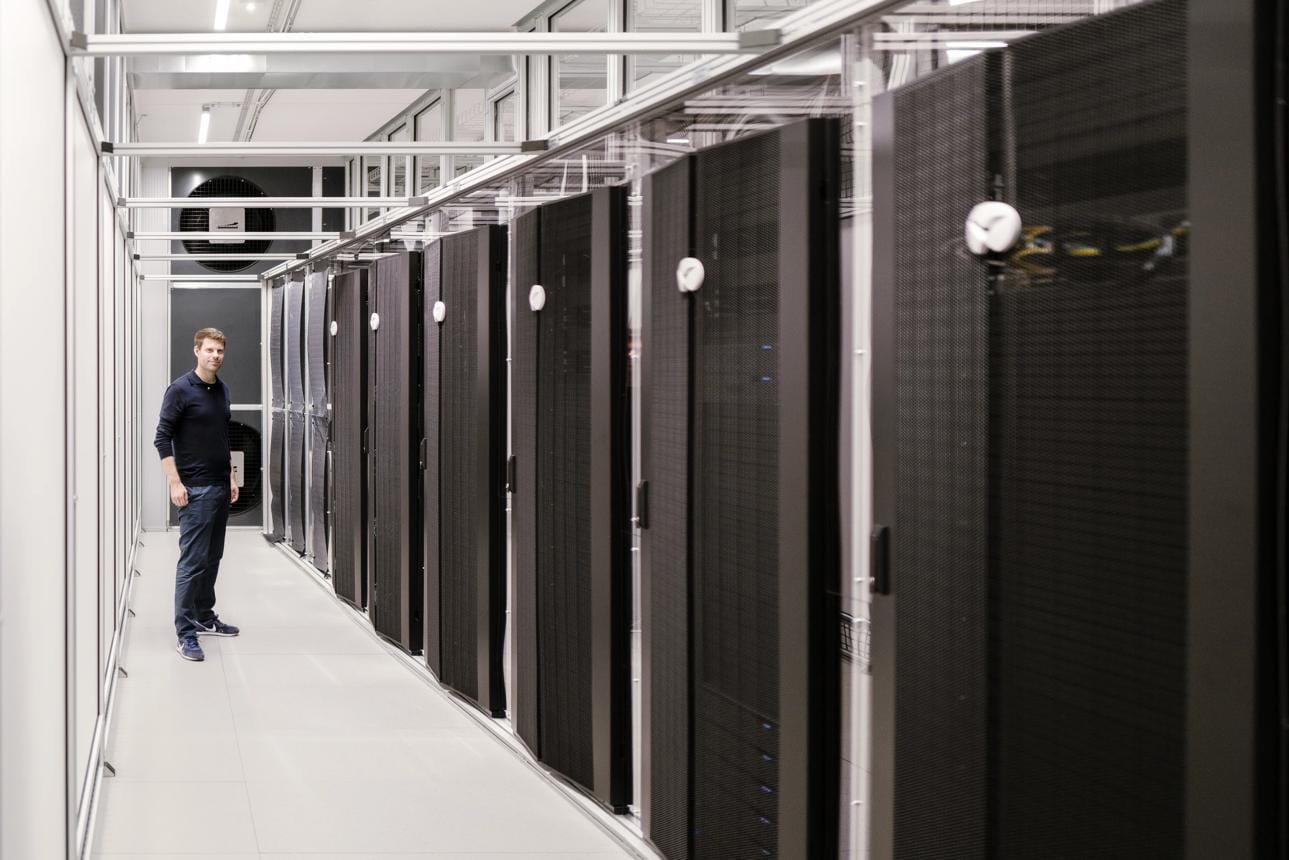
Switzerland currently hosts around 120 data centres, with approximately 20 additional facilities under construction. This gives the country one of the highest concentrations of data centres per capita in the world. The rise of artificial intelligence technologies is accelerating this growth as companies invest heavily in advanced computing infrastructure.

AI servers require significantly more processing power than traditional systems. As a result, they generate higher levels of heat and require intensive cooling methods to maintain safe operating temperatures. Many of these cooling systems depend heavily on water.

According to David Atienza Alonso, a professor at EPFL and an expert in AI computing systems, increasing AI adoption will continue driving demand for larger and more powerful data centres.

He explained that countries are also expanding domestic data infrastructure due to geopolitical tensions and concerns about digital sovereignty. Governments and companies increasingly want sensitive data to remain within national borders, leading to greater investment in local storage and computing facilities.

While Switzerland is often called the “water tower of Europe” because of its lakes, rivers, and glaciers, experts warn that resource availability should not be taken for granted. If AI infrastructure growth continues without long-term planning, some regions could eventually face challenges in supplying enough electricity and water.

Global estimates from the International Energy Agency suggest that data centres currently consume around 560 billion litres of water annually worldwide. This figure could rise to 1.2 trillion litres by 2030 as AI usage expands rapidly across industries.

Most of this water is used for cooling servers and generating electricity required to power data centre operations. Environmental experts say the issue remains largely invisible to the public despite its growing importance in the digital economy.

Researchers and policymakers are now calling for sustainable infrastructure planning, improved cooling technologies, and better resource management to ensure that Switzerland can support technological growth without placing excessive strain on natural resources.

Mythos AI: World’s Ultimate Cyber Defender or a Super Hacker in Disguise?

A new advanced AI system reportedly called Mythos AI has sparked global debate in the cybersecurity world. Developed under Anthropic, the model is described as a “frontier AI system” capable of independently analyzing software code, detecting vulnerabilities, and generating security insights at a scale far beyond human capability.

Unlike traditional chatbots, Mythos AI is designed to operate autonomously. Once given a task, it can plan, analyze, and execute complex cybersecurity assessments without continuous human guidance. This makes it a powerful tool for identifying weaknesses in modern software systems.

According to reports, Mythos AI demonstrated extraordinary capability by discovering a long-hidden vulnerability in OpenBSD, a system widely considered one of the most secure operating systems in the world. The flaw had reportedly remained undetected for over 27 years, even after repeated manual audits by security experts.

Beyond this discovery, the AI system is also said to have identified thousands of vulnerabilities across major web browsers such as Google Chrome, Mozilla Firefox, Microsoft Edge, and Safari. Some of these include deep system-level flaws that could potentially allow attackers to gain elevated access within operating systems.

The development has raised two major perspectives in the cybersecurity community. On one side, experts see Mythos AI as a breakthrough digital guardian that could revolutionize how software security is maintained. It could significantly reduce the time required to detect vulnerabilities and improve global cyber defense systems.

On the other side, concerns are being raised about the dual-use nature of such technology. A system capable of identifying vulnerabilities at this scale could also be misused if it falls into the wrong hands, effectively turning a defensive tool into a highly advanced hacking engine.

While the technology is still under observation and not fully deployed in public systems, the emergence of Mythos AI highlights a growing trend: artificial intelligence is rapidly becoming a central force in cybersecurity—both as a protector and a potential threat.