Economist Warns War Could Hurt Swiss Economy.

A leading Swiss economist has warned that the ongoing conflict in the Middle East could seriously affect Switzerland’s economy by disrupting global supply chains and increasing energy prices.

Jan-Egbert Sturm, director of the KOF Swiss Economic Institute, said Switzerland’s economy remains stronger than expected despite global instability. The country recorded 0.5% GDP growth during the first quarter of 2026.

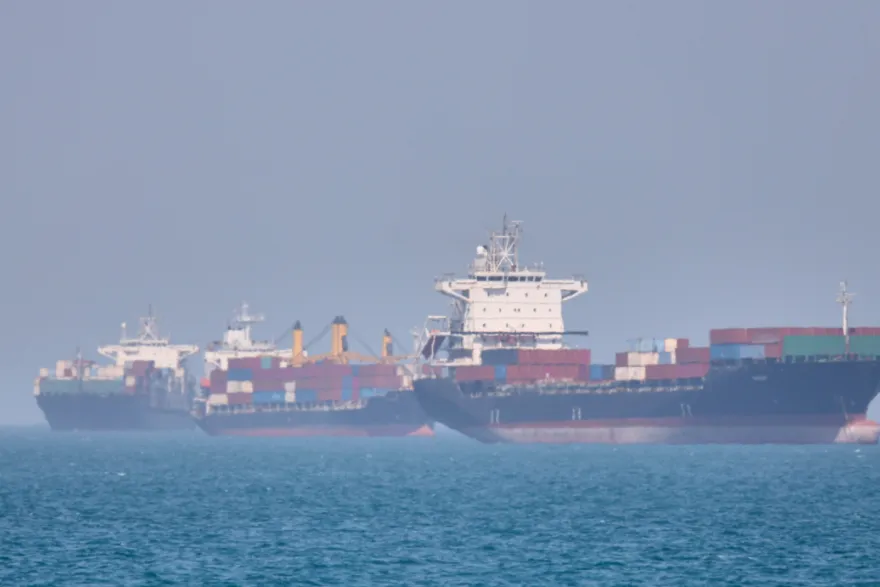
However, Sturm cautioned that the longer the conflict continues, the more Switzerland will experience its economic consequences. He highlighted concerns over the Strait of Hormuz, a key global oil and gas shipping route, warning that prolonged disruptions could affect fuel supplies and prices worldwide.

Although Asian economies may feel the immediate pressure first, Switzerland could also face delayed economic impacts through rising transport costs and weakened consumer demand.

According to Sturm, increasing petrol and energy prices raise business expenses, which companies often pass on to consumers through higher product prices. As living costs rise, households may reduce spending in other sectors, slowing overall economic activity.

The economist also warned about the possibility of a wage-price spiral if workers demand higher salaries to offset inflation. He expects Swiss inflation to reach around 2% this year, remaining within the target range set by the Swiss National Bank.

Despite current economic resilience, Sturm stressed that extended geopolitical instability could threaten Switzerland’s long-term prosperity.


Swiss Economy Records Strong Growth in Early 2026 Despite Global Challenges

Switzerland’s economy showed stronger-than-expected growth during the first quarter of 2026 despite rising oil prices and ongoing global trade uncertainties. According to the latest flash estimate released by the Swiss State Secretariat for Economic Affairs (SECO), the country’s real seasonally adjusted gross domestic product (GDP) increased by 0.5% compared to the previous quarter.

The positive economic performance came from growth in both the industrial and service sectors. Economists had predicted a lower increase of between 0.3% and 0.4%, making the latest figures a positive surprise for the Swiss economy. During the final quarter of 2025, Switzerland’s GDP had grown by only 0.2%, while the previous quarter experienced a 0.5% decline due to international tariff disputes and trade tensions.

GDP Growth=0.5%GDP\ Growth = 0.5\%GDP Growth=0.5%

SECO economic expert Felicitas Kemeny explained that confidence in the economy has improved in recent months. She stated that reduced tariffs and slight economic recovery in Germany helped support Swiss economic activity. Several economic indicators also pointed toward stronger business confidence and stable consumer activity across Switzerland.

Although oil prices increased significantly during March, analysts noted that confidence indicators remained relatively stable. This has created optimism that Switzerland may maintain positive economic momentum in the short term. However, uncertainty still exists because global energy prices and international trade conditions continue to affect economic forecasts worldwide.

The Swiss government currently expects economic growth of around 1.0% for 2026 under its main scenario. If oil prices remain elevated for a longer period, experts believe growth could slow slightly to around 0.8%. SECO will release the detailed GDP report on June 1, which will provide more information about the performance of individual sectors within the Swiss economy.

Switzerland continues to demonstrate resilience despite global economic pressure, inflation concerns, and international market instability. Economists believe the country’s diversified economy, stable financial system, and strong industrial base continue to support steady economic growth during uncertain times.

Swiss Economy Grows 0.5% Despite Oil Price Shock

The Swiss economy recorded stronger-than-expected growth in early 2026 despite global pressure from rising oil prices and ongoing trade uncertainties.

According to a flash estimate released by the State Secretariat for Economic Affairs (SECO), Switzerland’s gross domestic product (GDP) increased by 0.5% in the first quarter of 2026 compared to the previous quarter.

Both the industrial and service sectors contributed to this positive performance, showing resilience even amid external economic shocks.

The growth rate exceeded analysts’ expectations, which had predicted expansion between 0.3% and 0.4%, according to market surveys.

In the previous quarters, the Swiss economy showed mixed performance, including a 0.2% growth at the end of 2025 and a 0.5% contraction earlier due to tariff-related tensions.

SECO officials noted that improved business confidence played a key role in the recovery, along with easing tariff pressures and modest positive spillover effects from Germany’s economy.

However, economists remain cautious about the outlook. Rising oil prices, which increased significantly in March, could still affect economic momentum in the coming months.

Despite this, confidence indicators have remained relatively stable, suggesting that short-term growth may continue.

The Swiss government currently projects annual growth of around 1.0%, though this could be revised down to 0.8% if high energy prices persist.

A detailed GDP breakdown is expected in the upcoming full report scheduled for June 1, which will provide deeper insight into sector-specific performance.

SWISS to Cut Administrative Staff by 10% in Cost-Saving Drive

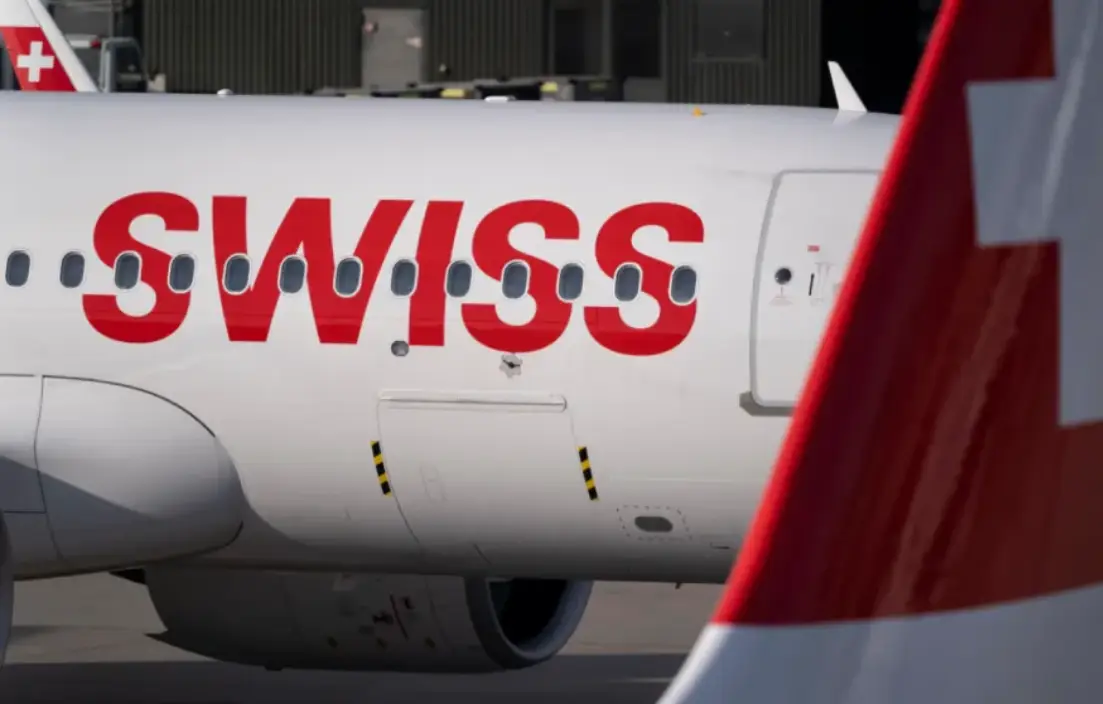
Swiss International Air Lines (SWISS) has announced plans to reduce its administrative workforce by around 10% as part of expanded cost-saving measures.

SWISS Chief Executive Officer Jens Fehlinger confirmed the decision in an interview published by the Swiss newspaper NZZ am Sonntag.

According to Fehlinger, the airline aims to lower administrative staffing levels without implementing forced redundancies.

Instead, SWISS plans to achieve the reduction through voluntary departures and incentive-based programmes designed to encourage employees to temporarily or permanently leave their positions.

The airline is reportedly offering financial incentives similar to measures previously introduced for cabin crew members.

Under the new programme, administrative staff who choose unpaid leave could receive compensation worth up to 20% of the base salary savings generated by their absence.

The move comes as airlines across Europe continue adjusting operational costs amid changing travel demand, rising competition, and economic pressures within the aviation sector.

SWISS has already introduced several efficiency measures in recent months to strengthen long-term financial stability while maintaining flight operations and customer services.

Industry analysts say many airlines are increasingly focusing on reducing back-office expenses and streamlining administration rather than cutting frontline operational staff.

Despite the planned reduction, SWISS stated that it remains committed to avoiding compulsory job cuts and maintaining a stable working environment for employees.

The airline continues to play a major role in Switzerland’s aviation industry and international connectivity.

Financial Pressure Growing Among Switzerland’s Middle Class.

Financial pressure is increasing for many middle-class families in Switzerland, according to new data released by the Federal Statistical Office.

Although the majority of people in Switzerland are classified as middle income, many households are struggling with financial insecurity and rising living costs.

The Federal Statistical Office reported that around one in four people in the lower middle class would be unable to cover an unexpected expense of CHF 2,500 (approximately $3,200).

The findings are based on Switzerland’s household budget survey and research into income and living conditions.

According to the FSO, approximately 4.9 million people in Switzerland belonged to the middle-income category in 2024.

The classification includes single adults earning between CHF 4,228 and CHF 9,061 per month, as well as couples with two children earning a combined gross monthly income between CHF 8,800 and CHF 19,028.

However, the data show that financial difficulties are especially severe among the lower middle class, which represents roughly 2.3 million residents.

This category includes single individuals earning below CHF 6,041 monthly and families with two young children earning less than CHF 12,685 combined income.

Experts say rising housing costs, healthcare expenses, inflation, and everyday living costs continue to place increasing pressure on middle-income households across Switzerland.

The report highlights growing concerns over financial vulnerability even among people traditionally considered economically stable.

Economists warn that continued increases in living expenses could further weaken household purchasing power and long-term financial security for many Swiss residents.

Switzerland Continues US Trade Talks Despite Tariff Court Ruling.

The Switzerland government says it will continue trade negotiations with the United States despite a recent US court ruling against tariffs introduced under former President Donald Trump.

According to Swiss officials, reaching a long-term trade agreement with the United States remains a top priority for the Swiss Federal Council.

The statement came after a US trade court ruled on Thursday that the latest 10% temporary global tariffs introduced under Trump’s trade policy were unjustified under a 1970s trade law.

However, Swiss authorities stressed that the ruling will not affect the ongoing Swiss-US trade discussions.

A spokesperson for the Swiss economics ministry stated that the main objective of the negotiations is to secure fair and non-discriminatory access for Swiss companies to the American market.

Swiss officials also highlighted the importance of long-term legal certainty and stable trade conditions for businesses operating internationally.

The US court decision reportedly blocks the tariffs only for two private importers and the State of Washington, meaning broader tariff policies remain under legal and political debate.

Economic experts say Switzerland is seeking stronger economic ties with the US to protect exports, investment opportunities, and market competitiveness.

The United States remains one of Switzerland’s most important trading partners, especially in sectors such as pharmaceuticals, finance, machinery, and technology.

Both countries are expected to continue negotiations as global trade tensions and tariff disputes continue to shape international economic policy.

Swiss Consumer Confidence Rises Slightly but Remains Weak

Consumer confidence in Switzerland has shown a slight improvement in April, but overall sentiment remains weak as households continue to face economic uncertainty and persistent high prices.

According to data released by the State Secretariat for Economic Affairs, the consumer confidence index rose to -40.0 points in April, up from -42.9 in March. In February, the index had already dropped sharply from -30.4, indicating continued volatility in public sentiment.

Despite the monthly improvement, the index remains below the long-term average of -37.5, highlighting ongoing economic concerns among Swiss households.

On a year-on-year basis, consumer confidence improved slightly by 2.4 points, but expectations for the future remain cautious.

A key driver of the slight improvement is the better perception of the overall economic outlook. The sub-index measuring expected economic development rose from -67.9 to -58.0 in April.

However, this figure is still far below its long-term average of -33.6, showing that consumers remain pessimistic about future economic growth.

Experts note that job insecurity, inflationary pressure, and high living costs continue to weigh heavily on household sentiment.

While some stabilization is visible, economists caution that consumer confidence in Switzerland is still fragile and could be affected by global economic conditions, interest rate changes, and geopolitical uncertainty.

Swiss Senate Committee Approves Erasmus+ Funding Support.

A parliamentary education committee in Switzerland has narrowly approved funding to support the country’s participation in the Erasmus+ programme for 2027.

The decision was made by the Education Committee of the Swiss Senate, with the proposal passing after a tied five-to-five vote. The committee chair cast the deciding vote in favor of the funding plan.

Supporters of the measure described participation in Erasmus+ as an important investment in Switzerland’s education system and future workforce development.

Committee members backing the proposal argued that Erasmus+ strengthens opportunities for apprentices, university students, and vocational trainees by improving international learning experiences and professional skills.

They also emphasized that enhanced education and training opportunities ultimately benefit the Swiss economy by preparing a more competitive and globally connected workforce.

However, the proposal faced resistance from a strong minority within the committee, who raised concerns about federal spending and budget pressures.

Opponents argued that Switzerland’s current financial situation and recently approved government cost-cutting measures make additional spending difficult to justify at this time.

Despite those concerns, the committee narrowly supported continued engagement with the European education programme.

Erasmus+ is one of Europe’s largest educational exchange initiatives, supporting international study, training, youth cooperation, and academic partnerships across multiple countries.

Switzerland’s participation in the programme has remained an important topic in discussions about education policy, international cooperation, and economic competitiveness.

The latest committee decision signals continued political support for maintaining educational links between Switzerland and European institutions.

Middle East War Expected to Affect Swiss Tourism Industry.

The ongoing conflict in the Middle East is expected to negatively impact the tourism sector in Switzerland, according to Switzerland Tourism.

Tourism officials warned that the war could lead to a moderate decline in overnight hotel stays this year, although demand during the summer season is expected to remain relatively stable.

The Swiss hotel industry recorded a noticeable slowdown in March, with overnight stays falling by 5.2% compared to the same period last year. However, Switzerland Tourism explained that the decline was not caused solely by the conflict but also by calendar-related factors.

One major reason was the timing of school winter holidays. In 2026, winter vacations in many European regions ended in February, while several major markets, including Germany, had holidays extending into March during the previous year.

Despite the uncertainty, many tourism operators remain optimistic about the upcoming summer season. Industry experts expect stable demand from domestic travelers and visitors from neighboring European countries.

The trend toward “nearshoring” — where tourists prefer destinations closer to home — is continuing to support Switzerland’s tourism sector amid global instability.

Interestingly, Switzerland also recorded a surprising rebound in visitors from Gulf countries, with arrivals increasing by 7.9%. Tourism officials noted that this was partly due to the timing of Ramadan, which fell in March 2025 and traditionally reduces travel activity.

Looking ahead to 2026, Switzerland Tourism predicts a 2–3% decline in overnight stays linked to geopolitical tensions in the Middle East.

However, officials stressed that the current situation is far less severe than the tourism collapse experienced during the COVID-19 pandemic. They described the present slowdown as a market adjustment affecting only certain travel segments.

Tourism experts added that hotels heavily dependent on travelers from affected regions may feel stronger economic pressure, while the broader Swiss tourism industry is expected to remain stable overall.

Nestlé Confirms Nespresso Production Will Stay in Switzerland.

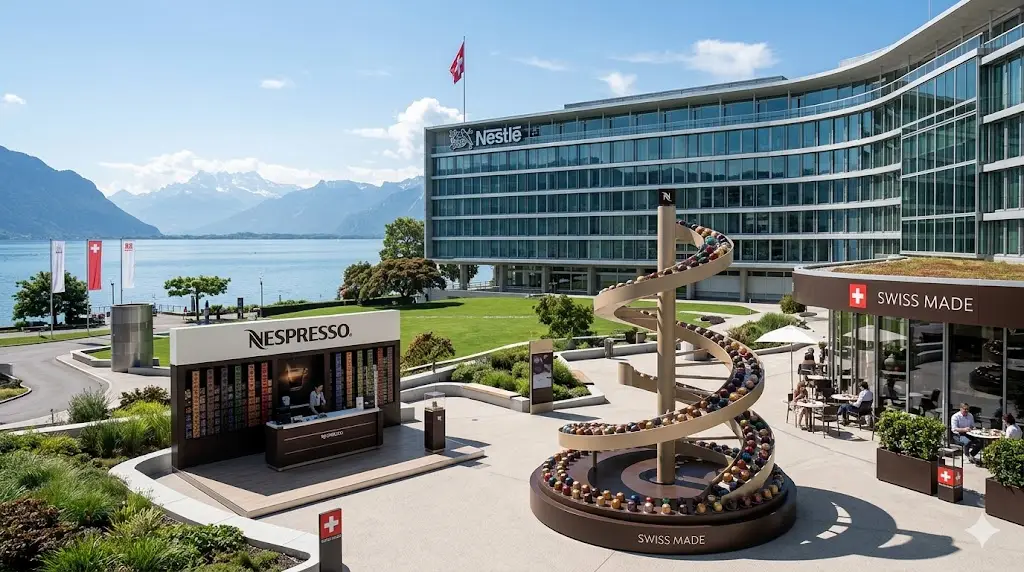
Nestlé has confirmed that it will continue producing Nespresso capsules in Switzerland despite growing concerns over United States import tariffs.

Speaking to CH Media, Nestlé CEO Philipp Navratil stated that the company has no plans to move Nespresso capsule production outside Switzerland.

Nestlé, headquartered in Vevey, is currently reviewing options related to possible reimbursement of US customs duties. However, the company stressed that relocating manufacturing operations is not under consideration.

Navratil explained that Nestlé remains focused on long-term business stability and adapting to changing global market conditions rather than reacting to short-term political pressures.

Commenting on tariffs and trade barriers, he emphasized that the company continues to invest despite the additional costs created by international trade tensions.

The decision is seen as a positive signal for Switzerland’s manufacturing sector and workforce, particularly as global companies increasingly review supply chains and production locations due to economic uncertainty.

Nespresso remains one of Nestlé’s most recognized premium brands worldwide, and Switzerland continues to play a central role in the company’s coffee production and innovation strategy.

Industry observers note that maintaining production in Switzerland also reinforces the premium image and “Swiss-made” identity associated with Nespresso products globally.