

Switzerland’s 10 Million Population Vote: Impact on Tamils?

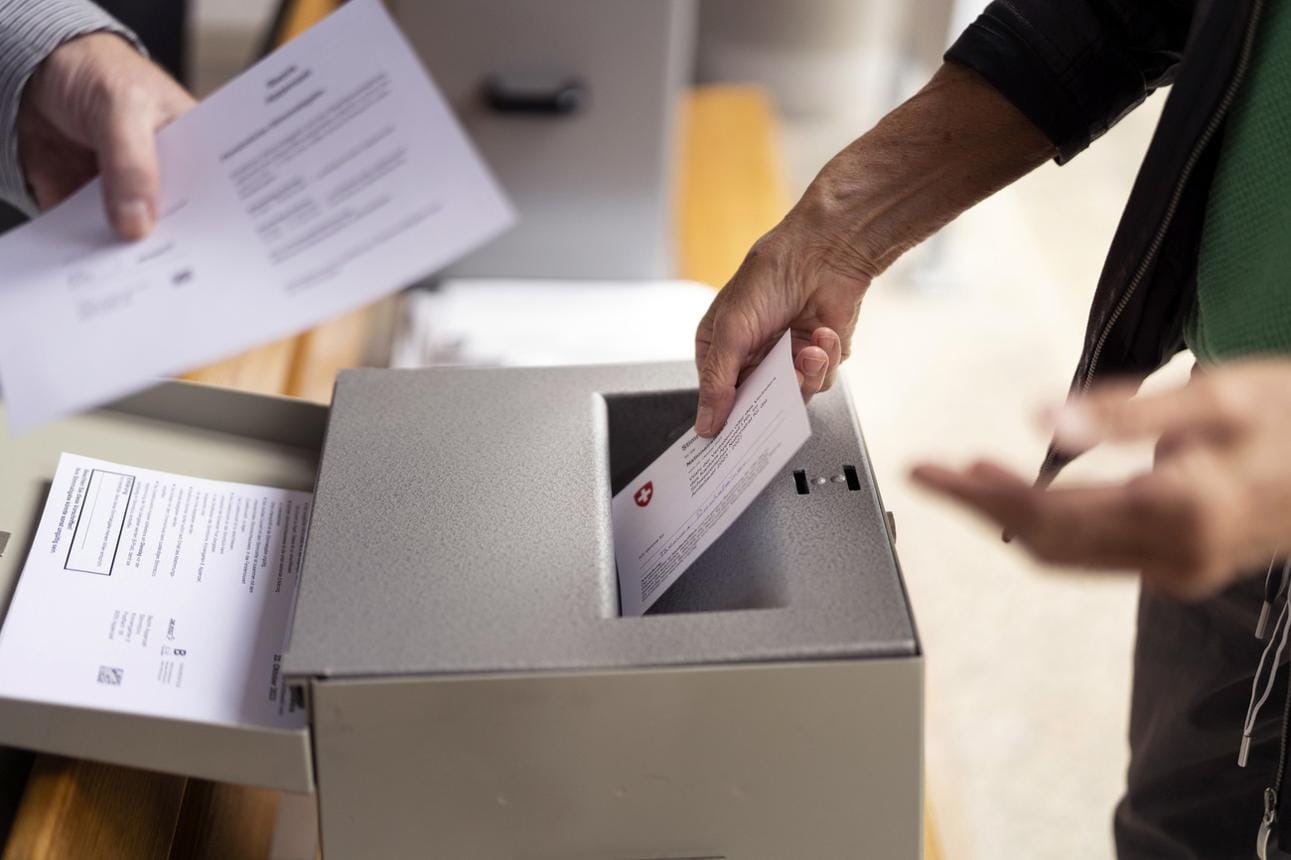
Switzerland is preparing for an important national vote on a proposal known as “No to 10 Million Switzerland,” which aims to limit the country’s population growth. The initiative, introduced by the Swiss People’s Party (SVP), seeks to prevent Switzerland’s population from exceeding 10 million by introducing stricter controls on immigration.

Supporters of the proposal argue that rapid population growth places increasing pressure on housing, transportation, public services, infrastructure, and environmental resources. They believe Switzerland should take stronger measures to manage migration and maintain the country’s quality of life.

Opponents, however, warn that the proposal could negatively affect Switzerland’s economy, labour market, and international competitiveness. Most major political parties, along with the Swiss Federal Government, have rejected the initiative and are encouraging voters to oppose it. Critics argue that Switzerland relies heavily on skilled foreign workers and international talent to support economic growth.

Speaking on the issue, Socialist Democratic Party member Siri Rasamanickam urged Swiss citizens to study the proposal carefully before casting their vote. He emphasized the importance of making informed decisions based on official information rather than opinions shared on social media.

The proposal has also attracted attention among migrant communities, including Swiss Tamils, who are closely following the debate. While the initiative primarily focuses on future population growth and immigration policies, many observers believe the outcome could influence Switzerland’s long-term approach to migration and integration.

Political analysts note that the proposal faces significant opposition from major parties and government institutions. Nevertheless, the final decision rests with Swiss voters, making the upcoming referendum an important event for the country’s future migration policies.

The vote is expected to generate widespread discussion across Switzerland as citizens consider the balance between population growth, economic needs, and social development.+
Sri Lanka Mobile Embassy Service Successfully Held in Zurich, Switzerland

A mobile consular service organized by the Sri Lankan diplomatic mission in Zurich was successfully conducted on May 09 and 10, 2026, in collaboration with local Sri Lankan associations and community groups.

The initiative was coordinated by the Permanent Mission of Sri Lanka in Geneva to improve accessibility for Sri Lankans living in Switzerland. The service was designed to allow citizens to access essential embassy services without traveling long distances, ensuring greater convenience for the diaspora community.

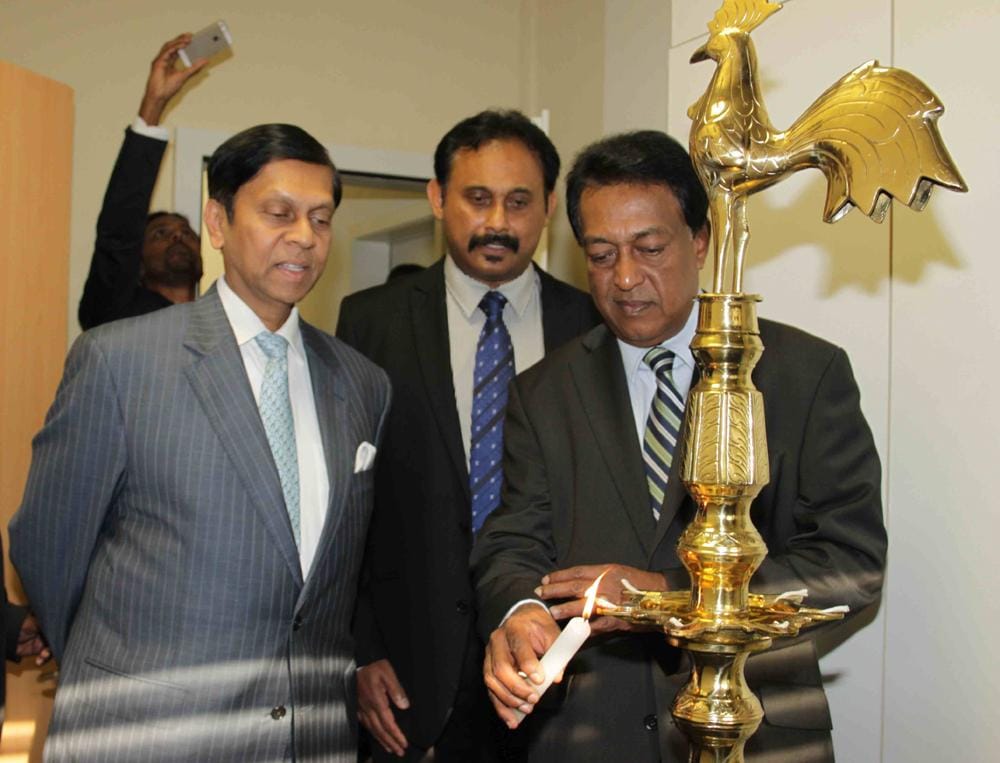
The event was inaugurated by Sri Lanka’s Permanent Representative to the United Nations in Geneva, Ambassador Sumith Dassanayake. He stated that, under the guidance of Foreign Minister Vijitha Herath, similar mobile consular services will be expanded across Switzerland in the future, including cities such as Bern, Aargau, and Solothurn. The Zurich program marks the beginning of this broader initiative.

During the two-day service, the diplomatic team provided several important consular services. These included accepting passport applications, issuing birth registrations, providing e-BMD certified birth, marriage, and death certificates, processing dual citizenship applications, and certifying civil status documents and affidavits.

Alongside the consular work, the Ambassador also held discussions with key Sri Lankan community organizations in Switzerland, including the Swiss Sri Lanka Association and the Dharma Union (Hindu-Buddhist organization). These discussions focused on strengthening cooperation and improving services for the Sri Lankan community.

He also visited the Sri Bodhirajaramaya Buddhist Temple in Lenzburg and the Sri Sivasubramaniar Temple in Adliswil, where he engaged with community members and religious leaders to understand their concerns and needs.

This mobile embassy service is considered an important step toward improving diplomatic accessibility and delivering efficient public services to Sri Lankans living abroad.

Swiss Immigration Vote Sparks Nationwide Debate Ahead of Referendum

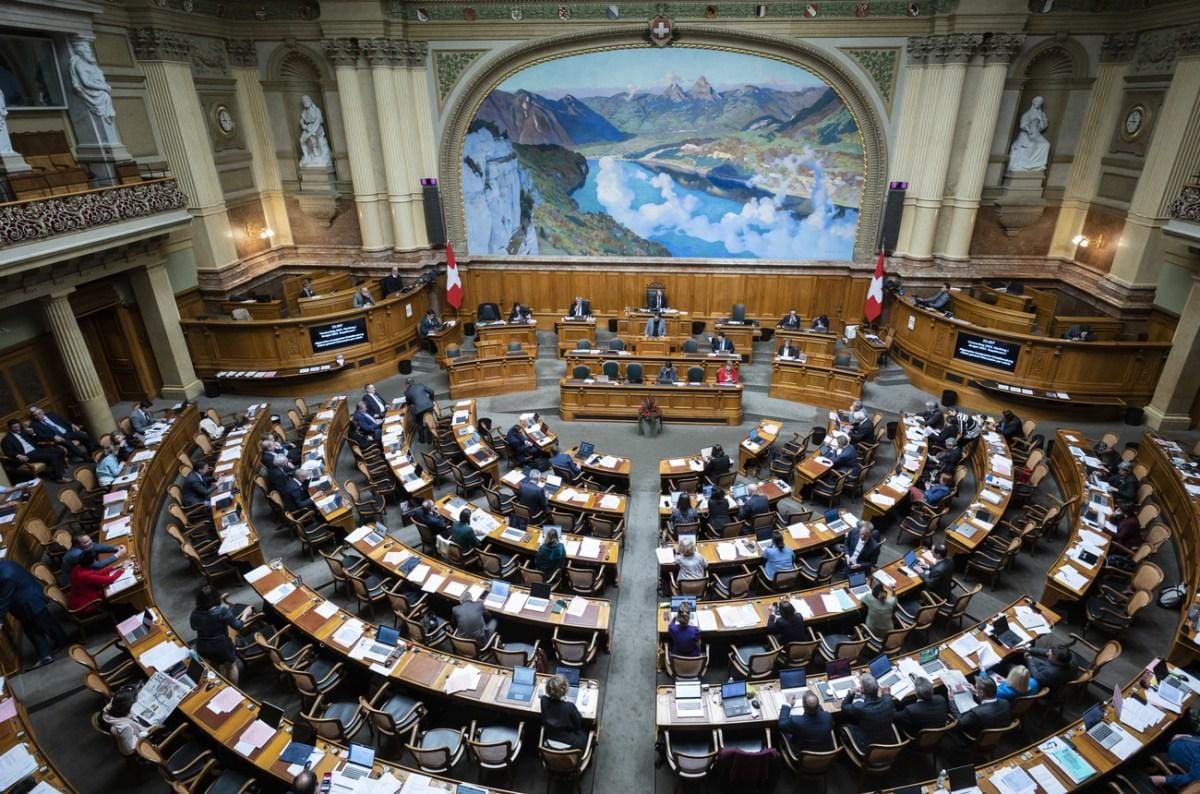
A major political debate is gaining momentum in Switzerland as the country prepares for a crucial national referendum on immigration. The proposal, widely known as “No to 10 Million Switzerland,” aims to limit the country’s population growth by introducing stricter immigration controls. The referendum is scheduled to take place on June 14 and has already attracted nationwide attention unlike any recent public vote in the country.

The proposal was introduced by the Swiss People’s Party, a political group known for its strong stance against large-scale immigration. Supporters of the initiative argue that rapid population growth is increasing pressure on housing, transportation, healthcare, and public infrastructure across Switzerland. They believe tighter immigration policies are necessary to protect the country’s long-term stability and quality of life.

However, strong opposition to the proposal is also growing across the country. Business leaders, economists, and several political groups warn that reducing immigration could create serious labor shortages in key sectors. Industries including healthcare, construction, hospitality, and technology heavily depend on foreign workers to maintain daily operations and economic growth.

Critics of the proposal argue that immigration plays a vital role in strengthening the Swiss economy. They say limiting the number of immigrants could slow economic development, reduce workforce availability, and negatively impact Switzerland’s international competitiveness. Many experts also point out that skilled migrants contribute significantly to innovation, productivity, and tax revenue.

As the referendum date approaches, both supporters and opponents are spending heavily on nationwide campaigns to influence voters. Political advertisements, public debates, social media campaigns, and television discussions have intensified in recent weeks, turning the immigration referendum into one of the most talked-about political issues in Switzerland this year.

The outcome of the vote could shape the future of immigration policy in Switzerland and influence debates across Europe. With public opinion sharply divided, the referendum is expected to become a defining political moment for the country.