G7 Evian Summit Raises Geneva Security Concerns

Swiss authorities are closely monitoring security risks ahead of the 2026 G7 Summit taking place in Evian, France, just across the border from Geneva.

The summit, scheduled from June 15 to 17, 2026, will bring together leaders from Canada, France, Germany, Italy, Japan, the United Kingdom, and the United States. Due to its proximity, Swiss officials are preparing for potential spillover effects, especially in Geneva.

A planned protest on June 14 in Geneva has raised concern among authorities. Officials are working to ensure public safety and maintain order during the cross-border event.

Security planners have recalled the 2003 G8 summit protests, when demonstrations in Geneva escalated into violence and looting. That incident remains a key reference point for current risk assessments.

Authorities emphasize that they are aiming to avoid similar unrest this time. Enhanced coordination between Swiss and French security forces is being implemented to manage both delegation movements and protest activities.

Officials have stated that while peaceful protest is permitted, any form of violence or property damage will be strictly controlled.

Swiss Police Warn of Fake QR Parking Ticket Scam in Vaud.

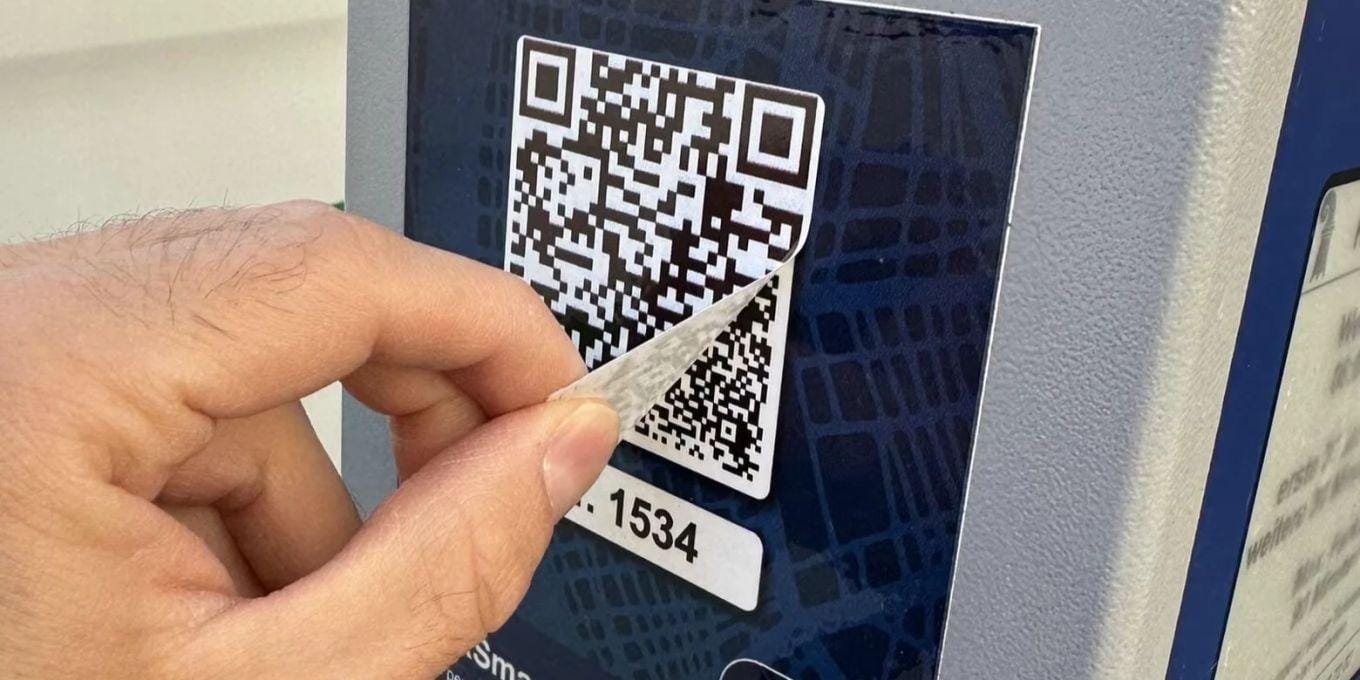
Switzerland’s Vaud canton police have issued a strong warning about a rapidly spreading new scam involving fake QR code parking tickets. Authorities say criminals are using advanced digital tricks to steal personal and financial information from residents.

According to police, fake parking tickets containing QR codes are being distributed to the public. These tickets look official, but they are designed to mislead people into scanning the QR code using their smartphones.

Once scanned, victims are redirected to a fraudulent website that appears legitimate. The website then asks users to enter sensitive personal details and credit card information. In some cases, the site also threatens users with additional fines, such as an extra 80 Swiss francs if payment is not made immediately.

Police have already managed to shut down two related malicious websites. However, they warn that similar fake websites may continue to appear, making the scam difficult to fully control.

Authorities strongly advise the public not to trust unknown QR codes or suspicious parking tickets. They recommend verifying any parking fine or payment request directly with local authorities or police before making any payment.

Residents are urged to stay alert and report any suspicious tickets immediately. Officials emphasize that official parking authorities never request sensitive banking information through random QR code links.

The investigation is ongoing, and Swiss police continue working to prevent further fraud attempts across the region.

Social Media Overtakes Traditional News Media Globally.

A major shift in global media consumption has been highlighted in the Reuters Institute Digital News Report 2026, which shows that social media platforms and video-sharing apps have overtaken traditional media as the primary source of news for a large portion of the population.

The report, based on online surveys conducted across 48 countries with nearly 100,000 participants, reveals that 54% of respondents now rely on social media and video platforms for daily news and information. This marks a significant transformation in how people access and engage with current events.

The study finds that this change is especially strong among younger generations. Many young people are moving away from traditional news websites, television, and newspapers, instead turning to short videos, influencers, and independent online creators for updates on global and local events.

This growing influence of content creators and independent publishers is reshaping public understanding of news. Individuals and digital platforms now play a major role in shaping opinions and distributing information, often faster than traditional media outlets.

However, the report also highlights serious concerns linked to this transition. The rapid spread of unverified information on social media increases the risk of misinformation and fake news. Users often face challenges in verifying the accuracy of content shared online.

Despite these challenges, the Reuters Institute report remains one of the most widely referenced global studies on media consumption and digital journalism trends, offering important insights into the future of the news industry.

Swiss Police Warn of Fake QR Parking Ticket Scam

Swiss police in the canton of Vaud have issued a public warning about a rapidly spreading new scam involving fake QR code parking tickets. Authorities say fraudsters are using modern digital methods to deceive residents and steal sensitive financial information.

According to police reports, scammers are distributing fake parking tickets containing QR codes. These tickets appear legitimate and are designed to trick users into scanning them using their smartphones.

When the QR code is scanned, victims are redirected to a fraudulent website that imitates official services. The website then requests personal details and credit card information, which are used by criminals for financial fraud.

Police have warned residents not to trust unsolicited parking tickets or unknown QR codes. They emphasize that official parking fines and tickets are issued through verified channels and do not require sensitive personal or banking details through random web links.

Authorities in Vaud are urging the public to remain cautious and to report any suspicious tickets or messages immediately. They also advise citizens to verify any payment requests through official municipal or parking authority websites.

Cybercrime experts in Switzerland note that QR code-based phishing scams are increasing across Europe, as criminals take advantage of digital payment systems and public trust in QR technology.

The Swiss police continue to investigate the origin of the scam and are working to prevent further distribution of fraudulent tickets across the region.

Swiss Government Issues Severe Heatwave Warning

Switzerland has issued a severe heatwave warning as temperatures are expected to rise significantly over the coming days. The Swiss government, through the Federal Office of Meteorology and Climatology (Meteoschweiz), has placed a Level 3 heatwave alert across large parts of the country starting from Thursday afternoon.

The cantons of Basel-Stadt and Basel-Landschaft are under the highest level of heat warning, indicating particularly dangerous conditions. Authorities warn that prolonged exposure to high temperatures can seriously affect human health, especially among elderly people, children, and those with existing medical conditions.

MeteoSwiss has stated that a Level 3 warning represents a “significant risk,” with potential impacts including circulatory problems, dehydration, and physical discomfort. The heatwave is also expected to affect animals, infrastructure, and the environment due to sustained high temperatures.

Health officials are advising the public to take preventive measures during this period. Residents are encouraged to drink plenty of fluids, avoid direct sunlight during peak hours, and reduce unnecessary physical exertion. Staying in shaded or cooled environments is strongly recommended.

The current heatwave warning is expected to remain in effect until Tuesday at 8 pm, depending on weather developments. Authorities continue to monitor the situation closely and may issue further updates if conditions worsen.

Swiss officials emphasize that such extreme weather events are becoming more frequent and stress the importance of public awareness and preparedness during summer heat periods.

Swiss House Approves VAT Hike, Rejects Pension Funding Mix.

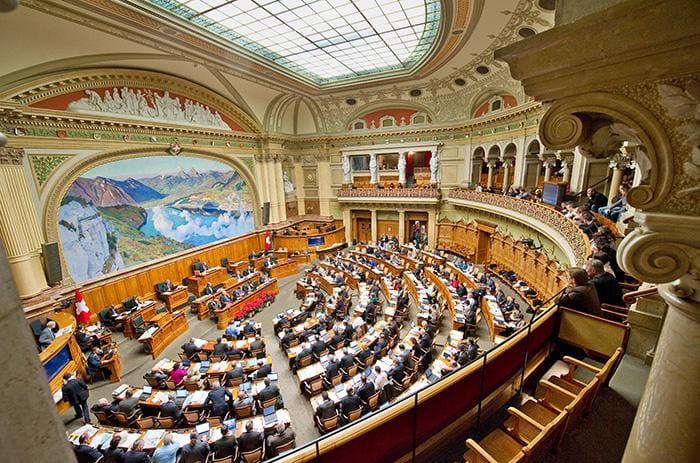
Switzerland has taken a major step in pension reform after the Swiss House of Representatives approved a Value Added Tax (VAT) increase to help finance the 13th payment of the old-age and survivors’ pension (AHV/AVS). However, lawmakers rejected a proposal for mixed financing that would have also increased employee contributions.

The VAT increase was approved by a vote of 104 to 87, showing clear support for funding the pension system through taxation rather than payroll deductions. In contrast, a closely contested vote rejected changes to salaries and employee contributions by 98 to 96, with a small number of abstentions.

During parliamentary debates, several political groups including the Swiss People’s Party, the Radical-Liberal Party, and the Liberal-Green Party supported the VAT-only funding model. They argued that relying on consumption tax is a more stable and transparent way to secure pension financing.

Opposition parties criticized the decision, warning that rejecting a mixed funding approach places a heavier burden on consumers and may indirectly push future discussions toward increasing the retirement age. The debate reflects ongoing political tensions in Switzerland over how to sustain its aging population and social security system.

Interior Minister Elisabeth Baume-Schneider clarified that the funding changes will not take effect until 2028. Until then, Switzerland is expected to cover two pension payments without secured financing, costing around CHF 9 billion. She emphasized that despite financial pressure, the 13th pension payment will begin as scheduled in December.

Both chambers of the Swiss Parliament are expected to confirm the decision in a final vote on Friday, which will determine the future direction of Switzerland’s pension funding system.

Swiss Senate Backs Deportation Hubs Outside Europe.

Switzerland is considering a major shift in its migration strategy after the Swiss Senate voted in favour of exploring deportation centres outside Europe for rejected asylum seekers. The proposal is designed to strengthen migration management and reduce pressure on the country’s asylum accommodation system.

The concept follows a recent European Union initiative known as “return hubs.” Under this model, asylum seekers whose applications have been rejected would be transferred to dedicated centres located in third countries while awaiting their return to their country of origin. Supporters believe this approach could improve the effectiveness of deportation procedures and strengthen border management policies.

The motion, introduced by Swiss parliamentarian Petra Gössi, received strong backing in the Senate. Advocates argue that Switzerland needs additional tools to ensure that individuals who no longer have the legal right to remain in the country leave in a timely and organised manner. They also believe that closer cooperation with international partners could improve the management of migration challenges.

Supporters say participation in return hub projects could help reduce the burden on Switzerland’s asylum system, particularly as accommodation capacities face increasing pressure. The proposal aligns with broader discussions taking place across Europe regarding migration control and repatriation mechanisms.

However, the plan has also generated criticism. Swiss Justice Minister Beat Jans warned that previous international attempts to establish similar return hubs have produced limited results. He highlighted concerns about legal complexities, finding reliable partner countries and the potential dependence on foreign governments to manage such facilities.

The Swiss government currently prefers a cautious approach and intends to closely monitor developments before making any long-term commitments. While return hubs may eventually complement existing asylum procedures, officials emphasize that they are unlikely to replace Switzerland’s national migration and asylum framework entirely.

The Senate’s decision signals growing political support for tougher migration policies in Switzerland. As discussions continue, the future of return hubs is expected to remain a key issue in Swiss and European migration debates.

Swiss Parliament Backs Criminal Record Checks for Foreign Permits.

Switzerland is moving toward stricter immigration controls after the Swiss Senate approved a proposal requiring criminal record checks for foreign nationals applying for residence permits. The motion received strong support in Parliament and aims to strengthen public safety while improving the country’s permit screening process.

For more than a decade, the canton of Ticino has required criminal record checks for all foreign residents applying for permits, including citizens from EU and EFTA countries. Supporters of the proposal argue that expanding this practice across Switzerland would help authorities identify individuals with serious criminal backgrounds before granting residency rights.

The debate gained attention following the arrest of a suspected mafia member who was reportedly denied a permit in one Swiss canton but later obtained one in another canton. Supporters believe that a nationwide system would reduce such inconsistencies and improve coordination among Swiss authorities.

Swiss Justice Minister Beat Jans stated that criminal records are already considered during permit assessments, including offences committed abroad. However, he noted that mandatory checks for all applicants could create challenges under Switzerland’s agreement on the free movement of persons with the European Union.

At the same parliamentary session, senators also approved a separate motion calling for an expansion of Switzerland’s list of “safe countries of origin.” The proposal seeks to make it easier to return irregular migrants whose asylum claims are rejected. Countries discussed for inclusion include Algeria, Egypt, Morocco and Tunisia, while debate continues regarding Turkey’s status.

The latest decisions highlight Switzerland’s ongoing efforts to balance public security, migration management and international obligations. The measures are expected to remain a key topic in Swiss political discussions as lawmakers evaluate future reforms to immigration and residency policies.

Zurich to Launch Switzerland’s First Self-Driving Taxi Service

Zurich is set to become the first region in Switzerland to introduce on-demand self-driving taxis, marking a significant milestone in the country’s transportation and technology sectors.

Ride-hailing giant Uber and Chinese autonomous driving company WeRide have announced plans to launch a commercial driverless taxi service later this year, subject to approval from Swiss federal authorities. The service will allow passengers to book rides directly through the Uber app.

The announcement follows similar deployments in other European cities and positions Zurich among the leading locations testing next-generation autonomous transport solutions.

Under the proposed model, Uber will manage the commercial operations while the vehicle fleet will be supervised by Zurich-based mobility provider Rydera. During the initial phase, vehicles will operate with a trained safety operator on board to monitor operations and ensure passenger safety.

The companies have stated that the long-term goal is to gradually expand the fleet and transition towards fully autonomous services without onboard operators once regulatory and safety requirements are met.

Swiss Parliament Rejects EFTA-Mercosur Free Trade Agreement

Switzerland’s House of Representatives has voted against the proposed free trade agreement between the European Free Trade Association (EFTA) and the South American Mercosur bloc, creating uncertainty over one of the country’s most significant international trade initiatives.

The agreement was rejected by 96 votes to 86, with nine abstentions, following a heated parliamentary debate that highlighted concerns about agriculture, environmental protection, and the impact on Swiss producers.

Opposition came from several political parties, including the Social Democratic Party, the Green Party, sections of the Swiss People’s Party, and some members of the Centre Party. Lawmakers raised questions about the agreement’s long-term consequences for Swiss farmers and environmental standards.

A major point of contention involved proposals for support measures aimed at protecting Swiss agriculture. Parliament rejected plans for an CHF 880 million support package intended to help farmers adapt to increased international competition. Lawmakers also declined to incorporate elements of the European Union’s Deforestation Regulation into the agreement.

The debate reflected broader concerns about balancing economic growth with environmental responsibility. Several parliamentarians argued that trade expansion should not come at the expense of rainforest protection or indigenous rights in South America.

The Mercosur bloc includes Argentina, Brazil, Paraguay, and Uruguay, representing a market of approximately 270 million people. The agreement was negotiated jointly by the four EFTA members: Switzerland, Norway, Iceland, and Liechtenstein.

Supporters of the agreement highlighted its economic benefits. According to the proposed terms, 96% of Swiss exports to Mercosur countries would become duty-free, potentially improving market access for Swiss businesses. Officials estimated annual customs savings of approximately CHF 155 million.

The agreement also included provisions allowing Mercosur countries access to limited Swiss import quotas for sensitive agricultural products, including meat and wine. Swiss authorities would retain control over the management of these quotas.

Despite the House’s rejection, the process is not yet complete. The proposal will now move to the Swiss Senate for further consideration. If the Senate approves the agreement, the House of Representatives will have the opportunity to review the matter again. The outcome highlights the ongoing challenge of balancing international trade opportunities with domestic agricultural interests and environmental concerns in Swiss policymaking.