Swiss SEM to Cut 108 Jobs as Asylum Applications Decline.

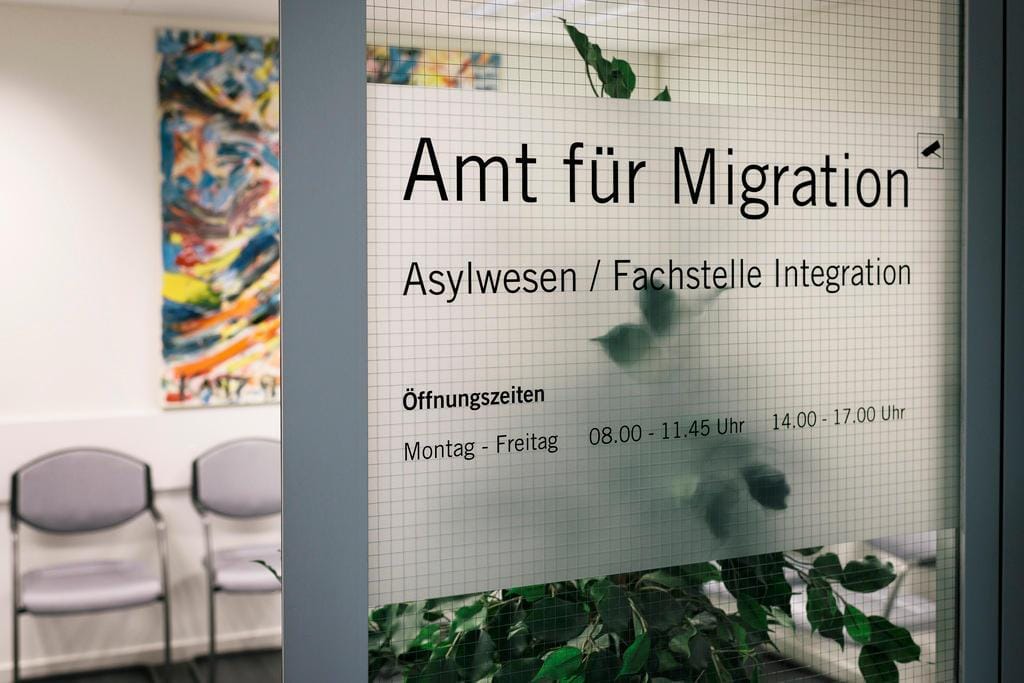
Switzerland’s State Secretariat for Migration (SEM) has announced plans to reduce its workforce by 108 positions as asylum applications continue to decline across the country. The move reflects changing migration trends and ongoing government efforts to manage public spending efficiently.

According to the SEM, most of the positions being eliminated were temporary roles that were originally created to help process a backlog of asylum applications. With pending cases falling significantly in recent years, the agency says these additional resources are no longer required.

The federal government’s cost-saving measures will also result in the removal of several permanent positions. Officials stated that the reductions will affect different departments within the migration authority and are part of a broader effort to control spending across federal institutions.

Employees affected by the restructuring are expected to receive official notification during June. The planned reductions will take effect at the beginning of 2027. Despite the cuts, the SEM will continue to employ around 1,280 full-time staff members.

The agency had already reduced its workforce by 83 positions at the start of 2026. Authorities explained that staffing levels within the asylum sector are directly linked to the number of applications received each year.

Switzerland recorded fewer asylum applications during 2025, and officials expect application numbers to remain lower throughout 2026 compared with the higher levels seen between 2022 and 2024. As a result, the demand for additional processing staff has decreased.

The SEM also reported strong progress in handling pending asylum cases. By the end of March, unresolved applications had fallen by 45%, leaving approximately 8,600 cases still awaiting decisions. The reduction highlights the agency’s efforts to improve processing efficiency and shorten waiting times.

The latest workforce adjustment signals a significant shift in Switzerland’s migration administration as authorities adapt to lower asylum demand while maintaining essential services and operational efficiency.
Switzerland Rejects EU Copernicus Program Until 2034

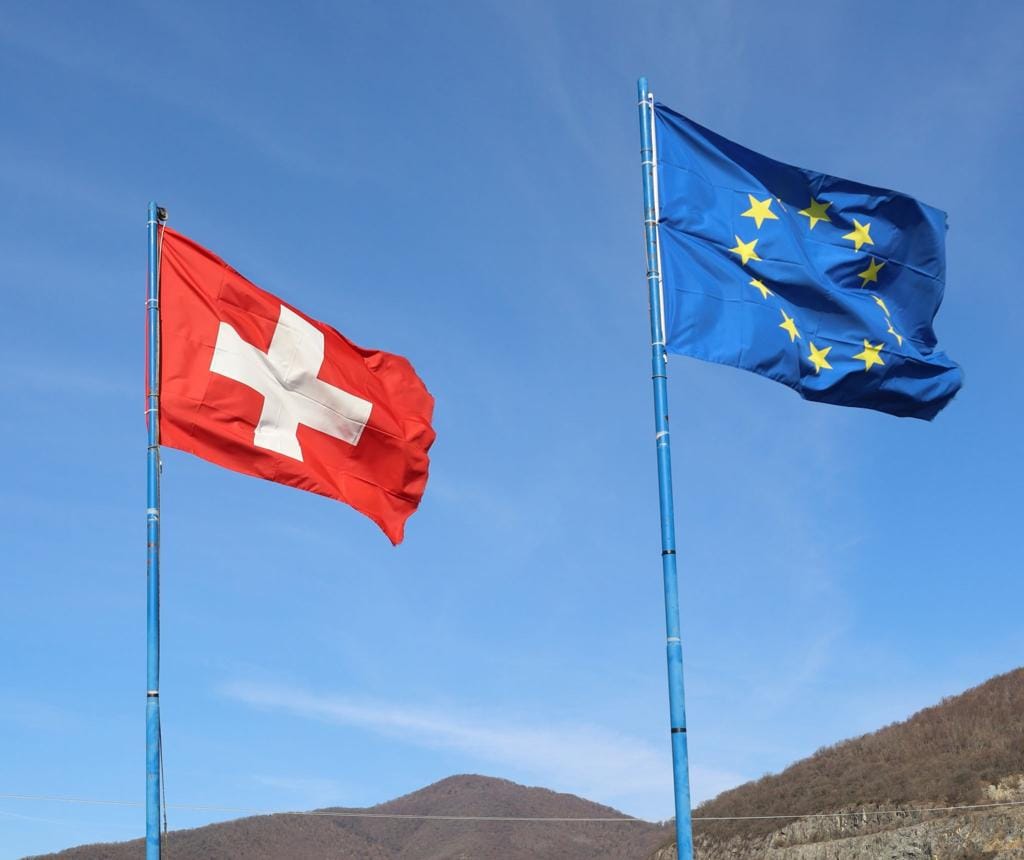
The Swiss government has confirmed that Switzerland will not participate in the European Union’s Copernicus Earth observation programme between 2028 and 2034, citing financial limitations and budget pressures. The decision marks a significant policy shift and contrasts with parliament’s earlier support for joining the initiative.

The Federal Council announced that the country’s current financial situation makes participation in Copernicus impossible during the upcoming funding period. While no detailed financial breakdown was provided, officials stated that Switzerland could reconsider joining the programme in 2032 if economic conditions improve.

Copernicus is one of Europe’s most important Earth observation and environmental monitoring systems. Established in cooperation between the European Union and the European Space Agency (ESA), the programme uses satellites and advanced technologies to collect data on climate change, environmental conditions, natural disasters, land use, and atmospheric developments. Governments, researchers, and businesses across Europe rely on Copernicus data for planning, scientific research, and environmental protection.

The decision has attracted attention because the Swiss parliament approved a motion supporting participation more than four years ago. Lawmakers viewed membership as a strategic investment in scientific research, climate monitoring, and technological innovation. However, despite parliament’s approval, the Federal Council has repeatedly postponed implementation and has now officially decided against participation for the next funding cycle.

Experts note that access to Earth observation data plays an increasingly important role as countries respond to climate change, extreme weather events, and environmental challenges. Copernicus has become a key platform for monitoring global warming, glacier changes, drought conditions, flooding risks, and ecosystem health across Europe.

Although Switzerland will remain outside the programme for the foreseeable future, the government has left the door open for future participation. Officials indicated that a reassessment could take place in 2032, depending on the country’s financial position and strategic priorities.

The announcement is expected to generate debate among policymakers, researchers, and environmental organizations, many of whom believe that international scientific cooperation will become increasingly important in addressing climate and environmental challenges in the years ahead.

Switzerland Hosts Over 140 Foreign Diplomatic Missions.

Switzerland is widely recognized as one of the world’s most important diplomatic centers, hosting a large number of foreign embassies and international representations.

According to available figures, around 146 countries maintain official diplomatic representation in Switzerland. Of these, nearly half have established full embassies directly in the capital city, Bern.

Bern alone hosts approximately 91 foreign embassies, making it a key center for bilateral diplomatic relations. These embassies manage political, economic, and consular relations between Switzerland and their respective countries.

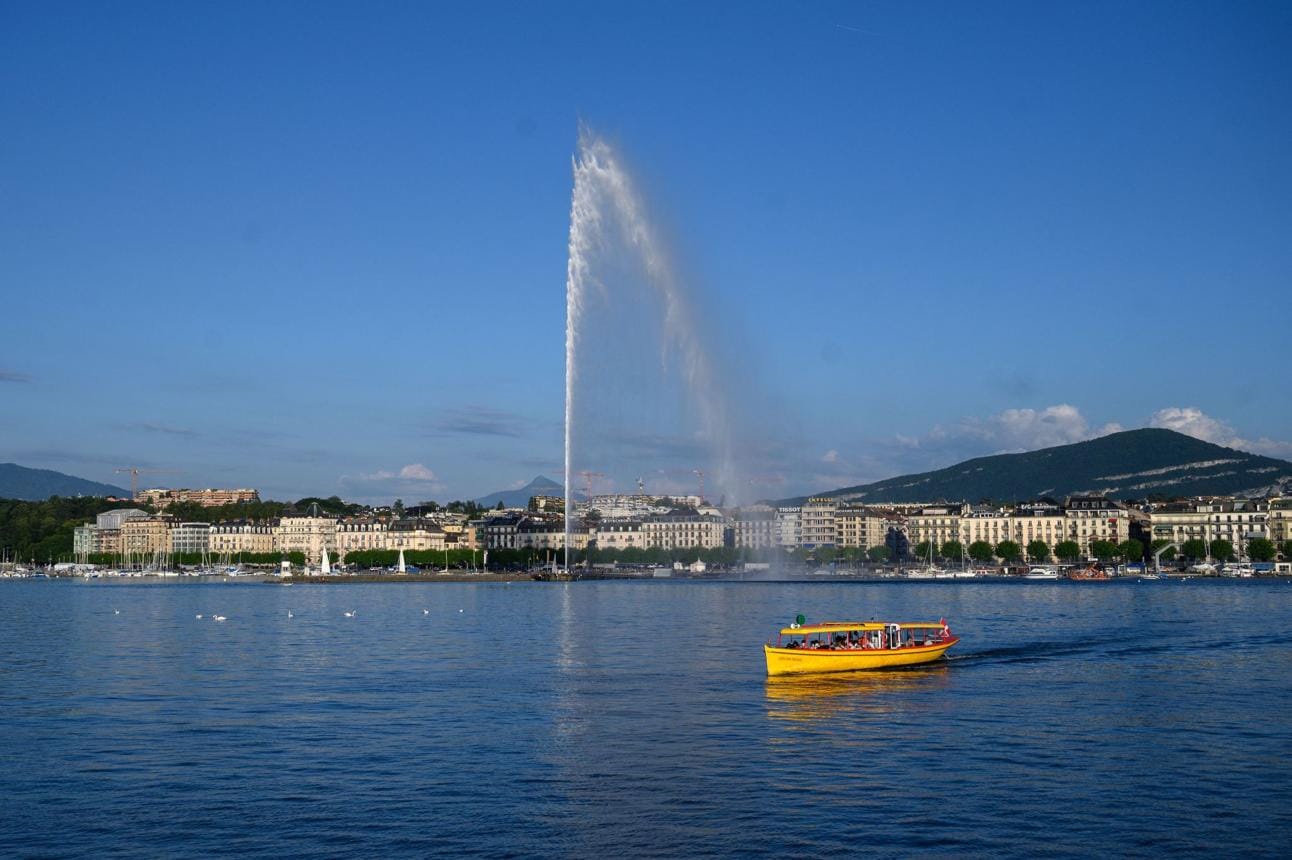
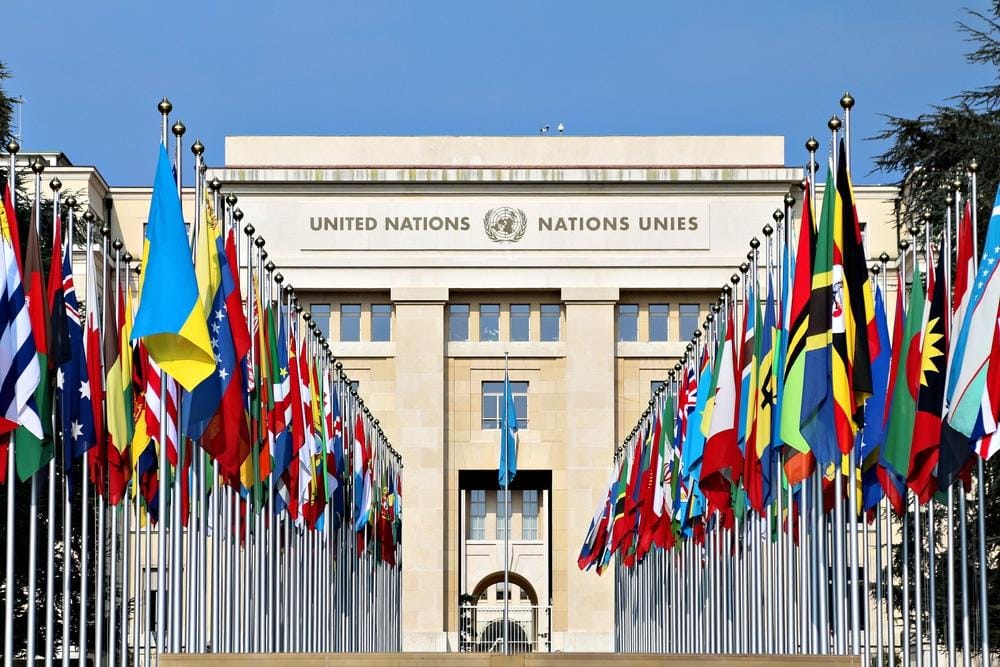
In addition to Bern, Geneva plays a crucial international role. The city is home to the United Nations Office at Geneva and dozens of other global organizations. Around 64 permanent missions representing various countries operate there, focusing on multilateral diplomacy and international cooperation.

Beyond embassies and permanent missions, Switzerland also hosts more than 180 consulates across different cities. These consular offices provide services such as visa processing, assistance to citizens abroad, and trade support.

While Bern serves as the political capital for diplomatic relations, Geneva functions as a global hub for international dialogue, peacebuilding, and humanitarian coordination.

Overall, Switzerland’s diplomatic network reflects its long-standing policy of neutrality and international engagement. With over 140 countries represented in various forms, the country continues to play a central role in global diplomacy and international governance.

Thousands Rally Against Rising Rents in Zurich.

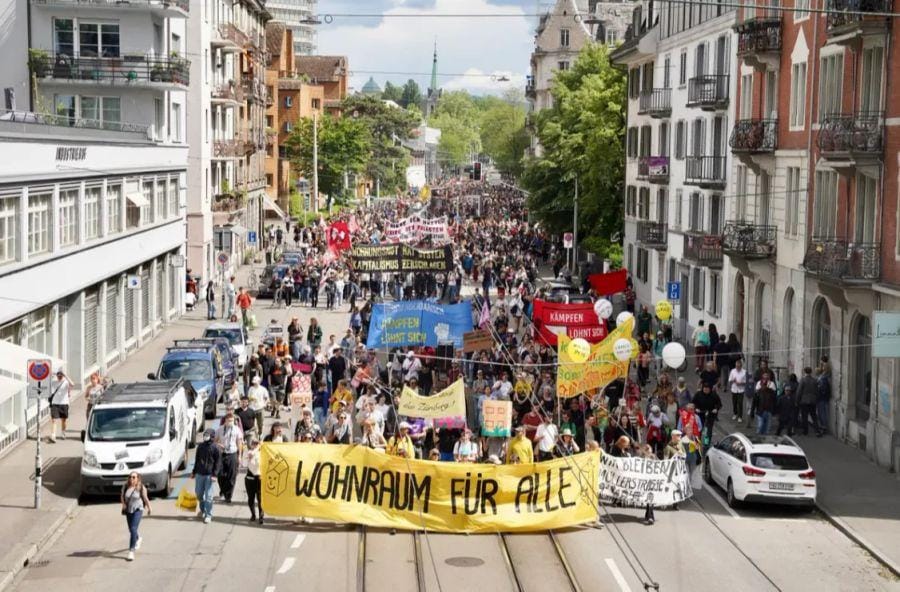
Thousands of people took to the streets of Zurich on Saturday to protest against rising housing costs, gentrification, and the growing shortage of affordable homes. Organisers estimated that around 2,500 demonstrators joined the authorised march, calling attention to what they described as a city increasingly becoming unaffordable for ordinary residents.

The demonstration began at Hardplatz and moved through several key areas of Zurich, including Hardbrücke, Escher-Wyss-Platz, Limmatplatz, and Langstrasse before ending at Kasernenwiese. Protesters carried banners and flags displaying messages such as “Housing is a basic right for all” and criticism of luxury real estate developments that many believe are driving up living costs.

A symbolic float featuring an “Immo-Hai” or “real-estate shark” led the march, representing concerns about property speculation and profit-driven housing policies. Throughout the demonstration, speakers highlighted the increasing rental prices in different neighbourhoods and accused landlords and investors of prioritising profits over affordable housing.

Participants also expressed concern about lease terminations and renovation projects that often result in significantly higher rents. Organisers argued that long-term residents are being forced out of their communities as neighbourhoods undergo rapid transformation and become increasingly expensive.

The protest coalition, made up of local groups, residents, and housing activists, criticised both property companies and political leaders. They claimed that despite years of public debate and promises from local authorities, affordable housing remains out of reach for many Zurich residents.

Zurich police maintained a strong presence throughout the event, while traffic disruptions affected several roads and public transport routes. Despite isolated incidents involving graffiti, pyrotechnics, and water balloons, the demonstration remained largely focused on raising awareness of the city’s housing challenges.

The protest reflects growing concerns across Switzerland’s largest city, where rising rents and limited housing availability continue to fuel public debate about the future of affordable urban living.

Switzerland Ready for June G7 Summit.

Switzerland is making final preparations for the upcoming G7 Summit in Evian, France, with Swiss President Guy Parmelin expressing confidence that the country will be ready for the high-profile international event. The summit, scheduled to take place from June 15 to 17, will bring together some of the world’s most influential political leaders.

As part of the event, several heads of state are expected to arrive through Geneva before attending meetings in nearby Evian. Parmelin said authorities are working closely on security, logistics, and diplomatic arrangements to ensure smooth operations throughout the summit period.

Speaking in Geneva, the Swiss president acknowledged that major international events often come with unexpected challenges. He recalled the 2021 summit between former US President Joe Biden and Russian President Vladimir Putin, noting that numerous unforeseen issues emerged during preparations.

Swiss authorities continue to coordinate with their French counterparts regarding security measures and financial responsibilities linked to the event. Discussions are ongoing concerning a potential French contribution toward Switzerland’s security costs, which Parmelin indicated could be significant.

The president also met with Geneva police commander Monica Bonfanti to review preparations. Authorities aim to maintain public safety while managing expected diplomatic activities and potential demonstrations. A planned protest in Geneva on June 14 is also being monitored as part of the broader security strategy.

Parmelin emphasized that both Switzerland and France share a common objective: ensuring the summit proceeds smoothly and securely. The event is expected to place Geneva at the center of international attention as world leaders gather to discuss global political and economic challenges.

With security planning intensifying and diplomatic coordination continuing, Switzerland is preparing to play an important supporting role in one of the year’s most significant international meetings.

Geneva Authorities Question Security Costs for France-Based G7 Summit

Authorities in Switzerland’s Geneva canton have raised concerns over who should bear the financial burden of security operations linked to an upcoming G7 summit taking place in Évian, France.

Background of the Issue

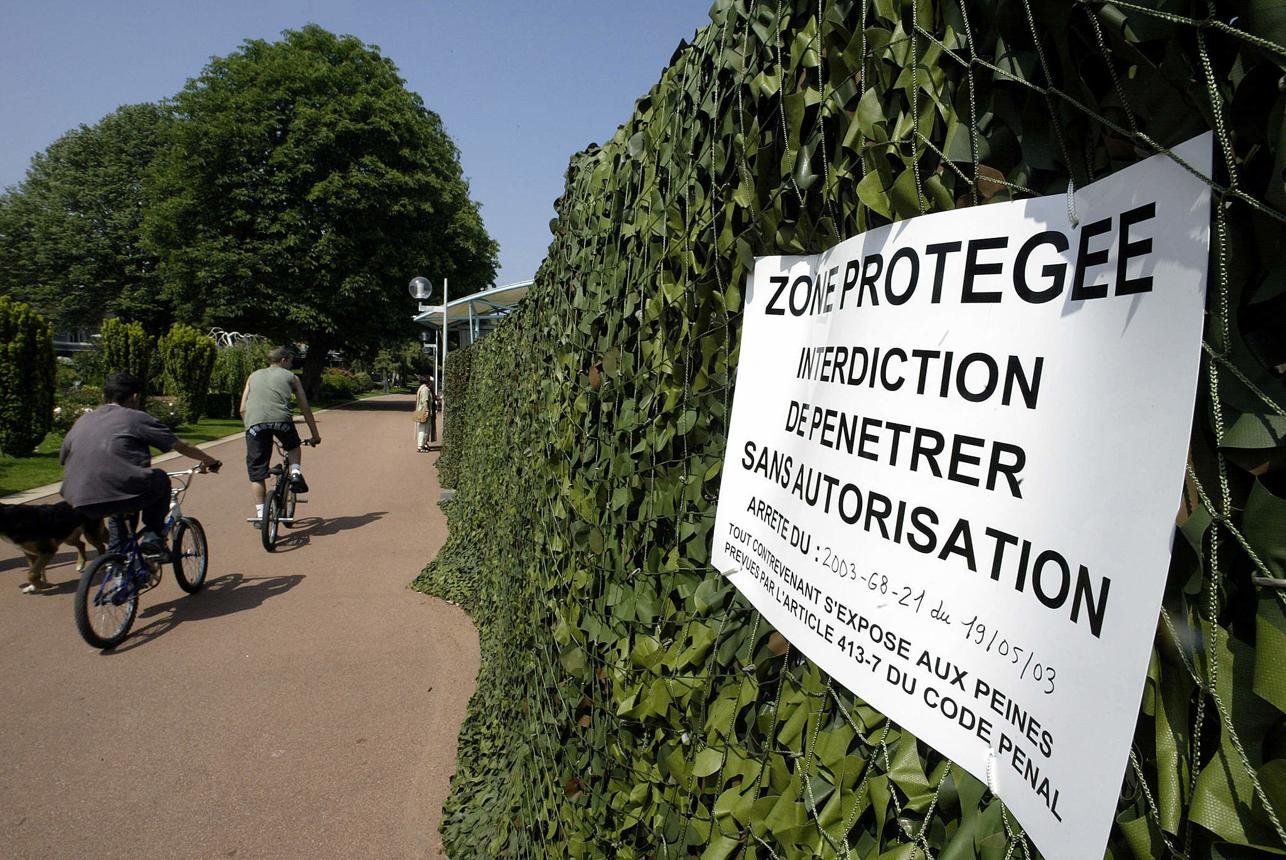
The debate traces back to events surrounding the 2003 G8 summit in Évian, where protests in nearby Geneva escalated into violent riots and looting. The incident left long-lasting concerns about public safety and cross-border security coordination.

Renewed Concerns Ahead of G7 Summit

With another major G7 summit scheduled in Évian next month, Swiss authorities fear that similar protests or unrest could spill over into Geneva. As a result, Geneva police have already begun preparing enhanced security measures.

Financial Responsibility Dispute

Geneva officials argue that Switzerland is being forced to bear significant security costs for an event taking place in France. They have requested that the French government share the expenses due to the cross-border impact of the summit.

However, French authorities have reportedly rejected the request, stating that protests in Switzerland are not directly caused by the summit itself, but are influenced by domestic political developments within Switzerland.

Political Tensions Rising

The disagreement has sparked frustration among some Swiss lawmakers, who question why Swiss taxpayers should fund security for an international event hosted in another country.

At the same time, Geneva authorities fear that the financial burden could become significant if large-scale protests or cross-border incidents occur again during the summit period.

Conclusion

The dispute highlights the challenges of managing security in highly interconnected border regions like Geneva, where international events in neighboring countries can have direct domestic consequences.

Swiss Anti-Immigration Vote Could Hurt Economy.

Switzerland is preparing for a major national referendum that could significantly affect the country’s economy, workforce, and international border relations. The proposal, introduced by the Swiss People’s Party, aims to stop Switzerland’s population from exceeding 10 million people under the campaign slogan “No to 10 Million Switzerland.”

Swiss voters will cast their votes on June 14. Supporters of the proposal argue that limiting immigration will reduce pressure on housing, transportation, and public services. However, economic experts warn that the decision could create serious long-term problems for Switzerland.

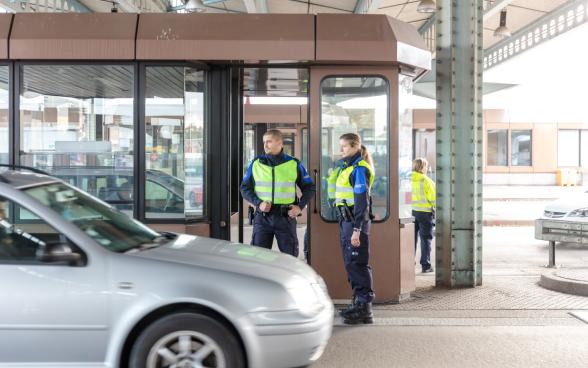
Research organization Ecoplan states that if the proposal succeeds, Switzerland could face difficulties within the Schengen zone. Neighboring countries including France, Germany, Italy, and Austria may introduce stronger border checks. These restrictions could heavily affect thousands of workers who cross borders daily for employment.

Regions such as Geneva, Ticino, and Basel are expected to face the biggest impact. Nearly 400,000 cross-border workers travel into Switzerland every day. If stricter controls begin at all borders, workers may experience delays of more than one hour while commuting.

Experts believe that many foreign workers may eventually stop working in Switzerland because of these delays and restrictions. Reports suggest that nearly two-thirds of cross-border employees could leave their jobs if the situation becomes difficult.

Healthcare services may suffer the most. Swiss hospitals and essential service sectors depend heavily on international workers. A reduction in foreign employees could create staff shortages and affect public services across the country.

Economic analysts warn that the referendum may weaken Switzerland’s economy, reduce workforce availability, and increase operational challenges for businesses. As the national vote approaches, the debate over immigration and economic stability continues to grow across Switzerland.

Swiss Concern Over Global Security Reaches 20-Year Low Confidence.

Public concern about global instability has significantly increased in Switzerland, according to the latest Federal Department of Defence, Civil Protection and Sport “Security 2026” survey released on Tuesday. The findings reveal that Swiss citizens are increasingly anxious about international conflicts and the country’s long-term security position.

The survey shows that 86% of respondents feel pessimistic about the global political situation, marking a sharp rise in insecurity perceptions. Many also expressed concern about Switzerland’s own future stability in an increasingly uncertain geopolitical environment.

According to the report, overall feelings of personal and national security in Switzerland have dropped to their lowest level in the past 20 years. More than 80% of participants believe that the Swiss armed forces remain either “absolutely necessary” or “rather necessary” for national defence and crisis response.

The study also highlights growing support for increased defence investment. Around 29% of respondents believe that military spending is currently too low, the highest level recorded since 1986. This indicates a clear shift in public opinion toward strengthening national defence capabilities.

At the same time, attitudes toward compulsory military service are divided. About one-quarter of respondents support abolishing mandatory service, reflecting ongoing debate about the role of citizens in national defence.

Another key finding shows that a slight majority of Swiss citizens now support closer cooperation with NATO. This marks a notable shift in a country traditionally known for its long-standing policy of neutrality.

The report further states that more than half of respondents believe Switzerland’s neutrality can no longer be credibly defended in military terms. This signals a significant change in public perception regarding the country’s traditional foreign policy stance.

Overall, the “Security 2026” survey suggests that global instability is reshaping Swiss public opinion, with increasing support for stronger defence policies, higher military spending, and closer international security cooperation.

Swiss Committee Backs Double Majority for EU Deal.

A parliamentary committee in Switzerland has supported a proposal requiring a double-majority vote—both of the people and the cantons—for the approval of the upcoming Swiss–EU agreement package.

The proposal, backed by the House of Representatives’ Committee of Political Institutions, reflects growing political debate over how major international agreements should be ratified within Switzerland’s direct democratic system.

The committee approved the plan by 15 votes to 10, stating that the agreement’s importance and constitutional implications justify a higher level of democratic approval.

Under the proposed system, the bilateral agreements between Switzerland and the European Union would need not only a majority of voters but also a majority of cantonal approval to be adopted.

The idea aligns with Switzerland’s tradition of direct democracy, where major constitutional or highly significant national decisions often require approval from both citizens and cantons.

At the same time, lawmakers are also exploring an alternative approach known as a “sui generis” referendum model, which would be a unique voting mechanism tailored specifically for this agreement package. The committee has requested further examination of this option, which was supported by a 16–9 vote.

The debate highlights the political sensitivity surrounding Switzerland’s relationship with the European Union and the constitutional questions linked to future bilateral cooperation.