

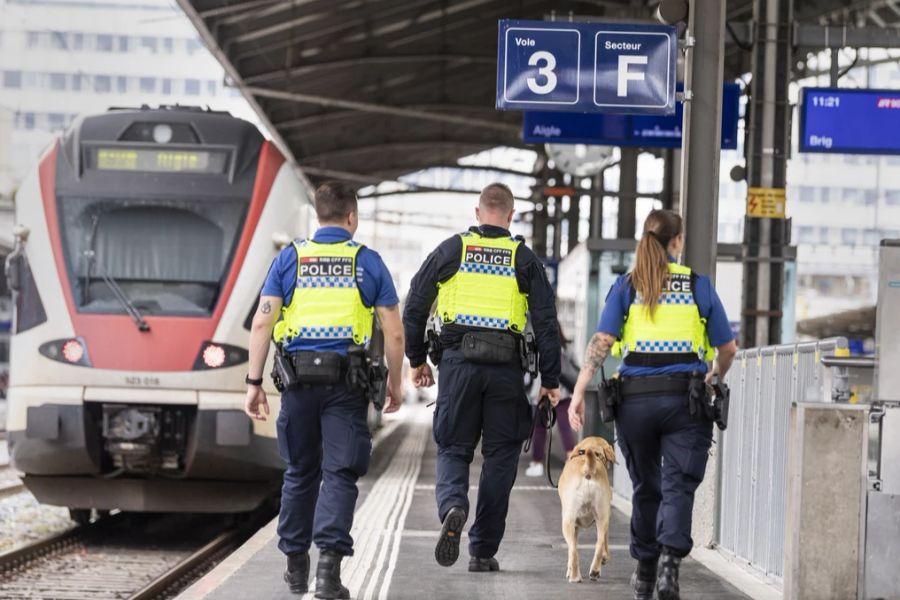

Winterthur Knife Attack Sparks Debate Over Prevention Measures
The recent knife attack at Winterthur railway station has intensified discussions about violence prevention and public safety in Switzerland. Despite ongoing efforts by the city’s specialist extremism prevention unit, authorities were unable to prevent the shocking incident that took place on May 28.
For nearly a decade, Winterthur’s Centre for Extremism and Violence Prevention (FSEG) has worked closely with schools, parents, teachers, and local authorities to identify and address signs of radicalisation, violent behaviour, and self-harm risks. The centre provides guidance and intervention strategies aimed at reducing potential threats before they escalate.
According to the unit’s latest annual report, the number of consultations has increased significantly. The centre handled 58 cases last year, compared with 41 cases in 2022, reflecting growing concerns about extremism, violence, and mental health-related risks among young people.
In 13 cases during 2025, the centre alerted Winterthur police after identifying signs of possible violence or self-harm. This represents a substantial increase compared with the previous year, when only three cases required police involvement. Officials say the rise demonstrates the growing complexity of security-related concerns facing communities.
Local politician Nicolas Galladé acknowledged the challenges involved in preventing every incident. He noted that while prevention programs play a vital role in identifying risks, even the most effective systems cannot always stop tragic events from occurring. The knife attack at Winterthur station serves as a reminder of the limitations faced by authorities and prevention specialists.
Many of the reported cases involved threatening statements, violent fantasies, or concerning behaviour from young individuals. In one example, a student with a history of mental health difficulties repeatedly made alarming comments suggesting retaliation against a school during a graduation event.
The prevention centre is also increasingly focused on addressing issues linked to the so-called “manosphere” — online communities that promote harmful views of masculinity and, in some cases, misogynistic attitudes. Educators have reported a rise in disrespectful behaviour toward female teachers, which experts believe may be influenced by these online trends.
Security experts stress that early intervention, community awareness, and cooperation between schools, families, and law enforcement remain essential tools in reducing the risk of future incidents. The recent attack has renewed calls for continued investment in prevention programs while strengthening support systems for vulnerable young people.
As investigations into the train station attack continue, the incident has highlighted the ongoing challenge of balancing prevention, public safety, and mental health support in modern Swiss society.