Switzerland Opens Ukraine Reconstruction to Private Companies.

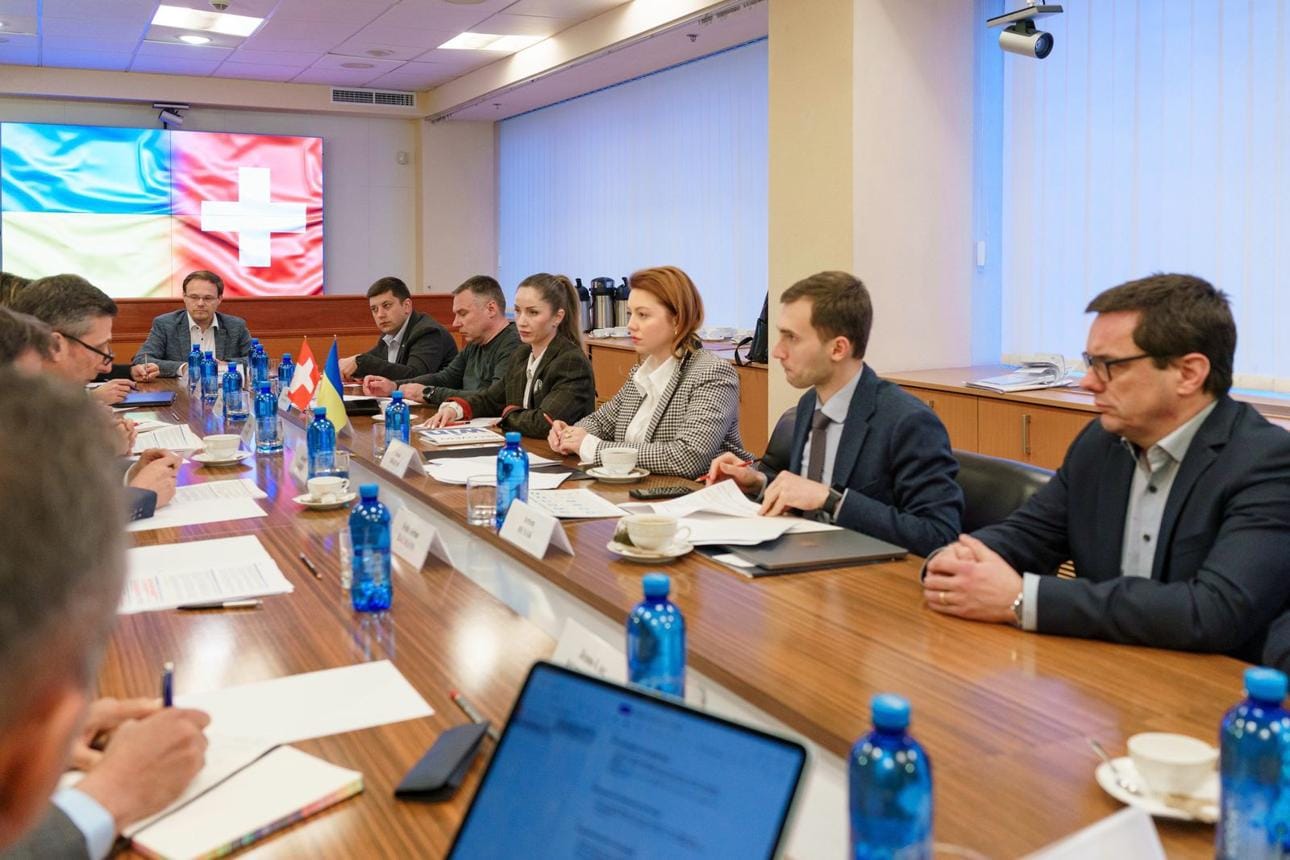
Switzerland has approved a new bilateral agreement that will allow private companies to participate in the reconstruction of Ukraine, marking a significant shift in its development cooperation approach.

Both chambers of the Swiss Parliament supported the agreement, which was originally signed in July 2025. The decision enables Swiss companies— including those not currently operating in Ukraine— to take part in rebuilding infrastructure in the war-affected country.

Under the new system, reconstruction projects will be managed through official tenders organised by Swiss authorities, based on requests from Ukrainian institutions. This ensures that projects are coordinated transparently while expanding opportunities for Swiss businesses in international development work.

The government noted that this form of “tied aid,” which links development assistance with domestic economic participation, required a legal basis because it does not fully align with existing Swiss development cooperation law.

Authorities also highlighted that financial risks, including corruption concerns, are reduced because funds will not be transferred directly to Ukrainian state bodies. Instead, payments will go directly to Swiss companies delivering approved projects.

The initiative reflects Switzerland’s broader effort to combine humanitarian support with economic engagement while contributing to Ukraine’s long-term reconstruction and stability.
Association for Burn Victims Founded After Crans-Montana Fire.

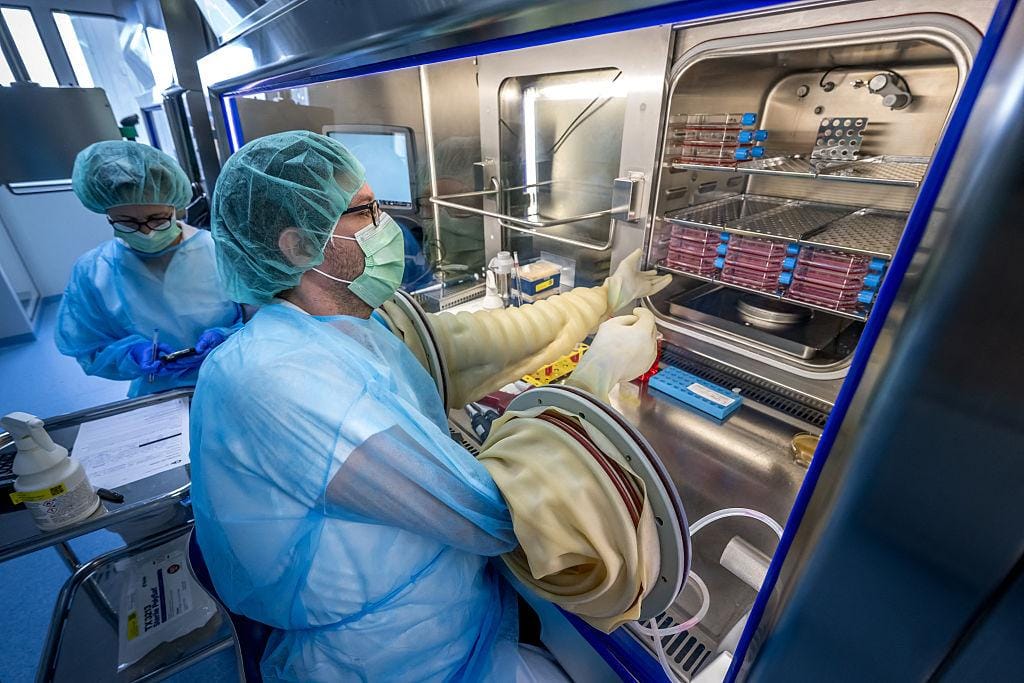
A new organisation called Initiative Phoenix has been founded in Switzerland to support victims of the devastating Crans-Montana fire disaster, which killed 41 people and left 115 injured.

The association was created five months after the tragedy and aims to improve medical care, rehabilitation, and long-term support for burn victims. It focuses on promoting medical innovation in burn treatment and strengthening cooperation between international specialists.

Initiative Phoenix also plans to develop practical therapeutic guidelines for victims and their families. These recommendations will be created through collaboration between doctors and experts, allowing affected individuals to access structured medical and psychological support.

The organisation will further support humanitarian, scientific, and social initiatives related to severe accident recovery. A key goal is to improve coordination between medical institutions treating serious burn injuries across Switzerland and abroad.

The project was initiated by Belgian plastic surgeon Johann Wary, who resides in Crans-Montana. He is supported by a medical committee consisting of six Swiss and Belgian doctors, including specialists from CHUV Lausanne, one of Switzerland’s leading university hospitals.

The initiative reflects growing efforts to provide long-term care and structured recovery pathways for victims of large-scale disasters.

Switzerland Marks 25 Years of Baby Hatches, 31 Newborns Safely Left.

Swiss Organisation for Mother and Child marked the 25th anniversary of Switzerland’s first baby hatch on Saturday, highlighting its long-term impact on child protection and safe anonymous birth options.

The first baby hatch in Canton Schwyz opened at Einsiedeln Hospital on May 9, 2001, following the tragic discovery of two abandoned newborns in 1999 in different parts of Switzerland.

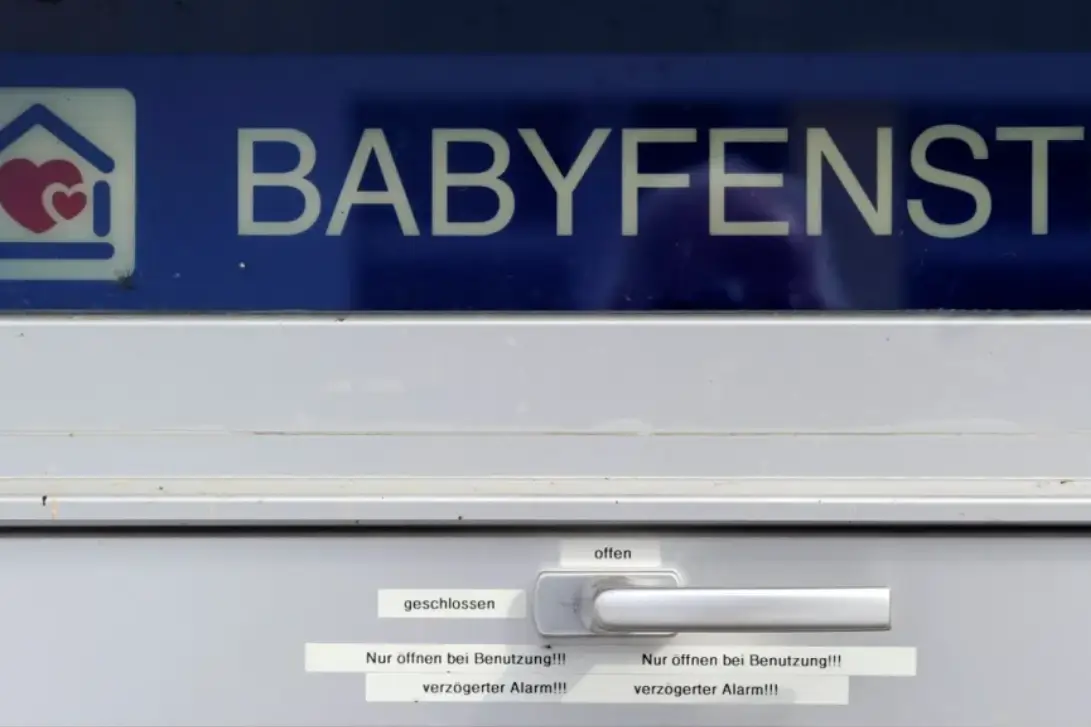
Since its introduction, baby hatches—also known as “baby boxes”—have allowed mothers in extreme distress to safely and anonymously place newborns into medical care.

The system uses a heated cot installed in a hospital wall. Once a baby is placed inside, a silent alarm alerts medical staff within minutes, ensuring immediate care.

Over the past 25 years, 31 newborns have been safely left at eight baby hatch locations across Switzerland.

Hospital staff, including midwives, take responsibility for the newborns immediately after alert activation. The babies are then placed in foster care within days.

Adoption can take place after at least one year, while biological parents retain the right to reclaim their child until legal adoption is completed.

The foundation noted that before the introduction of baby hatches, Switzerland recorded several cases of abandoned or deceased newborns. Between 1997 and 2001, there were 13 such cases.

However, in the last five years (2021–2026), no cases of newborn abandonment or infanticide have been recorded in the country, according to the foundation.

Supporters say baby hatches provide a life-saving alternative in crisis situations, while critics continue to debate legal and ethical implications.

Despite the debate, the system is considered an important part of Switzerland’s child protection framework and has inspired similar initiatives in other countries.

Geneva Hosts Weekend Events to Celebrate the Red Cross

A series of public events will take place in Geneva this weekend to celebrate the humanitarian values of the International Red Cross and Red Crescent Movement.

Organisers announced that the theme of “Unity,” one of the movement’s seven fundamental principles, will be highlighted throughout the celebrations. A special musical evening is scheduled for May 7 to honour volunteers from national Red Cross societies.

During the event, the choir of the International Red Cross and Red Crescent Movement will perform, focusing on humanitarian themes that reflect the organisation’s global mission.

The following day, visitors will have the opportunity to explore the International Red Cross and Red Crescent Museum at a reduced entry price. In addition, attendees will be able to purchase extra tickets to support access for vulnerable individuals, enabling them to visit the museum as well.

Organisers say the weekend aims to promote solidarity, humanitarian awareness, and appreciation for the work of Red Cross volunteers worldwide.