India Introduces AI App for Newborn Health Monitoring.

The state government of Andhra Pradesh in India has launched a new artificial intelligence-based mobile application designed to assess the health of newborn babies more efficiently and accurately.

The app, named “Shishu Maapan,” uses advanced AI technology to measure key health indicators of infants without requiring direct physical contact. Health workers can record a simple mobile video, which the system then analyzes to estimate important measurements.

Through this video-based assessment system, the app can calculate a newborn’s weight, height, head circumference, and chest circumference with high precision. Officials say this reduces manual measurement errors and improves data accuracy in healthcare reporting.

The initiative is aimed at strengthening child healthcare services, especially in rural and remote regions where access to medical equipment and specialists may be limited. The AI-powered system allows healthcare workers to quickly evaluate newborn health conditions in the field.

Authorities believe the application will play a significant role in monitoring early childhood development and maintaining accurate digital health records. It is also expected to support long-term healthcare planning and early intervention strategies.

Officials further stated that “Shishu Maapan” is part of a broader effort to integrate artificial intelligence into public healthcare systems. The goal is to improve efficiency, reduce workload for medical staff, and ensure faster health assessments for newborns.

By combining mobile technology with AI-driven analytics, the system represents a significant step forward in digital healthcare innovation in India.

Swiss Study Finds Bitcoin Generates High CO2 Emissions.

A new Swiss study has highlighted the significant environmental impact of Bitcoin, revealing that a single Bitcoin transaction generates approximately 486 kilograms of carbon dioxide (CO2). The research was conducted by the Lucerne University of Applied Sciences and Arts in partnership with Swiss Economics on behalf of Germany’s Federal Environment Agency.

The findings underline the growing debate surrounding the environmental sustainability of cryptocurrencies. According to the study, Bitcoin remains one of the most energy-intensive digital currencies due to its mining process, which requires vast computing power and substantial electricity consumption.

Bitcoin mining involves thousands of computers worldwide competing to validate transactions and create new coins. This process, known as Proof of Work, consumes large amounts of energy and contributes significantly to global carbon emissions.

In contrast, the study found that Ethereum generates only around 0.003 kilograms of CO2 per transaction. This figure is even lower than the emissions associated with a transaction through online payment platforms such as PayPal. Ethereum’s lower environmental footprint is largely due to its transition away from energy-intensive mining systems.

Researchers note that the difference between Bitcoin and Ethereum highlights how blockchain technology can vary dramatically in terms of sustainability. While Bitcoin continues to face criticism for its environmental impact, newer blockchain systems are increasingly adopting energy-efficient approaches that significantly reduce electricity consumption.

The study adds to ongoing global discussions about the future of cryptocurrencies and their role in climate policy. As governments and regulators focus more closely on sustainability, environmental performance is expected to become an increasingly important factor in the development and adoption of digital currencies.

Experts believe the findings could encourage further innovation in the crypto industry, pushing developers toward greener technologies that balance financial innovation with environmental responsibility.

Will AI Cause a Global Water Crisis? Shocking New UN Warning.

A new report has raised serious concerns about the environmental impact of rapidly expanding artificial intelligence infrastructure, warning that AI data centres could place extreme pressure on global water and energy resources.

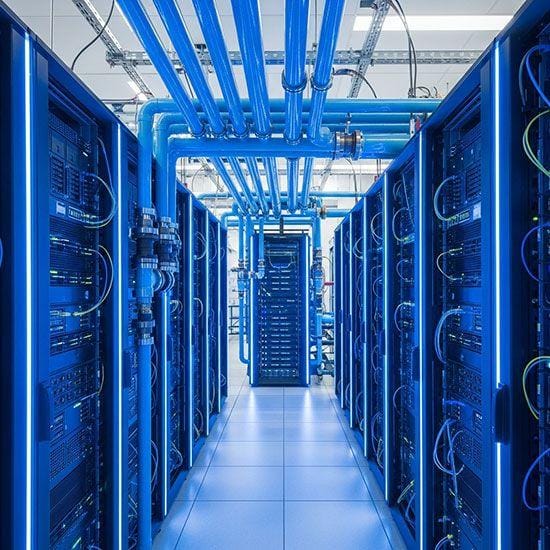
According to the United Nations University Institute for Water, Environment and Health (UNU-INWEH), the growth of AI technologies is driving massive investments in data centres worldwide. These facilities, which power large-scale AI systems, require vast amounts of electricity and water for cooling operations.

The report warns that by 2030, water consumption from AI-related data centres could reach approximately 9.3 trillion litres annually. This amount is comparable to the minimum yearly household water needs of around 1.3 billion people living in sub-Saharan Africa.

AI data centres rely heavily on water-based cooling systems, particularly in warmer regions, where continuous heat management is essential to maintain server performance. As a result, their environmental footprint is expanding alongside global demand for AI services.

In addition to water usage, the report highlights a sharp rise in electricity consumption. Global data centres are estimated to have used around 448 terawatt-hours (TWh) of electricity in 2025 alone. By 2030, this figure could rise to 945 TWh, nearly three times the combined annual electricity consumption of countries such as Pakistan, Bangladesh, and Nigeria.

The UNU-INWEH report also warns that AI infrastructure may contribute to local temperature increases. Data centres can raise surrounding land temperatures by an average of 2°C, creating so-called “heat island” effects that impact nearby communities. In extreme cases, temperature increases of up to 9°C have been recorded, affecting areas within several kilometres of large facilities.

Experts caution that while AI is transforming industries and economies, its rapid expansion could intensify environmental stress unless more sustainable energy and cooling solutions are developed.

The findings highlight the growing need for governments and technology companies to balance innovation with environmental responsibility as AI infrastructure continues to scale globally.

Siri’s Massive AI Evolution: Apple Teams Up with Google and NVIDIA.

Apple is preparing a major upgrade to its Siri voice assistant by integrating advanced artificial intelligence technologies from Google and NVIDIA, according to industry reports.

The company is expected to use Google’s Gemini AI models alongside NVIDIA’s Blackwell B200 chips to power the next generation of Siri, marking one of the biggest transformations of Apple’s voice assistant since its launch.

The new Siri is reportedly being designed as a fully AI-driven assistant with significantly improved natural language understanding, reasoning ability, and task automation features. Apple aims to unveil the upgraded version at its Worldwide Developers Conference (WWDC) 2026.

NVIDIA’s Blackwell B200 GPUs are specifically designed for large-scale AI processing and training. Apple is said to be leveraging these high-performance chips through Google Cloud infrastructure to handle complex Siri AI computations.

To strengthen user privacy, the system will also use NVIDIA’s “Confidential Compute” technology, which encrypts data during processing. This approach ensures that sensitive information remains protected even while being processed on AI hardware.

Apple’s existing Private Cloud Compute framework is also expected to play a key role, although the exact integration model between Apple’s own systems and external cloud infrastructure has not yet been fully clarified.

If implemented as planned, this collaboration between Apple, Google, and NVIDIA could transform Siri into a more powerful AI assistant capable of competing with modern generative AI systems in the market.

The move highlights Apple’s broader strategy to enhance its AI ecosystem while maintaining its strong focus on privacy and secure computing.

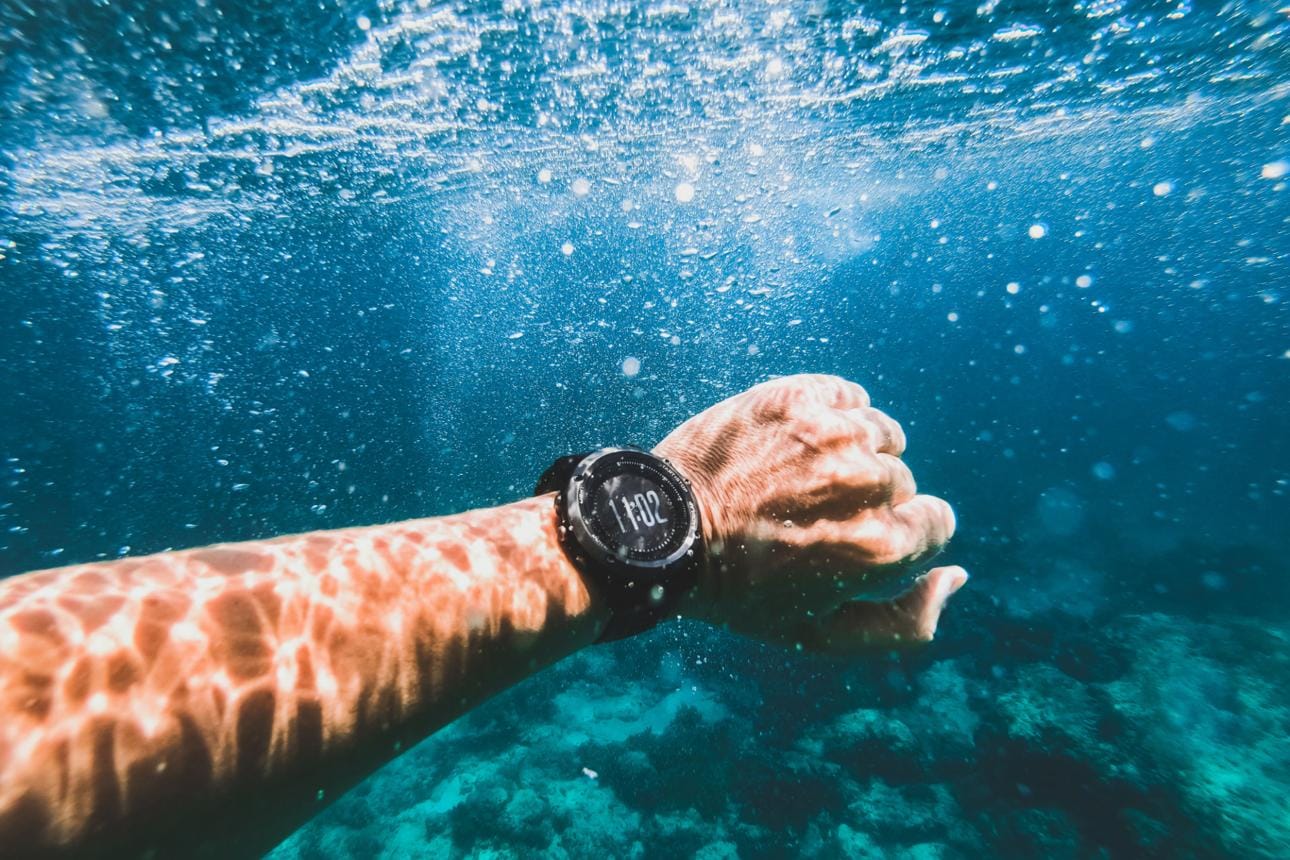
Unreleased Google Pixel Watch 5 Discovered in Caribbean Sea.

An unusual and surprising discovery has brought the yet-to-be-released Google Pixel Watch 5 into the spotlight after it was reportedly found underwater in the Caribbean Sea.

According to reports, a scuba diver exploring near St. Martin Island came across the smartwatch submerged beneath the sea. The device is believed to be the upcoming Google Pixel Watch 5, which has not yet been officially announced by the company. The incident has raised widespread curiosity in the global technology community.

The discovery was later shared on X (formerly Twitter) by user Randy Pitchford (@DuvalMagic), showing images of the smartwatch recovered from the seabed. While the device’s battery was completely drained, it reportedly still displayed the correct time briefly due to residual power.

Google is expected to launch the Pixel Watch 5 alongside the Pixel 11 series in August. However, this unexpected leak has given the public an early glimpse of its design, which appears similar to the Pixel Watch 4 but may include several internal upgrades.

Industry sources suggest that the Pixel Watch 5 will likely feature improvements in health tracking, artificial intelligence integration, and battery efficiency. Although no official specifications have been confirmed, expectations are high for a more advanced wearable experience.

The incident has sparked major discussion in the tech world, as it is highly unusual for an unreleased consumer device to surface in such a condition. Whether this was a prototype loss or an accidental drop remains unclear, but the story has already generated significant attention ahead of the official launch.

Digital Skills in Switzerland Show Strong Access but Clear Inequalities.

Switzerland continues to perform strongly in digital development, but a new report from the Federal Statistical Office (FSO) highlights significant gaps in digital skills across different population groups.

Overall, Switzerland ranks above the EU average in internet access, online services, and digital abilities. Nearly all households—about 99%—have internet access, and most people use the internet daily. However, the report confirms that access alone does not guarantee equal digital participation.

Older adults, people with lower levels of education, and individuals in lower-skilled occupations face the greatest challenges. While more than three-quarters of people aged 16 to 74 have basic digital skills, this figure drops sharply among those over 60 and those without post-compulsory education.

The gap becomes more visible in the use of digital services. Around 81% of residents use e-banking, but only 62% of people over 60 do so. The difference is even more striking in artificial intelligence usage, where 75% of young people aged 15–29 use AI tools compared to just 15% of older adults.

Gender differences also remain. Men use generative AI more often than women, while higher education levels strongly correlate with better digital skills.

The FSO warns that digital inclusion must improve so that all citizens can fully participate in modern society, especially as services increasingly move online.

Swiss Parliament Approves Funding for EU Research Programmes.

Switzerland has taken another important step in strengthening its position in international research and innovation. The Swiss Parliament approved CHF58.3 million in funding for European Union research programmes as part of a supplementary 2026 budget package worth nearly CHF90 million.

The funding will support Switzerland’s participation in major European research initiatives, including Horizon Europe and Euratom. Lawmakers emphasized that maintaining access to these programmes is crucial for Swiss universities, researchers, scientists, and technology companies that rely on international collaboration and advanced research networks.

Parliament reduced the government’s original request of CHF67.3 million by removing a reserve fund that was no longer necessary. Despite the reduction, the approved funding ensures Switzerland can continue contributing to and benefiting from some of the world’s largest research and innovation projects.

Supporters of the measure argued that Switzerland must remain connected to global scientific developments and avoid another period of exclusion from key European research platforms. They stressed that research cooperation plays a vital role in driving innovation, economic growth, technological advancement, and international competitiveness.

The budget supplement also includes additional funding for the European Space Agency, Swiss rail cargo services, and transportation infrastructure projects. The decision highlights Switzerland’s continued commitment to science, technology, and international research partnerships.

Swiss Initiative Pushes for Stronger Digital Security

A newly launched people’s initiative in Switzerland is seeking to strengthen the country’s digital security by introducing constitutional protections for cybersecurity, personal data, and digital infrastructure.

The initiative, titled “For the Digital Security of Switzerland,” was officially published in the Federal Gazette and has been launched by the Swiss Digital Pact association. Supporters argue that stronger legal safeguards are necessary to protect citizens, businesses, and public institutions from growing digital threats.

Under the proposal, a new Article 57a titled “Digital Security” would be added to the Swiss Federal Constitution. The amendment would explicitly require the federal government to establish effective security standards across Switzerland’s digital environment and ensure their implementation.

The initiative aims to create a safer digital space for the population, the economy, government institutions, and the vast amount of data generated and stored throughout the country. One of the key objectives is to improve the protection of personal information and strengthen resilience against cyberattacks.

As digital technologies become increasingly important in everyday life, concerns over data breaches, cybercrime, and online security continue to grow. Supporters believe constitutional-level protections would provide a stronger legal framework to address future digital challenges.

To move forward, the initiative must gather 100,000 valid signatures from Swiss voters by December 2, 2027. If enough signatures are collected, Swiss citizens will have the opportunity to vote on the proposal in a nationwide referendum.

The initiative reflects Switzerland’s broader ambition to position itself as a trusted and secure digital hub. Advocates argue that strengthening cybersecurity and data protection is essential for maintaining public confidence, supporting innovation, and protecting critical infrastructure in an increasingly connected world.

If approved, the proposal could become one of the most significant constitutional updates related to digital rights and cybersecurity in Switzerland’s history.

Google Engineer Charged Over Polymarket Bets.

US federal prosecutors have charged a Google software engineer with allegedly using confidential company data to make more than $1.2 million through prediction market bets on Polymarket.

According to the US Department of Justice, Michele Spagnuolo allegedly accessed internal Google search trend information before it became public and used the data to place profitable bets under the online alias “AlphaRaccoon.”

Prosecutors say Spagnuolo used insider knowledge connected to Google’s annual “Year in Search” rankings. Authorities claim he placed high-risk bets on unexpected names, including musician D4vd and rapper Kendrick Lamar, before official search trend results were released.

The US Department of Justice charged him with commodities fraud, wire fraud, and money laundering. Officials say insider trading threatens the integrity of emerging prediction markets and financial systems.

The case highlights growing concerns surrounding the rapid expansion of prediction market platforms like Polymarket. Regulators increasingly worry that confidential information could be exploited for gambling-style financial gains.

Google confirmed that using confidential internal data for betting violates company policy and stated that the employee has been placed on leave while investigations continue.

The complaint also states that Spagnuolo currently resides in Switzerland, adding international attention to the case. Federal prosecutors in New York say they will continue targeting corporate insiders who misuse sensitive information for personal profit.

Can Dumbphones Replace Smartphones Again?

A growing digital detox movement is encouraging people to abandon smartphones and return to simplified “dumbphones” in search of better mental health and improved focus.

The experiment, called Month Offline (MO), challenged participants in New York to spend an entire month without smartphones. Instead, they used upgraded flip phones created by dumb.co that still support essential services like WhatsApp, Google Maps, Uber, and two-factor authentication apps.

Participants joined the program hoping to reduce screen addiction and reclaim time lost to endless scrolling. Many also wanted to disconnect from social media pressure and constant digital distractions.

Unlike traditional flip phones from the past, these modern dumbphones combine minimal technology with practical everyday tools. Organisers say the goal is not to eliminate technology completely, but to remove unnecessary digital overload.

Danny Hogenkamp says the company developed the idea after noticing how device-free meetings improved creativity and productivity in his workplace following the Covid-19 pandemic.

The movement reflects a wider trend toward “digital minimalism,” where users intentionally reduce smartphone use to improve sleep, concentration, and emotional wellbeing. Studies increasingly connect lower screen time with better quality of life for both adults and children.

Critics question whether companies promoting “offline lifestyles” while selling modified devices truly support complete disconnection. However, supporters argue that balanced technology use is more realistic than fully abandoning digital tools in modern society.

As smartphone fatigue grows worldwide, the dumbphone movement continues gaining attention among younger users seeking healthier relationships with technology.