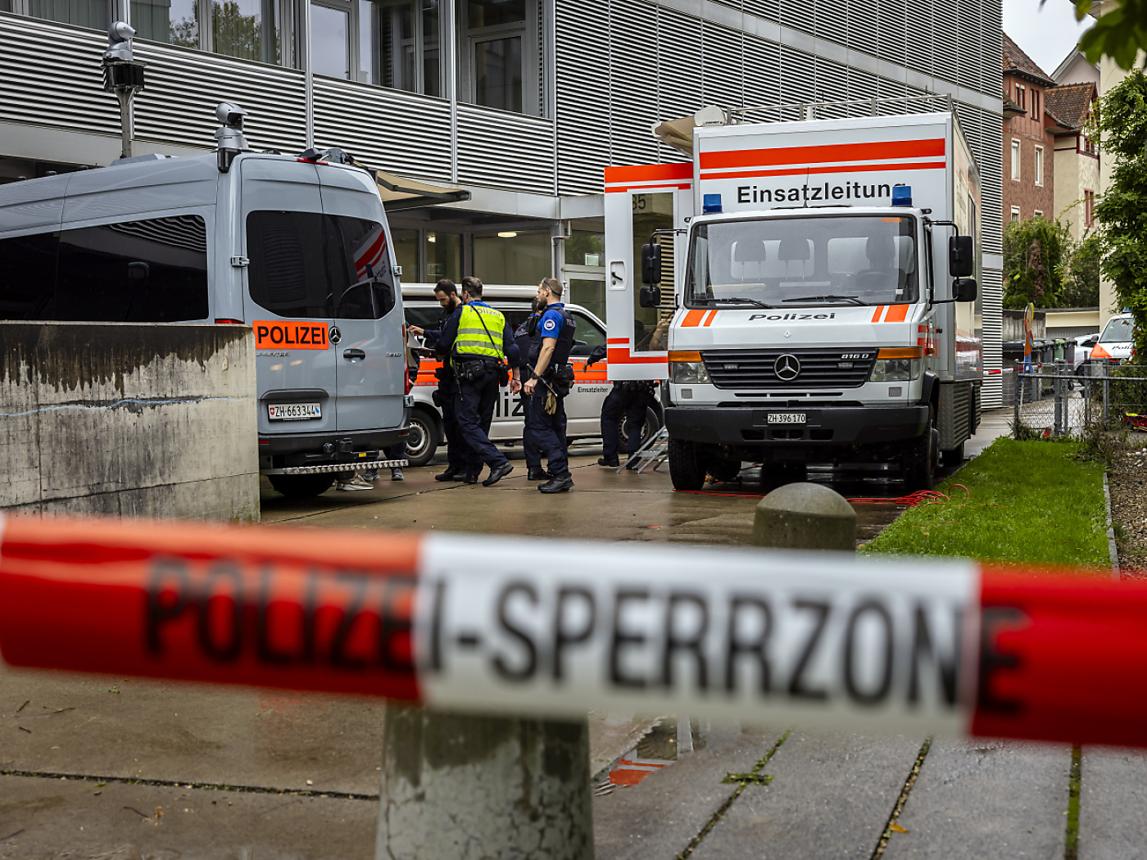

Swiss Teen to Face Trial Over Knife Attack in Zurich
A Swiss teenager is set to stand trial in Zurich over a serious stabbing incident that took place in March 2024, in which an Orthodox Jewish man was severely injured. The case has raised widespread concern across Switzerland and sparked strong political reactions.
The trial will begin on July 1 at the Dielsdorf District Court and is expected to last one day. The court has already scheduled the verdict, which is expected to be announced on July 7. Due to the defendant being a minor, the proceedings will not be open to the general public.
According to the youth prosecution service, the then 15-year-old Swiss national with Tunisian roots allegedly carried out a knife attack on an Orthodox Jewish man on a street in Zurich, causing life-threatening injuries. The victim survived but required urgent medical attention.
Investigators also allege that the teenager had been radicalised online prior to the attack and had expressed allegiance to Islamic State. Authorities further claim he attempted to target Jewish individuals and had tried to break into a synagogue before the stabbing incident.
The charges against the accused include multiple counts of attempted murder, alleged support of a criminal organisation, and incitement to hatred and discrimination. Prosecutors argue that the actions were part of a broader pattern of extremist intent.
The incident triggered strong political reactions in Switzerland. Zurich’s security director, Mario Fehr, publicly called for stricter measures and even suggested the possibility of deportation in response to the severity of the attack.
The case has reignited debate in Switzerland about youth radicalisation, online extremism, and the challenges of preventing hate-motivated violence. Authorities continue to stress the importance of monitoring online activity and strengthening prevention programs to address radicalisation at an early stage.
As the trial approaches, the case remains one of the most closely watched criminal proceedings involving a juvenile in recent Swiss legal history.