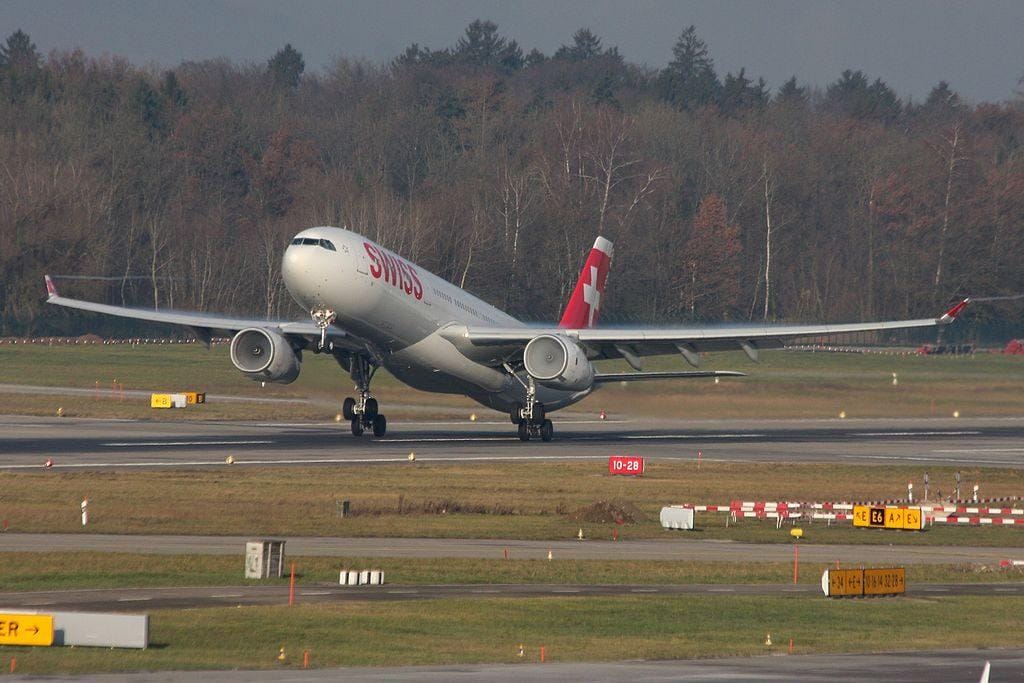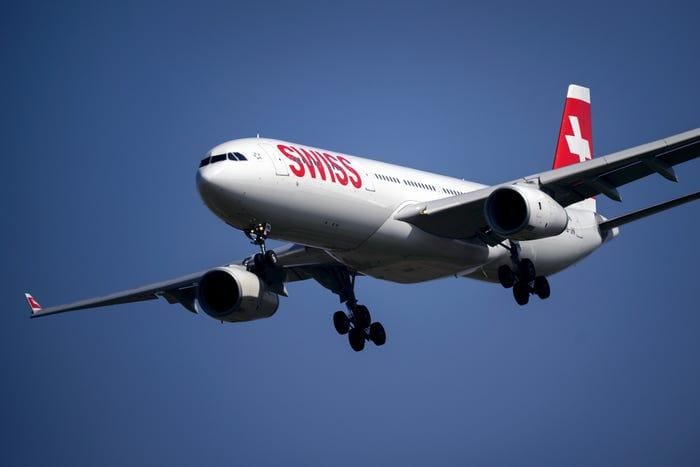
Swiss Flight LX155 Makes Emergency Return to Mumbai.

A Swiss International Air Lines flight Swiss International Air Lines carrying 231 passengers from Mumbai to Zurich was forced to return and make an emergency landing in Mumbai after a technical malfunction was detected mid-flight.

The Airbus A330 aircraft, operating as flight LX155, initially departed from Mumbai as scheduled. However, approximately two hours into the journey, pilots detected an electrical system fault that could not be resolved during flight.

As a precaution, the flight crew decided to divert the aircraft back to its departure airport in Mumbai. The aircraft had already flown for over five hours before finally returning.

Before landing, the plane was required to burn a significant amount of fuel for safety reasons. Since the Airbus A330 is not equipped with a fuel jettison system, the aircraft circled over the Arabian Sea for approximately 130 minutes at an altitude of nearly 4,000 meters.

During this time, the aircraft completed multiple holding patterns while safely reducing fuel levels to meet landing requirements. This procedure is standard in long-haul aviation safety operations when immediate landing conditions must be managed.

Following the fuel burn procedure, the aircraft successfully landed back at Mumbai airport without any reported injuries among passengers or crew members.

Authorities and airline engineers are expected to carry out a detailed technical inspection to determine the cause of the electrical system failure before the aircraft is cleared for future operations.

The incident highlights the strict safety protocols followed in international aviation, where passenger safety remains the highest priority even if it requires long delays and route disruptions.
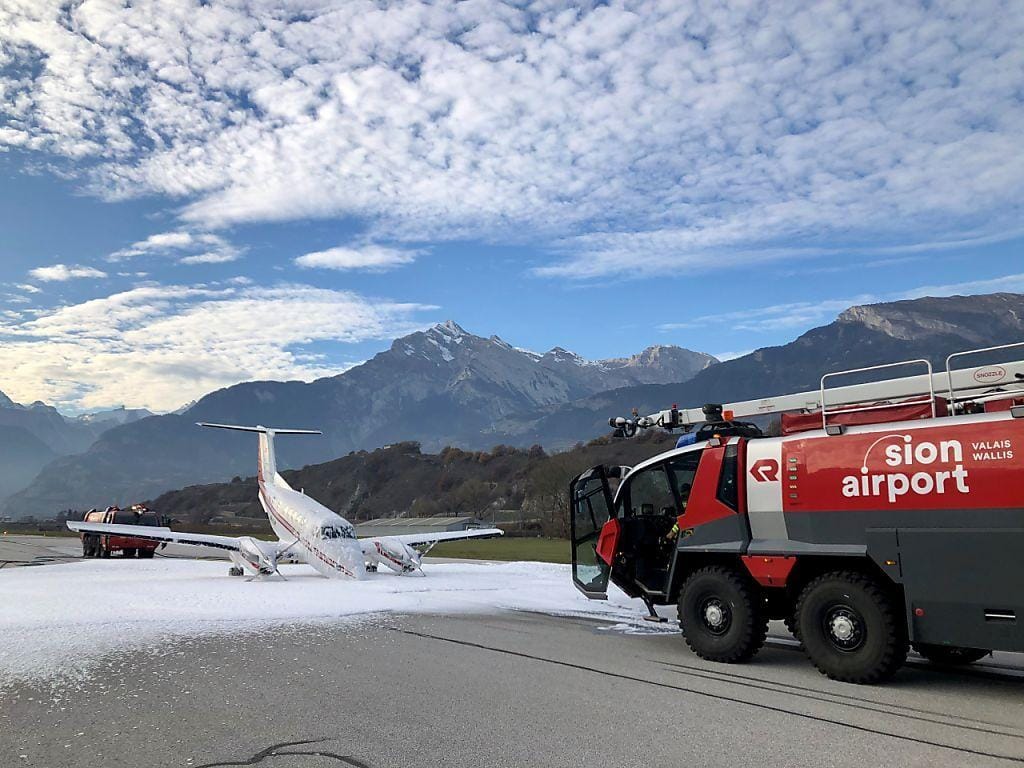
Fatal Wingsuit Accident Reported in Switzerland Alps.

A 47-year-old German man has died following a wingsuit accident during a jump in the Swiss Alps near Vättis in the canton of St Gallen.

According to St Gallen cantonal police, the incident occurred on Friday evening shortly after 17:00 in the Chüefad area at an altitude of around 2,080 metres. The man took off alongside another jumper, aged 37, but lost control shortly after launch and fell to his death.

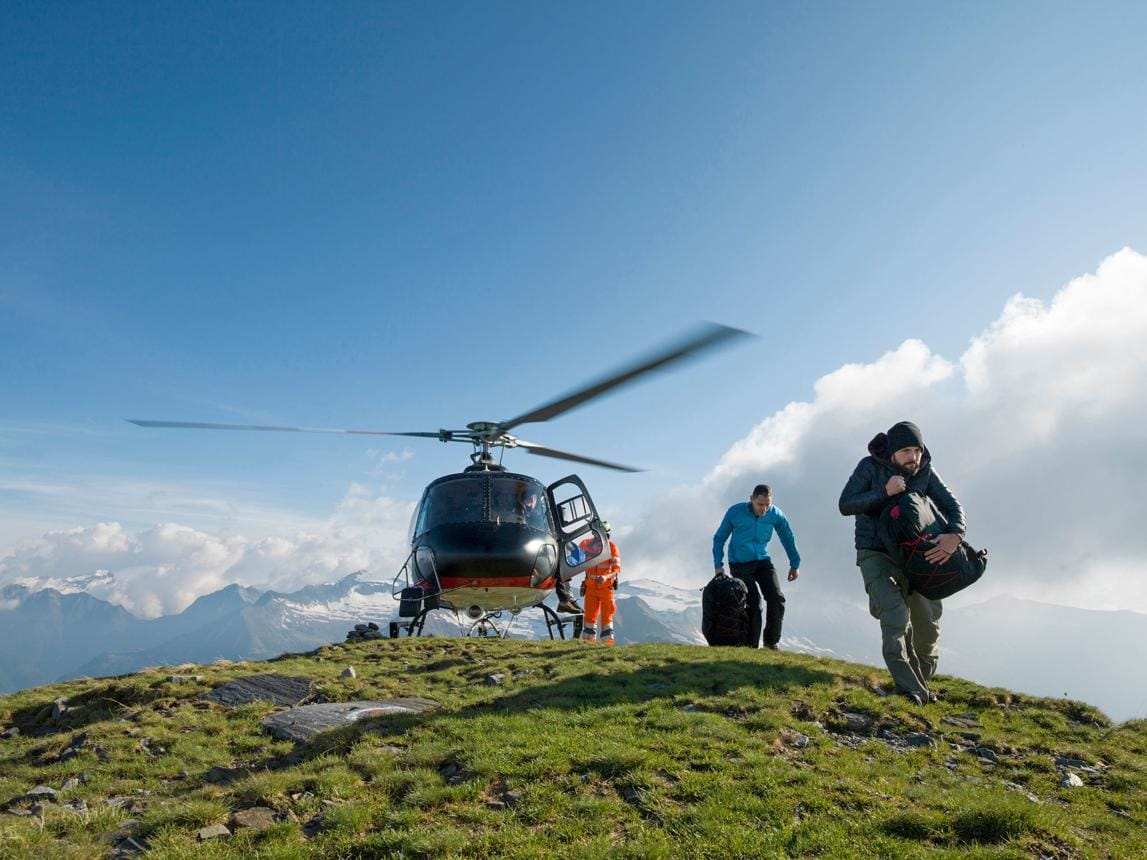
Emergency services, including the Rega air rescue helicopter, were deployed to the scene and later recovered the man’s body. Authorities confirmed that the exact cause of the accident is still unknown.

The Alpine Brigade of the St Gallen cantonal police has launched an official investigation under the supervision of the Swiss Attorney General’s Office to determine the circumstances leading to the fatal incident.

This marks the second wingsuit-related death in Switzerland within the same week. On Thursday, a 29-year-old pilot also died during a wingsuit flight in central Valais, highlighting the ongoing risks associated with extreme aerial sports in mountainous terrain.

Wingsuit flying is an extreme sport that allows participants to glide through the air using a specially designed suit with fabric wings between the arms and legs. While it offers a controlled descent before parachute deployment, the activity carries significant risks, particularly in alpine environments with challenging terrain and weather conditions.

Authorities continue to emphasize the importance of safety measures and experience requirements for high-risk adventure sports in Switzerland.

Swiss Aviation Accidents Rise by 20% in 2025.

The number of reported aviation accidents in Switzerland increased by approximately 20% in 2025, according to the Federal Office of Civil Aviation (FOCA). The rise reflects a broader increase in reported incidents across both recreational and general aviation sectors.

FOCA data shows that four separate accidents in recreational aviation resulted in a total of six fatalities. In addition, one fatal incident occurred in agricultural helicopter operations. Importantly, no fatal accidents were recorded in commercial aviation during the same period.

Overall, FOCA processed 14,972 incident reports throughout the year, marking a significant workload for aviation safety authorities. Officials attribute the increase not only to a higher number of incidents but also to improved reporting practices within the aviation sector.

Another contributing factor highlighted by FOCA is the increase in air traffic activity, alongside growing concerns over GPS signal interference, which has affected navigation systems in certain cases.

The reported incidents include a rise in near-collisions, unauthorized airspace entries, and conflicts involving drones. Authorities also noted that some incidents occurred on the ground, particularly at smaller and more complex airfields where operations are more challenging.

The Federal Office of Civil Aviation emphasized that while the increase in reported cases appears significant, it also reflects improved monitoring and reporting standards, which contribute to better overall aviation safety management.

Swiss aviation authorities continue to focus on reducing risks through stricter airspace regulation, better pilot training, and enhanced coordination with drone operators and air traffic systems.

Swiss Air Force Extends Life of F/A-18 Fighter Jets.

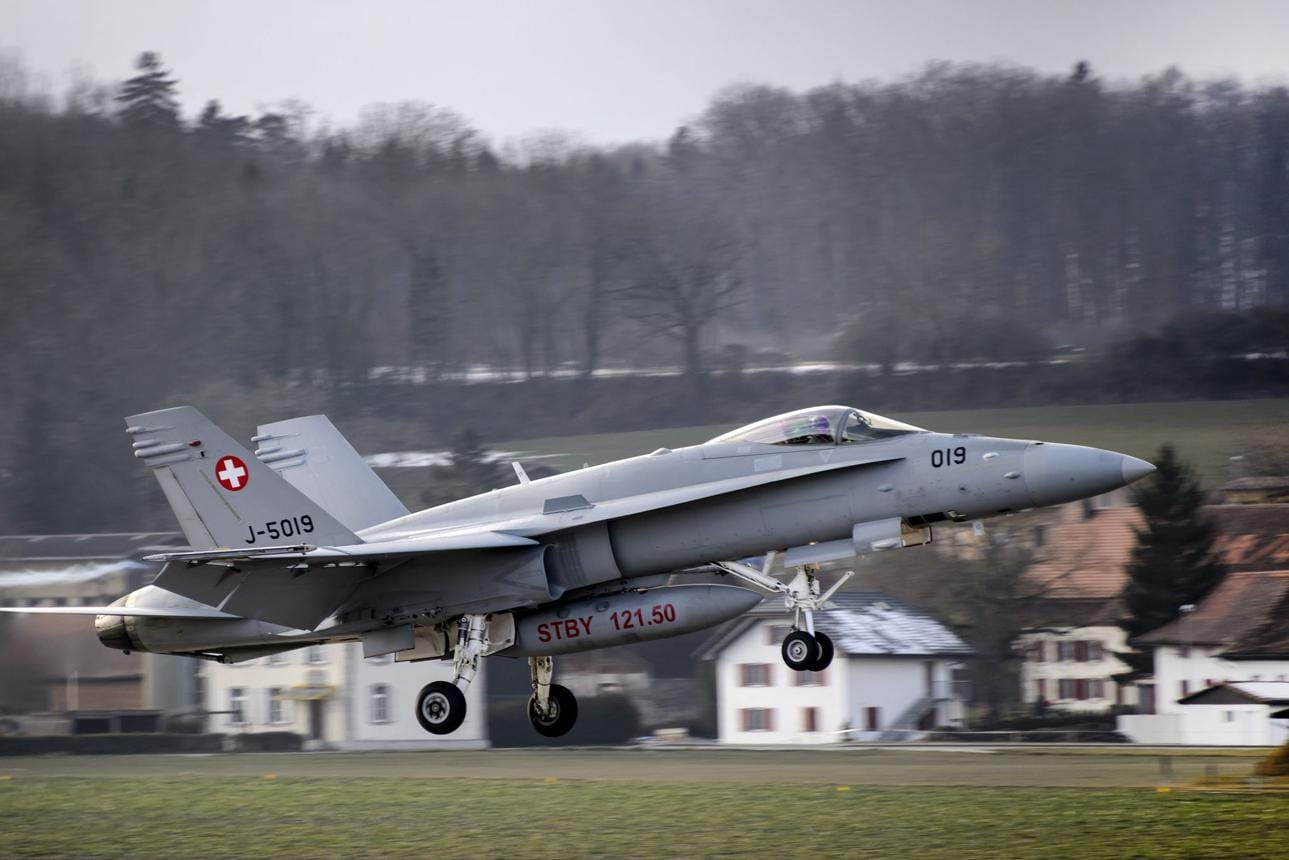
The Swiss Air Force has successfully completed a major inspection and refurbishment program for its fleet of F/A-18C/D fighter jets, extending their operational life until the next generation of aircraft enters service.

According to the Federal Armaments Office (Armasuisse), structural inspections and refurbishment work on all 30 F/A-18 fighter jets were completed at the end of April 2026. The upgrades will allow the aircraft to continue operating safely and effectively for several more years.

The extension is designed to bridge the gap until Switzerland’s new F-35A fighter jets are fully introduced into service during the early 2030s. Regular maintenance and periodic inspections will continue to ensure the aircraft remain mission-ready.

The Swiss Parliament approved CHF450 million for the life-extension project as part of the 2017 Armed Forces program. The initiative was carried out through cooperation between Armasuisse, the Swiss Air Force, Ruag, and several industry partners.

The modernization program was implemented in multiple phases. One of the most significant milestones was completed in 2021 with the installation of advanced communication, navigation, and identification systems, improving the aircraft’s operational capabilities.

Originally, the F/A-18 fleet was expected to be retired by 2025. However, delays in the transition to the new F-35A fleet made the extension necessary to maintain Switzerland’s air defense capabilities.

The project ensures that Switzerland can continue to protect its airspace while preparing for the arrival of its future generation of fighter aircraft. The successful completion of the maintenance program represents an important step in maintaining national security and operational readiness during the transition period.

With the upgraded F/A-18 fleet remaining active, the Swiss Air Force will continue to play a vital role in air policing, national defense, and security operations until the F-35A aircraft become fully operational.

Swiss Airports Record 13.3 Million Passengers in Q1 2026.

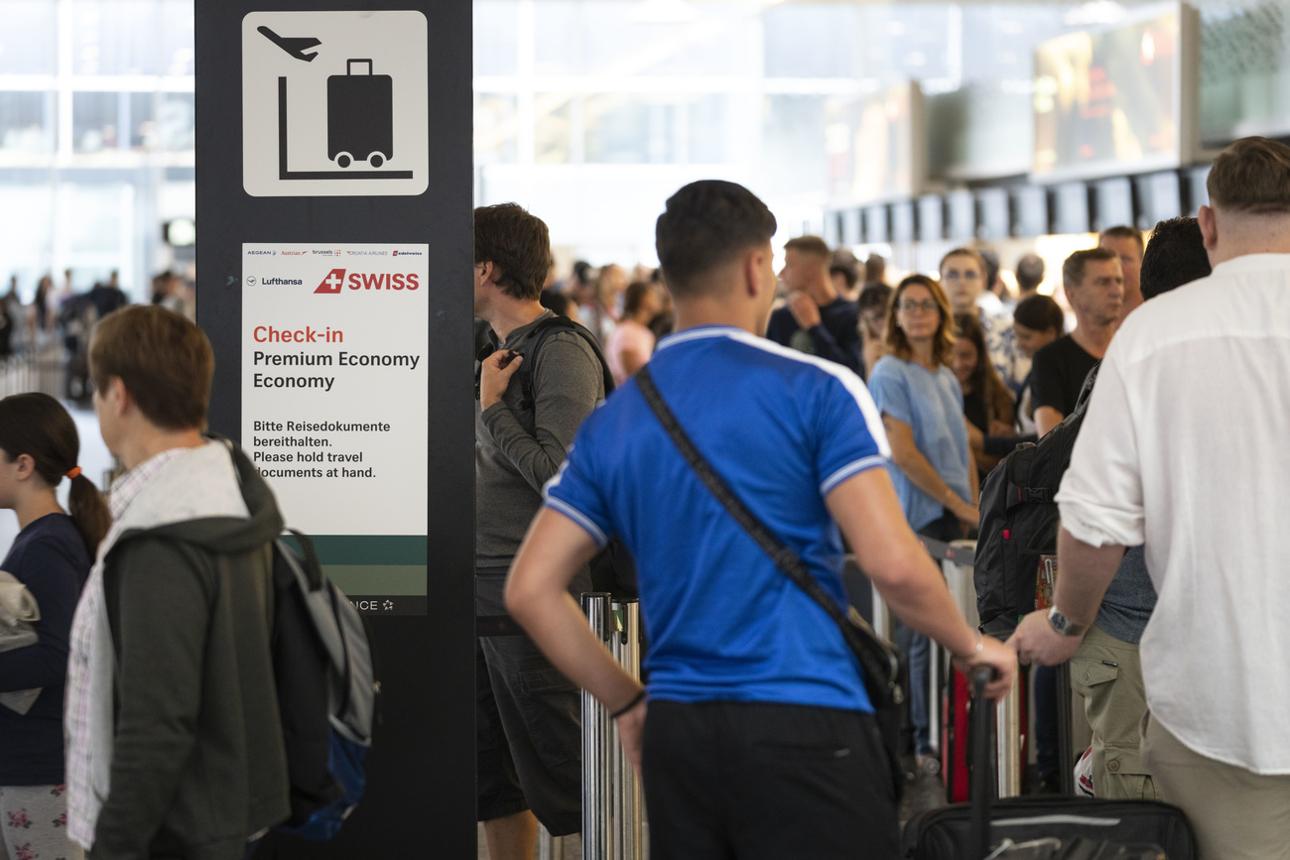
Swiss airports recorded a strong increase in passenger traffic during the first quarter of 2026, reaching a total of 13.3 million travellers on scheduled and charter flights, including transit passengers.

According to figures published by the Federal Statistical Office, this represents an increase of around 0.7 million passengers, or 5%, compared to the same period in 2025.

The growth highlights continued recovery and expansion in Switzerland’s aviation sector, supported by rising travel demand and strong international connectivity.

Among the country’s major airports, Zurich Airport recorded the highest passenger volume, handling 6.9 million travellers. This marks a 6% increase compared to the previous year.

Geneva Airport also saw steady growth, with passenger numbers rising by 3% to 4.6 million. Meanwhile, EuroAirport Basel Mulhouse Freiburg experienced the strongest percentage increase, up 7% to 1.8 million passengers.

Aviation analysts say the increase reflects stronger international travel demand, improved airline capacity, and Switzerland’s continued role as a key European travel hub.

The data suggests that despite global economic uncertainties, Swiss air travel remains resilient, with both tourism and business travel contributing to the upward trend.

Swiss Air Traffic Controller Skyguide Plans Up

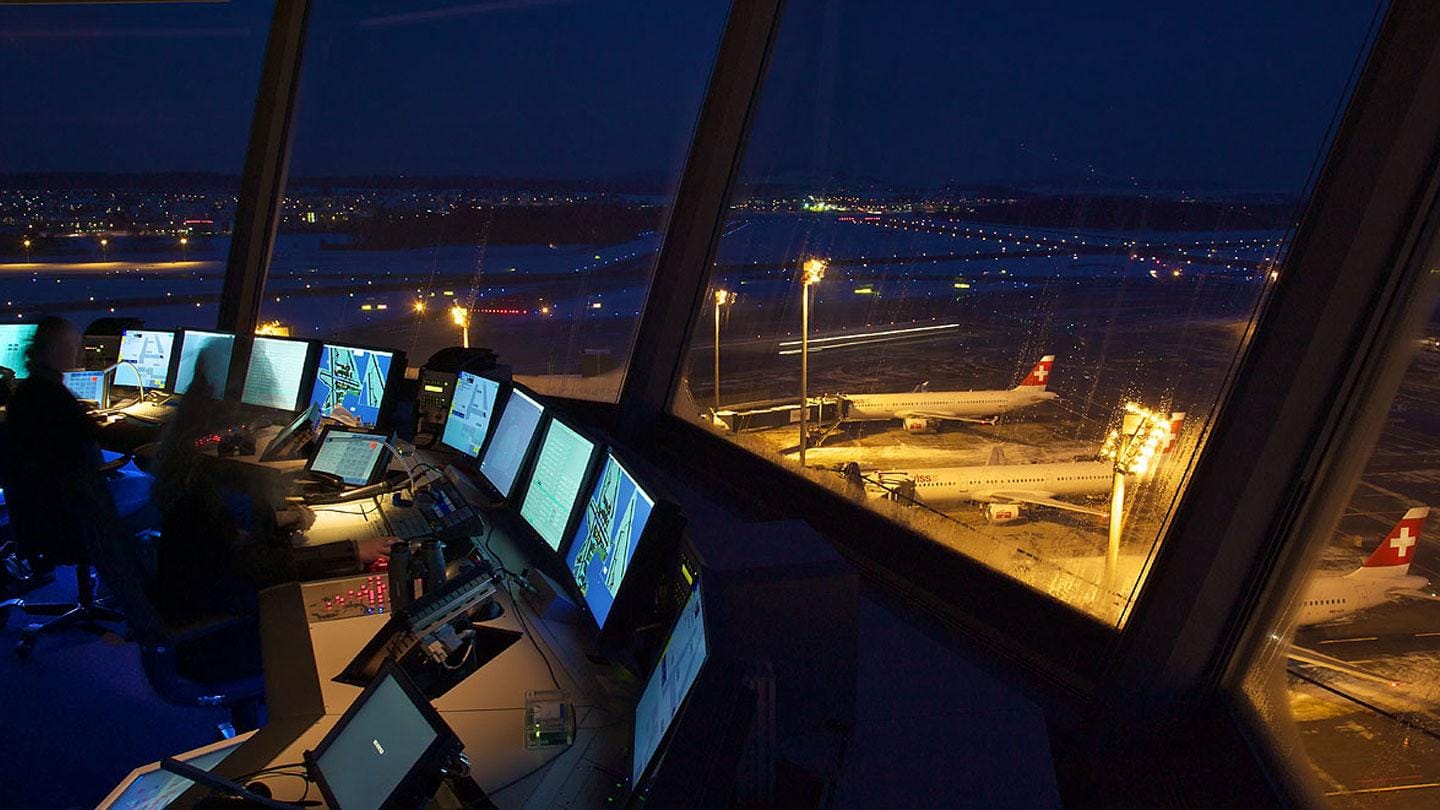
Skyguide has announced plans to reduce its workforce by up to 220 positions by the end of 2027 as part of a major restructuring aimed at improving financial stability and operational efficiency.

The Swiss air traffic control company is responding to rising personnel and systems costs, uncertain revenue forecasts, and increasing European efficiency requirements. Internal complexity has also been cited as a key reason for the planned changes.

The restructuring will be carried out in two phases. Around 90 jobs will be affected between September and November this year, followed by up to 130 additional positions between May and June 2027.

Sites including Geneva-Cointrin and the Dübendorf airfield are expected to be impacted by the cuts, although operational air traffic control roles will remain protected to ensure safety standards are maintained across Switzerland’s airspace.

Skyguide reported total expenditure of CHF 576 million in 2025, including CHF 382 million in personnel costs, highlighting the financial pressure driving the restructuring plan.

The company emphasized that safety and service continuity remain its top priorities. It stated that air traffic operations will continue without disruption throughout the restructuring process.

As part of a formal consultation procedure that began on Tuesday and runs until June 18, Skyguide is working with employee representatives to explore alternatives to job cuts. These include internal transfers, early retirement schemes, reduced external hiring, and limited recruitment.

Swiss Army Conducts Helicopter Shooting Training in France.

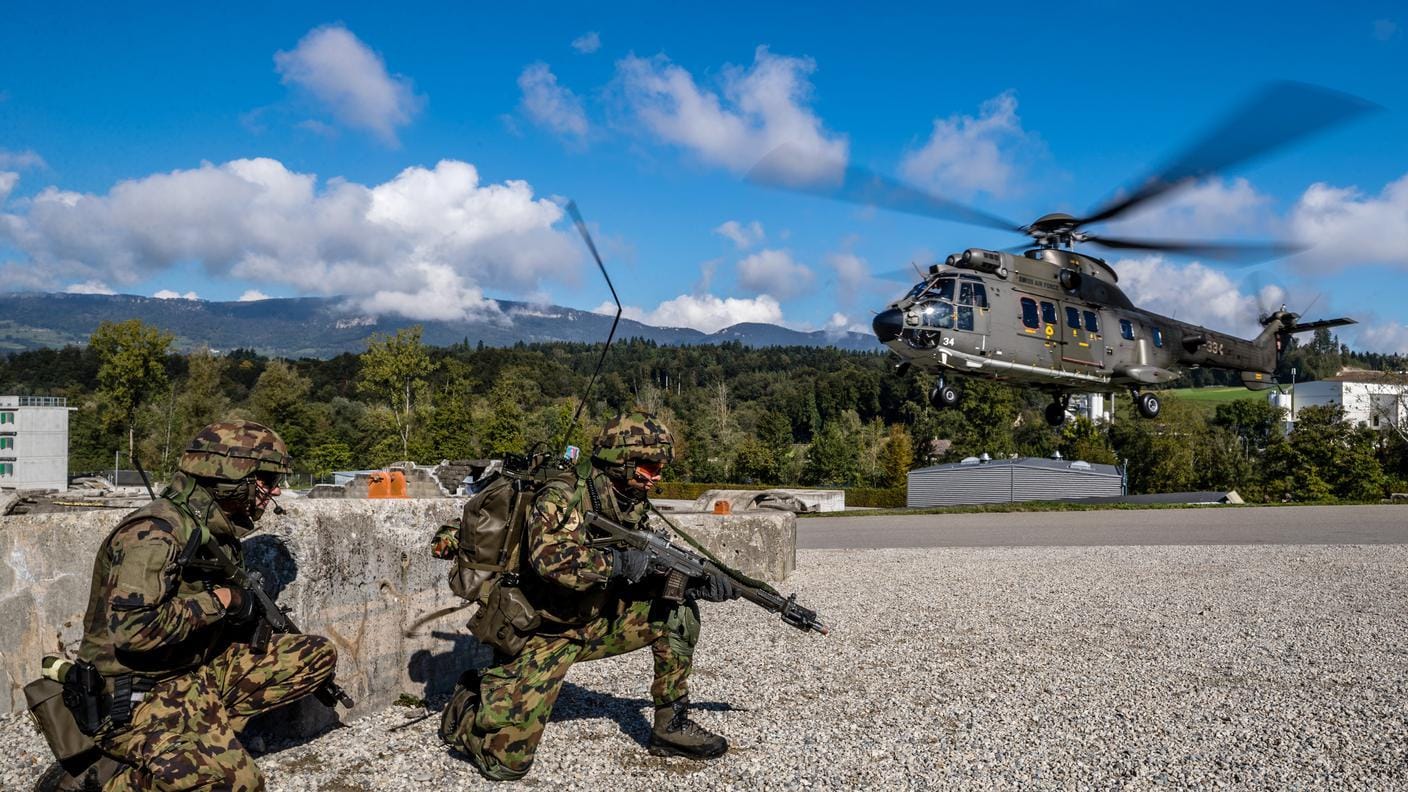
The Swiss Armed Forces has begun a specialised helicopter shooting exercise in France as part of efforts to strengthen defence capabilities and improve international military cooperation.

According to the Swiss Army, the training exercise is taking place from May 15 to May 22, 2026, in Solenzara, France. A Cougar military helicopter is being used for the operation, with soldiers practising live firing at moving targets while airborne.

The exercise focuses on improving operational procedures and tactical coordination during complex aerial combat situations. Shooting from helicopters is considered highly challenging because helicopters operate as unstable moving platforms while wind conditions continuously change during flight.

Military officials stated that the training follows strict safety regulations and can only be conducted in specially approved zones with clearly defined security areas. Due to Switzerland’s geographical limitations and restricted airspace, similar advanced exercises are difficult to organise within the country.

The Swiss government decided in 2024 to increase international military cooperation in order to modernise defence readiness and overcome domestic operational limitations. Training abroad allows Swiss forces to gain practical experience and learn from international defence partners.

The army also noted that these joint exercises improve interoperability between allied armed forces and help prepare soldiers for realistic operational environments. Defence experts say such international cooperation has become increasingly important as European nations focus more heavily on security and military preparedness.

The training exercise reflects Switzerland’s broader efforts to strengthen national defence capabilities amid changing geopolitical and security conditions across Europe.

SWISS Airline to Resume Tel Aviv Flights in July After Suspension

SWISS International Air Lines has announced that it will resume flights between Switzerland and Tel Aviv in July, following a suspension that began in March due to the ongoing conflict in the Middle East.

The airline stated that it is currently carrying out operational preparations to restart the route, including crew scheduling, aircraft allocation, and coordination with internal and external partners. SWISS also confirmed that it is engaging in discussions with its social partners to ensure a smooth restart of operations.

Several airlines within the Lufthansa Group have already planned to resume Tel Aviv services from June, but SWISS has chosen a later restart date in July to ensure full operational readiness.

The suspension of flights was originally introduced in response to security concerns linked to the war in the Middle East. SWISS said passenger safety remains its top priority when adjusting flight schedules.

In addition to the Tel Aviv update, the airline confirmed extended suspensions on other routes. Flights to Dubai will remain suspended until September 13, 2026, while services to Beirut will stay suspended until October 24, 2026.

SWISS continues to adjust its international network based on geopolitical developments and operational feasibility. The airline said it will continue to monitor the situation closely and update schedules if conditions change.

The decision reflects the ongoing impact of regional instability on global aviation routes, particularly in the Middle East, where several airlines have modified or temporarily suspended operations.