

Swiss Finance Minister Urges Banks to Strengthen Financial Stability.

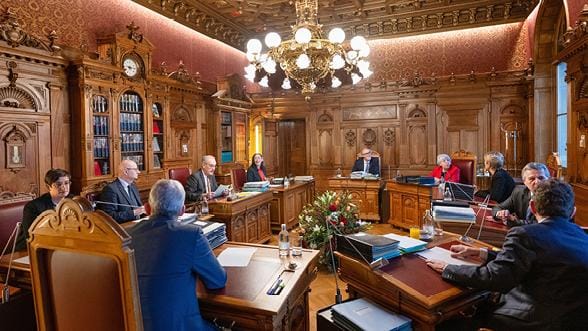
Swiss Finance Minister Karin Keller-Sutter has called on banks operating in Switzerland to actively contribute to the country’s financial stability amid ongoing global geopolitical tensions and economic uncertainty.

Speaking at a private banking symposium in Bern organised by the Swiss Association of Private Banks and the Association of Swiss Asset Management and Institutional Banks, she stressed that Switzerland’s stability remains one of its most valuable economic assets.

She warned that institutions benefiting from this stability must also take responsibility in maintaining it. According to her remarks, any actions that could weaken the financial system in the future must be carefully managed to protect the wider economy and taxpayers.

The comments come amid ongoing discussions involving UBS Group AG, which has recently expressed concerns about proposed government plans to tighten capital requirements for systemically important banks.

Keller-Sutter acknowledged the importance of large banking institutions to Switzerland’s economy but emphasized the need to limit risks that could ultimately fall on taxpayers. She rejected the idea that the government is obstructing business growth, instead framing regulation as a safeguard for long-term stability.

She also highlighted that Switzerland continues to attract international clients seeking secure financial environments, particularly during periods of global instability. The country’s reputation for safety and trust remains a key driver of its financial sector strength.

Referring to past financial challenges, including the collapse of Credit Suisse, she reminded industry leaders that stability is essential to maintaining confidence in the banking system.

Experts note that Switzerland’s financial sector continues to play a central role in global wealth management, but regulatory debates remain crucial as authorities seek to balance competitiveness with systemic risk protection.
Foreign Investment in Switzerland Drops in 2025.

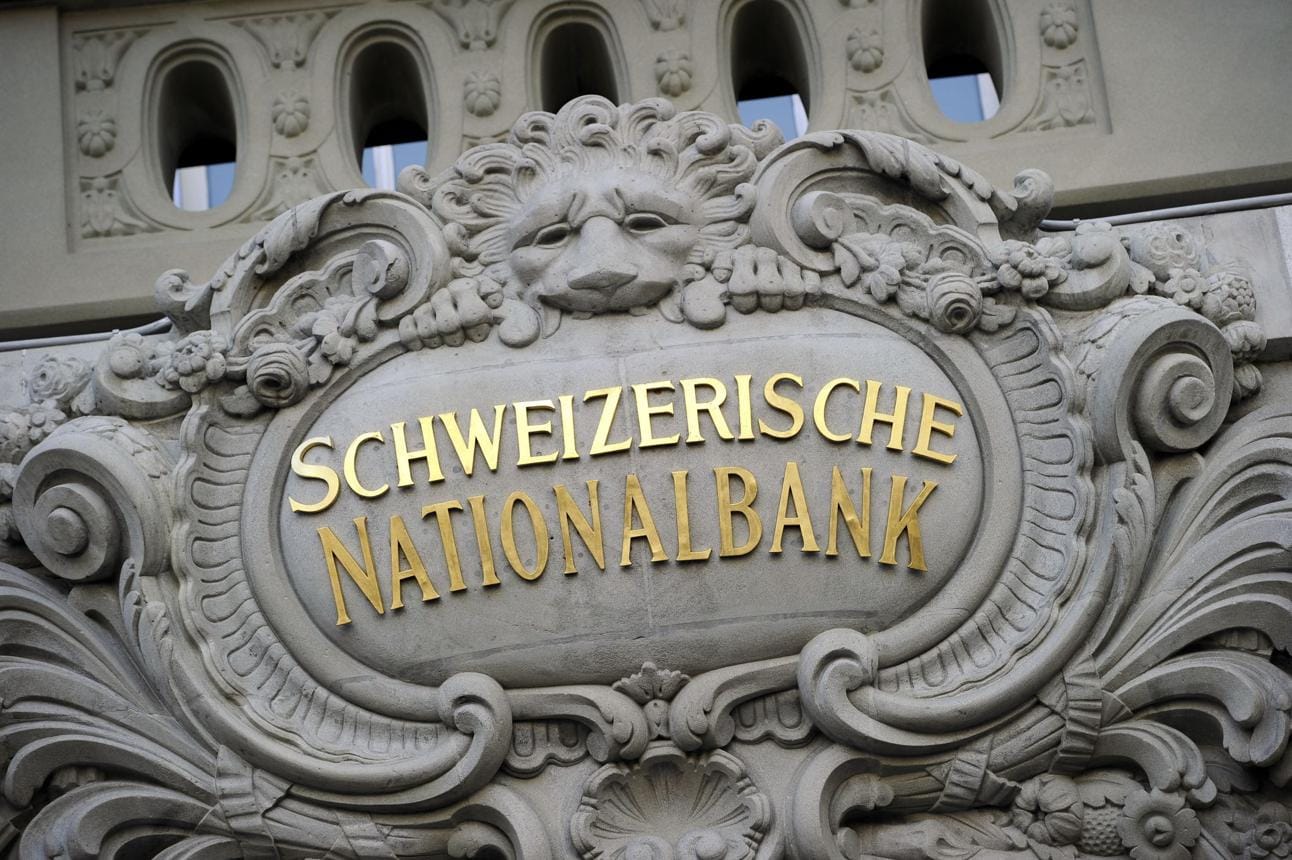
Foreign investment in Switzerland declined significantly in 2025 as global companies slowed expansion plans across Europe. According to a recent report released by EY, the number of foreign investment projects in Switzerland dropped by nearly 24%, falling to only 84 projects during the year.

US companies, which remain the largest foreign investors in Switzerland, also reduced their investment activities. The report showed that investment projects from American firms declined by 7% compared to previous years. Economic uncertainty, geopolitical tensions, and changing global trade policies influenced many companies to delay or reduce expansion plans.

Across Europe, investment activity also weakened. Total foreign investment projects across European countries fell by 7%, reaching the lowest level recorded in the last eleven years. Analysts believe that rising energy costs, inflation pressures, geopolitical instability, and economic concerns continue to affect investor confidence throughout the continent.

Despite the decline, Switzerland continues to maintain its strong reputation as an important business destination in Europe. Experts highlight that the country still offers major advantages such as political stability, legal security, a skilled workforce, advanced infrastructure, and an attractive tax system for international companies.

According to André Bieri from EY, Switzerland still acts as a “gateway to Europe” for many US companies. Businesses continue to value Switzerland for its strategic location and reliable economic environment even during uncertain global conditions.

France and the United Kingdom ranked among the most attractive investment destinations in Europe during 2025, while Germany secured third place. Switzerland ranked 13th overall in Europe for foreign investment projects.

Economic experts warn that ongoing geopolitical developments and support programs introduced in the United States could continue to impact investment activity in Europe, including Switzerland. However, Switzerland’s strong financial system and international business environment may help the country recover investment growth in the coming years.