WHO Reports Decline in Suspected Ebola Cases in DR Congo.

The World Health Organization (WHO) has reported a significant drop in suspected Ebola cases in the Democratic Republic of Congo (DRC), as improved testing has ruled out many earlier alerts.

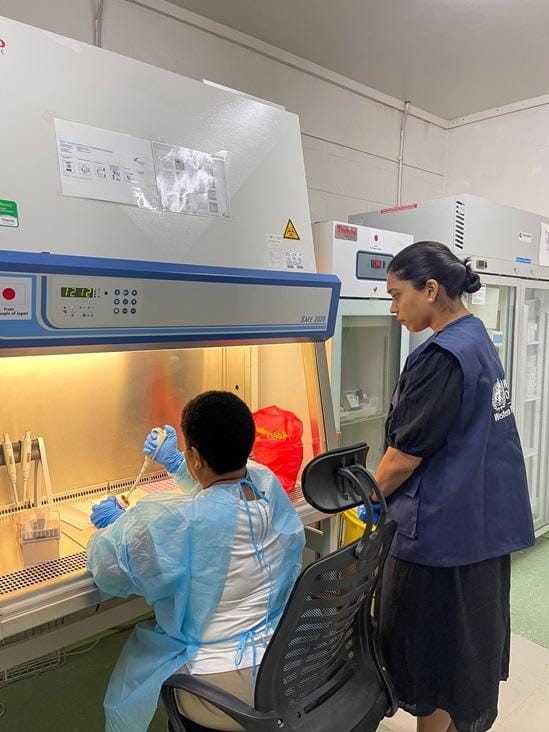
According to the latest update, the number of suspected cases has fallen to 116, compared with more than 900 reported just days earlier. Many of the previously suspected patients tested negative for Ebola and were found to have other illnesses or non-Ebola-related fevers.

Despite the decline in suspected cases, the outbreak remains serious. The WHO confirmed 321 total cases and 48 deaths in the country so far, while six patients have recovered. Health authorities continue to closely monitor the situation to prevent further spread.

In neighboring Uganda, officials have confirmed nine cases and one death. The country has temporarily closed its border with the DRC as a preventive measure. However, global health experts, including the WHO, caution against broad travel restrictions, stating that only infected individuals and direct contacts should face movement limitations.

The International Organization for Migration (IOM) warned that border closures could worsen the situation by pushing people to cross unofficially, making health screening more difficult and increasing the risk of undetected transmission.

Health agencies continue to emphasize surveillance, testing, and targeted containment as the most effective tools to control the outbreak.
WHO Flags High Regional Risk for Ebola?

The World Health Organization (WHO) has warned that the current Ebola outbreak likely began several months ago, raising concerns about delayed detection and spread.

According to officials at the Geneva-based World Health Organization, the outbreak is now assessed as “high” risk at both national and regional levels, while the global risk remains “low”.

WHO health emergencies lead Anaïs Legand stated that investigations are ongoing to determine how the virus first emerged. However, based on current transmission patterns, the organization believes the outbreak may have been circulating undetected for months before being identified.

Health authorities are now focusing on tracing infection chains, strengthening surveillance systems, and improving early detection in affected regions to contain further spread.

Ebola is a severe viral disease that spreads through direct contact with infected bodily fluids. Past outbreaks have highlighted the importance of rapid response, isolation measures, and coordinated international health action.

The WHO emphasized that while the global risk remains limited for now, continued monitoring and containment efforts are critical to prevent escalation.

Switzerland Praises WHO for Strong Hantavirus Management.

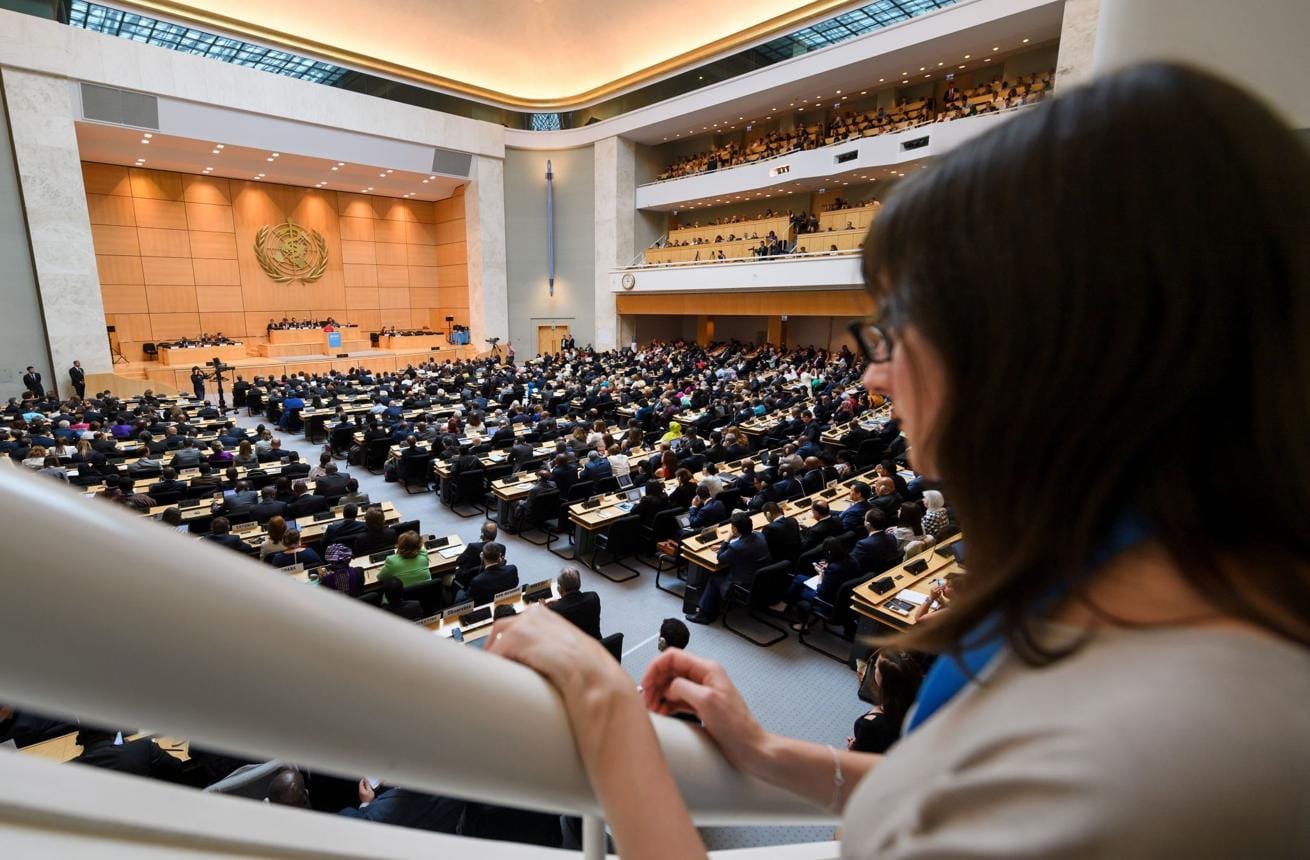
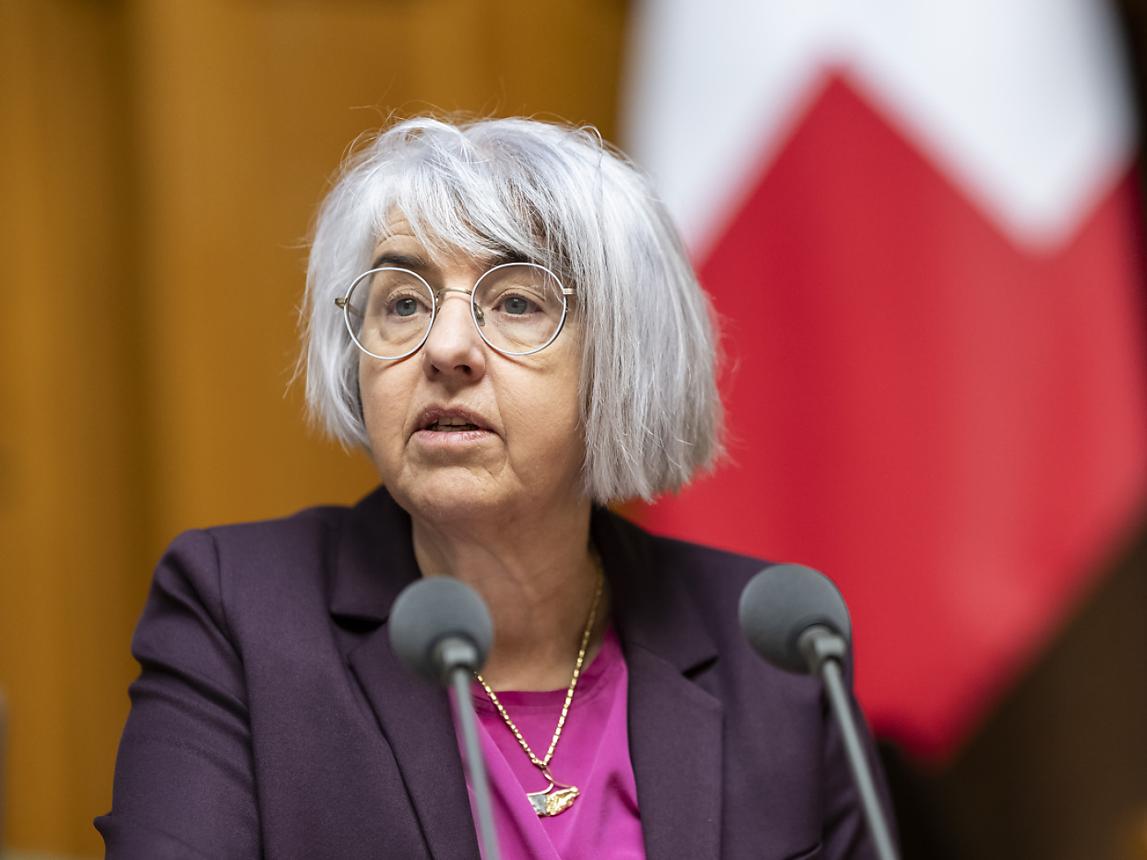
Switzerland has praised the role of the Geneva-based World Health Organization (WHO) for leading the global response to the hantavirus outbreak. During the opening of the World Health Assembly in Geneva, Swiss Interior Minister Elisabeth Baume-Schneider emphasized the importance of international cooperation and transparent health communication during future global health emergencies.

Baume-Schneider stated that the WHO remains an essential institution for global public health despite growing political pressure and financial challenges. She called for a realistic and efficient international system that allows countries to share pathogen information and medical countermeasures quickly during pandemics. Switzerland strongly believes that global cooperation is necessary to prevent future health crises and protect millions of lives worldwide.

The minister also highlighted the WHO’s active response to both hantavirus and Ebola outbreaks. She acknowledged that the organization continues to perform its responsibilities effectively even after facing a budget reduction of nearly $1 billion and the loss of approximately 1,300 staff members. Switzerland reaffirmed its support for the WHO and stressed that the organization plays a critical role in global disease monitoring, emergency response, and healthcare coordination.

Recent criticism from countries such as the United States and Argentina has created uncertainty around the WHO’s future funding and leadership. However, Switzerland continues to support the Geneva-based organization and recognizes its contribution to international health security. Swiss officials believe that strengthening the WHO will improve global preparedness for future pandemics and emerging infectious diseases.

Experts say hantavirus infections remain a serious public health concern in several regions worldwide. The disease spreads mainly through contact with infected rodents and can cause severe respiratory complications. Health authorities continue to monitor the situation closely while encouraging countries to improve disease surveillance and emergency response systems.

Baume-Schneider Praises WHO Response to Hantavirus Management

Swiss Interior Minister Elisabeth Baume-Schneider has praised the World Health Organization (WHO) for its ongoing management of the hantavirus response, highlighting the importance of strong international coordination in global health emergencies.

Speaking in Geneva at the start of the World Health Assembly, Baume-Schneider emphasized that the WHO remains “irreplaceable” despite facing financial pressure and workforce reductions in recent years.

She noted that the organization is continuing to play a key role in managing current health threats, including hantavirus and Ebola, even after significant budget cuts and nearly 1,300 job reductions.

Baume-Schneider also called for a more “realistic and functional” global system for sharing information about pathogens and countermeasures during future pandemics.

A key focus of ongoing discussions is the proposed pathogen-related sharing system (PABS), which aims to regulate how countries share biological data and medical resources in the event of outbreaks.

However, member states have yet to reach a consensus on the framework, despite an agreement reached in 2025 aimed at strengthening global pandemic preparedness.

Switzerland has reiterated its support for a practical and enforceable system that ensures clear responsibilities and effective coordination between countries.

The statement comes amid increasing global debate over the role and funding of the WHO, particularly after criticisms and partial withdrawals from some countries.

WHO Declares Ebola Outbreak a Global Health Emergency

World Health Organization (WHO) has officially declared the ongoing Ebola outbreak in the Democratic Republic of the Congo an international public health emergency after the rapid spread of a highly dangerous virus strain.

WHO Director-General Tedros Adhanom Ghebreyesus announced that the outbreak now qualifies as a Public Health Emergency of International Concern (PHEIC), the organization’s second-highest global alert level.

Health officials confirmed that the outbreak is linked to the Bundibugyo variant of Ebola, a strain for which there is currently no approved vaccine available.

The outbreak is mainly affecting Ituri province in northeastern Congo, where laboratory testing has already confirmed several infections. WHO data released on May 16 reported at least eight confirmed cases, alongside hundreds of suspected infections and dozens of suspected deaths.

The virus has also spread beyond the immediate outbreak zone. Authorities confirmed another case in Kinshasa and a death in Kampala, Uganda, involving travellers who had recently returned from the affected region.

According to the Africa Centres for Disease Control and Prevention (Africa CDC), at least 88 deaths are believed to be linked to the outbreak among more than 300 suspected cases reported so far.

Health experts warn that the situation is especially concerning because many affected areas are remote and difficult to access. Limited laboratory testing capacity means that many infections remain classified as suspected cases rather than officially confirmed.

Ebola is one of the world’s deadliest infectious diseases and causes severe haemorrhagic fever with high fatality rates. Although vaccines and treatments exist for some Ebola strains, they are not effective against the Bundibugyo variant currently spreading in Congo.

WHO has urged governments, healthcare workers, and international organizations to strengthen monitoring systems, improve emergency response measures, and support affected communities to prevent the outbreak from escalating further.

Global health authorities continue to monitor the situation closely amid fears that cross-border transmission could increase if containment efforts fail.

WHO Declares Ebola Outbreak in DRC an International Health Emergency

The World Health Organization (WHO) has declared an international health emergency in response to a growing Ebola outbreak in the Democratic Republic of the Congo, triggering its second-highest global alert level known as a Public Health Emergency of International Concern (PHEIC).

WHO Director-General Tedros Adhanom Ghebreyesus confirmed that the outbreak meets the criteria for a PHEIC but not for a full pandemic emergency. This classification highlights the seriousness of the situation while indicating that global spread is still being assessed.

The outbreak involves the Bundibugyo strain of Ebola, a highly dangerous variant for which no widely available vaccine exists. Health experts warn that this strain remains particularly difficult to control compared to other Ebola types.

The affected region, Ituri province in northeastern DRC, has reported multiple suspected and confirmed cases. According to WHO data, at least eight confirmed cases have been identified in laboratories, alongside hundreds of suspected infections and a significant number of suspected deaths.

Additional cases have also been reported in Kinshasa and neighbouring countries, including Uganda, where at least one infected traveller has died after returning from the affected region.

The Africa Centres for Disease Control and Prevention (Africa CDC) has also reported dozens of probable deaths linked to the outbreak, though limited laboratory access in remote areas has made confirmation difficult.

Health officials warn that the outbreak is occurring in a geographically challenging region, making surveillance, testing, and treatment more difficult. As a result, many reported cases remain unconfirmed, increasing uncertainty about the true scale of the spread.

WHO has urged countries in the region and globally to strengthen surveillance, improve preparedness, and support rapid response efforts to prevent further escalation.

Experts emphasize that while vaccines exist for some Ebola strains, the Bundibugyo variant presents additional challenges, making containment efforts more urgent.