

Swiss Senate Rejects Proposal to Expand Sunday Shop Openings

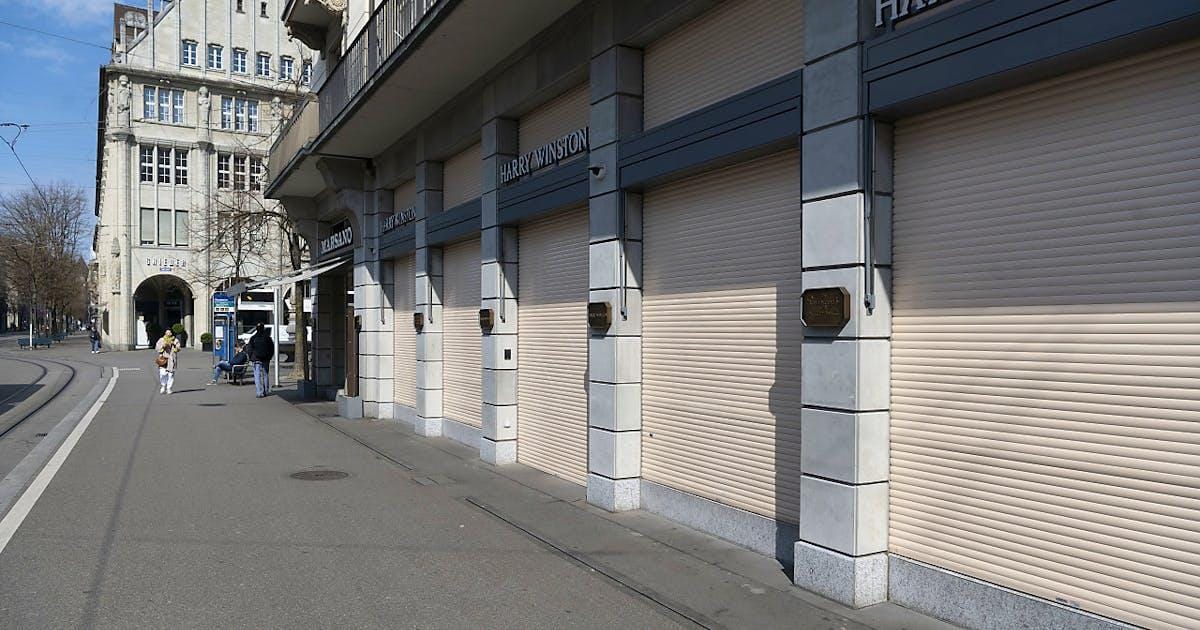
Switzerland will continue to restrict Sunday shopping after the Senate voted against a proposal that aimed to increase the number of permitted Sunday openings for stores.

On Tuesday, lawmakers rejected the draft plan by a narrow margin of 22 votes to 21, with one abstention. The proposal would have allowed shops to open on up to 12 Sundays per year, compared to the current limit of four Sundays annually.

A cross-party “Sunday alliance,” including members from the Social Democratic Party, the Green Party, the Centre Party, and the Swiss People’s Party, successfully opposed the initiative. As a result, the current rules remain unchanged.

Under existing Swiss regulations, retail opening hours from Monday to Saturday are primarily governed at the cantonal level. However, Sunday trading is strictly regulated under federal law, particularly the Labour Act, which limits exceptions nationwide.

Municipalities and cantons are currently allowed to authorize a maximum of four Sunday openings per year without special permits. This framework will remain in force following the Senate’s decision.

The proposal will now move to the House of Representatives for further debate, where lawmakers may revisit the issue of retail flexibility and economic competitiveness.

Supporters of extended Sunday openings argue that increased flexibility could boost retail activity and improve urban attractiveness. Critics, however, warn that expanding Sunday trading could negatively impact workers’ rights and traditional rest periods.

The decision reflects Switzerland’s ongoing balance between economic liberalization and strong labor protections, a debate that continues to divide political parties and cantons.
Greenpeace Sparks Row Over Swiss Nuclear Plans.

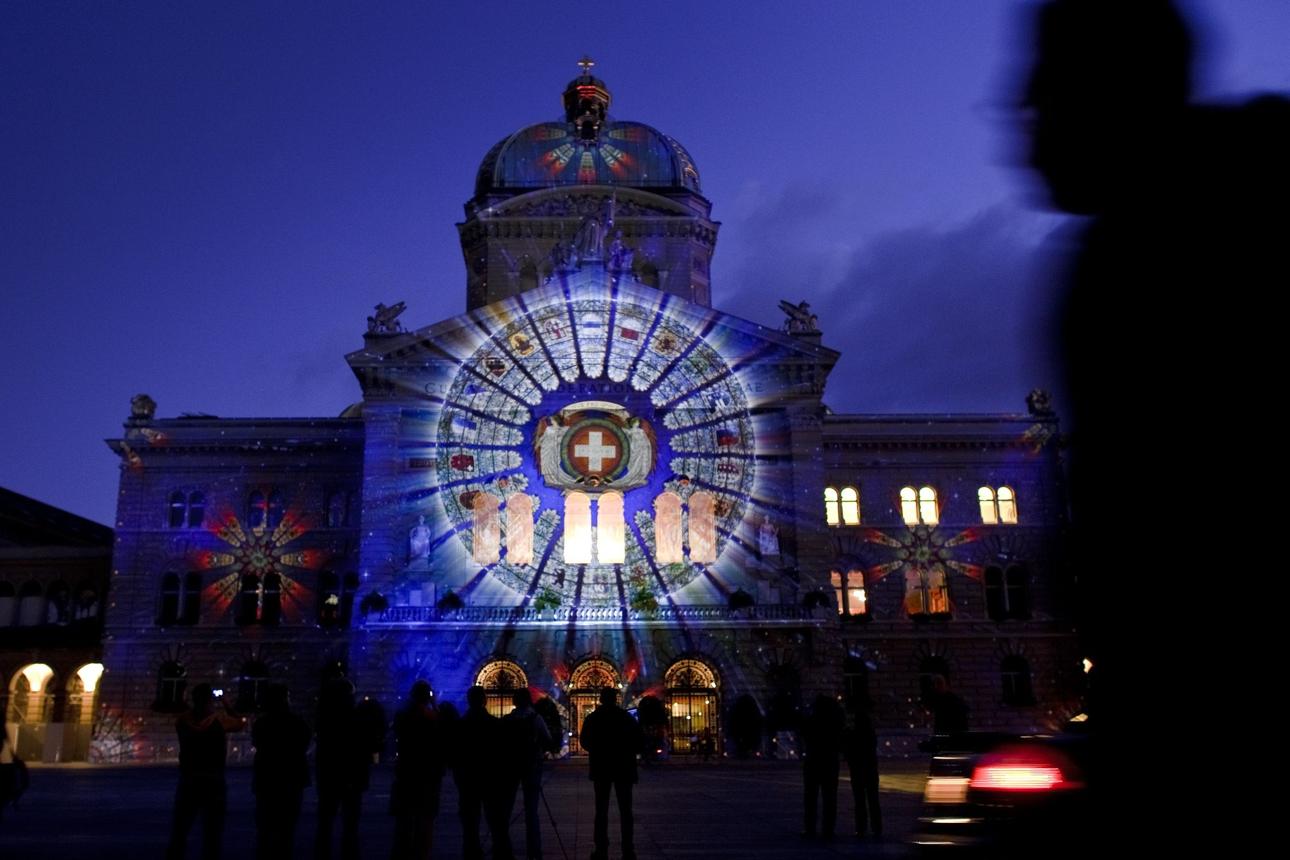
Environmental organization Greenpeace Switzerland staged a striking protest on Monday evening by projecting an image inspired by Edvard Munch’s famous painting “The Scream” onto the Federal Palace in Bern. The action coincided with a parliamentary debate on proposals that could pave the way for the construction of new nuclear power plants in Switzerland.

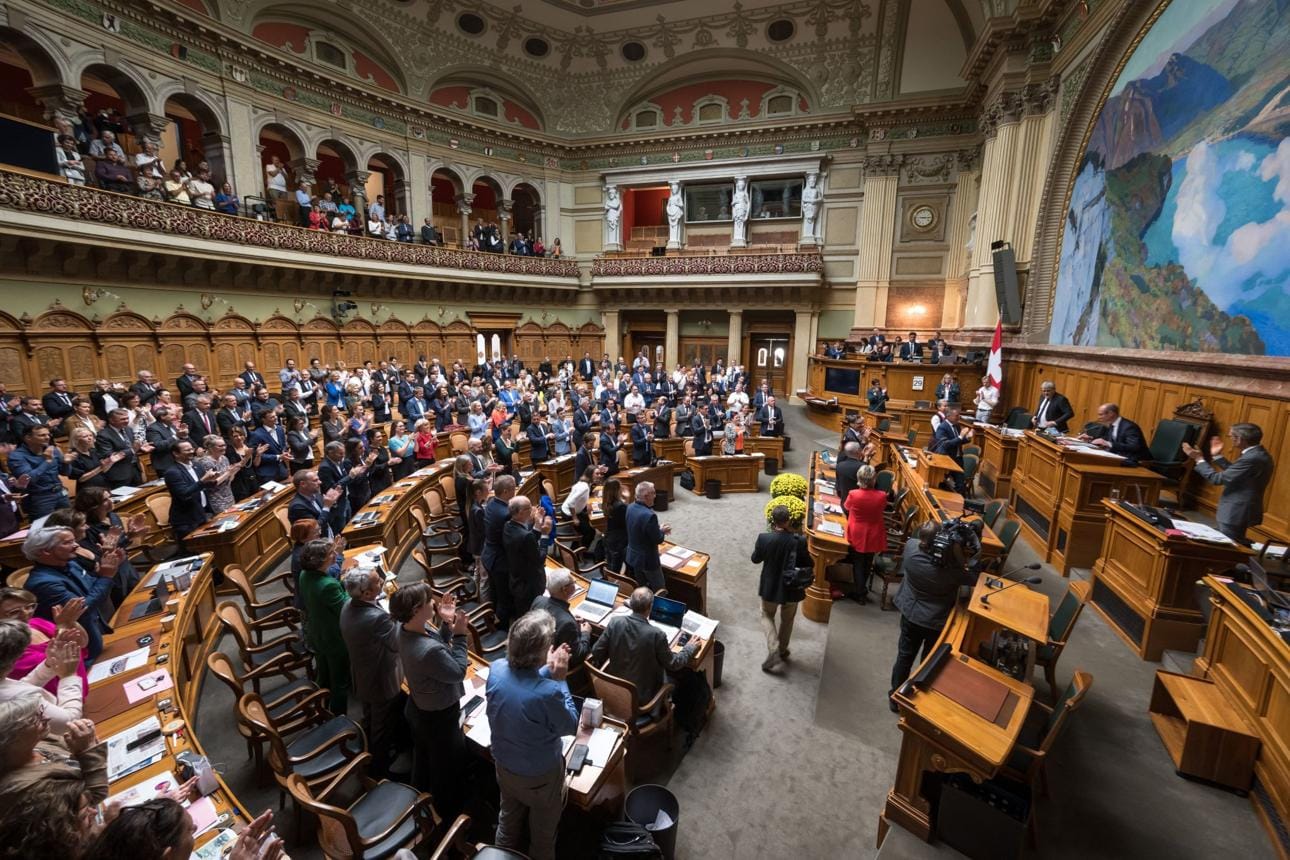
The protest followed the start of discussions in the National Council regarding the popular initiative “Anytime Electricity for All (Stop the Blackout)” and a related counterproposal. The counterproposal would remove the legislative ban on building new nuclear power stations in Switzerland.

Greenpeace criticized lawmakers for what it described as an attempt to undermine Switzerland’s energy transition goals. The projected artwork combined elements of The Scream with a radioactive warning symbol, highlighting the organization’s concerns about nuclear energy. Another projection featured Russian President Vladimir Putin alongside a nuclear cooling tower, drawing attention to geopolitical concerns linked to uranium supplies.

According to Greenpeace Switzerland energy expert Lukas Bühler, a return to nuclear energy would increase the risks associated with nuclear accidents and generate additional highly radioactive waste. He also argued that nuclear power would create long-term dependence on foreign uranium suppliers, including countries such as Russia and Kazakhstan.

The debate reflects a broader discussion in Switzerland about how to secure reliable electricity supplies while meeting climate and energy objectives. Supporters of nuclear energy argue that it can provide stable, low-carbon electricity, while opponents believe renewable energy sources offer a safer and more sustainable path forward.

As lawmakers continue to examine the proposal, the future of Switzerland’s nuclear policy remains a highly debated issue across the country.

Switzerland Approves Plan to Strengthen Support for Violence Victims.

The Swiss House of Representatives has approved a new reform aimed at significantly improving support for victims of violence across the country. The proposal was backed by 139 votes to 55 and forms part of Switzerland’s broader efforts to address rising cases of violence against women.

The approved measures guarantee better access to forensic medical care and expand emergency accommodation services nationwide. Lawmakers emphasized that victims should receive independent medical documentation of injuries, even if no immediate criminal complaint is filed.

Under the new framework, forensic evidence will be collected and preserved independently of criminal investigations. This approach allows victims more time to decide whether they want to pursue legal action. Forensic records will be stored for at least 15 years, while physical evidence will be retained for a minimum of five years.

The reform also aims to address significant regional differences in victim support services across Switzerland’s cantons. Authorities noted that access to emergency shelters currently varies depending on location, creating unequal protection for victims.

Social Democratic Party representative Jessica Jaccoud, speaking on behalf of the parliamentary committee, stressed that access to emergency accommodation should not depend on where a person lives. She highlighted the need for consistent national standards to ensure fair and equal support for all victims.

The new legislation is part of a wider national strategy to strengthen victim protection systems, improve coordination between cantons, and ensure that individuals affected by violence receive timely and reliable assistance.