


Roche Criticizes US and China Protectionism, Calls Tariff Policy “Blackmail”.
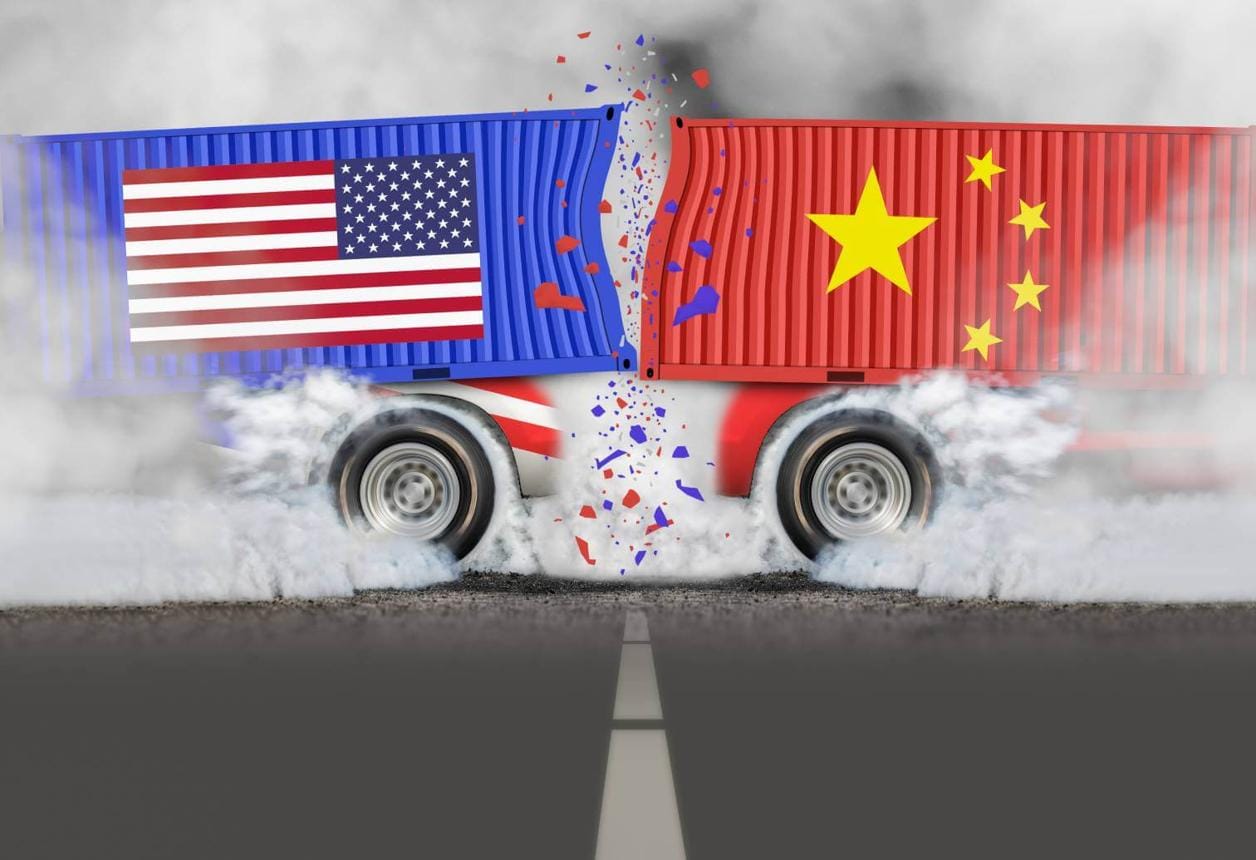
Roche Chair Severin Schwan has strongly criticized rising protectionist trade policies in the United States and China, describing US tariff strategies as a form of “blackmail” during remarks at the Swiss Economic Forum in Interlaken.
Schwan warned that the world’s two largest pharmaceutical markets are increasingly using their economic dominance to force companies to shift value creation within their borders. He said this trend is significantly disrupting the global structure of the pharmaceutical industry.
According to Schwan, both the United States and China are pursuing policies that prioritize domestic production and investment, creating pressure on international pharmaceutical firms to adapt their supply chains and operational strategies.
The comments come after Roche, alongside other major pharmaceutical companies including Novartis, reached an agreement with the US government in late 2025. The deal includes price reductions for certain medicines produced by Roche subsidiary Genentech, in exchange for a temporary exemption from US pharmaceutical tariffs.
Roche has also committed to large-scale investment in the United States, reportedly totaling around $50 billion, as part of efforts to maintain market access and regulatory stability.
However, Schwan argued that such arrangements are not genuine partnerships but rather one-sided pressures imposed by powerful markets. He stated that companies are effectively forced into compliance under the “law of the strongest.”
In response to ongoing uncertainty, Roche has increased short-term exports to the United States while accelerating long-term plans to restructure its global supply chains. The company aims to reduce its dependence on politically sensitive markets, although Schwan acknowledged that such shifts could have negative consequences for other countries, including Switzerland.
The remarks highlight growing tensions between global pharmaceutical firms and major economic powers as trade policy becomes increasingly intertwined with industrial strategy.