French Report Finds Failures in Infant Formula Recall Crisis Involving Nestlé.

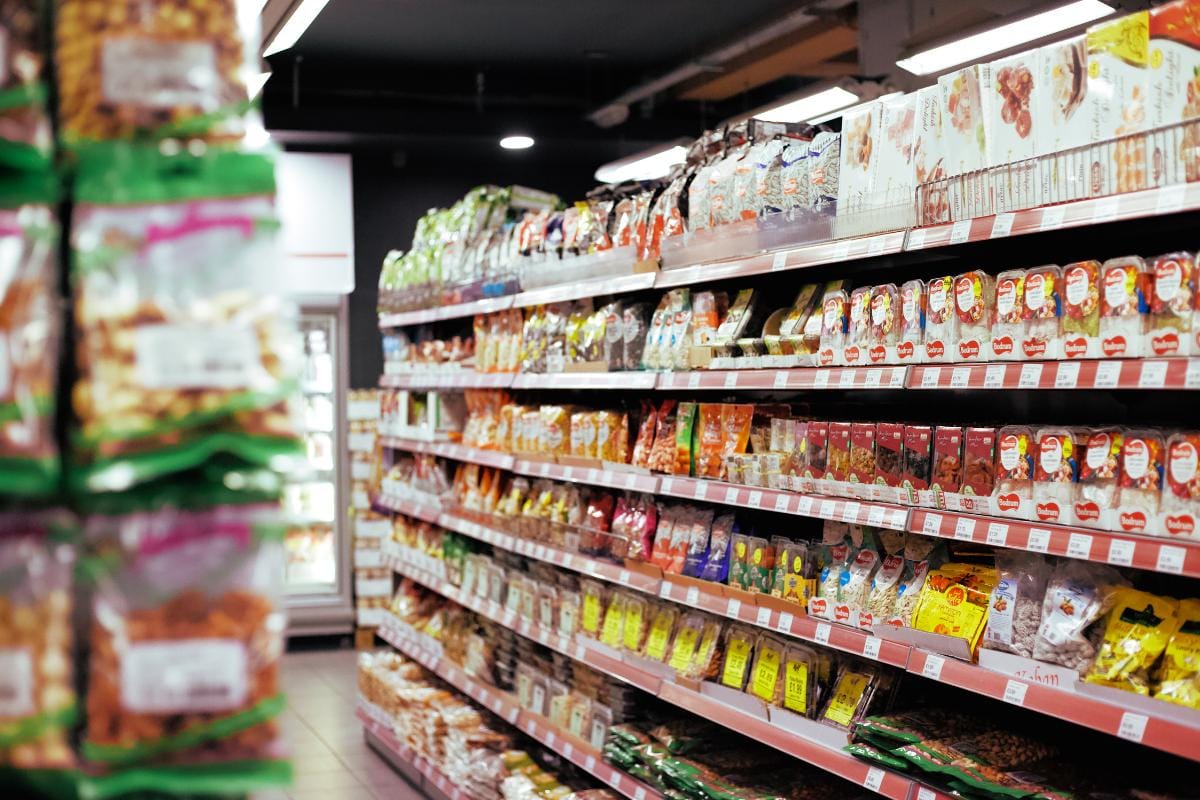
A French parliamentary report has highlighted major shortcomings in the handling of a large-scale infant formula recall crisis involving multiple food manufacturers, including Switzerland-based companies.

The report states that both the government and manufacturers failed to respond quickly and effectively when the scandal emerged in December 2025. Concerns were raised after contaminated infant formula products were recalled across around 60 countries due to possible traces of cereulide, a toxin that can cause severe vomiting in newborns.

The crisis initially began when Nestlé recalled several batches of infant formula, before spreading to other major producers such as Danone, Lactalis, and smaller European firms including Hochdorf and Vitagermine.

Investigators found that many of the affected products shared a common ingredient—an oil rich in arachidonic acid (ARA)—supplied by a single Chinese supplier, which linked multiple recalls across the industry.

Families and consumer groups criticized manufacturers for delayed action and questioned the reliance on voluntary industry reporting mechanisms instead of stronger government intervention.

The parliamentary report concluded that the crisis exposed significant weaknesses in food safety oversight and crisis management systems in both France and the wider European supply chain.

It urged authorities and manufacturers to strengthen monitoring systems and improve rapid response mechanisms to prevent similar incidents in the future.

EU Approves Tougher Steel Import Tariffs Affecting Switzerland.

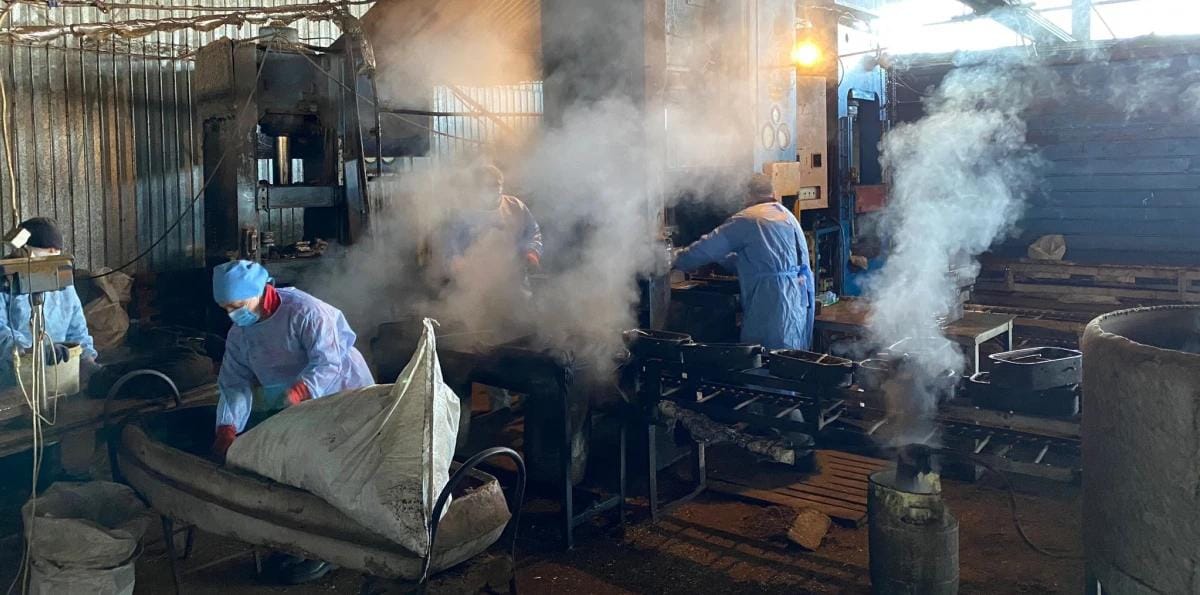
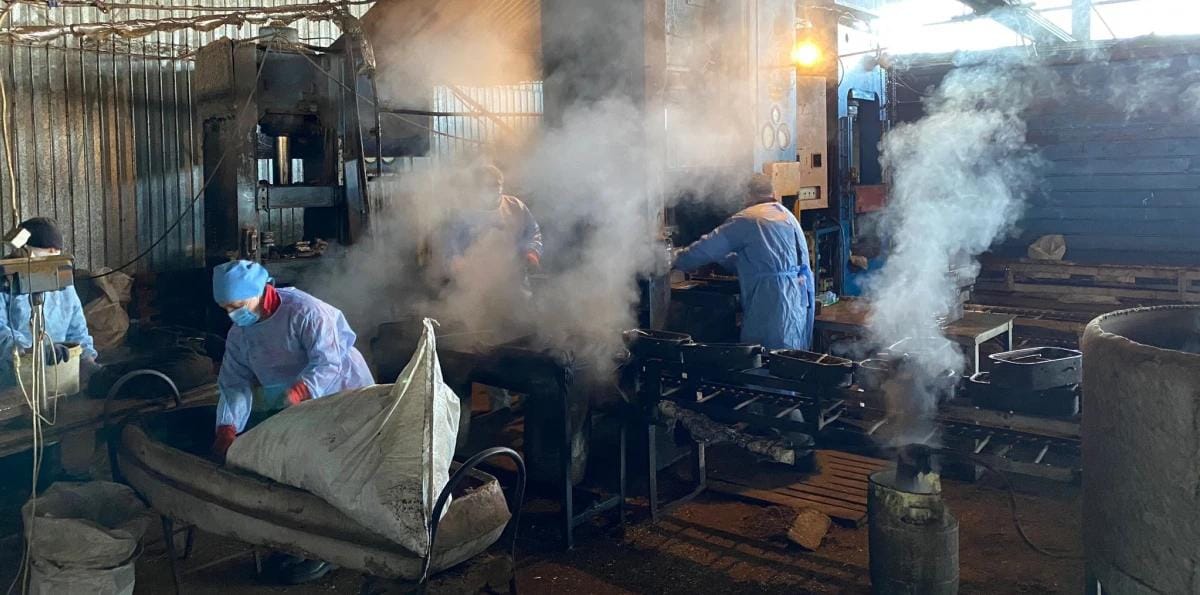
The European Parliament has approved stricter steel import regulations aimed at protecting the European market from global steel overcapacity, with the new measures also affecting Switzerland.

Under the revised policy, duty-free steel import quotas will be significantly reduced, while customs duties on imports exceeding the quotas will rise from 25% to 50%.

The new rules will apply to most non-EU countries, with exemptions only for members of the European Economic Area, including Norway, Iceland, and Liechtenstein. Switzerland unsuccessfully attempted to secure an exemption during negotiations in Brussels.

The European Commission stated that the measures comply with World Trade Organization regulations and are necessary to shield European steel producers from excessive global competition and market distortions.

European officials are currently negotiating updated steel quotas with more than 20 international partners, including Switzerland, as discussions continue over the economic impact of the new trade restrictions.

The tougher tariff framework is expected to take effect on July 1, 2026, pending final approval from EU member states.

The decision increases pressure on Swiss steel producers already facing challenges linked to rising energy costs, international competition, and slowing industrial demand across Europe.

EU Rejects Swiss Criticism Over New Steel Import Tariffs.

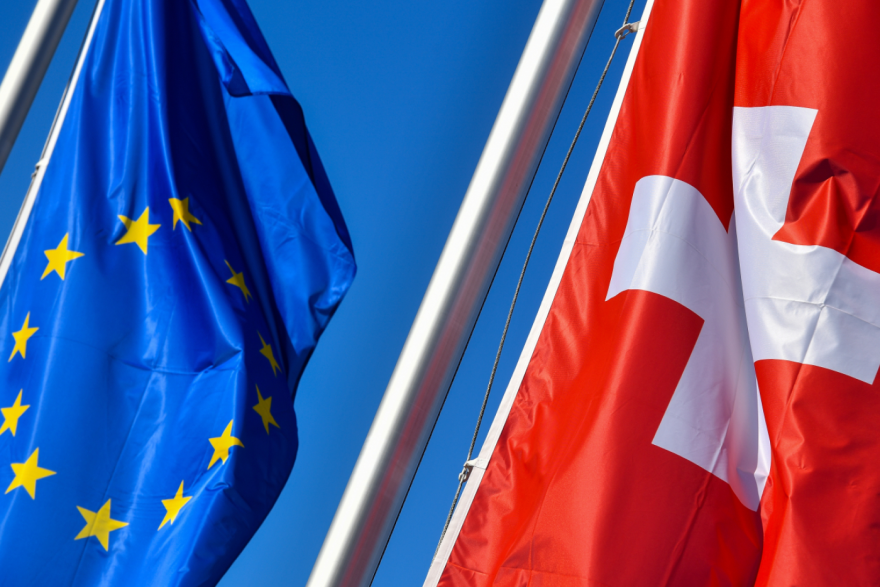
The European Union has rejected criticism from Switzerland over its newly approved steel import tariffs, stating that the measures comply with existing trade agreements and do not breach ongoing bilateral understandings.

The dispute escalated after Swiss Economics Minister Guy Parmelin described the EU’s stricter steel rules as “unacceptable” and expressed surprise at their timing, as Switzerland’s parliament continues reviewing a major bilateral agreement package with Brussels.

The European Commission responded that the joint declaration on stabilising Switzerland–EU relations only applies to the new cooperation package currently under negotiation. It clarified that steel trade falls under the 1972 free trade agreement and is therefore outside the scope of the recent political declaration.

The EU’s new steel policy includes reduced import quotas and doubled tariffs on excess volumes, aiming to protect its domestic steel industry. These rules are expected to take effect from July 1, with exceptions only for European Economic Area countries such as Norway, Iceland, and Liechtenstein.

European Commission emphasized that Switzerland is not part of the exemption list and that any future quota adjustments would need to be negotiated through international trade frameworks such as the World Trade Organization.

Swiss officials argue that the timing and scope of the measures could create political tension while the broader Switzerland–EU agreement package is still under parliamentary review. Despite disagreements, both sides have expressed interest in maintaining stable long-term relations.

Swiss President Criticises EU Steel Tariffs as Harmful

Swiss President Guy Parmelin has strongly criticised new steel tariffs approved by the European Union, calling the measures “counterproductive” and harmful to European supply chains.

Speaking to Swiss public broadcaster SRF, Parmelin said he had already warned European Commission President Ursula von der Leyen that the tariffs could become an “own goal” for Europe.

The EU plans to introduce stricter protections for its steel sector starting July 1, including a major reduction in duty-free steel import quotas. Swiss steel producers are expected to be affected by the changes despite Switzerland’s close economic integration with European manufacturing industries.

Parmelin argued that Switzerland plays a crucial role in European industrial supply chains, particularly in sectors such as aerospace and advanced manufacturing. He warned that restricting Swiss steel imports could negatively impact European companies that depend on Swiss materials and components.

The Swiss government and the European Commission are now expected to negotiate updated import quotas through the framework of the World Trade Organization.

The Swiss president also expressed frustration over new EU rules concerning unemployment benefits for cross-border workers. Under the proposed regulation, unemployed cross-border workers would receive benefits from the country where they last worked instead of their country of residence.

According to Switzerland’s State Secretariat for Economic Affairs (SECO), the change could cost Switzerland up to CHF900 million annually. Parmelin described the move as unhelpful and said he was surprised that the EU had raised several sensitive issues while Switzerland and the EU were still discussing broader agreements on bilateral relations.

At the same time, Switzerland’s trade discussions with the United States are also facing difficulties. Parmelin noted that uncertainty surrounding a recent US Supreme Court decision on presidential tariff powers has complicated negotiations between Bern and Washington.

Swiss officials are still awaiting a formal response from the US regarding Switzerland’s trade proposals. Analysts say the situation highlights the increasing pressure facing Switzerland as it navigates complex trade relationships with both the EU and the United States.

France Demands Switzerland Reform Cross-Border Jobless Benefits System

France is increasing pressure on Switzerland to reform unemployment benefit rules for cross-border workers following a new agreement between Switzerland and the European Union.

French Labour Minister Jean-Pierre Farandou urged Switzerland to accelerate implementation of the revised system, which would shift responsibility for unemployment payments to the country where a person works rather than where they live.

Under the current arrangement, France pays unemployment benefits to many French residents employed in Switzerland after they lose their jobs.

French officials argue that this system creates a major financial burden for neighbouring countries with large numbers of cross-border commuters.

Speaking before the French parliament, Farandou stated that France currently loses around €860 million annually under the existing rules.

He noted that a timetable for implementation has already been agreed with Luxembourg and stressed that Switzerland must also comply with agreements linked to the European Union.

The reform proposal follows nearly a decade of negotiations between EU member states and aims to modernise rules affecting thousands of cross-border workers across Europe.

However, Swiss authorities have raised concerns about the financial impact of the changes.

According to estimates from the State Secretariat for Economic Affairs (SECO), Switzerland could face additional annual costs ranging between CHF600 million and CHF900 million if the new rules are implemented.

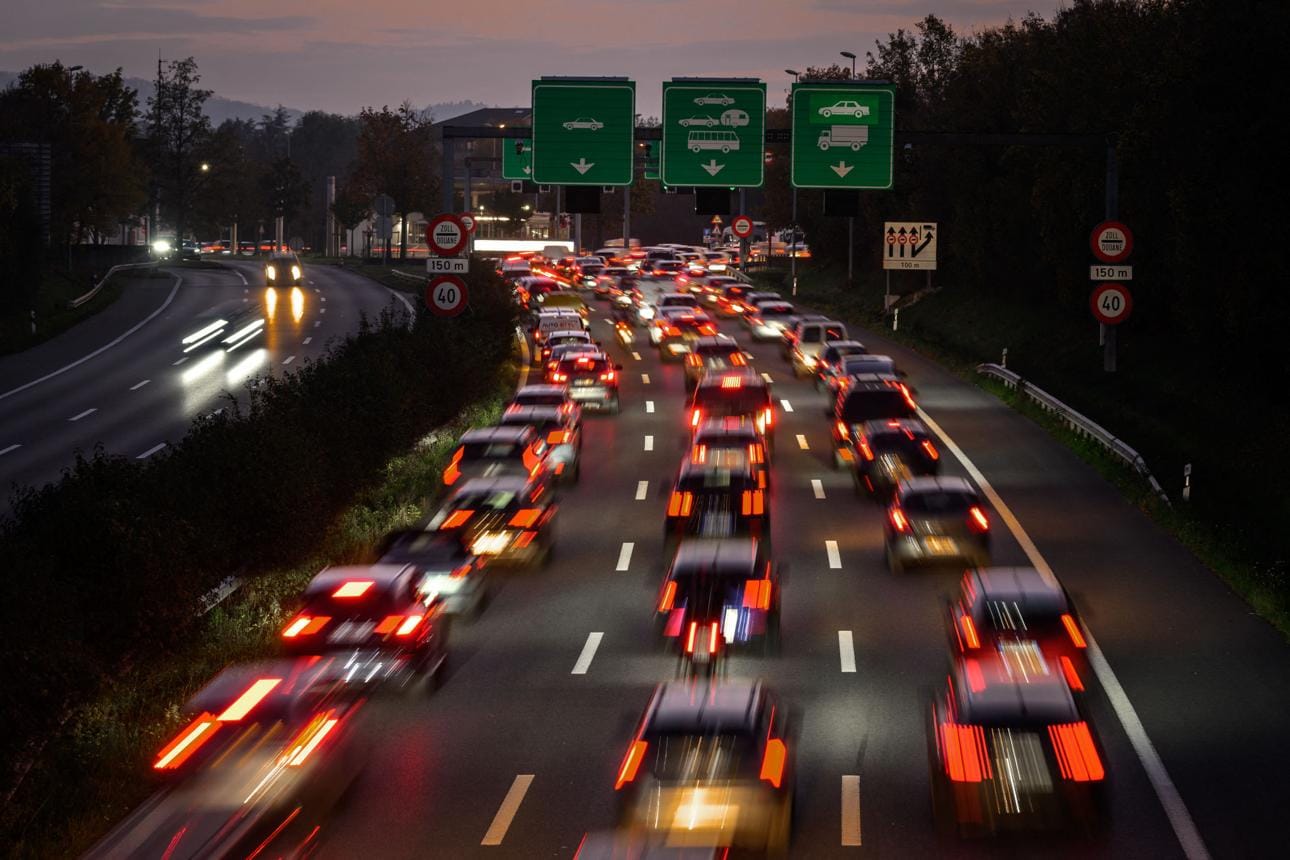
The issue is particularly significant for border regions where many residents commute daily between France and Switzerland for work.

Analysts say the debate could become an important topic in future Switzerland-EU relations and labour market negotiations.

The proposed reform highlights the growing economic and political challenges surrounding cross-border employment in Europe as governments seek fairer distribution of social welfare costs.

Cassis Says EU Agreements Are a Strategic Necessity for Switzerland.

Ignazio Cassis has described Switzerland’s relationship with the European Union as a “strategic necessity,” emphasizing the importance of a stable and structured partnership with the EU.

He made the remarks during the general assembly of European Movement Switzerland, where he served as guest of honour on Saturday.

In his speech, Cassis stated that Switzerland’s relationship with the EU goes far beyond technical negotiations and institutional frameworks, calling it a key strategic issue for the country’s future.

He highlighted that Switzerland and its European neighbours are closely connected in areas such as security, economic prosperity, innovation, rule of law, and institutional stability.

Cassis also referred to the recently negotiated package of agreements with Brussels, explaining that it involves mutual concessions from both sides.

He warned that long-term stability in relations with the EU is not guaranteed automatically but must be actively maintained through continuous cooperation.

According to the foreign minister, stable relations with the EU are the result of joint effort and shared responsibility between Switzerland and its European partners.

The speech reflects ongoing Swiss political debate about how the country should manage its relationship with the EU while maintaining sovereignty and economic competitiveness.

Observers say the comments underline the importance Switzerland places on maintaining strong ties with Europe amid global geopolitical and economic uncertainty.

EU Jobless Reform Could Cost Switzerland Up to CHF 900 Million

A proposed reform by the European Union on unemployment insurance rules for cross-border workers could significantly increase costs for Switzerland, according to estimates from the State Secretariat for Economic Affairs.

The Swiss government agency warned that the planned changes could result in additional annual expenses ranging between CHF 600 million and CHF 900 million (approximately $771 million to CHF 1.1 billion).

The reform, currently being discussed within the European Union, aims to change the system for paying unemployment benefits for cross-border workers.

Under the new proposal, responsibility for unemployment payments would shift from the worker’s country of residence to the country where the individual last worked before becoming unemployed.

SECO published the cost estimates on its official website, following earlier reporting by the Swiss newspaper Neue Zürcher Zeitung.

However, Swiss authorities stressed that the figures remain highly uncertain due to limited data on unemployed cross-border workers.

Officials stated that a more accurate financial assessment will only be possible once the final version of the EU regulation is approved.

Before implementation, the proposal must be accepted by both the EU Council and the European Parliament. An EU diplomat reportedly expressed confidence that the reform is likely to pass.

The issue is particularly important for Switzerland due to its large number of cross-border workers from neighboring EU countries, especially in regions such as Geneva, Basel, and Ticino.

Experts warn that any change in benefit responsibility could place additional pressure on Switzerland’s unemployment insurance system and federal budget.