

Switzerland PFAS Food Rule Sparks Debate.

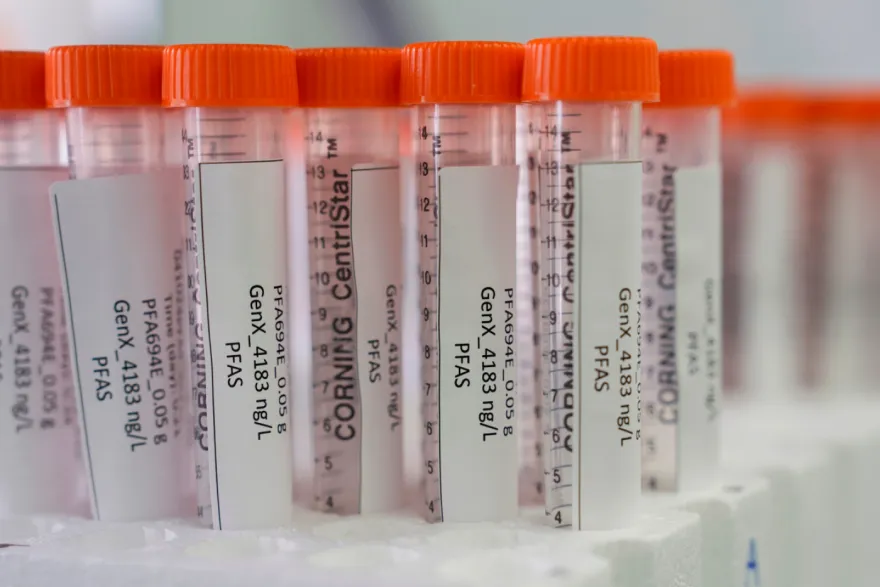
The Swiss government proposes a temporary rule that allows food producers to blend animal products containing higher levels of PFAS, known as “forever chemicals,” into final food items as long as the end product stays within safety limits.

The Federal Council opens a public consultation and invites stakeholders to comment on the proposal until September 18. The measure aims to support farmers who need more time to meet strict PFAS contamination standards.

PFAS chemicals are found in multiple regions of Switzerland and can enter the food chain through contaminated soil and water. These substances have been linked to potential health risks, leading Switzerland to enforce maximum PFAS limits for meat, fish, and eggs since 2024.

Under the proposed three-year transition plan, consumers will receive clear information if food products include blended ingredients that exceed PFAS limits before processing. The government also considers financial support for affected farms facing contamination challenges.

Parliament urges the Federal Council to protect farmers’ livelihoods while ensuring food safety. A separate special law to support contaminated farms is expected to go into consultation in March 2027.

French Report Finds Failures in Infant Formula Recall Crisis Involving Nestlé.

A French parliamentary report has highlighted major shortcomings in the handling of a large-scale infant formula recall crisis involving multiple food manufacturers, including Switzerland-based companies.

The report states that both the government and manufacturers failed to respond quickly and effectively when the scandal emerged in December 2025. Concerns were raised after contaminated infant formula products were recalled across around 60 countries due to possible traces of cereulide, a toxin that can cause severe vomiting in newborns.

The crisis initially began when Nestlé recalled several batches of infant formula, before spreading to other major producers such as Danone, Lactalis, and smaller European firms including Hochdorf and Vitagermine.

Investigators found that many of the affected products shared a common ingredient—an oil rich in arachidonic acid (ARA)—supplied by a single Chinese supplier, which linked multiple recalls across the industry.

Families and consumer groups criticized manufacturers for delayed action and questioned the reliance on voluntary industry reporting mechanisms instead of stronger government intervention.

The parliamentary report concluded that the crisis exposed significant weaknesses in food safety oversight and crisis management systems in both France and the wider European supply chain.

It urged authorities and manufacturers to strengthen monitoring systems and improve rapid response mechanisms to prevent similar incidents in the future.

Switzerland Issues High Alert Over African Swine Fever Risk

The Swiss government has issued a high-risk warning over the possible spread of African Swine Fever (ASF) into Switzerland. The alert was released by the Federal Food Safety and Veterinary Office (FSVO), which warned that the virus could reach the country at any time.

Although Switzerland has not yet recorded any ASF cases, authorities say the threat level has increased following a recent resurgence of infections in neighboring European countries, particularly Italy and Germany. Officials fear the disease could severely damage Switzerland’s pork industry and agricultural economy if it crosses the border.

African Swine Fever is a highly contagious viral disease that affects pigs and wild boars. While the virus does not pose a danger to humans, it can spread rapidly among animals and often results in large-scale livestock losses. Authorities warn that the virus can survive for long periods in meat products, animal carcasses, soil, and contaminated equipment.

The FSVO has strongly advised travelers not to bring pork or wild boar meat products into Switzerland from affected regions. Hunters returning from foreign hunting trips have also been instructed to thoroughly clean and disinfect their clothing, footwear, equipment, and vehicles before re-entering the country.

Swiss officials believe human activity is one of the biggest risks for transmission. A small amount of contaminated food waste or improperly cleaned hunting gear could potentially introduce the virus into local wild boar populations or domestic pig farms.

The government’s national monitoring program is currently conducting early detection testing across the country. Authorities confirmed that all recently tested wild boars have so far returned negative results for ASF. However, officials stress that continued vigilance is essential as the virus continues spreading in several European regions.

Recent setbacks in Germany and increasing cases in Spain have intensified concerns across Europe. Swiss authorities say the situation demonstrates how quickly ASF can return even after periods of apparent control.

Farmers and animal owners are now being urged to immediately report any unusual symptoms in pigs to veterinarians. The Swiss government says rapid reporting, strict hygiene measures, and border precautions are critical to preventing a national outbreak.