
Swiss Restaurant Industry Faces Mixed Financial Pressure in 2025
The restaurant and gastronomy sector in Switzerland is currently experiencing a mixed and challenging business environment. While some restaurants continue to perform well, many smaller establishments are struggling to maintain profitability due to rising operational costs and changing customer behaviour.
According to industry data from GastroSuisse and KOF, restaurant revenues in early 2025 show a decline compared to the previous year, highlighting ongoing pressure across the sector.
Rising operational costs impact profitability
One of the main challenges for Swiss restaurants is the continuous increase in operating expenses. Costs for rent, employee salaries, insurance, electricity, and raw materials have all risen significantly. As a result, profit margins have become tighter, especially for small and medium-sized businesses.
Changing customer behaviour
Consumer habits have also shifted. Many people are dining out less frequently or choosing more affordable options. This trend has directly affected mid-range and fine dining restaurants, particularly in urban areas where competition and costs are high.
Restaurant closures in high-cost areas
Some restaurants have been forced to close, especially in city locations with high rental prices. Fine dining establishments are also facing increased financial pressure due to higher operational requirements and reduced customer spending.
Opportunities still exist in the market
Despite the challenges, opportunities remain for well-planned businesses. Restaurants that succeed often focus on:
- Prime location selection
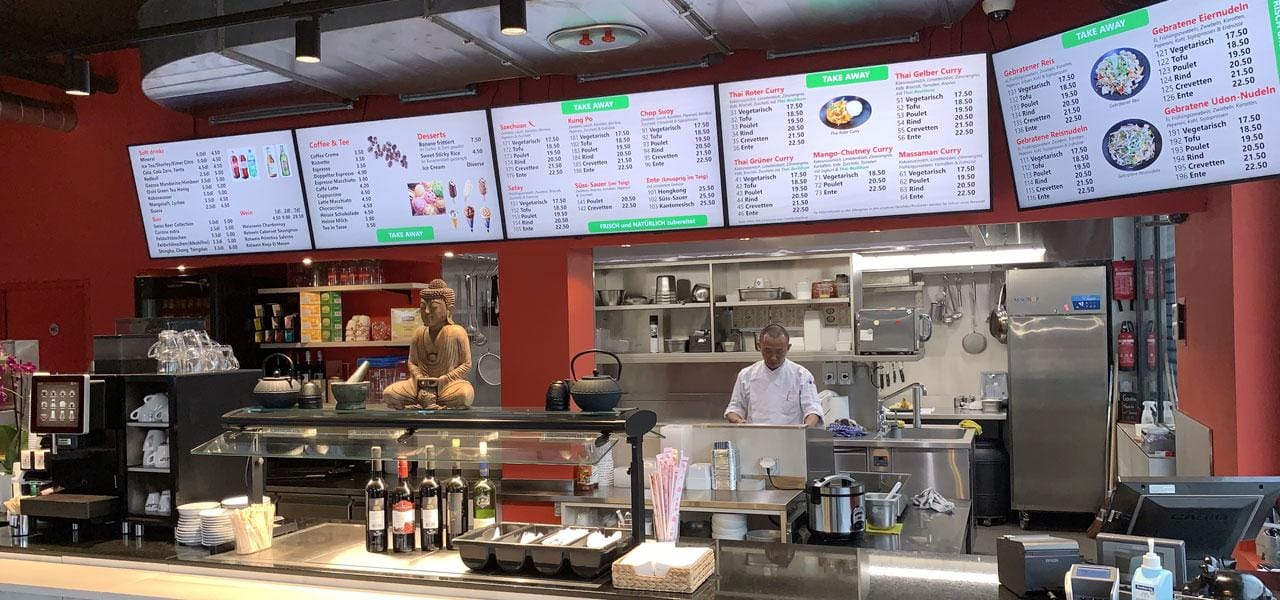
- Efficient and affordable menu concepts (such as Asian, Indian, or takeaway models)
- Strict cost management
- Active involvement of the owner in daily operations
These factors help certain restaurants remain profitable even in a competitive environment.Overall, the Swiss gastronomy sector does not offer easy profits at the moment. Success depends heavily on management efficiency, location choice, and customer targeting. New investors are advised to carefully evaluate rent, competition, and customer demographics before starting a restaurant business in Switzerland.