Middle East Conflict and Oil Prices Threaten Swiss Economic Growth

The ongoing Middle East conflict is likely to slow down Switzerland’s economic growth while increasing inflation, according to new projections from UBS economists.

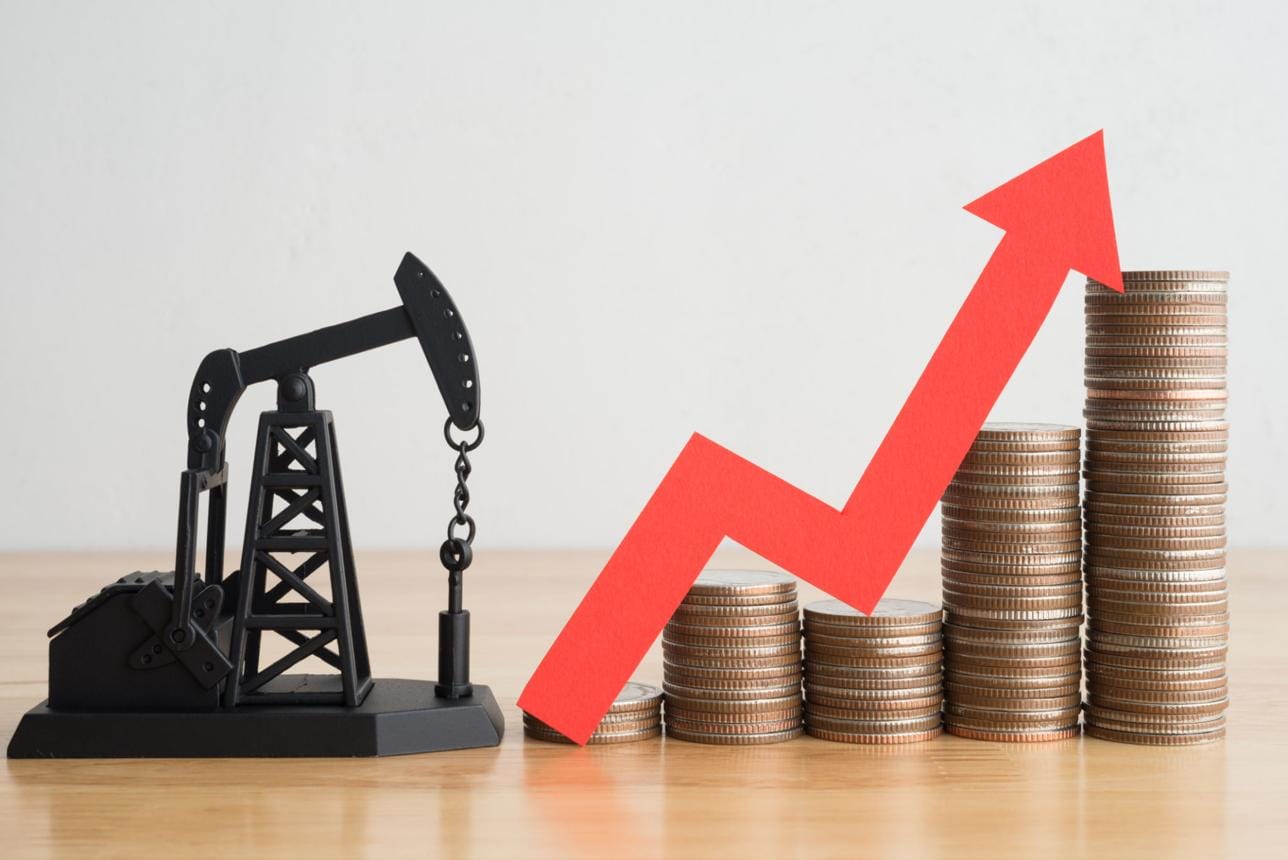
Analysts Alessandro Bee and Matteo Mosimann warn that if tensions between the United States and Iran continue, oil prices could rise above $150 per barrel. Such a surge would significantly increase global energy costs and raise fears of a broader economic slowdown.

The report highlights that higher fuel prices are already impacting Swiss households. Increased costs for petrol and heating oil are currently costing consumers around CHF 170 million per month, although this still represents less than 0.5% of total household spending.

Despite rising prices, consumer confidence has weakened. UBS noted that morale dropped in March and April to its lowest level in nearly two and a half years. However, industrial sentiment has remained relatively stable, showing limited immediate impact on production activity.

Economists expect some stabilization if geopolitical tensions ease in the coming months, with global oil supply likely to normalize in the second half of the year. However, they still caution that the Swiss economy will face pressure even under improved conditions.

UBS has revised its growth outlook downward. For 2026, Swiss GDP is now expected to grow by just 0.7%, compared with earlier forecasts of 0.9%. In 2027, growth is projected at 1.4%, slightly below previous estimates.

Despite the slowdown, economists believe Switzerland could benefit indirectly from fiscal stimulus measures in Europe, including Germany’s tax package, which may support confidence and economic activity in the longer term.

Overall, the outlook suggests moderate but manageable economic pressure rather than a severe downturn.
ILO Warns of 14 Million Job Loss Risk

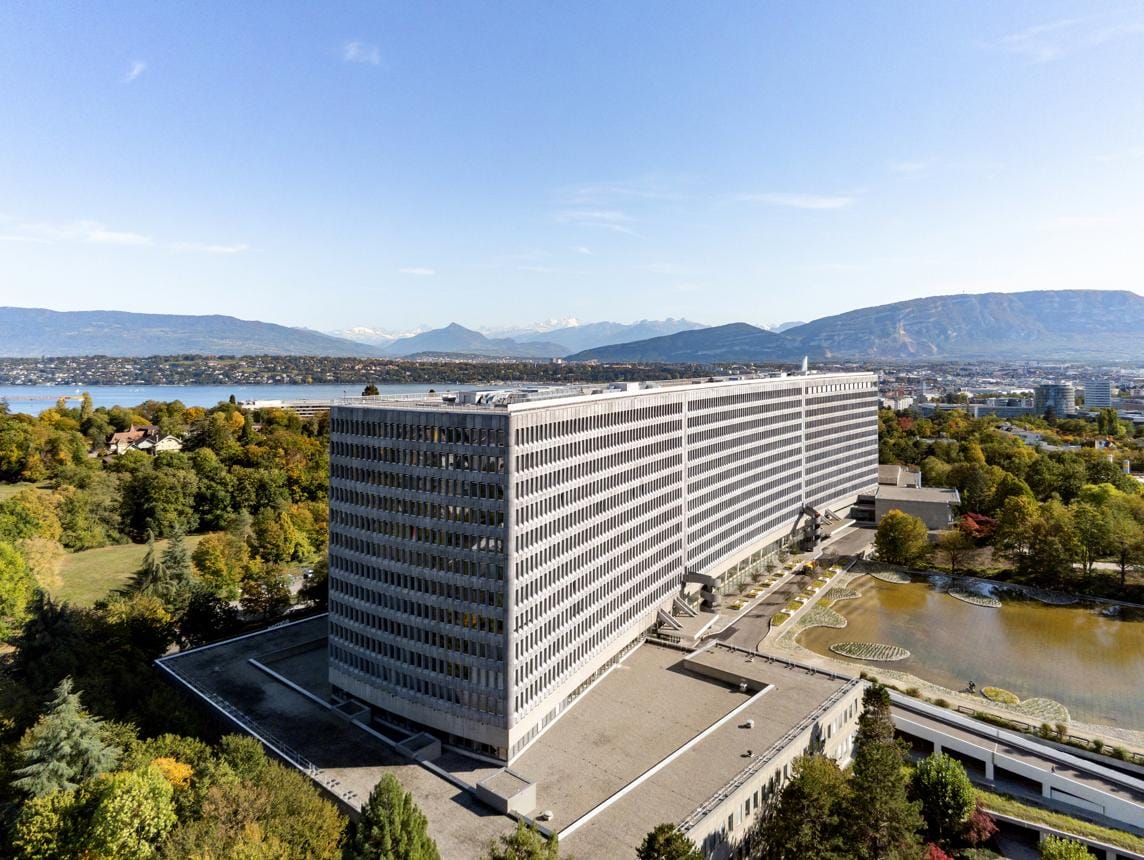
The International Labour Organization (ILO), based in Geneva, has warned that an escalating crisis in the Middle East could lead to severe global job losses if oil prices continue to surge.

According to a new report published on Monday, the organization estimates that up to 14 million full-time equivalent jobs could be lost this year if the price of oil rises by 50% above early-year averages. By 2027, this number could increase dramatically to around 38 million jobs worldwide.

The ILO report highlights that global working hours may fall by 0.5% this year and by 1.1% next year, reflecting a broader slowdown in economic activity linked to energy price shocks and geopolitical instability.

Real labour income is also expected to decline significantly. The report projects losses of 1.1% this year and up to 3% next year, representing an estimated global income reduction of $1.1 trillion and $3 trillion respectively.

Unemployment rates are also expected to rise modestly but steadily, increasing by 0.1 percentage points this year and 0.5 percentage points in the following year.

The report notes that regions such as Arab states and Asia-Pacific economies are likely to be the most heavily affected due to their strong economic ties to Gulf oil markets and energy supply chains.

In the most severe scenario, working hours in Arab countries could drop by more than 10%, a level of disruption described by ILO economists as significantly worse than the early impact of the COVID-19 pandemic.

ILO Chief Economist Sangheon Lee described the situation as a “slow and potentially long shock,” warning that the effects could persist if geopolitical tensions and energy instability continue.

The findings highlight growing concerns about how regional conflicts can trigger global economic ripple effects, particularly through energy prices, inflation, and labour market instability.

Switzerland Fuel Prices Drop Slightly as Oil Market Eases

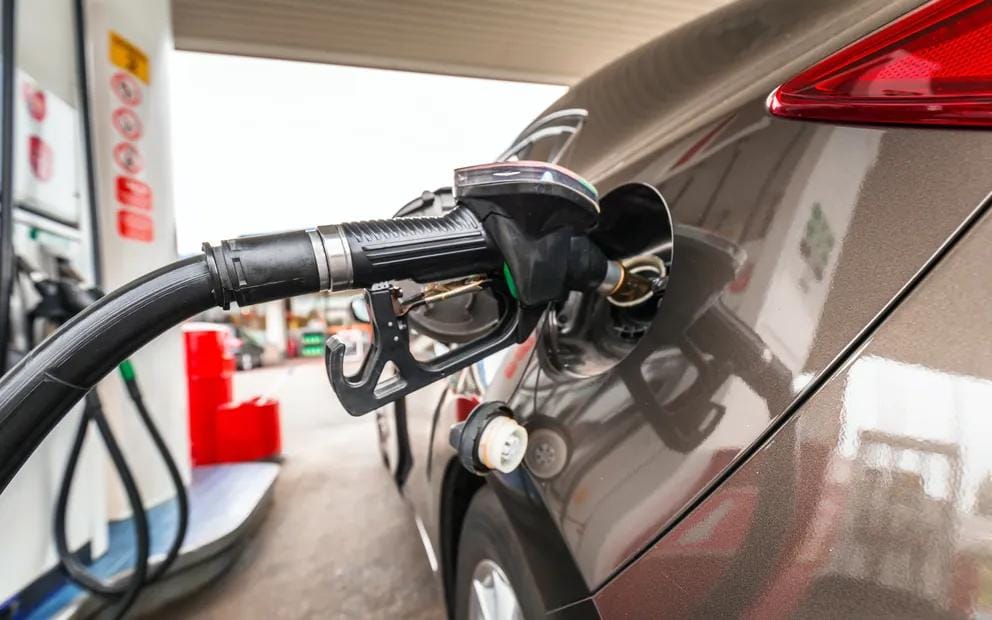
Fuel prices in Switzerland have fallen slightly in recent days, offering limited relief to motorists after months of elevated energy costs.

According to the Touring Club Switzerland (TCS), the average national fuel prices during the week stood at CHF1.89 per litre for unleaded 95 petrol, CHF2.00 for unleaded 98, and CHF2.14 for diesel.

Compared with the end of April, petrol prices have dropped by CHF0.01, while diesel prices declined by CHF0.03 per litre. Despite the decrease, fuel remains significantly more expensive than before the escalation of tensions in the Middle East earlier this year.

Before the regional conflict intensified, fuel prices at the end of February averaged CHF1.

67 for unleaded 95, CHF1.78 for unleaded 98, and CHF1.79 for diesel. Current prices therefore remain roughly 13% higher for petrol and more than 20% higher for diesel.

The TCS says stronger industrial demand has contributed to the sharper increase in diesel prices compared with petrol.

Global oil prices have also eased slightly. A barrel of Brent crude traded at just under $108 this week, down around $10 from late April levels.

Oil markets had surged earlier after concerns over conflict in the Middle East and fears surrounding possible disruptions to the strategically important Strait of Hormuz shipping route.

The TCS noted that actual fuel prices can vary across Swiss regions and petrol stations, as its published figures are based on estimates and market sampling.

Although prices have softened slightly, Swiss consumers continue to face elevated transport and energy costs compared to earlier in the year.

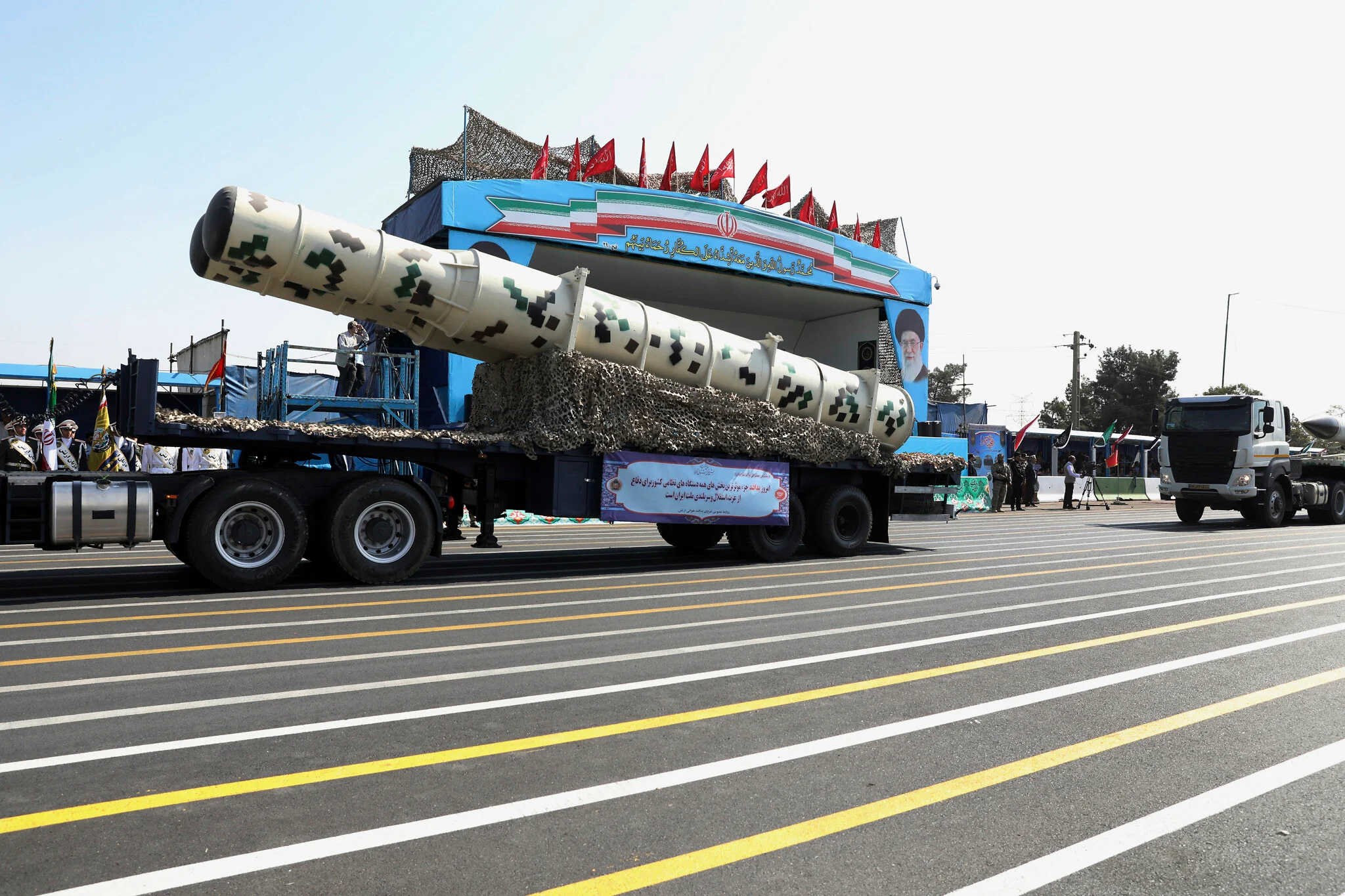
Iran Warns of “Fire Rain” as US Allegedly Plans Secret Ground Attack.

Iran Accuses US of Secret Military Plot

Iran’s Parliament Speaker, Mohammad Bagher Ghalibaf, has accused the United States of secretly preparing a ground attack while publicly signaling willingness for diplomatic talks. The statement has intensified already rising tensions between the two nations.

Contradictory Signals Raise Concerns

According to Iran’s official news agency, the United States has presented a 15-point proposal aimed at negotiations. However, Iranian officials believe this move is a strategic attempt to achieve through diplomacy what it failed to accomplish in conflict. As a result, trust between both sides continues to weaken.

Iran Signals Strong Military Readiness

Ghalibaf emphasized that Iranian forces remain fully prepared for any potential ground invasion. He warned that if US troops attempt to enter Iranian territory, they will face a severe and immediate military response. Iran has clearly stated that it will not tolerate any form of humiliation or aggression.

Rising Tensions in the Middle East

Meanwhile, geopolitical analysts warn that escalating rhetoric could further destabilize the Middle East. The situation reflects growing uncertainty in global security, especially as both nations maintain strong military capabilities and strategic influence in the region.

Iran Claims Dubai Strike, Ukraine Firmly Denies Attack.

Iranian media recently reported that a Ukrainian air defense warehouse in Dubai was destroyed in a targeted strike. The claim quickly gained attention as it suggested a direct escalation involving Ukraine in the Middle East.

However, Ukraine strongly rejected the allegation. Ukrainian Foreign Ministry spokesperson Heorhii Tykhyi dismissed the report and called it false information. He stated that Iran continues to spread misleading narratives and compared its actions to similar tactics used by Russia.

According to Tykhyi, Ukraine has no such military infrastructure in Dubai, and no attack of this nature has occurred. He emphasized that Ukraine officially denies the claim and warned against believing unverified reports circulating online.

IRGC Statement Raises Regional Concerns

The claim originated from Iran’s Islamic Revolutionary Guard Corps (IRGC), specifically the Khatam al-Anbiya headquarters. The group stated that it targeted locations allegedly linked to U.S. military personnel and accused Ukraine of supporting American operations in the region.

Iranian sources claimed that a drone defense storage facility operated by Ukraine in Dubai was destroyed during the operation. This statement raised serious concerns about potential regional escalation and geopolitical tensions.

Zelensky’s UAE Visit Adds Strategic Context

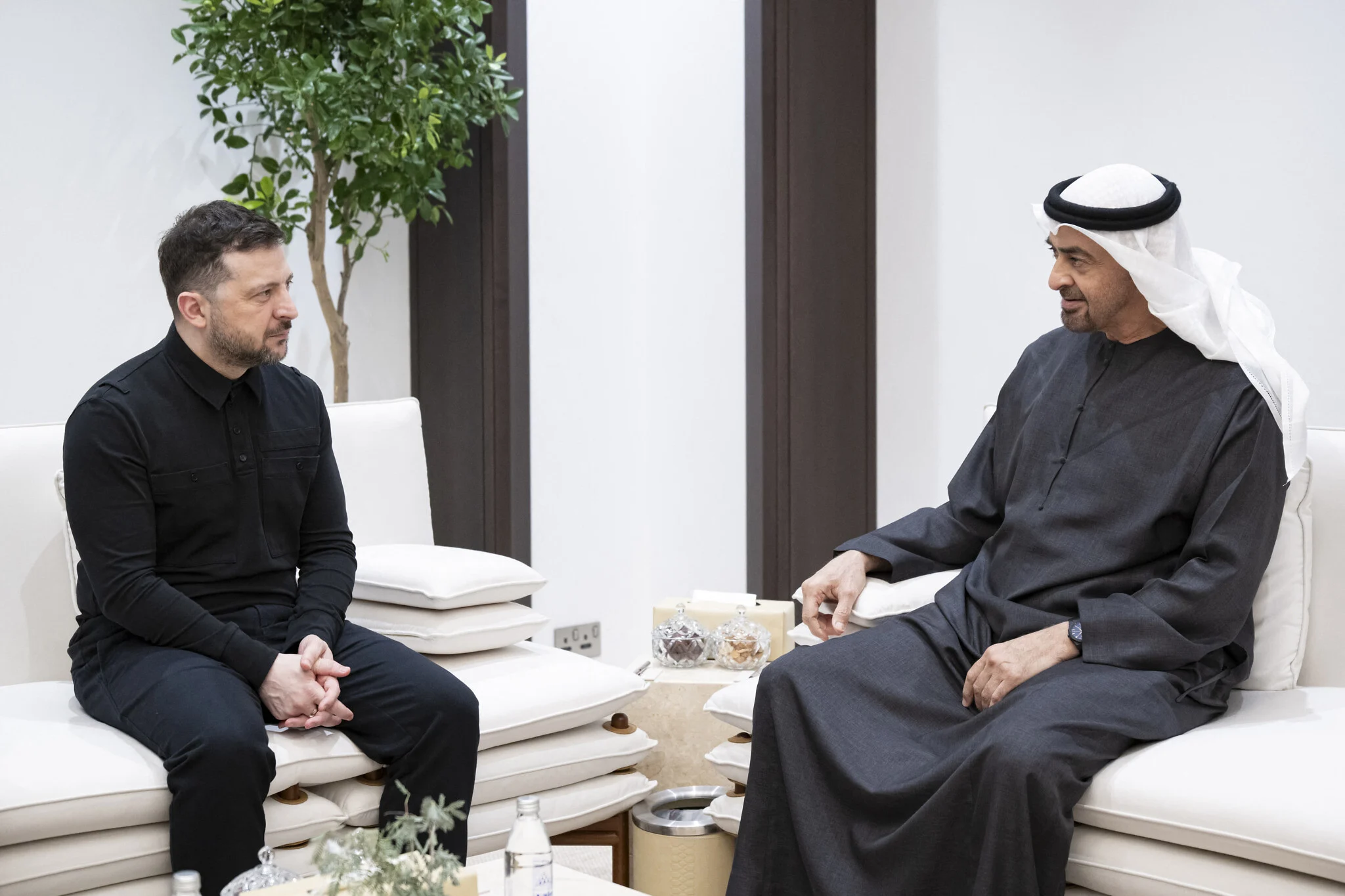
At the same time, Ukrainian President Volodymyr Zelenskyy was visiting the United Arab Emirates. During his visit, he focused on strengthening security cooperation and building stronger diplomatic ties with Gulf nations.

The timing of Iran’s claim has drawn attention, as analysts believe it could influence regional narratives and diplomatic engagements. Despite the controversy, Ukraine continues to prioritize international partnerships and stability.

Rising Tensions in Global Politics

This situation highlights growing tensions in the Middle East and the broader international arena. Conflicting claims, misinformation, and strategic messaging continue to shape global political discourse.

Experts warn that such narratives could increase uncertainty and escalate diplomatic tensions if not addressed with verified information and transparency.