Switzerland Protects National Language Learning.

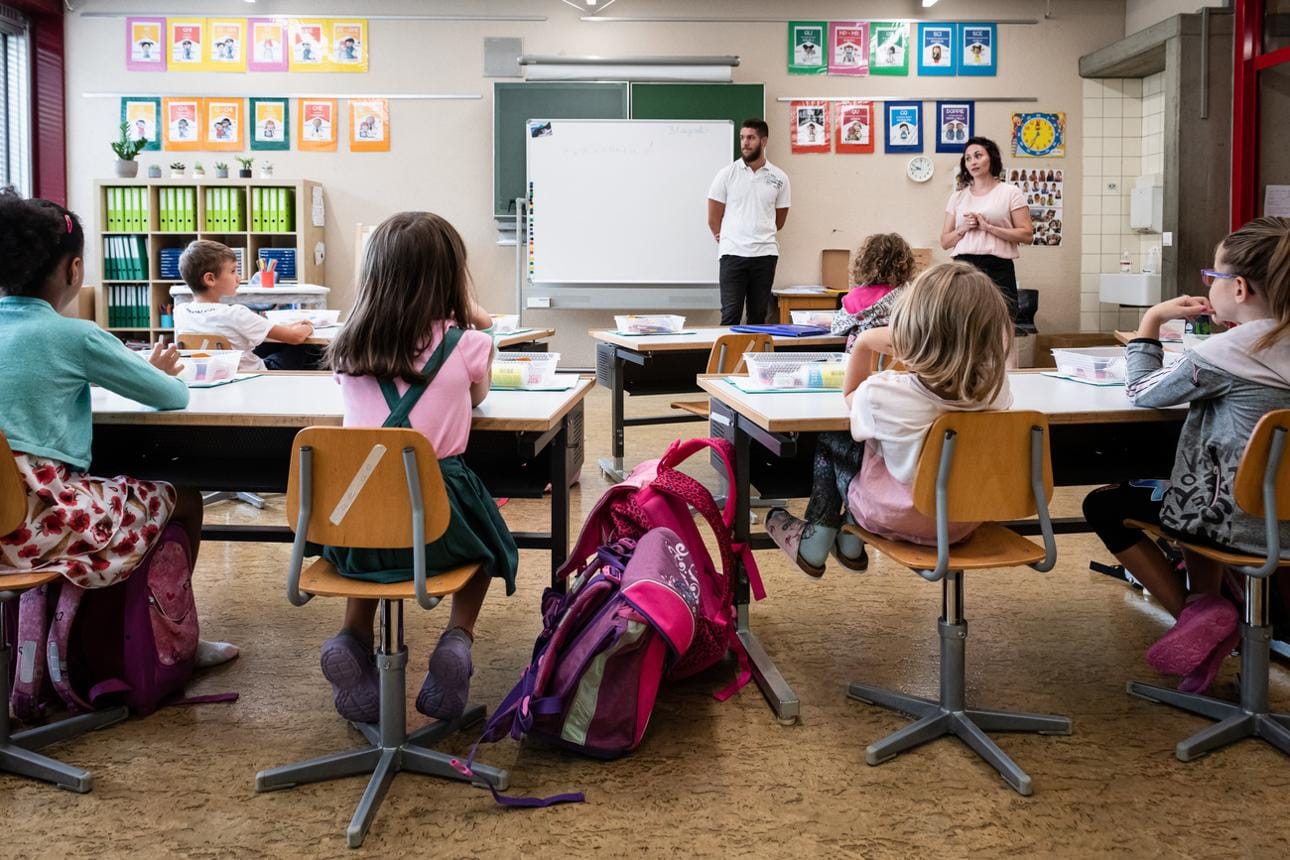
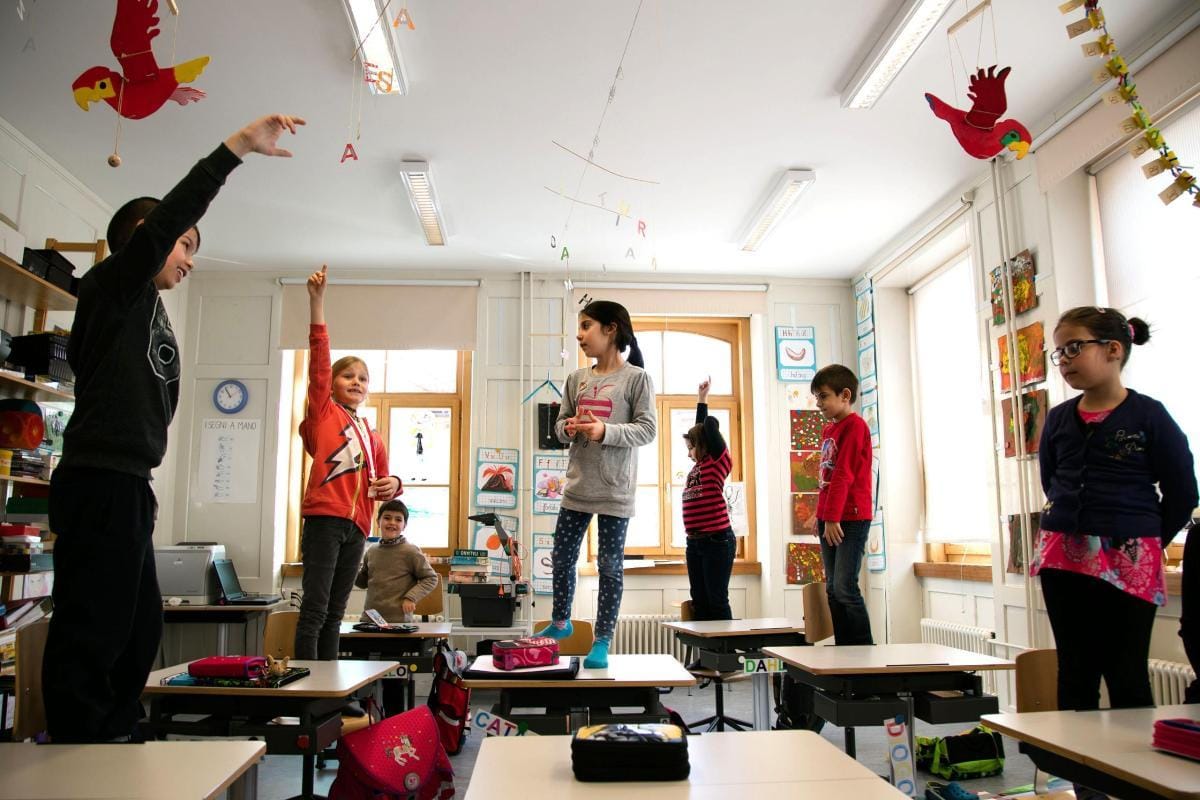
The Swiss government wants to ensure that all primary school pupils continue learning a second national language as part of compulsory education. The move comes in response to proposals in some German-speaking cantons to reduce or remove early French lessons from school timetables.

On Friday, the government launched a public consultation on amendments to the Language Act. The proposed changes would give federal authorities the power to enforce the teaching of a second national language if necessary.

According to the government, maintaining national language education is essential for Switzerland’s unity and cultural identity. Officials emphasized that the status of national languages in compulsory education is a matter of national importance.

Two options have been presented during the consultation process. The first option would require all primary school pupils to study two foreign languages: a second national language and English. This model follows the Harmos Agreement, which has already been adopted by 15 of Switzerland’s 26 cantons.

The second option offers greater flexibility to cantons. Under this proposal, pupils would still be required to learn a second national language, but it could be taught at any stage from primary school through the end of compulsory education.

The debate has intensified following discussions in parts of German-speaking Switzerland about reducing the role of French in primary education. Supporters of national language teaching argue that learning French, German, Italian, or Romansh helps strengthen national cohesion and mutual understanding between linguistic regions.

Education experts also point out that multilingualism remains one of Switzerland’s defining characteristics and a key advantage for future generations in an increasingly interconnected world.

The consultation period will remain open until October 5, after which the government will evaluate feedback before deciding on the next steps.

If approved, the legislative changes would reinforce Switzerland’s commitment to multilingual education and help preserve the country’s unique linguistic diversity for future generations.

St Gallen Approves Headscarf Ban for Female Teachers

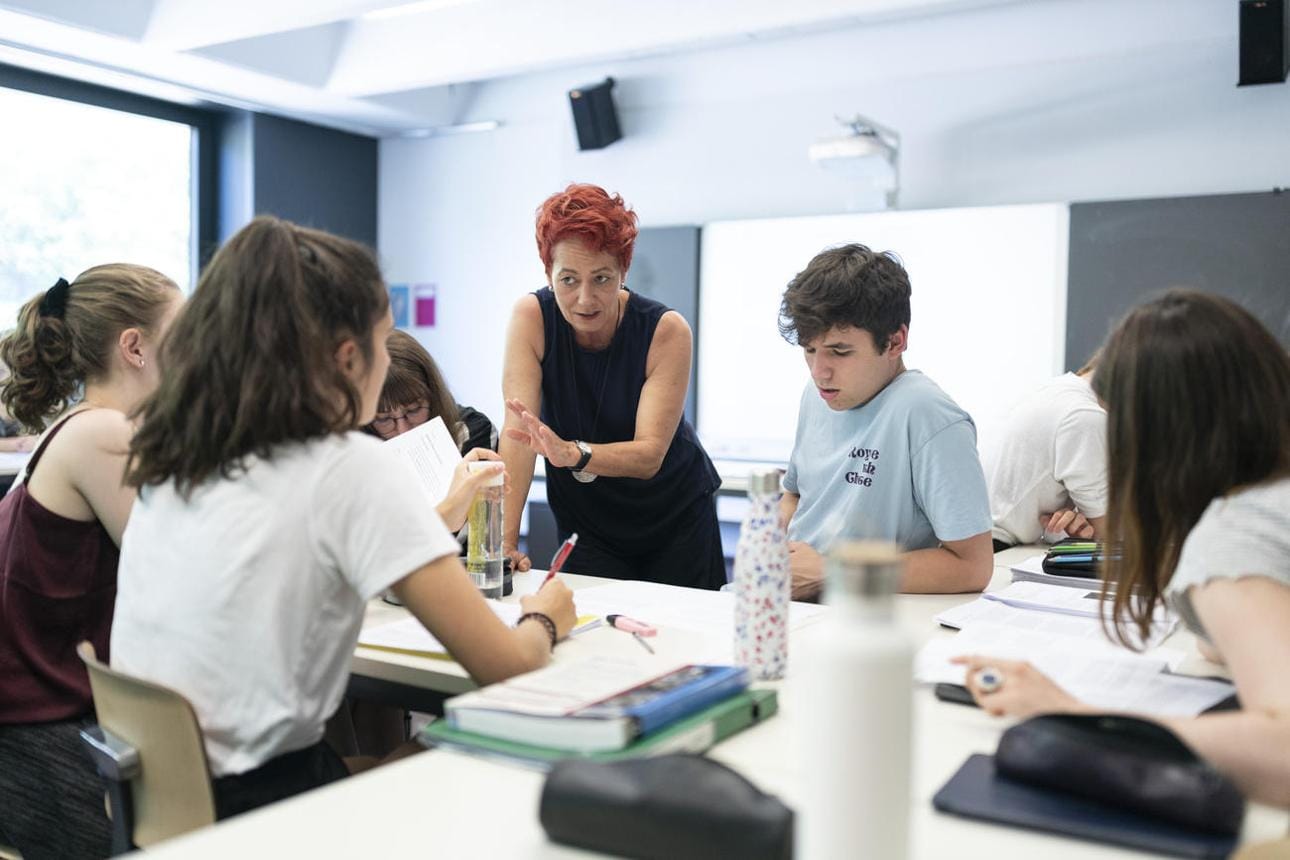
The Swiss canton of St Gallen has taken a significant step toward introducing a ban on headscarves for female teachers in public schools. The cantonal council approved a cross-party motion that will lead to new regulations regarding the wearing of headscarves by teaching staff.

The debate began following a controversial case in the municipality of Eschenbach. During the summer of 2025, several parents objected to the hiring of a young teacher who wished to teach while wearing a headscarf.

The issue sparked public discussion and raised questions about the role of religious symbols in educational institutions. Following the objections, the local school ultimately decided not to employ the teacher.

The incident quickly attracted political attention across the canton. Soon after, members from all four parliamentary groups in the St Gallen cantonal council jointly submitted a motion seeking legal clarification and a clear policy on the matter.

After extensive discussions, the cantonal council approved the proposal, paving the way for a ban on headscarves for female teachers in public schools. Supporters argue that the measure will help maintain religious neutrality within educational settings and provide clear guidelines for schools.

The decision has also generated debate among legal experts, education professionals, and community groups. Critics question whether such restrictions are compatible with individual religious freedoms and equal employment opportunities.

The approved motion marks an important development in Switzerland’s ongoing discussions surrounding religious symbols in public institutions. Further legal and administrative steps are expected before the policy is fully implemented across the canton.

As the issue continues to attract national attention, the St Gallen decision is likely to influence future debates on education policy, religious expression, and public service regulations in Switzerland.

Digital Skills in Switzerland Show Strong Access but Clear Inequalities.

Switzerland continues to perform strongly in digital development, but a new report from the Federal Statistical Office (FSO) highlights significant gaps in digital skills across different population groups.

Overall, Switzerland ranks above the EU average in internet access, online services, and digital abilities. Nearly all households—about 99%—have internet access, and most people use the internet daily. However, the report confirms that access alone does not guarantee equal digital participation.

Older adults, people with lower levels of education, and individuals in lower-skilled occupations face the greatest challenges. While more than three-quarters of people aged 16 to 74 have basic digital skills, this figure drops sharply among those over 60 and those without post-compulsory education.

The gap becomes more visible in the use of digital services. Around 81% of residents use e-banking, but only 62% of people over 60 do so. The difference is even more striking in artificial intelligence usage, where 75% of young people aged 15–29 use AI tools compared to just 15% of older adults.

Gender differences also remain. Men use generative AI more often than women, while higher education levels strongly correlate with better digital skills.

The FSO warns that digital inclusion must improve so that all citizens can fully participate in modern society, especially as services increasingly move online.

Swiss Parliament Approves Funding for EU Research Programmes.

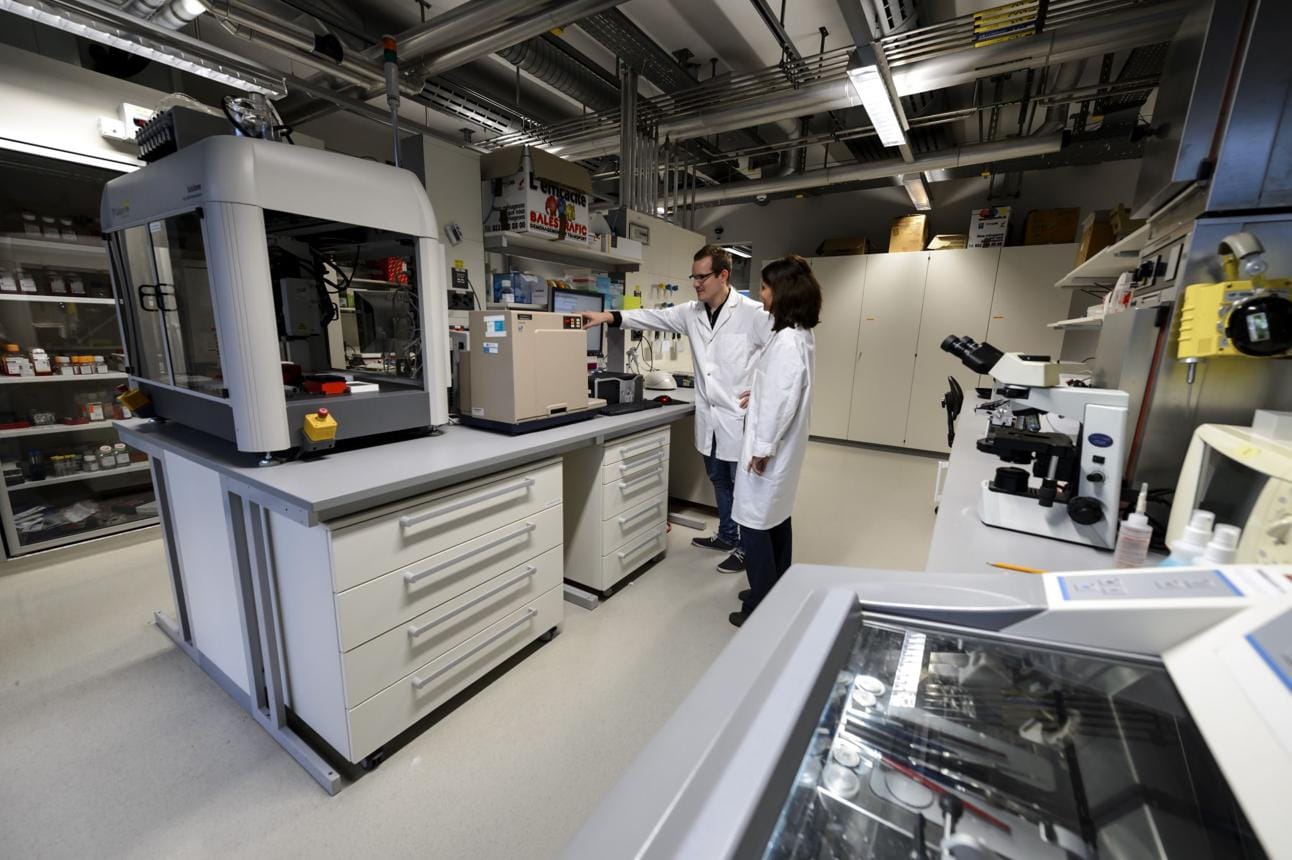
Switzerland has taken another important step in strengthening its position in international research and innovation. The Swiss Parliament approved CHF58.3 million in funding for European Union research programmes as part of a supplementary 2026 budget package worth nearly CHF90 million.

The funding will support Switzerland’s participation in major European research initiatives, including Horizon Europe and Euratom. Lawmakers emphasized that maintaining access to these programmes is crucial for Swiss universities, researchers, scientists, and technology companies that rely on international collaboration and advanced research networks.

Parliament reduced the government’s original request of CHF67.3 million by removing a reserve fund that was no longer necessary. Despite the reduction, the approved funding ensures Switzerland can continue contributing to and benefiting from some of the world’s largest research and innovation projects.

Supporters of the measure argued that Switzerland must remain connected to global scientific developments and avoid another period of exclusion from key European research platforms. They stressed that research cooperation plays a vital role in driving innovation, economic growth, technological advancement, and international competitiveness.

The budget supplement also includes additional funding for the European Space Agency, Swiss rail cargo services, and transportation infrastructure projects. The decision highlights Switzerland’s continued commitment to science, technology, and international research partnerships.

Swiss Research Calls for Strong Action on AI and Digital Transformation Across Society

Swiss researchers are urging policymakers, businesses, and society to work together to manage the rapid rise of digital technologies and artificial intelligence (AI), according to findings from a major national research programme.

Digital Transformation Requires Coordination

The Swiss National Science Foundation (SNSF) emphasizes that Switzerland can only fully benefit from digital transformation if all sectors—government, industry, and society—coordinate their efforts. Without collaboration, both opportunities and risks linked to AI could increase significantly.

Large-Scale National Research Programme

The findings come from the National Research Programme “Digital Transformation” (NRP 77), which was commissioned by the Swiss government. Over five years, researchers completed 46 separate projects with a total budget of CHF 30 million.

Key Finding: Technology Alone Is Not the Deciding Factor

Researchers concluded that the impact of AI and digital tools is not determined by the technology itself, but by how people choose to use it. This highlights the importance of policy, education, and training in shaping outcomes.

Challenges in Education

One of the major findings shows that digital tools are often underused in Swiss schools. The main reasons include a lack of structured implementation strategies and insufficient training for teachers.

Labour Market Skills Gap

The report also warns that companies must invest more consistently in employee digital skills. Without continuous upskilling, workers may struggle to adapt to AI-driven changes in the labour market.

Media and Democracy Concerns

Researchers further stress the importance of maintaining a strong and independent media landscape. They argue that digital transformation can only support democracy if reliable information systems are protected.

Conclusion

The study highlights that AI and digital transformation are not just technological issues but societal challenges. Switzerland is encouraged to strengthen education, workforce training, and media independence to fully benefit from the digital future.

Swiss Primary Pupils Show Strong Academic Performance.

A new nationwide education assessment shows that the majority of primary school pupils in Switzerland are performing well in mathematics and language skills during the early years of schooling.

The study, published by the Swiss Conference of Cantonal Ministers of Education, evaluated around 20,000 pupils in 2024 who were in the fourth year of HarmoS schooling, equivalent to the second grade of primary school.

According to the results, 87% of pupils achieved the expected national standards in oral comprehension, while 79% met reading comprehension goals and 76% reached the required level in mathematics.

Christophe Darbellay, president of the education ministers’ conference, described the findings as a positive sign for Switzerland’s long-term education reforms.

He stated that the core purpose of school education remains teaching children how to read, write, and calculate effectively.

The assessment also revealed that there are no major performance differences between Swiss cantons, highlighting the success of efforts to harmonise education standards across the country over the past two decades.

However, the report also identified significant inequalities linked to social background. Pupils from disadvantaged households, especially those with migrant backgrounds and foreign languages spoken at home, performed notably lower than students from more advantaged families.

Researchers found that children facing multiple social and linguistic disadvantages reached national learning targets only around half the time, while students from wealthier or more stable backgrounds achieved success rates close to 90%.

The findings suggest that while Swiss schools are effective at teaching foundational skills during early education, maintaining strong academic performance as students grow older remains a major challenge.

The report also contrasts with previous studies showing weaker academic outcomes among older students, particularly in spelling and language skills at the end of compulsory schooling.

Overweight Rates Among Swiss Schoolchildren Fall to 20-Year Low.

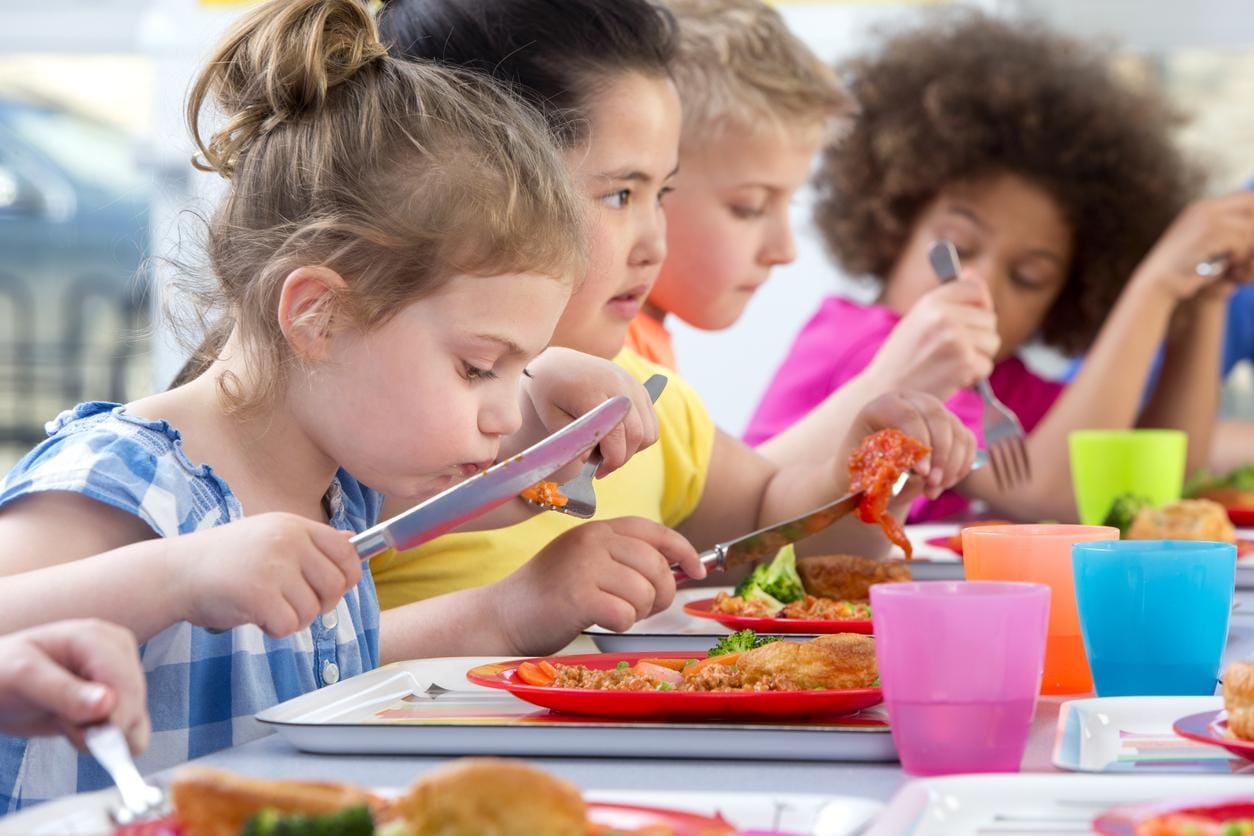
The rate of overweight and obese schoolchildren in Switzerland has dropped to its lowest level in two decades, according to a new report published by Health Promotion Switzerland.

The share of pupils classified as overweight or obese has declined from around 20% in 2005 to 15.5% today, marking the lowest level since national BMI monitoring began in the country.

Despite this positive trend, authorities warn that overweight remains a public health concern, with approximately one in six schoolchildren still affected.

Health Promotion Switzerland has tracked children’s body weight since the 2005/06 school year in collaboration with school health services in Basel, Bern, and Zurich. The long-term monitoring program provides data on health trends among children and adolescents in compulsory education.

Experts say the decline reflects improved awareness of nutrition, increased physical activity, and public health initiatives targeting childhood obesity over the past 20 years.

However, health officials emphasize that continued efforts are needed to maintain and further improve these results, particularly as lifestyle habits and dietary patterns continue to evolve.

UNICEF: Family Background Strongly Shapes Educational Success in Switzerland

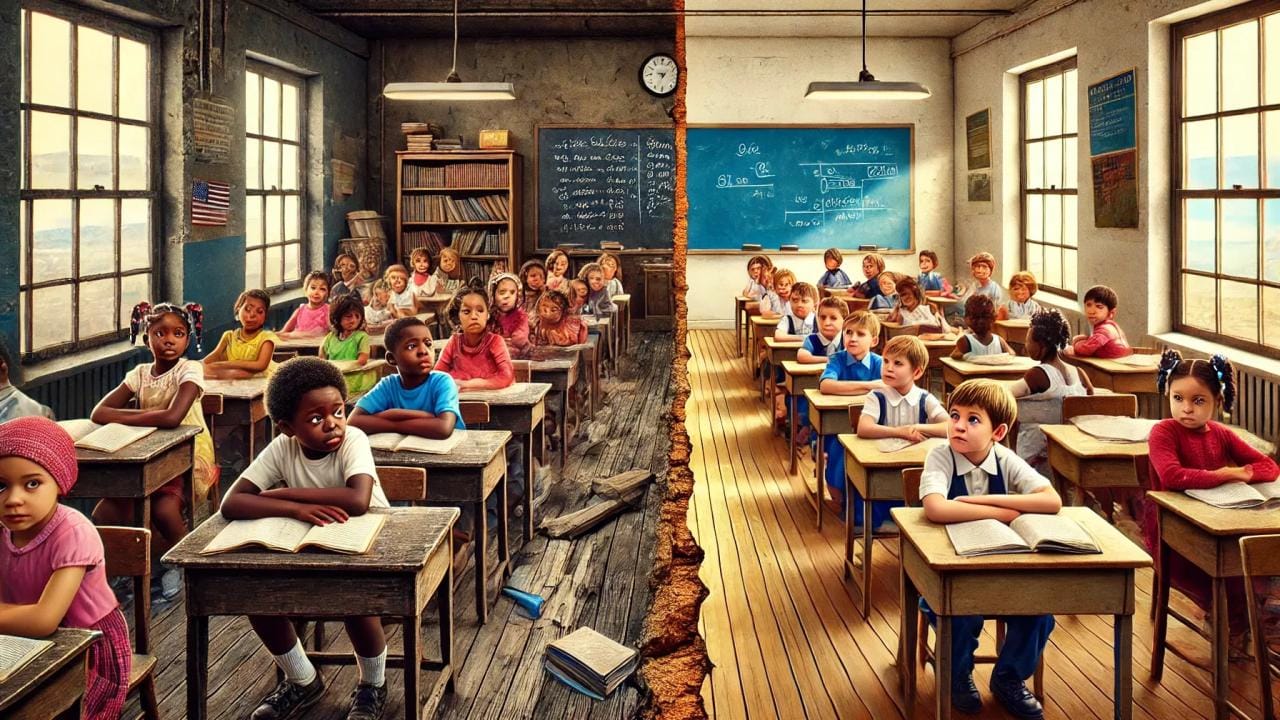
A new analysis by UNICEF shows that children’s educational opportunities in Switzerland are strongly influenced by their social and family background, raising concerns about growing inequality at the start of life.

The report highlights that Switzerland remains a country with strong social support systems, but significant disparities persist between privileged and disadvantaged children. In an international comparison, Switzerland is among the countries where the gap in academic performance between these groups is particularly wide.

According to UNICEF, around 91% of children from privileged households achieve basic educational skills, while only 46% of children from disadvantaged backgrounds reach the same level. The organisation states that parents’ education level, financial stability, and ability to provide daily support play a major role in determining outcomes.

The study also finds that inequality extends beyond education. Children from lower-income households report significantly lower life satisfaction compared to their more privileged peers, indicating wider social and emotional impacts.

In terms of lifestyle differences, the report shows that 52% of children from privileged families eat vegetables daily, compared to 43% among disadvantaged children, reflecting broader inequality in health and nutrition.

UNICEF warns that these disparities have been worsening in recent years. Both child poverty and income inequality in Switzerland have increased by more than 10% over the past decade. The organisation notes that Switzerland is among OECD countries experiencing some of the strongest increases in inequality-related indicators.

The findings are based on a UNICEF survey examining child well-being in wealthy nations. The report calls attention to the need for stronger policy measures to reduce inequality and ensure equal opportunities for all children regardless of background.

Swiss Senate Committee Approves Erasmus+ Funding Support.

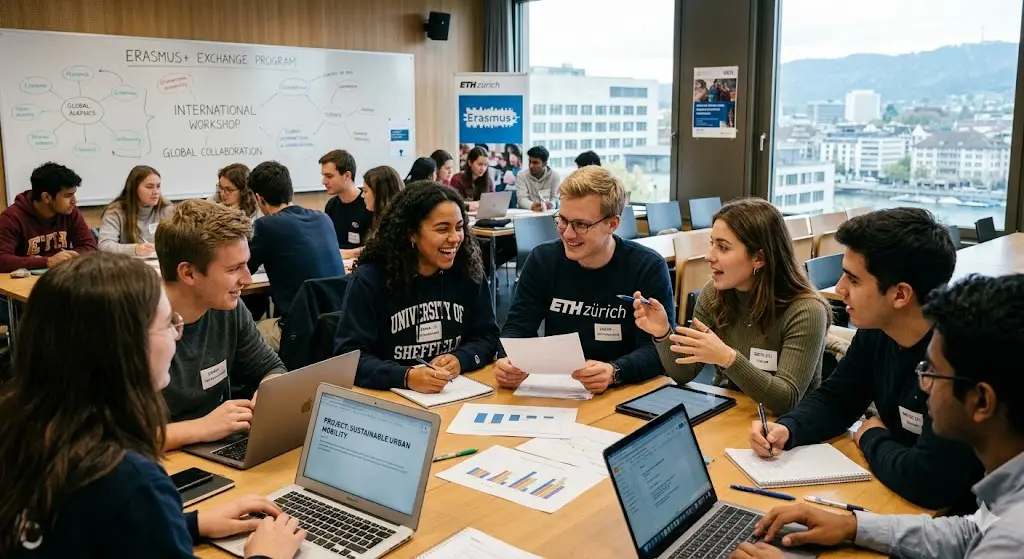
A parliamentary education committee in Switzerland has narrowly approved funding to support the country’s participation in the Erasmus+ programme for 2027.

The decision was made by the Education Committee of the Swiss Senate, with the proposal passing after a tied five-to-five vote. The committee chair cast the deciding vote in favor of the funding plan.

Supporters of the measure described participation in Erasmus+ as an important investment in Switzerland’s education system and future workforce development.

Committee members backing the proposal argued that Erasmus+ strengthens opportunities for apprentices, university students, and vocational trainees by improving international learning experiences and professional skills.

They also emphasized that enhanced education and training opportunities ultimately benefit the Swiss economy by preparing a more competitive and globally connected workforce.

However, the proposal faced resistance from a strong minority within the committee, who raised concerns about federal spending and budget pressures.

Opponents argued that Switzerland’s current financial situation and recently approved government cost-cutting measures make additional spending difficult to justify at this time.

Despite those concerns, the committee narrowly supported continued engagement with the European education programme.

Erasmus+ is one of Europe’s largest educational exchange initiatives, supporting international study, training, youth cooperation, and academic partnerships across multiple countries.

Switzerland’s participation in the programme has remained an important topic in discussions about education policy, international cooperation, and economic competitiveness.

The latest committee decision signals continued political support for maintaining educational links between Switzerland and European institutions.