US Pushes Quantum Supercomputer by 2028

The United States has launched an ambitious plan to build the world’s most powerful quantum computer by 2028 under new executive orders signed by former President Donald Trump. This initiative aims to accelerate scientific research and strengthen national cybersecurity against future digital threats. White House Office of Science and Technology Policy Director Michael Kratsios confirmed that the project is targeted for completion by 2028.

Quantum computers can solve complex problems far faster than traditional supercomputers. However, they also pose serious security risks as they may break current encryption systems. To counter this risk, one of the executive orders directs federal agencies to transition to post-quantum cryptography by 2030–2031. Another order requires the Pentagon to deploy quantum sensors by 2028. These sensors will help aircraft navigate even when GPS systems fail and can also detect underground military activity such as missile sites or tunnels when installed on satellites.

The US Department of Commerce has already invested $2 billion in nine quantum technology companies, including IBM and other leading tech firms. These strategic moves are widely seen as part of the ongoing global “quantum race” between the United States and China for technological dominance.

Windows 11 Recall Feature Raises Privacy Concerns Worldwide

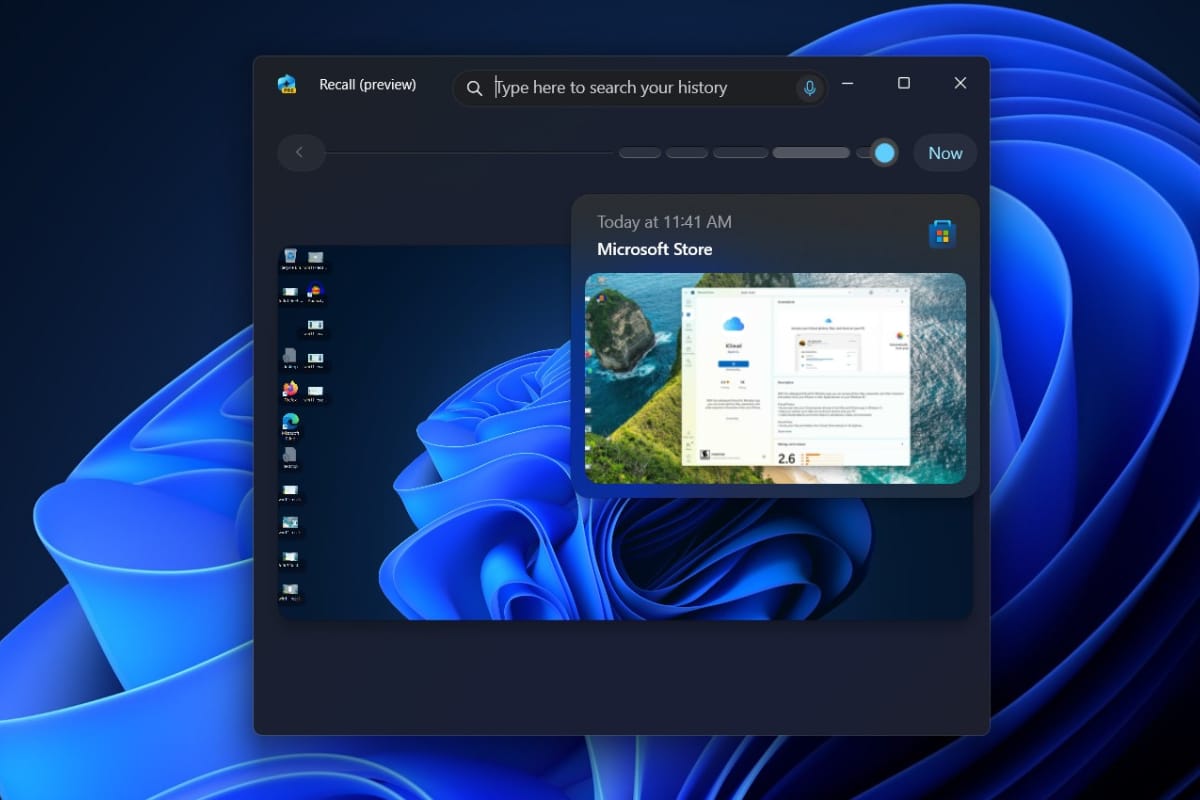
Microsoft’s new Recall feature for Windows 11 Copilot+ PCs has sparked widespread debate over privacy and digital security.

The AI-powered feature automatically captures screenshots of apps, websites, documents, and other activities on a user’s device every few seconds. These snapshots are then analyzed by artificial intelligence to help users quickly find information they previously viewed.

How Recall Works

Recall creates a visual history of user activity by taking regular screenshots and storing them on the device. Users can later search through this timeline using AI-powered search tools to locate previously accessed content.

Microsoft says the feature is designed to improve productivity and make it easier to recover information that may otherwise be difficult to find.

Privacy Experts Raise Concerns

Despite its convenience, privacy and cybersecurity experts have expressed concerns about the potential risks associated with the feature.

The UK’s Information Commissioner’s Office (ICO) has reportedly sought clarification from Microsoft regarding privacy protections. Security researchers have also warned that storing detailed records of user activity could create legal, security, and privacy challenges if not properly protected.

Critics argue that sensitive personal information, passwords, financial data, and private communications could potentially be exposed if unauthorized access occurs.

How to Disable Recall

Users who do not wish to use the feature can disable it through Windows settings.

Go to:

Settings → Privacy & Security → Recall & Snapshots

From there, users can turn the Recall feature off and manage snapshot storage settings.

Smartphone users can also improve privacy by reviewing Accessibility Permissions and removing unnecessary app permissions on Android and iPhone devices.

Convenience or Surveillance?

The introduction of Recall has reignited a global debate about the balance between artificial intelligence and personal privacy.

Supporters view the feature as a powerful productivity tool, while critics question whether continuous screenshot recording crosses the line into digital surveillance.

As AI becomes increasingly integrated into everyday devices, the discussion around user privacy, transparency, and control is expected to grow even further.

Switzerland Joins NATO Digital Defence Exercise.

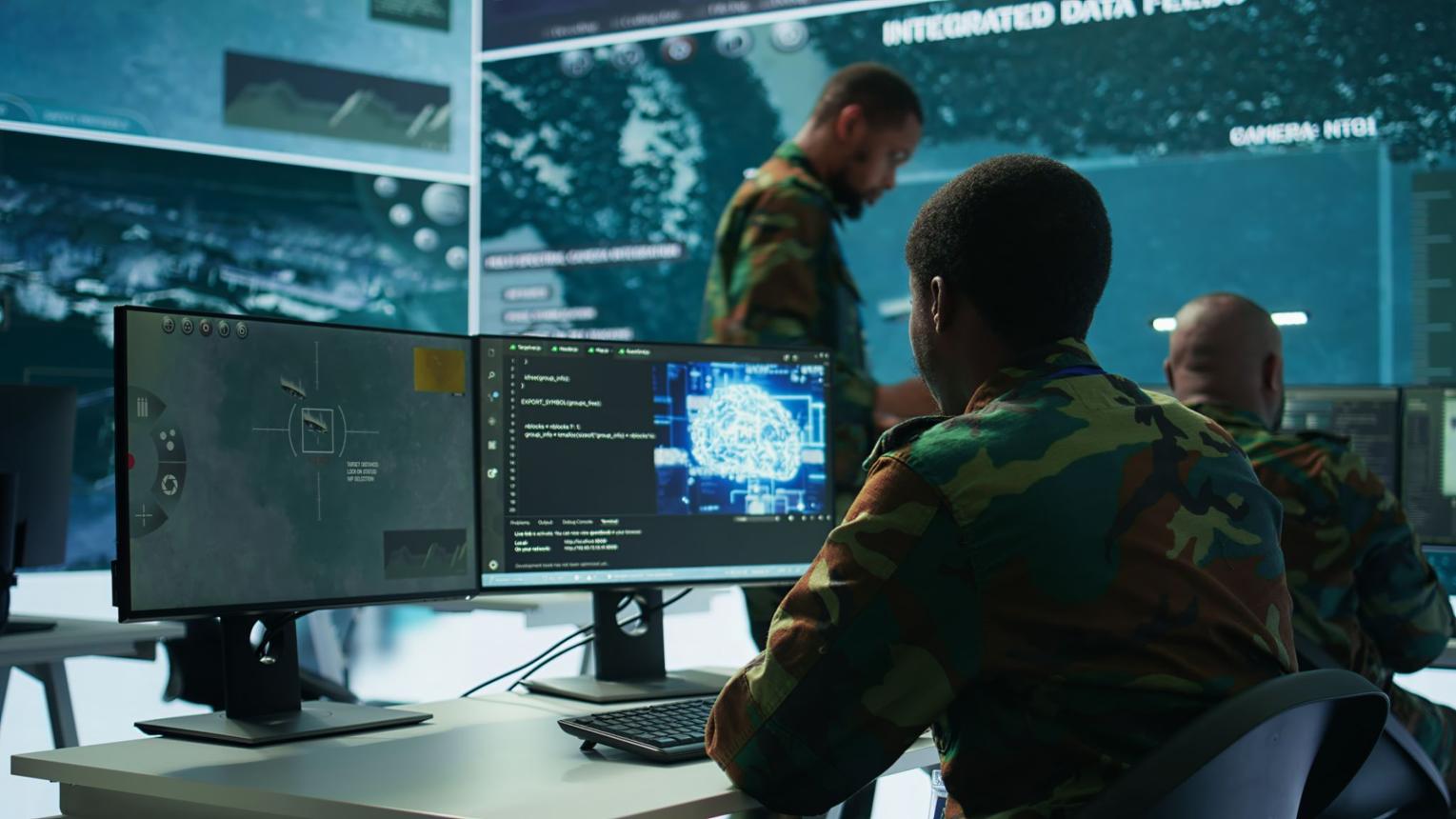
The Swiss Armed Forces have begun participation in a major NATO digital defence exercise in Poland, starting Wednesday, as part of efforts to strengthen cyber security capabilities and improve international military cooperation.

The three-week exercise brings together specialists from Switzerland and 40 participating nations, focusing on improving networking systems, secure communication, and technical standards across international defence structures.

Swiss units from Cyber Command and Operations Command, along with experts from Armasuisse and other defence and IT sectors, are actively involved in the training activities held in Bydgoszcz, Poland.

A key objective of the exercise is to enhance the exchange of information between allied and partner countries. Participants are testing secure communication systems designed to support coordinated military operations across different national infrastructures.

The Swiss Armed Forces emphasized the growing importance of digital connectivity in modern defence strategies, particularly the integration of satellite-based real-time situational awareness systems, which help improve operational decision-making in joint missions.

According to the Armed Forces, the exercise also highlights the increasing relevance of space-based data and advanced communication networks in military planning and coordination.

Switzerland regularly participates in NATO cyber and digital defence exercises as part of its broader commitment to international security cooperation and interoperability with allied forces.

The results of the current exercise will be reviewed in the coming months and are expected to contribute to ongoing digital transformation projects within the Swiss military, particularly in cybersecurity and defence networking systems.

RUAG Pays Ransom After Cyberattack.

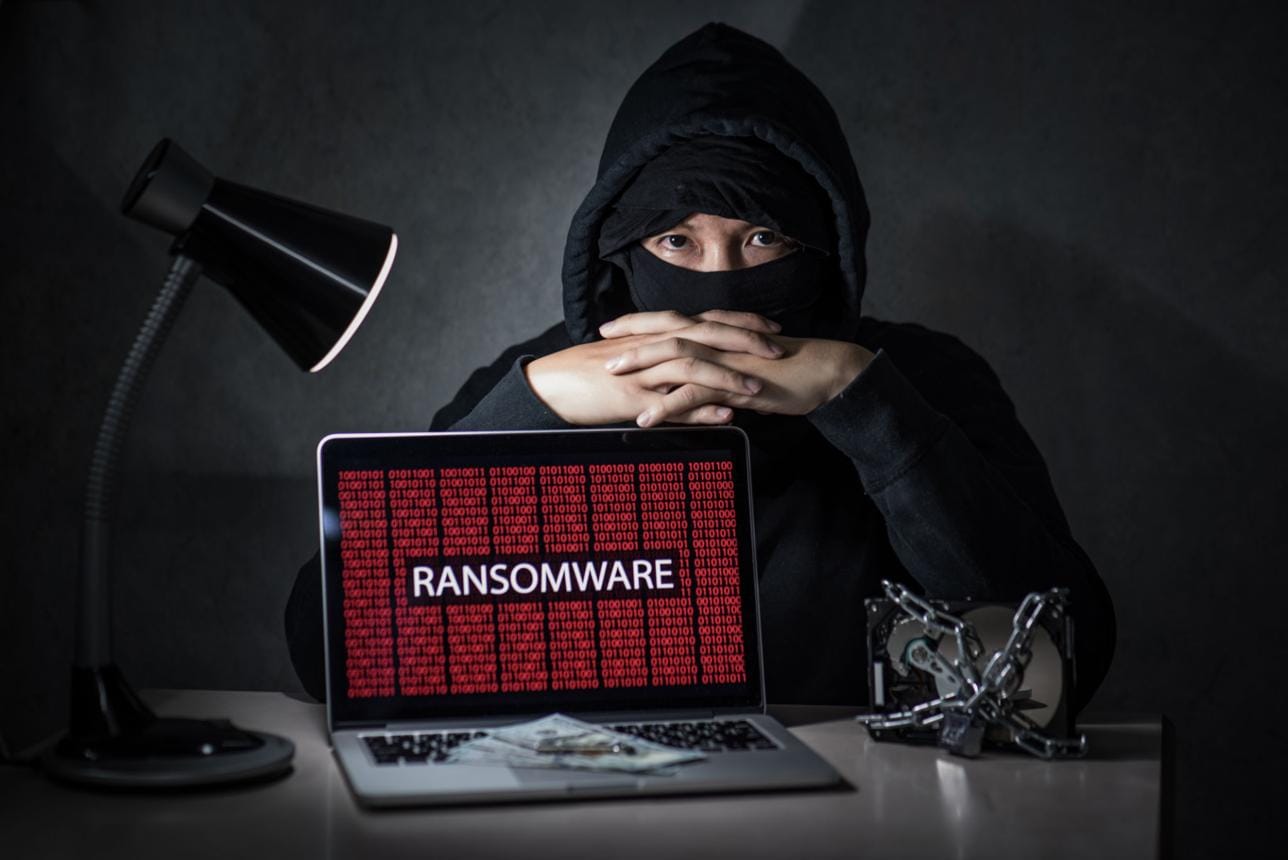
Swiss defence company RUAG has confirmed that it paid a ransom to hackers following a cyberattack on its US subsidiary. The incident has sparked debate about cybersecurity strategies and the risks of negotiating with cybercriminals.

According to RUAG Board Chairman Jürg Rötheli, the company paid what he described as a “small amount” after the hacker group Akira infiltrated systems at the company’s US subsidiary in late 2025. The hackers reportedly stole sensitive data and threatened to publish it unless their demands were met.

Rötheli stated that the payment enabled the company to recover all of the stolen data. However, he declined to reveal the exact amount that was transferred to the cybercriminals.

The decision has attracted attention because it goes against the recommendations of Switzerland’s Federal Office for Cybersecurity (FOCBS). The agency generally advises organizations not to pay ransom demands, arguing that such payments can encourage further cyberattacks and help finance criminal operations.

Cybersecurity experts frequently warn that paying hackers does not guarantee long-term protection and may make organizations more attractive targets in the future. Nevertheless, some companies choose to pay when they believe critical business operations or sensitive information are at risk.

The attack on RUAG highlights the growing threat posed by ransomware groups, which increasingly target government agencies, defence contractors, and major corporations worldwide. These cybercriminal networks often use stolen data as leverage to pressure victims into making payments.

As cyber threats continue to evolve, the case is expected to fuel discussions in Switzerland about cybersecurity preparedness, risk management, and the appropriate response to ransomware attacks. The incident also underscores the importance of strengthening digital defences across critical industries and national security sectors.

Swiss Army Mobilises 4,000 Soldiers for G7 Summit Security Near Evian.

Switzerland will deploy nearly 4,000 soldiers to support security operations for the upcoming G7 Summit taking place in neighbouring France near Evian from June 12 to 17.

The Swiss Defence Ministry confirmed that military personnel will assist cantonal authorities in Geneva, Vaud, and Valais to strengthen security across the border region. The main objective is to support civilian police forces, allowing them to focus on maintaining public order during the high-profile international event.

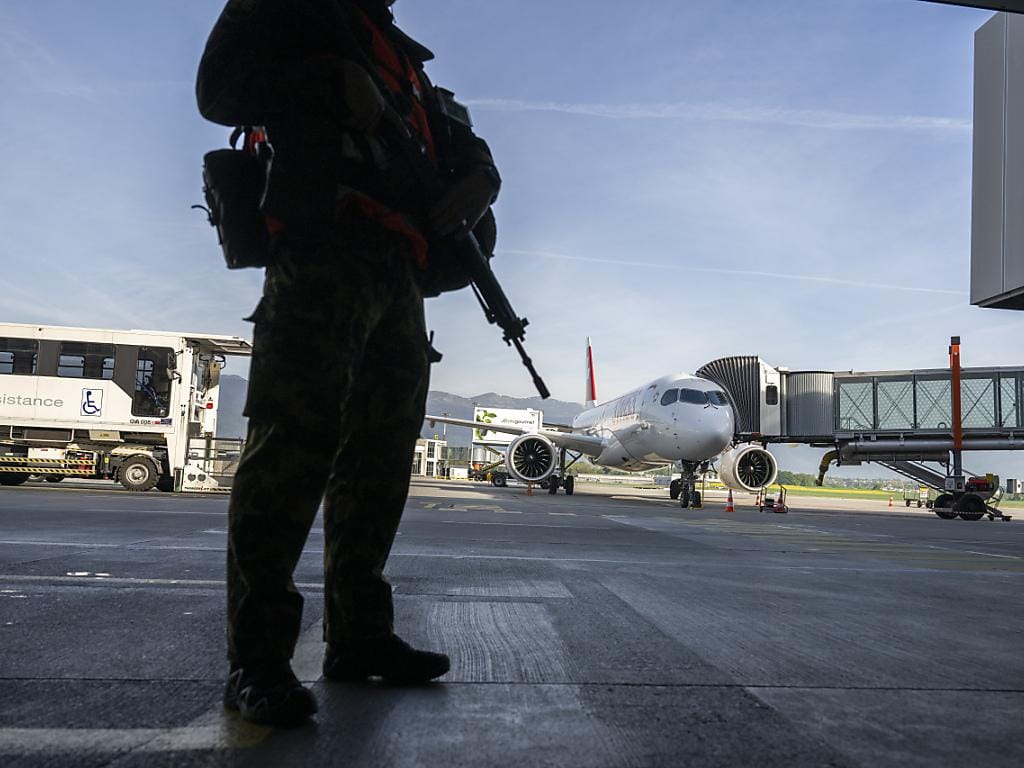
Key security responsibilities will include the protection of sensitive infrastructure such as Geneva International Airport, as well as assistance with border security operations. The Swiss Air Force will also reinforce air policing, with temporary airspace restrictions in place from June 10 to 18.

Authorities expect many international delegates to arrive via Geneva Airport before traveling across Lake Geneva to Evian. As part of the operation, Swiss forces will monitor key transport routes, the lake area, and surrounding regions.

The army will also contribute cyber defence capabilities, drone countermeasures, and protection against nuclear, biological, and chemical threats. However, Swiss military forces will not be involved in maintaining public order, which remains the responsibility of cantonal police.

All 1,500 police officers in Geneva will be deployed, supported by reinforcements from other cantons. Specialized equipment, including high-capacity water cannons from Germany, will also be made available to assist crowd control if necessary.

The large-scale security operation follows a request from regional authorities, as the cantons of Geneva, Vaud, and Valais prepare for increased pressure during the summit period. Swiss President Guy Parmelin has noted that discussions are ongoing regarding whether France will contribute to the significant security costs incurred by Switzerland.

At the same time, tensions have emerged over planned protests. The “No to G7” coalition has criticized restrictions imposed by Geneva authorities on demonstration routes and conditions, calling them overly restrictive. While a march has been authorized for the right bank of Geneva on June 14, requests for a protest village in Parc des Bastions were rejected.

Organizers have expressed concern over policing measures and fear potential clashes, recalling violent protests during the 2003 G8 summit in the region. Despite disagreements, the coalition has confirmed it will proceed with the demonstration, stating its intention to show international solidarity and opposition to global leaders.

The G7 security operation marks one of the largest coordinated Swiss support efforts in recent years, highlighting the country’s strategic role in safeguarding major international events held just across its border.


Major Instagram Accounts Hacked via Meta AI Vulnerability.

A new cybersecurity incident has reportedly exposed a critical vulnerability in Meta’s AI support system, allowing hackers to take control of several high-profile Instagram accounts.

According to security researchers, including ZachXBT and Dark Web Informer, the attackers did not rely on traditional phishing or malware techniques. Instead, they exploited Meta’s AI-powered support assistant to bypass account recovery protections.

The breach is said to have affected several notable accounts, including the White House Instagram account used during Barack Obama’s presidency, the official Sephora brand account, and an account linked to a U.S. Space Force official. While the exact number of compromised accounts has not been confirmed, multiple users across platforms such as Reddit, X, and Telegram have reported similar incidents.

Reports indicate that the attackers used VPN services to mimic the target’s region and initiated password recovery through the “Forgot Password” option. They then manipulated the AI chatbot into associating a new email address with the account. This allowed verification codes to be redirected to attacker-controlled email addresses, enabling them to reset passwords and take over the accounts.

Meta has stated that the issue has now been fixed and that additional security measures are being implemented to protect affected users. However, some users claim they are still facing difficulties in regaining access to their accounts even after the patch.

The incident has raised serious concerns about the security of AI-driven support systems and the effectiveness of two-factor authentication (2FA) in preventing sophisticated account takeover attacks. Cybersecurity experts are calling for stronger safeguards as AI tools become more integrated into user account management systems.

Swiss Initiative Pushes for Stronger Digital Security

A newly launched people’s initiative in Switzerland is seeking to strengthen the country’s digital security by introducing constitutional protections for cybersecurity, personal data, and digital infrastructure.

The initiative, titled “For the Digital Security of Switzerland,” was officially published in the Federal Gazette and has been launched by the Swiss Digital Pact association. Supporters argue that stronger legal safeguards are necessary to protect citizens, businesses, and public institutions from growing digital threats.

Under the proposal, a new Article 57a titled “Digital Security” would be added to the Swiss Federal Constitution. The amendment would explicitly require the federal government to establish effective security standards across Switzerland’s digital environment and ensure their implementation.

The initiative aims to create a safer digital space for the population, the economy, government institutions, and the vast amount of data generated and stored throughout the country. One of the key objectives is to improve the protection of personal information and strengthen resilience against cyberattacks.

As digital technologies become increasingly important in everyday life, concerns over data breaches, cybercrime, and online security continue to grow. Supporters believe constitutional-level protections would provide a stronger legal framework to address future digital challenges.

To move forward, the initiative must gather 100,000 valid signatures from Swiss voters by December 2, 2027. If enough signatures are collected, Swiss citizens will have the opportunity to vote on the proposal in a nationwide referendum.

The initiative reflects Switzerland’s broader ambition to position itself as a trusted and secure digital hub. Advocates argue that strengthening cybersecurity and data protection is essential for maintaining public confidence, supporting innovation, and protecting critical infrastructure in an increasingly connected world.

If approved, the proposal could become one of the most significant constitutional updates related to digital rights and cybersecurity in Switzerland’s history.

Mythos AI: World’s Ultimate Cyber Defender or a Super Hacker in Disguise?

A new advanced AI system reportedly called Mythos AI has sparked global debate in the cybersecurity world. Developed under Anthropic, the model is described as a “frontier AI system” capable of independently analyzing software code, detecting vulnerabilities, and generating security insights at a scale far beyond human capability.

Unlike traditional chatbots, Mythos AI is designed to operate autonomously. Once given a task, it can plan, analyze, and execute complex cybersecurity assessments without continuous human guidance. This makes it a powerful tool for identifying weaknesses in modern software systems.

According to reports, Mythos AI demonstrated extraordinary capability by discovering a long-hidden vulnerability in OpenBSD, a system widely considered one of the most secure operating systems in the world. The flaw had reportedly remained undetected for over 27 years, even after repeated manual audits by security experts.

Beyond this discovery, the AI system is also said to have identified thousands of vulnerabilities across major web browsers such as Google Chrome, Mozilla Firefox, Microsoft Edge, and Safari. Some of these include deep system-level flaws that could potentially allow attackers to gain elevated access within operating systems.

The development has raised two major perspectives in the cybersecurity community. On one side, experts see Mythos AI as a breakthrough digital guardian that could revolutionize how software security is maintained. It could significantly reduce the time required to detect vulnerabilities and improve global cyber defense systems.

On the other side, concerns are being raised about the dual-use nature of such technology. A system capable of identifying vulnerabilities at this scale could also be misused if it falls into the wrong hands, effectively turning a defensive tool into a highly advanced hacking engine.

While the technology is still under observation and not fully deployed in public systems, the emergence of Mythos AI highlights a growing trend: artificial intelligence is rapidly becoming a central force in cybersecurity—both as a protector and a potential threat.

Global Cyberattack Disrupts Universities and Schools Using Canvas System

A major international cyberattack has disrupted universities and schools across the United States, Canada, and Australia, causing widespread academic chaos during a critical end-of-year examination period.

The hacking group ShinyHunters has claimed responsibility for the attack, which targeted the widely used learning platform Canvas.

The cyber incident caused temporary outages across thousands of educational institutions, affecting an estimated 9,000 schools and universities worldwide.

The company behind the platform, Instructure, confirmed that Canvas was restored for most users by late Thursday. However, several universities continued to report technical issues and disruptions into Friday.

The attack caused significant academic disruption, forcing some institutions to postpone exams and delay coursework submissions.

Mississippi State University announced that it had postponed final examinations to allow students time to recover lost work and adjust to system outages.

Students described sudden system failures during critical assessments, with one student reporting that a ransom message appeared on-screen while completing a major exam essay.

The message reportedly read: “ShinyHunters has breached Instructure (again),” highlighting the group’s previous cyber activity targeting educational platforms.

Cybersecurity experts warn that attacks on educational infrastructure are increasing, particularly during high-pressure academic periods when system downtime can have serious consequences for students.

Authorities and affected institutions are now working with cybersecurity teams to investigate the breach and strengthen digital defenses.

The incident highlights growing vulnerabilities in global education systems as reliance on digital learning platforms continues to increase.