
Parental Stress Becomes Major Mental Health Issue in Switzerland.

A new study conducted by AXA Switzerland has found that parental responsibility is becoming one of the leading causes of mental health challenges among adults in the country, surpassing even financial and workplace stress in its overall impact.

According to the findings, around one in four adults in Switzerland is currently affected by some form of mental health issue. The report highlights a growing concern about emotional well-being across different age groups.

Young adults between the ages of 18 and 24 are identified as the most affected group, with approximately 39% reporting mental health challenges. Experts suggest that uncertainty about education, careers, and personal life may be contributing factors.

The study also revealed a significant rise in mental health-related disability insurance claims, which have increased by nearly 78% over the past four years. This indicates a growing long-term impact on Switzerland’s workforce and social systems.

Researchers and experts point out that parenting responsibilities are placing increasing pressure on adults, especially those trying to balance work, childcare, and financial stability in a high-cost living environment.

For expatriate families living in Switzerland, the challenge is often greater due to the lack of extended family support systems. Many parents face additional emotional and logistical pressure while raising children in isolation from relatives.

Mental health professionals emphasize that this trend reflects broader societal changes, including increased work demands, rising living costs, and evolving family structures.

The study calls for stronger mental health support systems, including better access to counseling services, workplace flexibility, and family support programs to help reduce parental stress.

As mental health discussions continue to grow in Switzerland, experts stress that early intervention and community-based support will be essential in addressing the rising emotional burden on families.

Swiss Mental Hospital Escapee Case Goes to Court.

A Swiss court is currently examining a serious case involving a psychiatric patient who escaped from a mental health facility in 2018 and went on to attack several people with a hatchet, leaving four individuals seriously injured.

The incident took place after the patient fled from the Préfargier psychiatric hospital. Following the escape, the individual carried out a violent attack, raising major questions about the responsibilities of medical staff and the safety protocols in place at the facility.

During the court proceedings, prosecutors argued that hospital staff failed to properly assess and monitor the patient’s condition. They also claimed that there was a delay in informing authorities after the escape, which may have contributed to the severity of the incident.

The medical team, however, strongly rejected the allegations. Their defense stated that psychiatric professionals followed standard medical procedures and that it is not always possible to predict sudden acts of extreme violence, even in monitored patients.

Experts in forensic psychiatry often emphasize that while risk assessments are an important part of mental health care, predicting rare violent behavior with complete accuracy remains extremely difficult.

Following the attack, the individual later died by suicide while in prison, adding further complexity to the case and its legal interpretation.

The court is now expected to deliver its verdict by the end of the year. The outcome is likely to have implications for how psychiatric risk assessment and patient supervision are handled in Switzerland’s mental health system.

The case has also reignited public debate about the balance between patient rights, medical responsibility, and public safety in psychiatric care institutions.

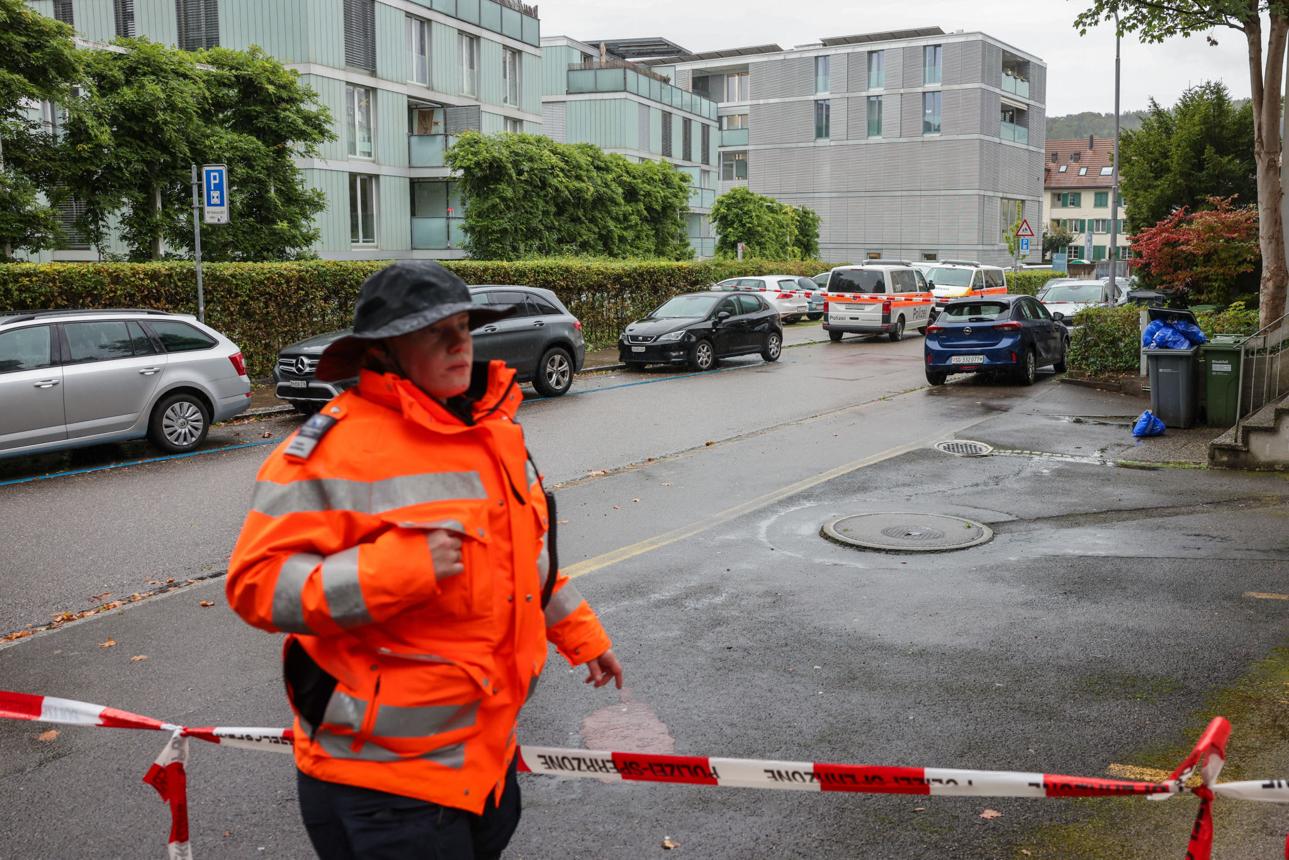
Swiss Media Analyze Winterthur Knife Attack.

Swiss media outlets are closely examining the recent knife attack in Winterthur, where three people were injured on Thursday morning. The discussion has shifted toward whether the incident was driven by radicalisation, psychological illness, or a combination of both factors.

German psychologist Ahmad Mansour told Blick that mental illness and ideological radicalisation can coexist and often reinforce each other. He argued that focusing only on psychological instability may overlook potential ideological risks. Mansour also criticised the clinic that released the 31-year-old suspect shortly before the attack, suggesting that while the patient’s mental condition was assessed, possible extremist risk factors may not have been fully considered.

In contrast, psychologist and criminologist Jérôme Endrass of Zurich’s Office of Corrections and Rehabilitation presented a different view in the Neue Zürcher Zeitung. He explained that the patient showed no immediate signs of danger at the time of release, and therefore standard procedures were followed. According to Endrass, psychiatric institutions primarily assess mental health risks rather than carrying out detailed ideological threat evaluations.

Endrass also highlighted structural limitations in Switzerland’s system, noting that psychiatric clinics are generally not informed about possible Islamist links for data protection and security reasons. Likewise, police and judicial authorities do not have access to medical records, creating a separation between security and healthcare systems.

He added that whether the attack had an Islamist motive remains uncertain based on current evidence. Initial assessments suggest that psychosis may have played a central role in the attacker’s behaviour, with indications that the violence appeared random rather than ideologically targeted.

Experts note that ideologically motivated attackers typically select symbolic targets such as Western institutions, religious groups, or specific communities. In this case, the lack of targeted selection has led investigators to continue exploring both psychological and potential ideological explanations.

The debate highlights ongoing challenges in Switzerland regarding risk assessment, information sharing, and early identification of individuals who may pose a threat to public safety.

Pinecone Wins Hearts by Helping Students Feel Calm at School

A therapy cat named Pinecone has captured attention online after helping school students feel calmer and emotionally supported during their daily routine. The friendly cat walks through school hallways and creates a peaceful atmosphere for students, teachers, and staff members.

The viral therapy cat, known as Pinecone, has become popular for its “hallway duty” at the school. Students say the cat’s quiet and comforting presence helps reduce stress, improve mood, and create a more welcoming environment during busy school hours.

According to the cat’s owner, Pinecone naturally enjoys being around people and helps students feel relaxed and emotionally balanced. Many students shared that interacting with the therapy cat gives them comfort during stressful academic situations and helps them stay positive throughout the day.

Experts often highlight that therapy animals can support mental wellness, reduce anxiety, and improve emotional well-being in educational environments. Pinecone’s growing popularity on social media has also encouraged discussions about the importance of student mental health and emotional care in schools.

The heartwarming video of Pinecone walking through school corridors continues to trend online, with many people praising the initiative for bringing happiness and emotional support to students.