

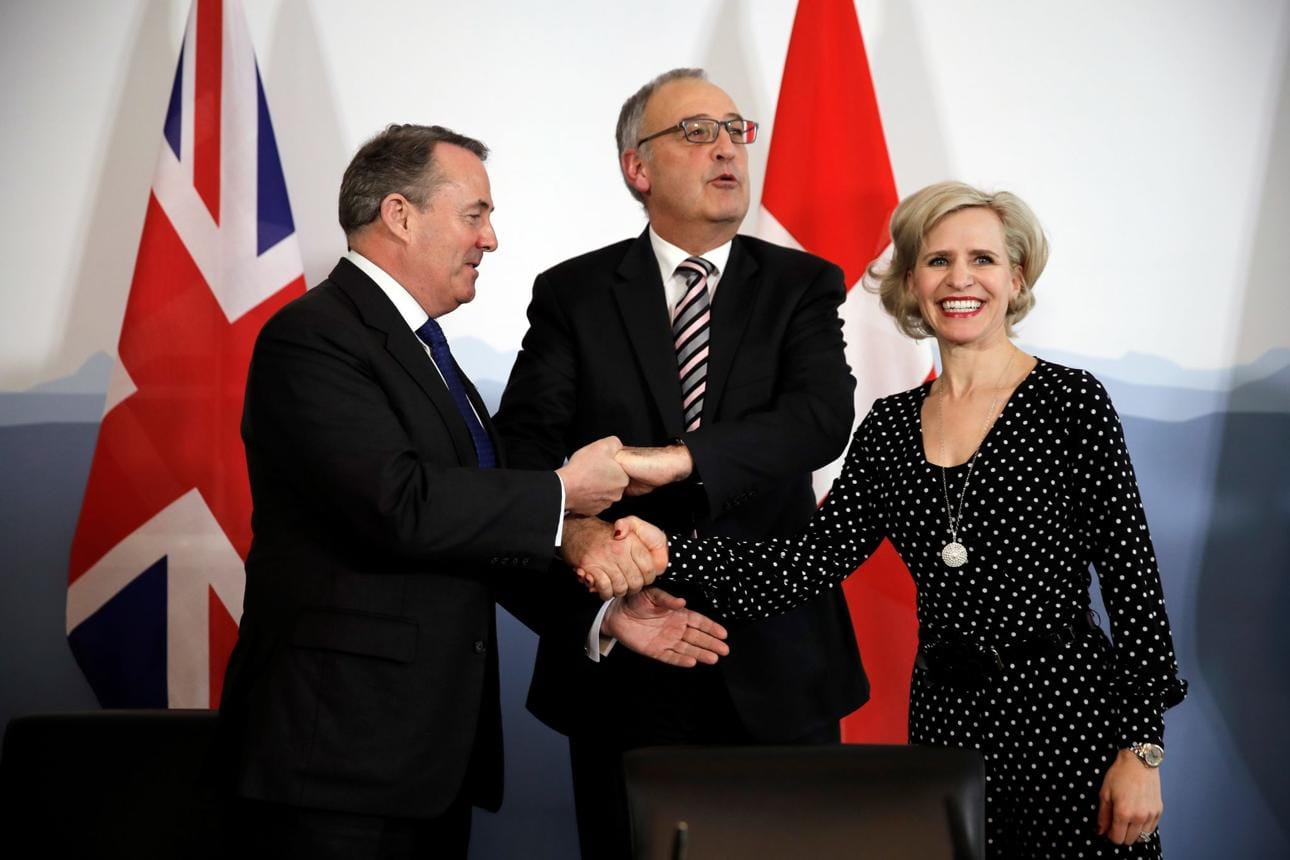
Swiss President Advances Free Trade Talks with UK at Evian Meeting

Swiss President Guy Parmelin has held discussions with British Prime Minister Keir Starmer on the progress of a long-anticipated free trade agreement between Switzerland and the United Kingdom, during diplomatic meetings linked to the G7 summit in Evian, France.

The meeting took place during a gala dinner attended by global leaders on the shores of Lake Geneva. Although Switzerland is not an official member of the G7, Swiss representatives were present for several side discussions and diplomatic engagements.

Before the meeting, President Parmelin emphasized that successfully concluding a comprehensive free trade agreement would send a strong political and economic signal. Prime Minister Starmer responded positively, expressing interest in continuing negotiations.

Both sides acknowledged that while progress has been made, the final stages of trade negotiations remain the most challenging. However, officials from both countries indicated that discussions are moving in a constructive direction.

Following the United Kingdom’s exit from the European Union in 2020, Switzerland and the UK signed a transitional trade agreement in 2019 to maintain existing economic relations. Since then, both nations have been working toward a broader and more comprehensive free trade framework, with formal negotiations beginning in 2023.

The latest discussions highlight Switzerland’s continued efforts to strengthen global trade partnerships beyond the European Union, focusing on stable and diversified economic relationships.

During his visit, President Parmelin also met other international leaders on the sidelines of the event, including US Secretary of State Marco Rubio and German Chancellor Friedrich Merz, reinforcing Switzerland’s active diplomatic engagement despite not being an official G7 member.

Observers note that Switzerland’s presence at high-level international gatherings continues to play an important role in promoting dialogue, economic cooperation, and strategic partnerships.
Switzerland Pursues Direct Train Connection to London

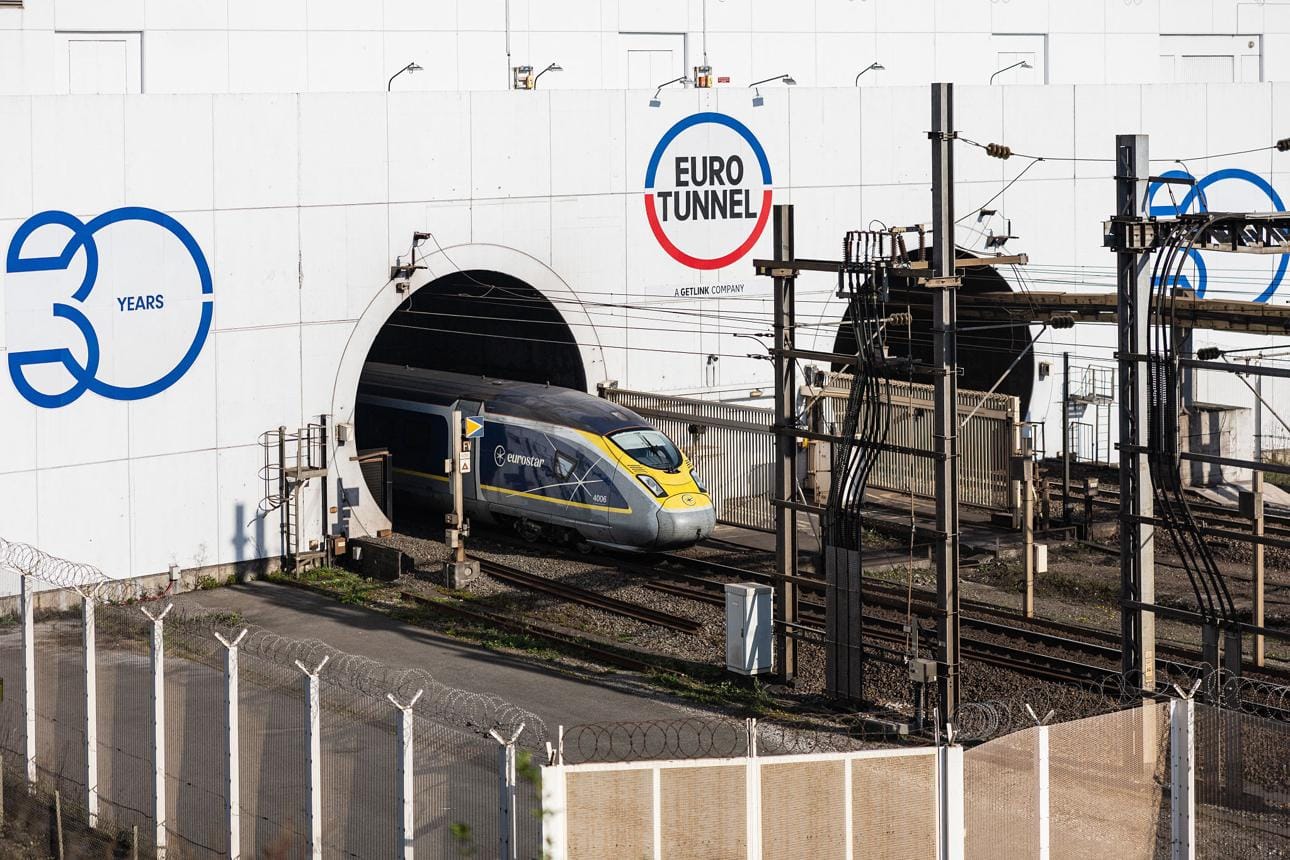
Switzerland is moving forward with plans to establish a direct rail connection to London, aiming to make travel between the two countries faster and more convenient. The Swiss government believes the project has significant potential, but several major challenges must be addressed before the service becomes a reality.

During a recent discussion, the Swiss government reviewed the key obstacles linked to the proposed railway connection. Officials acknowledged that while demand for direct international rail travel is growing, the project requires extensive planning and international cooperation.

One of the main issues is determining which Swiss railway stations will be included in the future route. Authorities must carefully evaluate passenger demand, infrastructure capacity, and operational requirements before making a final decision.

Another challenge involves border controls. Since the United Kingdom is not part of the Schengen Area, passengers would need to undergo immigration checks before departure and upon arrival. According to the government, entry procedures for the UK would likely need to be carried out in Switzerland before boarding the train.

Security regulations also present an additional hurdle. Trains travelling through the Eurotunnel are subject to strict security requirements that exceed those applied to many other international rail services. As a result, additional screening and control measures would be necessary.

The Swiss government noted that existing international agreements may need to be expanded or amended to allow Switzerland to participate fully in border and security procedures required for direct rail services to London.

Despite these challenges, officials remain optimistic about the long-term benefits of the project. A direct train route could strengthen economic ties, improve tourism, and provide travellers with a sustainable alternative to air travel.

If successful, the connection would mark a significant milestone in European rail transport and further enhance Switzerland’s role as a key hub in the continent’s railway network.

Europe’s AI Defence Revolution Gains Momentum

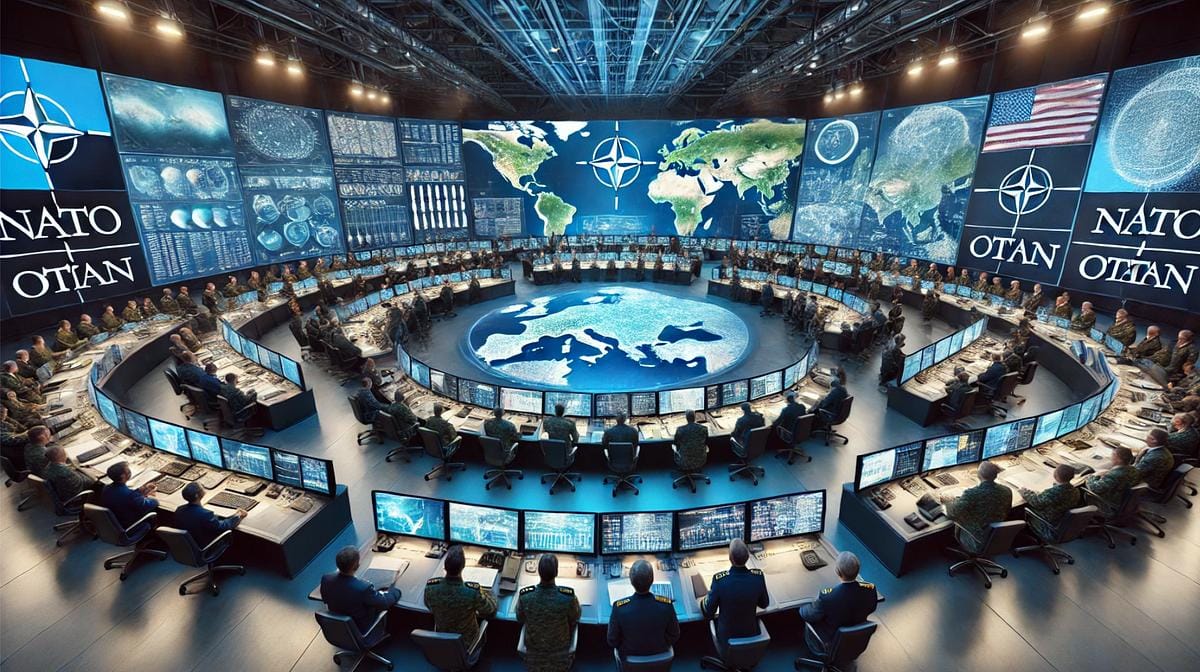
European defence forces are rapidly accelerating the integration of artificial intelligence into military systems, marking a major shift from experimental use to operational deployment across the continent.

According to defence analysts speaking to Euronews, countries including Germany, France, Ukraine, and the United Kingdom are leading Europe’s push to integrate AI into modern warfare systems.

One of the most significant recent developments is the “Brave Germany” programme, launched by Germany and Ukraine, which aims to deploy approximately 5,000 joint AI-enabled medium-range strike drones. The initiative reflects growing collaboration between European states on advanced defence technologies.

Experts say Europe’s militaries have already used artificial intelligence for years in logistics, human resources, and equipment maintenance. However, recent developments show a shift toward integrating AI into core operational and tactical decision-making systems.

Stockholm International Peace Research Institute (SIPRI) researcher Laura Bruun explains that early military AI adoption began around 2015, when the technology became advanced enough to significantly improve operational efficiency.

She notes that even basic AI systems can optimise battlefield logistics and route planning, similar to navigation tools used in everyday applications.

Current AI defence investment in Europe is largely focused on two key areas: semi-autonomous weapon systems and AI-driven decision-support systems that assist commanders in real time.

Analysts say the rapid expansion of military AI raises strategic, ethical, and security questions as countries balance innovation with regulation and international law.

As AI integration deepens, Europe’s defence landscape is expected to continue evolving, with increased collaboration, competition, and investment shaping the next phase of military modernization.