China Uses Robots for Elderly Care Support.

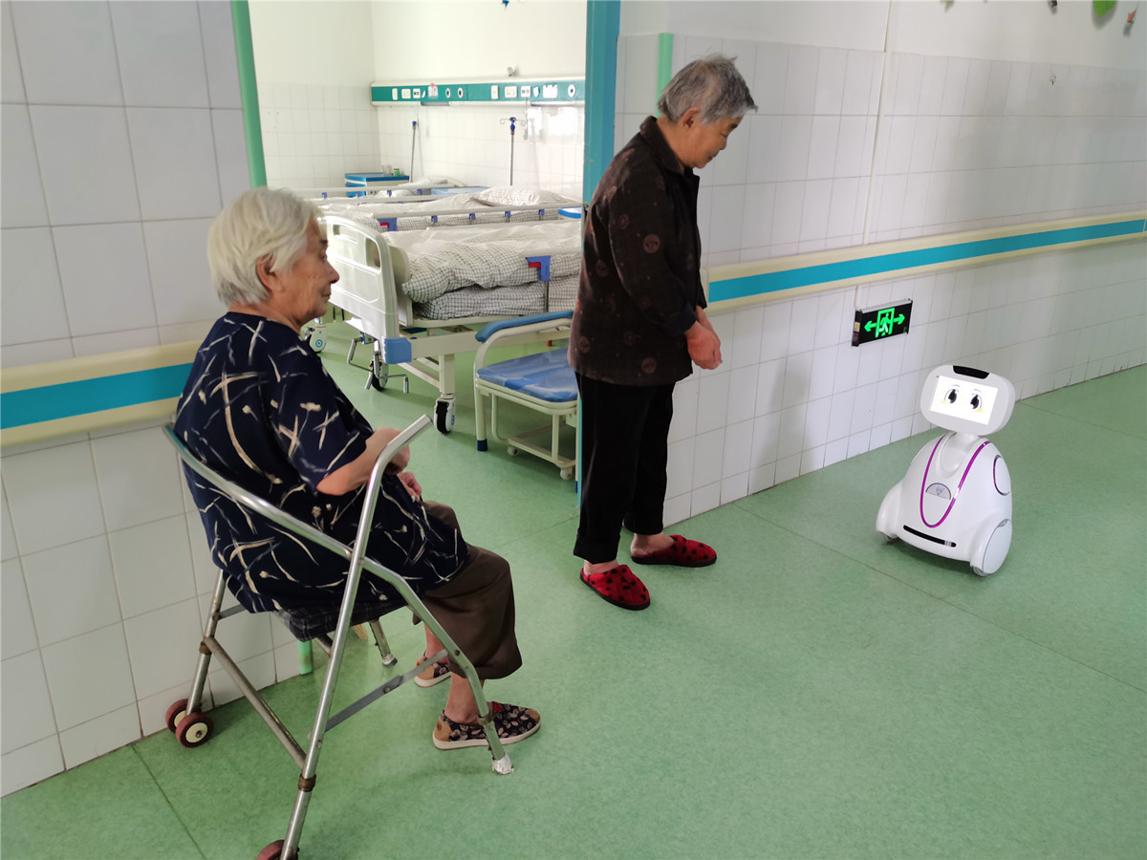
China is rapidly expanding the use of robotics in elderly care as the country faces a growing aging population and increasing demand for healthcare support services.

Authorities and technology developers are focusing on integrating advanced robots into elder care systems to assist with daily needs, health monitoring, and general support for senior citizens. These robotic systems are designed to improve the quality of life for elderly individuals while reducing pressure on human caregivers and healthcare facilities.

According to recent estimates, China’s elderly care robot market is expected to surpass 1.47 billion US dollars this year, reflecting strong growth in demand for smart healthcare solutions. The rise of this sector highlights China’s broader strategy of adopting artificial intelligence and automation in essential public services.

The newly developed care robots are capable of performing a range of tasks, including monitoring vital health signs, reminding patients to take medication, and providing basic assistance with movement and daily routines. Some advanced models are also being tested for companionship functions, helping to reduce loneliness among elderly individuals.

Experts say that the increasing use of robotics in healthcare is driven by both demographic challenges and technological advancements. As the number of elderly citizens continues to rise, traditional caregiving systems are under pressure, leading to greater reliance on automated solutions.

While the technology offers significant benefits, discussions continue regarding ethical considerations, human interaction, and the long-term impact of replacing certain aspects of human care with machines. However, policymakers view robotics as a necessary and sustainable solution for the future of elderly care in China.

The development marks a significant step in the global evolution of healthcare technology, where artificial intelligence and robotics are becoming key tools in addressing societal challenges.
Xiaomi Launches Xiaomi 17 Max with 8000mAh Battery

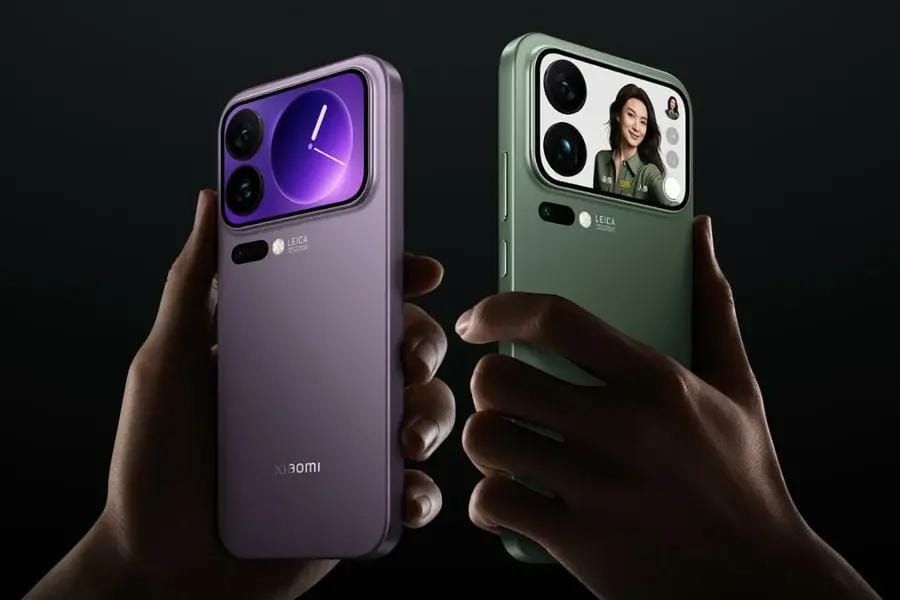
Xiaomi has officially launched its latest flagship smartphone, the Xiaomi 17 Max, in China, introducing major upgrades in battery life, performance, and camera technology.

The device comes with an enormous 8000mAh battery paired with 100W fast charging, making it one of the most powerful battery configurations in the smartphone market.

At its core, the phone is powered by the latest Snapdragon 8 Elite Gen 5 chipset and runs on Android 16 with Xiaomi’s HyperOS 3 interface, offering improved performance and system optimization.

The Xiaomi 17 Max is available in multiple configurations, including 12GB and 16GB RAM options, along with 256GB and 512GB storage variants.

It features a 6.9-inch LTPO OLED display with a resolution of 2608 × 1200 pixels. The screen supports a 120Hz refresh rate, peak brightness of up to 3,500 nits, and advanced HDR10+ and Dolby Vision technologies for enhanced visual quality.

In the camera department, the smartphone offers a triple-camera setup, including a 200MP ISOCELL HP9 primary sensor, a 50MP ultra-wide lens, and a 50MP periscope telephoto camera. The system is enhanced with Leica Summilux optics and Hyper OIS stabilization technology for improved image clarity and low-light performance.

The Xiaomi 17 Max positions itself as a premium flagship device aimed at users seeking high-end photography, long battery life, and top-tier performance in a single smartphone.

WhatsApp Tests “Read-Once” Message Feature.

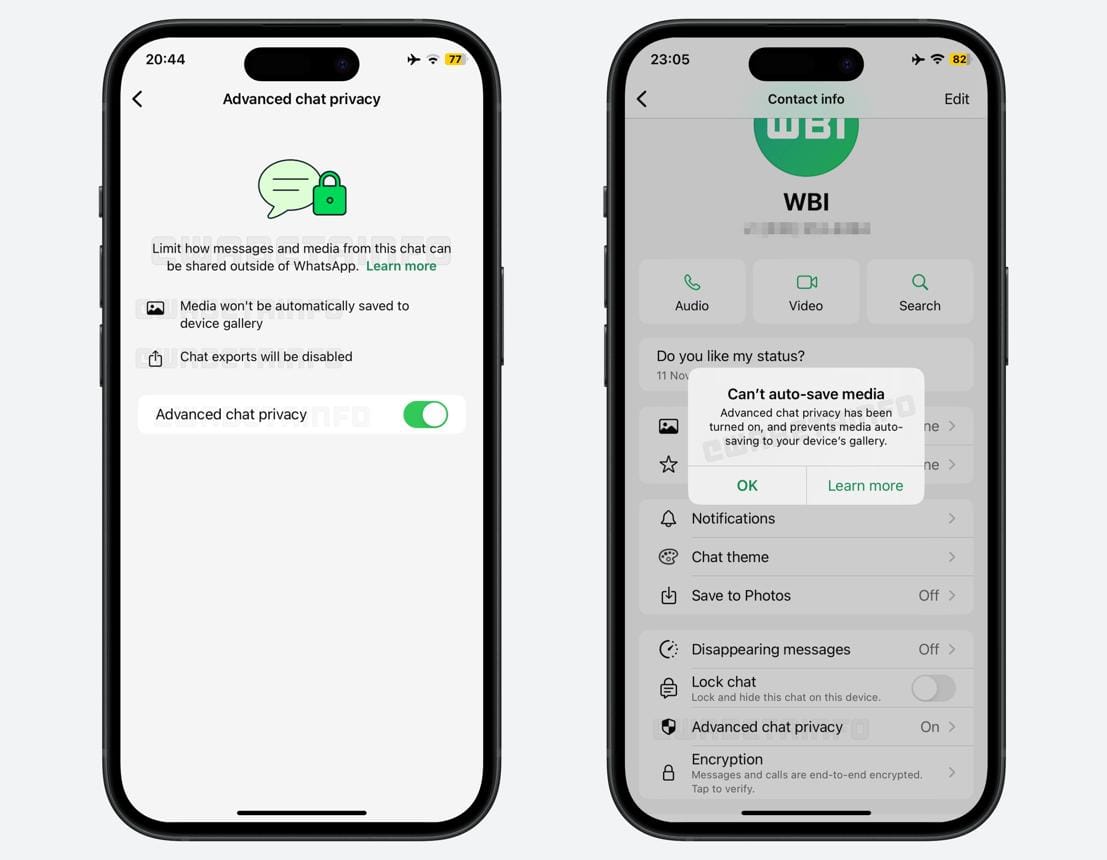
WhatsApp is testing a new privacy-focused feature in its iOS beta version that allows messages to automatically disappear once they are read by the recipient.

This new “After Reading” option expands on the platform’s existing “Disappearing Messages” feature, which previously allowed users to set messages to delete after fixed time periods such as 24 hours, 7 days, or 90 days.

With the new update, users will be able to choose a more immediate privacy option where messages are automatically deleted after being opened, providing stronger control over sensitive conversations.

The feature is designed to enhance user privacy and reduce the risk of message storage or unintended sharing. It is especially useful for sharing confidential or time-sensitive information.

In addition to this, WhatsApp is also introducing “Custom Timers,” allowing users to set personalized message deletion periods such as 1 hour, 6 hours, or 2 days, depending on their preference.

Currently, these features are available only to selected iOS beta testers. However, the company is expected to roll them out gradually to Android users and eventually to the wider public in future updates.

Meta Platforms continues to focus on improving privacy and security across its messaging ecosystem, with more advanced message control tools expected in upcoming releases.

Google Launches Gemini Omni AI for Video Creation

Google has officially introduced its new multimodal AI system, Gemini Omni AI, designed to transform how users create and edit videos using artificial intelligence.

The new system, part of the latest Google Gemini ecosystem, is capable of processing multiple types of input including images, audio, video, and text. This allows users to generate high-quality video content with advanced realism and contextual understanding.

One of the key features of Gemini Omni AI is natural language-based video editing. Users can simply describe changes in text or voice, such as adding characters, modifying scenes, or changing visual styles, and the AI automatically updates the video accordingly.

The model is built using Google’s advanced world knowledge and physics-based understanding, enabling it to generate more realistic motion and environments. It can simulate real-world behavior such as fluid dynamics and physical interactions to improve video authenticity.

Google has also introduced the first version, Gemini Omni Flash, which is now available in the Gemini App, Google Flow, and YouTube Shorts.

The company plans to expand access to developers and enterprises through API integration in the near future, allowing broader use of AI-powered video generation tools.

Users will also be able to create personalized digital avatars with their own voice and appearance, enabling highly customized video content creation. All outputs generated by Gemini Omni will include SynthID watermarking to ensure transparency and traceability of AI-generated media.

Google stated that safety remains a key priority, and the system has been designed with strict policies to ensure responsible and secure AI usage.

WhatsApp Introduces Custom Lists Feature to Organize Important Messages

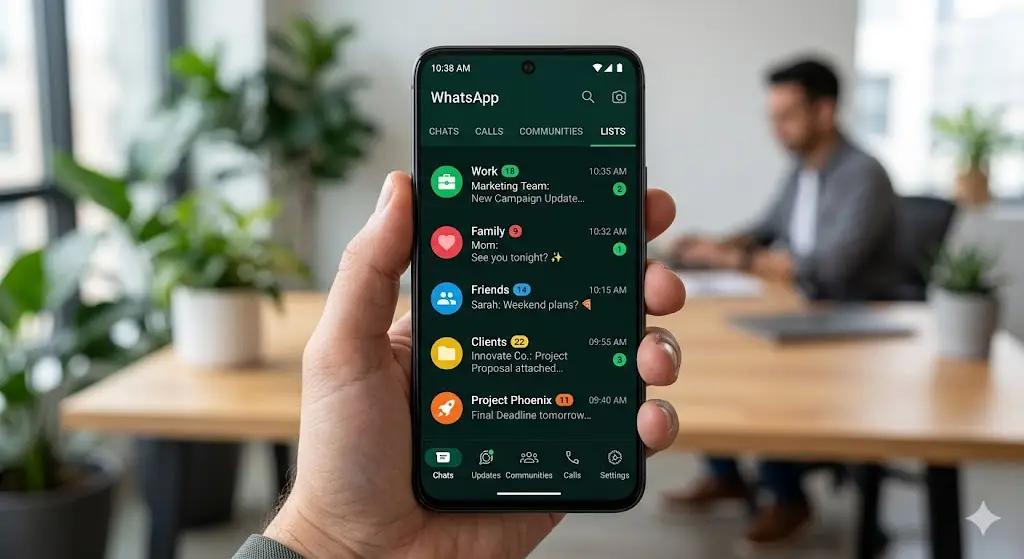
WhatsApp has introduced a useful new feature called “Custom Lists” to help users organize their chats more efficiently. Today, WhatsApp plays a major role in both personal and professional communication. From family conversations and office discussions to school groups and customer messages, users manage multiple types of chats in a single platform.

To make message management easier, WhatsApp now allows users to create customized chat categories through the new Custom Lists feature. Users can organize conversations into separate sections such as family, work, friends, clients, or business contacts. This feature helps users quickly access important chats without spending time endlessly scrolling through messages.

Users can activate this feature by opening the WhatsApp Settings menu and scrolling down to the “Lists” option. They can then create a new list and add selected chats to that category. Once completed, users can open the list to view only the conversations related to that specific section.

The new feature improves chat organization and helps users focus on important messages more effectively. It also allows users to separate personal and professional communication, reducing confusion and improving productivity.

Technology experts believe the Custom Lists feature will become highly popular among users who handle large numbers of daily conversations. The update reflects WhatsApp’s continued focus on improving user experience and communication management.

Samsung Galaxy S25 Ultra Gets Massive Price Drop in Amazon Great Summer Sale 2026.

amsung Galaxy S25 Ultra is now available at a massive discounted price during the 2026 Amazon Great Summer Sale. Samsung launched the premium flagship smartphone in January 2025, and the device continues to remain one of the most popular high-end Android phones even after the arrival of the S26 Ultra series.

The base variant of the Galaxy S25 Ultra with 12GB RAM and 256GB internal storage originally carried a price tag of ₹1,29,999. As part of the limited-time Amazon Great Summer Sale offer, buyers can now purchase the smartphone for just ₹99,999 after receiving a direct 23% discount. This attractive deal has created huge excitement among smartphone lovers and technology enthusiasts across India and global markets.

Samsung designed the Galaxy S25 Ultra with premium features, advanced AI capabilities, professional-grade cameras, and flagship-level performance. The smartphone delivers a powerful user experience with its high-refresh-rate display, long-lasting battery, Snapdragon flagship processor, and enhanced photography system. Many users still consider the device one of the best premium smartphones available in 2026.

Technology experts believe this price reduction makes the Galaxy S25 Ultra one of the best-value flagship smartphones currently available online. Customers looking for a premium Samsung device with high-end specifications and future-ready features are showing strong interest in this Amazon sale offer.

The Amazon Great Summer Sale 2026 continues to attract millions of online shoppers with exclusive discounts on smartphones, electronics, gadgets, and home appliances. The discounted price of the Samsung Galaxy S25 Ultra is expected to remain available only for a limited period or until stock lasts.