Switzerland Signs Gaza Humanitarian Declaration

Switzerland has joined 19 other countries in signing a joint declaration expressing serious concern over the worsening humanitarian situation in the Gaza Strip. The Swiss foreign ministry described the situation as dramatic and highly unstable, emphasizing the urgent need for improved access to essential services and humanitarian assistance.

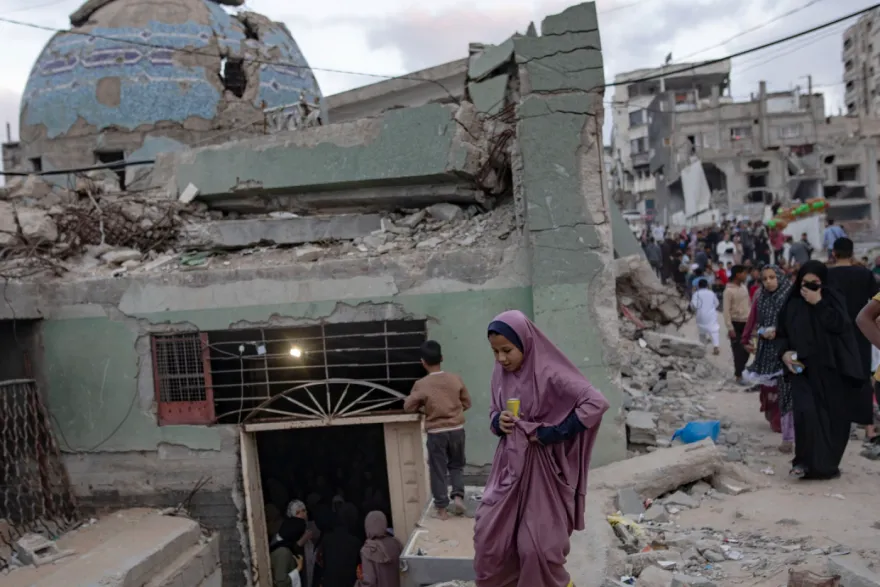
According to the Federal Department of Foreign Affairs, access to basic services in Gaza remains severely restricted. The United Nations reports that the healthcare system is under extreme pressure, with none of the 36 hospitals in the region fully functional and only about half operating partially.

The humanitarian crisis has also led to widespread displacement, with approximately 1.7 million people forced to leave their homes. Overcrowded living conditions, combined with inadequate waste management, have increased the spread of diseases such as skin infections among displaced populations.

In the joint declaration, Switzerland and its international partners called on Israeli authorities not to implement a new registration system for international non-governmental organisations in its current form. The statement also reaffirmed obligations under international humanitarian law, stressing the need to ensure safe, rapid, and unrestricted delivery of aid to civilians.

The declaration was signed alongside countries including Austria, Belgium, Denmark, Finland, France, Germany, Ireland, Japan, the Netherlands, Norway, Spain, Sweden, the United Kingdom, and others, as well as the European Commission.

Switzerland also highlighted its ongoing financial support for the Palestinian population. Since November 2023, the country has provided approximately CHF 174 million in assistance, including CHF 150 million dedicated specifically to humanitarian aid. Additional funding of around CHF 31 million has been allocated for the current year.

Officials in Bern reiterated Switzerland’s commitment to humanitarian principles and international cooperation, stating that continued support for civilians affected by conflict remains a key priority in its foreign policy approach.
Global Ukrainian Summit Brings Leaders to Bern.

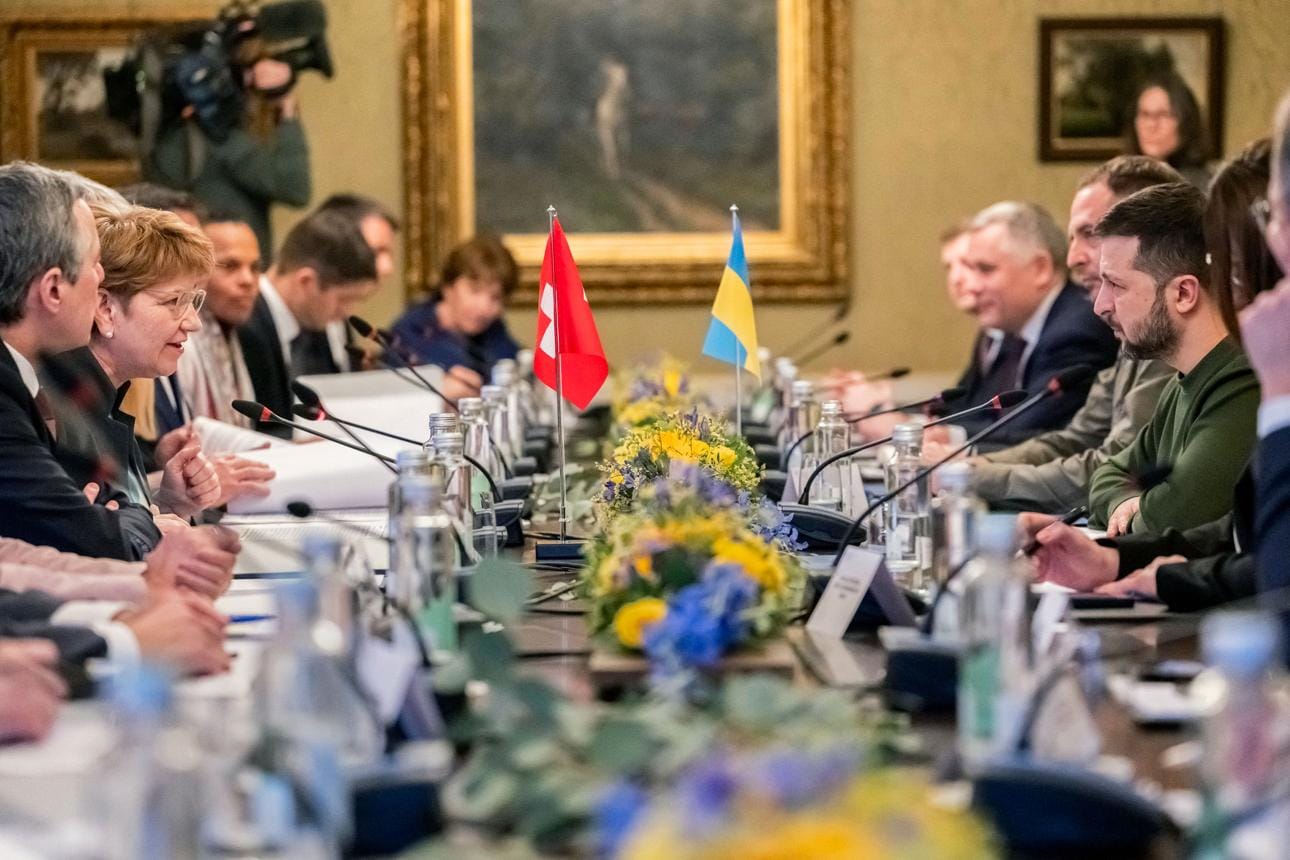
Bern hosted the Global Ukrainian Summit for the first time in Switzerland, bringing together more than 300 representatives of the global Ukrainian community from 50 countries. The three-day event highlighted international cooperation, reconstruction efforts, and the growing role of civil society in supporting Ukraine.

Government officials, diplomats, community leaders, and international partners attended the summit in the Swiss capital. Swiss government delegate for Ukraine, Jacques Gerber, joined discussions focused on strengthening partnerships between Switzerland and Ukraine.

A major theme of the summit was the role of civil society in defending Ukraine’s sovereignty and supporting the country’s long-term recovery. Participants discussed how communities around the world can contribute to rebuilding Ukraine and maintaining international awareness of ongoing challenges.

Ukraine’s Deputy Foreign Minister Mariana Betsa emphasized that Ukrainians living abroad play an important role in shaping the country’s future. She noted that support from global communities continues to strengthen Ukraine’s position on the international stage.

Leaders also highlighted the efforts of the Ukrainian diaspora in mobilizing humanitarian assistance, advocating for international support, and helping maintain global attention on the impact of the war. Delegates agreed that cooperation between governments, organizations, and communities remains essential.

The summit addressed a wide range of topics, including international security, economic reconstruction, youth engagement, cultural diplomacy, and the future role of Ukrainians living abroad. Participants exchanged ideas on how global partnerships can contribute to long-term stability and development.

Officials stressed that security remains a key requirement for the return of millions of displaced Ukrainians. Ukrainian representatives explained that long-term strategies are already being developed to support future resettlement and national recovery efforts.

The event also highlighted the importance of international coordination, including economic measures, legal accountability, and continued diplomatic support. Organizers described Switzerland as an increasingly important platform for dialogue, cooperation, and long-term partnerships with Ukraine.

The successful summit in Bern demonstrated the growing importance of international collaboration and showcased Switzerland’s role in hosting global discussions on peace, reconstruction, and humanitarian cooperation.

Switzerland Hosts Over 140 Foreign Diplomatic Missions.

Switzerland is widely recognized as one of the world’s most important diplomatic centers, hosting a large number of foreign embassies and international representations.

According to available figures, around 146 countries maintain official diplomatic representation in Switzerland. Of these, nearly half have established full embassies directly in the capital city, Bern.

Bern alone hosts approximately 91 foreign embassies, making it a key center for bilateral diplomatic relations. These embassies manage political, economic, and consular relations between Switzerland and their respective countries.

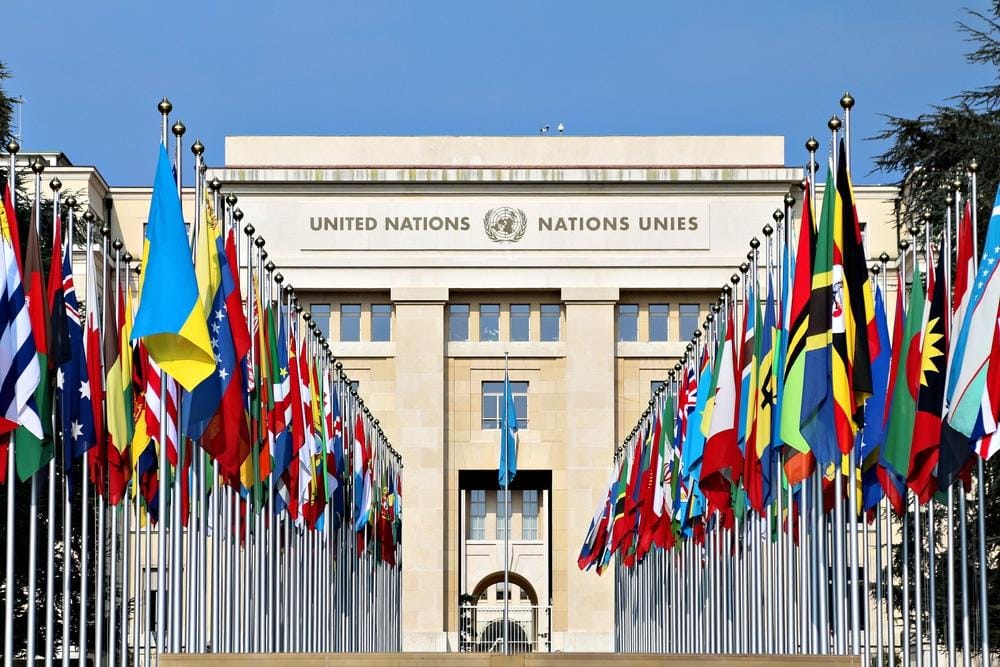
In addition to Bern, Geneva plays a crucial international role. The city is home to the United Nations Office at Geneva and dozens of other global organizations. Around 64 permanent missions representing various countries operate there, focusing on multilateral diplomacy and international cooperation.

Beyond embassies and permanent missions, Switzerland also hosts more than 180 consulates across different cities. These consular offices provide services such as visa processing, assistance to citizens abroad, and trade support.

While Bern serves as the political capital for diplomatic relations, Geneva functions as a global hub for international dialogue, peacebuilding, and humanitarian coordination.

Overall, Switzerland’s diplomatic network reflects its long-standing policy of neutrality and international engagement. With over 140 countries represented in various forms, the country continues to play a central role in global diplomacy and international governance.

Switzerland Ready for June G7 Summit.

Switzerland is making final preparations for the upcoming G7 Summit in Evian, France, with Swiss President Guy Parmelin expressing confidence that the country will be ready for the high-profile international event. The summit, scheduled to take place from June 15 to 17, will bring together some of the world’s most influential political leaders.

As part of the event, several heads of state are expected to arrive through Geneva before attending meetings in nearby Evian. Parmelin said authorities are working closely on security, logistics, and diplomatic arrangements to ensure smooth operations throughout the summit period.

Speaking in Geneva, the Swiss president acknowledged that major international events often come with unexpected challenges. He recalled the 2021 summit between former US President Joe Biden and Russian President Vladimir Putin, noting that numerous unforeseen issues emerged during preparations.

Swiss authorities continue to coordinate with their French counterparts regarding security measures and financial responsibilities linked to the event. Discussions are ongoing concerning a potential French contribution toward Switzerland’s security costs, which Parmelin indicated could be significant.

The president also met with Geneva police commander Monica Bonfanti to review preparations. Authorities aim to maintain public safety while managing expected diplomatic activities and potential demonstrations. A planned protest in Geneva on June 14 is also being monitored as part of the broader security strategy.

Parmelin emphasized that both Switzerland and France share a common objective: ensuring the summit proceeds smoothly and securely. The event is expected to place Geneva at the center of international attention as world leaders gather to discuss global political and economic challenges.

With security planning intensifying and diplomatic coordination continuing, Switzerland is preparing to play an important supporting role in one of the year’s most significant international meetings.

UNRWA Faces Uncertain Future Amid Deepening Crisis

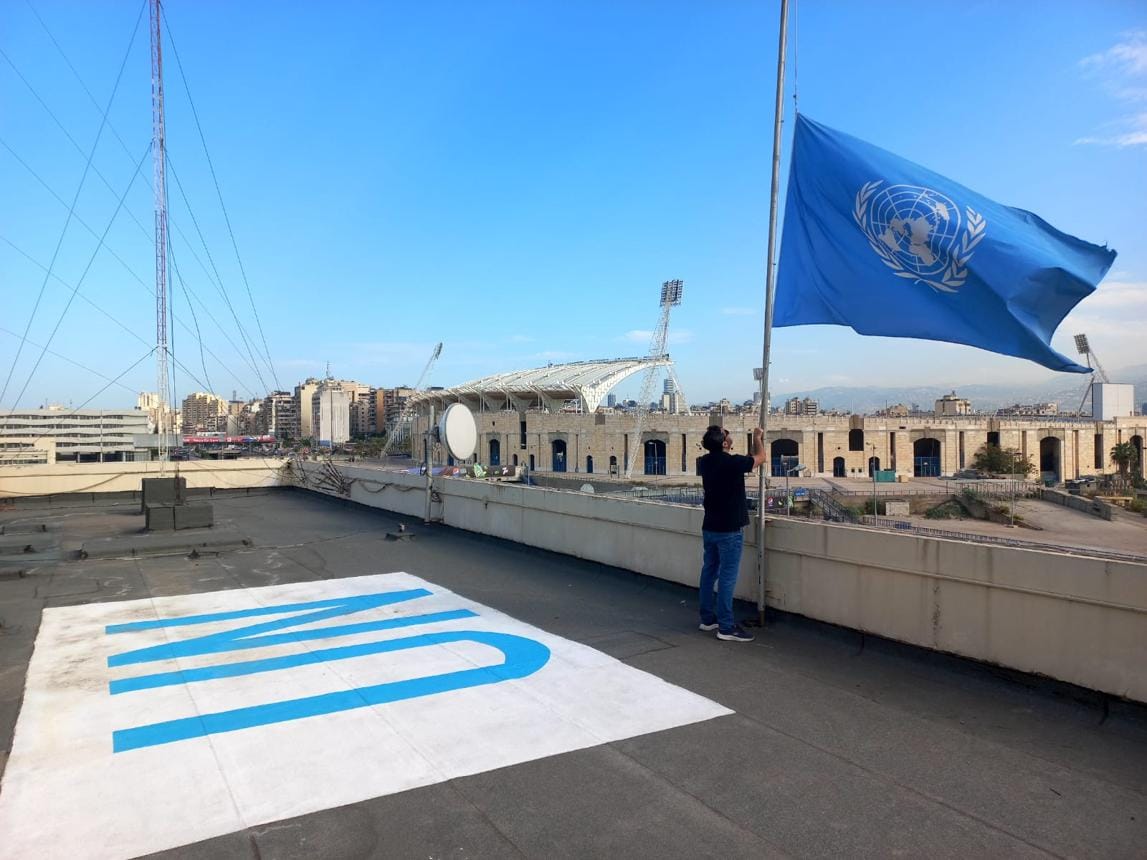
The United Nations Relief and Works Agency for Palestine Refugees (UNRWA) is facing what officials describe as the most serious crisis in its history, with growing financial strain, political pressure, and operational challenges threatening its future.

UNRWA Commissioner-General Philippe Lazzarini warned that the agency is approaching a point where it may become “unviable,” highlighting the severe difficulties it is currently facing.

The agency, based in Geneva, was originally established in 1949 to provide relief services to Palestinian refugees displaced during the 1948 conflict. Over time, it has evolved into a major humanitarian provider, delivering essential health, education, and social services across the Middle East.

Despite its expanded role, UNRWA was intended as a temporary organization until a political resolution to the Israeli-Palestinian conflict was reached. However, the absence of a lasting settlement has led to repeated renewals of its mandate.

Today, UNRWA operates under increasing pressure, particularly in Gaza, where access and operational capacity have been significantly affected by ongoing conflict and political restrictions.

Financial constraints have further intensified concerns, with donor uncertainty and political debates impacting the agency’s ability to maintain essential services for millions of refugees.

The situation has sparked global debate about the future of humanitarian aid structures in the region and whether UNRWA’s responsibilities should be restructured or replaced in the long term.

As the crisis deepens, international stakeholders continue to assess how best to ensure continuity of aid for Palestinian refugees while addressing the agency’s long-standing structural challenges.

Switzerland Opens New Embassy in Athens.

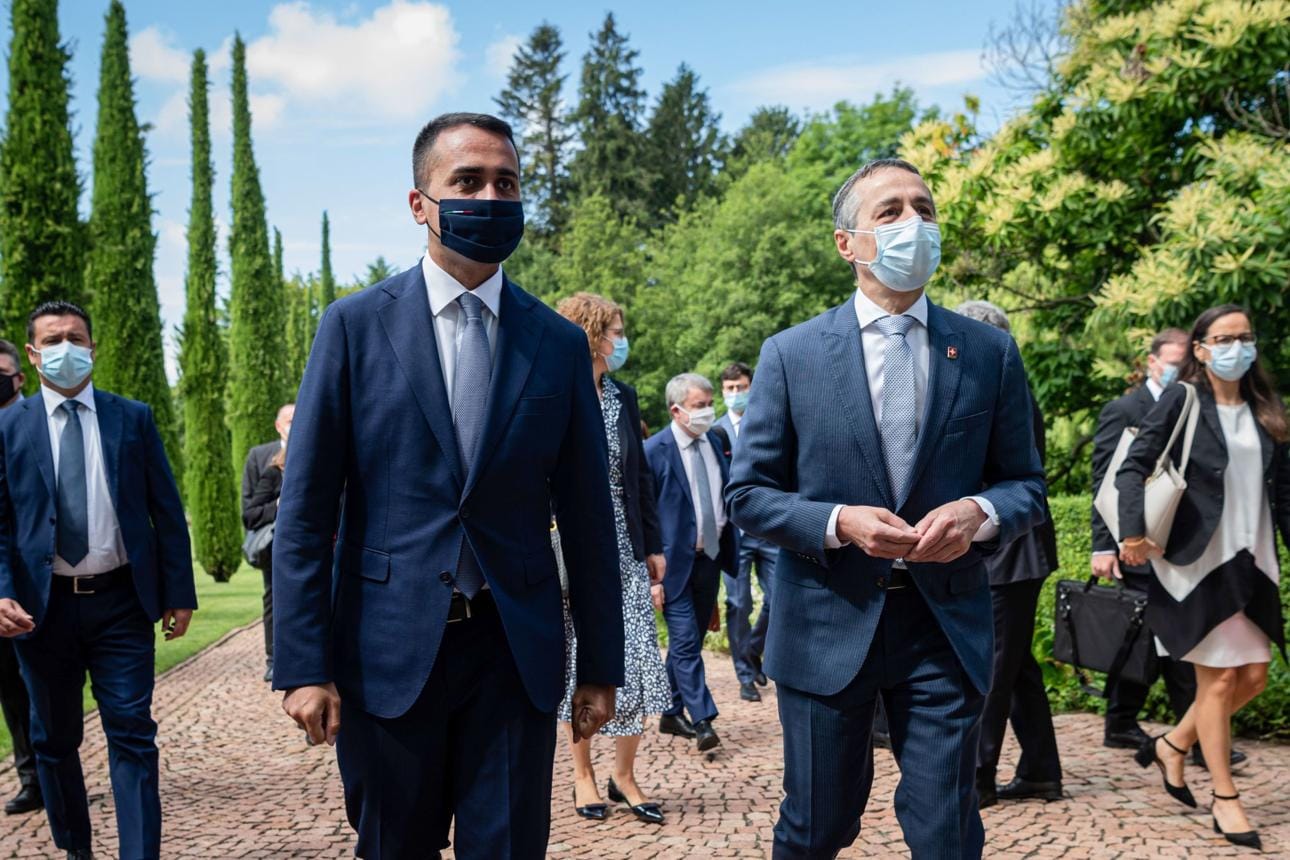
Ignazio Cassis officially inaugurated the new Swiss embassy in Athens, introducing a unique diplomatic space designed to combine culture, science, and international cooperation.

The newly opened facility has been described as a “Swiss House for Culture, Research and Diplomacy.” It brings together the Swiss embassy, the Swiss School of Archaeology in Greece, and a cultural foundation under one roof for the first time.

According to Cassis, the project represents a modern vision of diplomacy where scientific research, cultural exchange, and international relations operate together within a shared environment.

During his visit to Greece, Cassis also held official talks with Giórgos Gerapetrítis. Discussions focused on strengthening bilateral relations, economic cooperation, scientific partnerships, and cultural collaboration between Switzerland and Greece.

The ministers also reviewed the Swiss-Greek cooperation programme connected to Switzerland’s second contribution toward European cohesion and regional development.

In addition, Cassis met with Nikos Dendias to discuss regional security issues within the framework of the Organization for Security and Co-operation in Europe (OSCE), which Switzerland currently chairs.

Swiss officials noted that Greece shares Switzerland’s strong commitment to multilateral diplomacy and plays an important role in maintaining stability in the Eastern Mediterranean and Western Balkans.

The opening of the new embassy highlights Switzerland’s efforts to strengthen international partnerships through diplomacy, culture, education, and scientific collaboration.