Switzerland Expected to See Moderate Economic Growth: OECD Report.

The Organisation for Economic Co-operation and Development (OECD) has projected that Switzerland will experience moderate economic growth in the coming years, supported mainly by strong domestic demand despite global economic uncertainties.

According to the latest report published on Tuesday, Switzerland’s real GDP is expected to grow by 1.1% in 2026 and rise to 1.5% in 2027. The outlook suggests that the Swiss economy will remain relatively stable even as global energy prices and geopolitical tensions continue to impact international markets.

The OECD notes that higher energy costs and weaker external demand may slightly affect exports in the short term. However, Switzerland’s strong domestic market and low dependence on fossil fuels are helping to cushion the impact. The country’s limited reliance on Middle Eastern energy imports also reduces its vulnerability compared to many other OECD economies.

Export performance is expected to recover in 2027 as key trading partners rebound from the energy shock. This recovery is likely to support Swiss industries, particularly export-driven sectors such as pharmaceuticals and high-value manufacturing.

Inflation in Switzerland is projected to remain within the Swiss National Bank’s (SNB) target range of 0–2%, despite short-term pressure from rising energy prices. The Swiss franc’s strength, driven by its safe-haven status, continues to influence monetary policy decisions and help control inflation levels.

The OECD also highlights potential risks, including prolonged energy market instability, supply chain disruptions, and possible new trade tariffs. However, a faster-than-expected recovery in Europe and other major markets could further improve Switzerland’s growth outlook.

Overall, the Swiss economy is expected to remain stable, with gradual growth supported by domestic resilience, cautious monetary policy, and a strong financial system.
Middle East War Could Indirectly Affect Switzerland.

If a major conflict or war in the Middle East, particularly involving Iran, escalates further, Switzerland could be affected indirectly rather than through direct security threats. Due to its neutral position and geographic location in central Europe, the country is not expected to face immediate military risks. However, global economic and political ripple effects could still influence daily life in Switzerland.

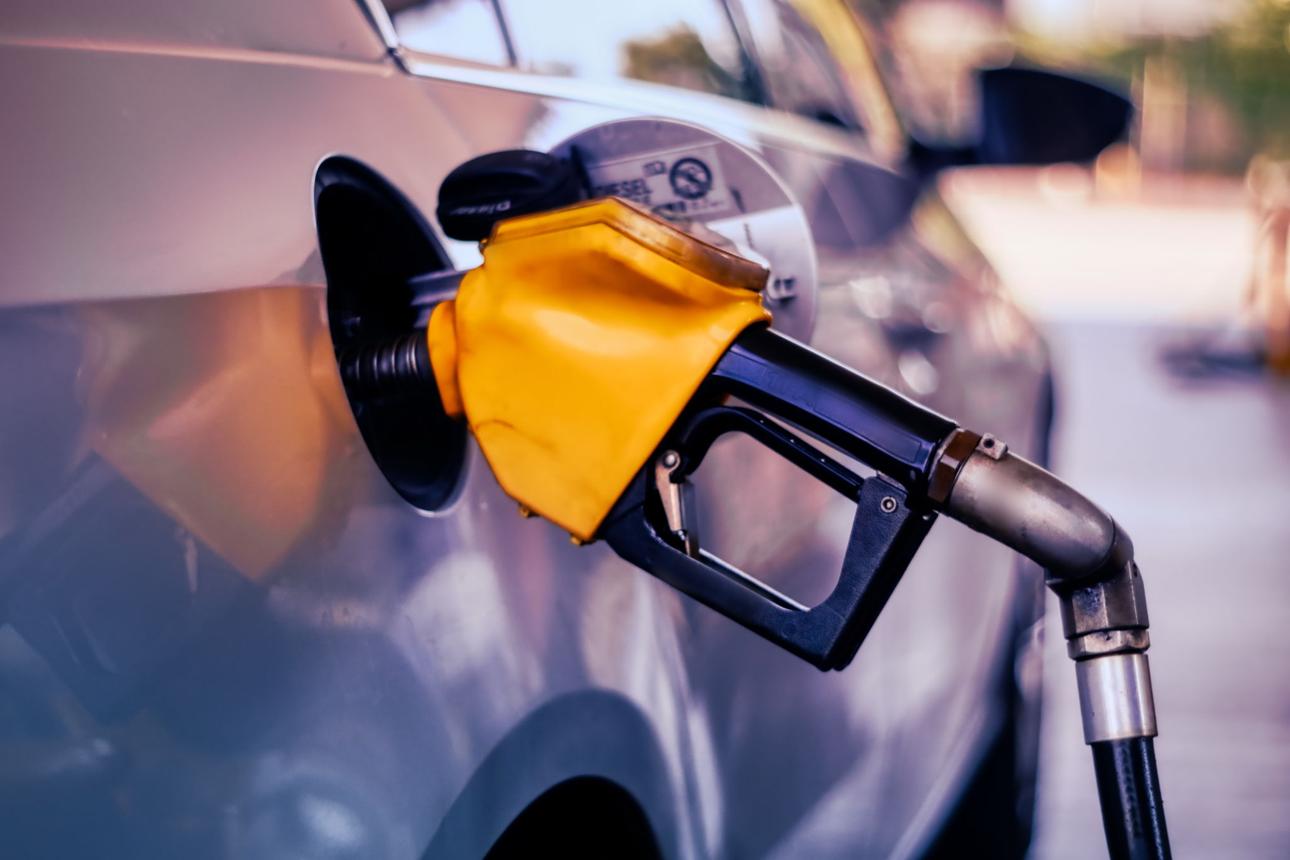
One of the most immediate impacts would likely be on energy prices. A large portion of global oil and gas supplies is linked to the Middle East. If tensions rise, global energy markets often react quickly, leading to higher fuel prices. This could affect petrol, diesel, and even air travel costs in Switzerland.

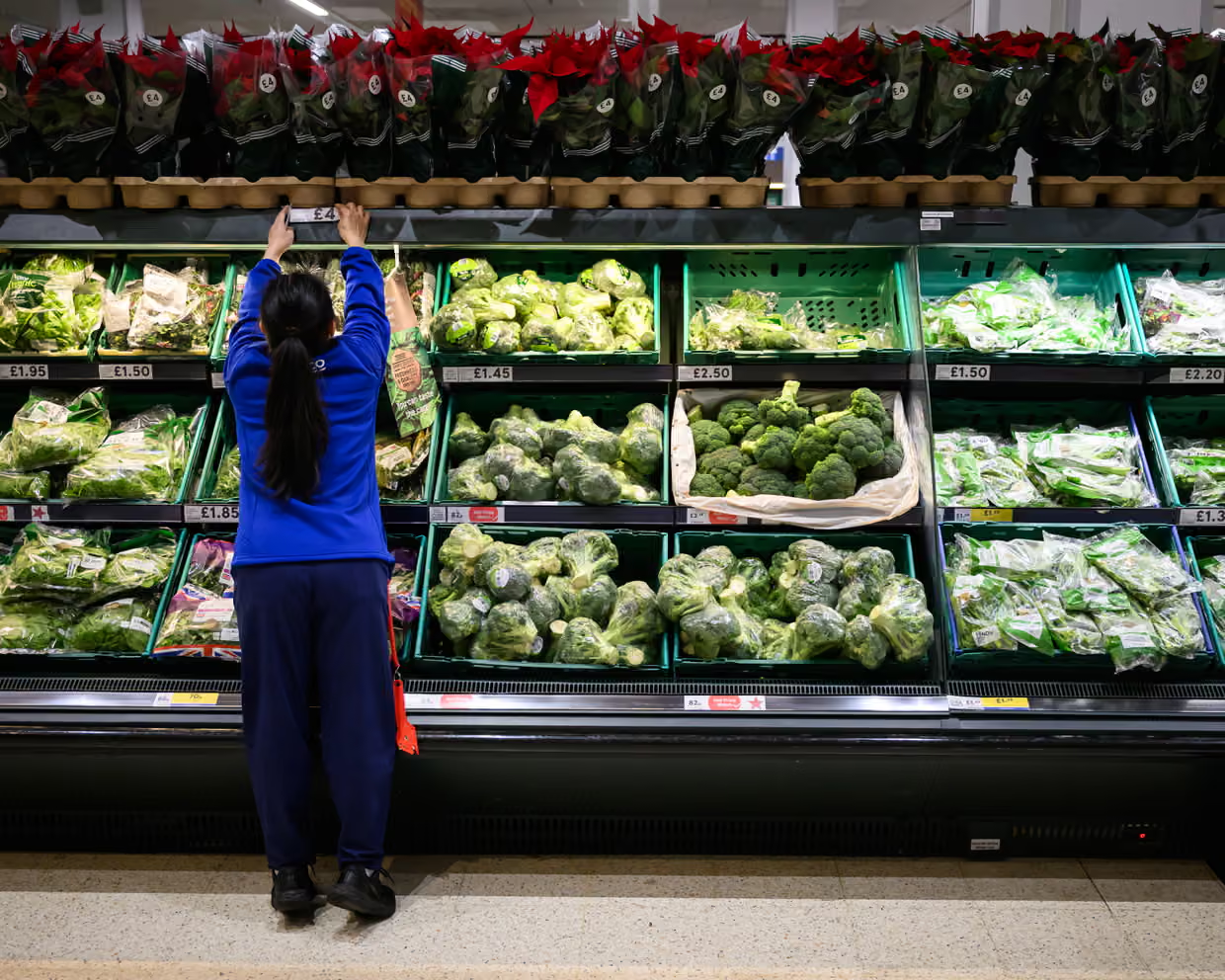
Higher energy prices typically contribute to inflation. As transportation and production costs increase, the prices of food, goods, and essential services may also rise. This can gradually affect household budgets across the country.

Financial markets may also experience volatility. Switzerland’s banking and investment sectors are closely connected to global markets, meaning uncertainty can impact stock prices, investments, and corporate performance. Export-oriented industries could also experience slower growth if global demand weakens.

There may also be broader security and migration-related effects across Europe. Increased instability in the Middle East can lead to higher refugee flows and stricter border monitoring across European countries, including Switzerland.

Despite these indirect risks, Switzerland’s neutrality significantly reduces the likelihood of any direct military involvement. The country focuses on diplomacy, stability, and economic resilience, which helps limit immediate threats to the population.

Overall, while everyday life in Switzerland is unlikely to be directly disrupted by a Middle East conflict, global economic connections mean that energy prices, inflation, and financial stability could still be affected depending on how the situation develops internationally.

Britain Faces Growing Food Crisis Warning.

Food experts warn that Britain is moving toward a major food crisis driven by extreme weather, rising inflation, and global geopolitical tensions. Industry leaders say the government must act urgently to strengthen national food security before conditions worsen.

Farmers across the UK are struggling through severe heatwaves after an unusually dry spring. High temperatures are reducing crop yields, stressing livestock, and increasing wildfire risks. Experts believe the economic damage could reach hundreds of millions of pounds.

Food inflation already continues to pressure British households. Analysts predict food prices could become 50% higher this November compared to levels seen five years ago. Ongoing climate disruptions and supply chain instability are expected to worsen the situation further.

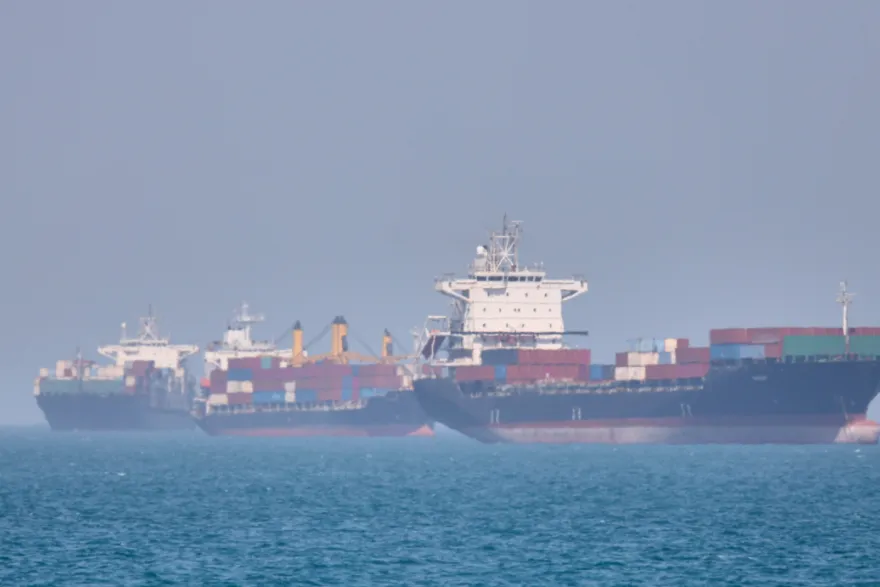
The conflict involving Iran also adds pressure on global fuel and fertiliser markets. Experts warn that disruptions near the Strait of Hormuz continue to affect international trade routes, increasing costs for farmers and food producers worldwide.

A coalition of food policy experts has written to UK ministers demanding an updated national food strategy. The group calls for stronger domestic food production, better protection against supply chain shocks, and improved public access to affordable and healthy food.

Food policy specialist Tim Lang criticises the government for treating the crisis as “business as usual.” He warns that climate change, inflation, and geopolitical instability are creating long-term risks to national food security.

Retired General Richard Nugee also describes food security as a major national security issue. He says supply disruptions and rising living costs could increase public frustration if the government fails to maintain stable and affordable food supplies.

Experts now urge Britain to prepare for a future shaped by extreme weather, global instability, and increasing pressure on agricultural systems.

Economist Warns War Could Hurt Swiss Economy.

A leading Swiss economist has warned that the ongoing conflict in the Middle East could seriously affect Switzerland’s economy by disrupting global supply chains and increasing energy prices.

Jan-Egbert Sturm, director of the KOF Swiss Economic Institute, said Switzerland’s economy remains stronger than expected despite global instability. The country recorded 0.5% GDP growth during the first quarter of 2026.

However, Sturm cautioned that the longer the conflict continues, the more Switzerland will experience its economic consequences. He highlighted concerns over the Strait of Hormuz, a key global oil and gas shipping route, warning that prolonged disruptions could affect fuel supplies and prices worldwide.

Although Asian economies may feel the immediate pressure first, Switzerland could also face delayed economic impacts through rising transport costs and weakened consumer demand.

According to Sturm, increasing petrol and energy prices raise business expenses, which companies often pass on to consumers through higher product prices. As living costs rise, households may reduce spending in other sectors, slowing overall economic activity.

The economist also warned about the possibility of a wage-price spiral if workers demand higher salaries to offset inflation. He expects Swiss inflation to reach around 2% this year, remaining within the target range set by the Swiss National Bank.

Despite current economic resilience, Sturm stressed that extended geopolitical instability could threaten Switzerland’s long-term prosperity.

Middle East Conflict and Oil Prices Threaten Swiss Economic Growth

The ongoing Middle East conflict is likely to slow down Switzerland’s economic growth while increasing inflation, according to new projections from UBS economists.

Analysts Alessandro Bee and Matteo Mosimann warn that if tensions between the United States and Iran continue, oil prices could rise above $150 per barrel. Such a surge would significantly increase global energy costs and raise fears of a broader economic slowdown.

The report highlights that higher fuel prices are already impacting Swiss households. Increased costs for petrol and heating oil are currently costing consumers around CHF 170 million per month, although this still represents less than 0.5% of total household spending.

Despite rising prices, consumer confidence has weakened. UBS noted that morale dropped in March and April to its lowest level in nearly two and a half years. However, industrial sentiment has remained relatively stable, showing limited immediate impact on production activity.

Economists expect some stabilization if geopolitical tensions ease in the coming months, with global oil supply likely to normalize in the second half of the year. However, they still caution that the Swiss economy will face pressure even under improved conditions.

UBS has revised its growth outlook downward. For 2026, Swiss GDP is now expected to grow by just 0.7%, compared with earlier forecasts of 0.9%. In 2027, growth is projected at 1.4%, slightly below previous estimates.

Despite the slowdown, economists believe Switzerland could benefit indirectly from fiscal stimulus measures in Europe, including Germany’s tax package, which may support confidence and economic activity in the longer term.

Overall, the outlook suggests moderate but manageable economic pressure rather than a severe downturn.

Swiss Economy Grows 0.5% Despite Oil Price Shock

The Swiss economy recorded stronger-than-expected growth in early 2026 despite global pressure from rising oil prices and ongoing trade uncertainties.

According to a flash estimate released by the State Secretariat for Economic Affairs (SECO), Switzerland’s gross domestic product (GDP) increased by 0.5% in the first quarter of 2026 compared to the previous quarter.

Both the industrial and service sectors contributed to this positive performance, showing resilience even amid external economic shocks.

The growth rate exceeded analysts’ expectations, which had predicted expansion between 0.3% and 0.4%, according to market surveys.

In the previous quarters, the Swiss economy showed mixed performance, including a 0.2% growth at the end of 2025 and a 0.5% contraction earlier due to tariff-related tensions.

SECO officials noted that improved business confidence played a key role in the recovery, along with easing tariff pressures and modest positive spillover effects from Germany’s economy.

However, economists remain cautious about the outlook. Rising oil prices, which increased significantly in March, could still affect economic momentum in the coming months.

Despite this, confidence indicators have remained relatively stable, suggesting that short-term growth may continue.

The Swiss government currently projects annual growth of around 1.0%, though this could be revised down to 0.8% if high energy prices persist.

A detailed GDP breakdown is expected in the upcoming full report scheduled for June 1, which will provide deeper insight into sector-specific performance.

Switzerland Avoids Recession Despite Oil Crisis, Study Finds.

A new economic study suggests that Switzerland is unlikely to fall into recession despite rising global oil prices and ongoing energy market tensions linked to the Middle East situation.

According to economists at Raiffeisen Group, Switzerland’s economy is expected to continue growing in 2026, with projected GDP growth between 0.5% and 1%, depending on different economic scenarios.

Chief economist Fredy Hasenmaile stated that although the current energy crisis resembles past oil shocks, Switzerland is in a much stronger position today compared to the 1970s. During the 1973 oil crisis, the Swiss economy suffered a sharp downturn, with GDP falling significantly and inflation rising sharply.

However, the study highlights that Switzerland has become far less dependent on oil over the decades. Oil now accounts for a smaller share of total energy consumption, while energy efficiency across industries has improved significantly. This structural change has reduced the economic impact of oil price increases.

Economists estimate that a 10% rise in oil prices now reduces Swiss economic growth by only around 0.05%, compared to a much stronger impact in past decades.

Despite this resilience, the report warns that risks remain. Switzerland still imports a large share of its energy, and transportation remains heavily dependent on fossil fuels. Additionally, Switzerland’s export-driven economy is closely linked to global markets, making it sensitive to international economic fluctuations.

Overall, analysts conclude that Switzerland’s improved energy efficiency, diversified economy, and strong institutional stability help protect it from recession, even during global energy shocks.

Financial Pressure Growing Among Switzerland’s Middle Class.

Financial pressure is increasing for many middle-class families in Switzerland, according to new data released by the Federal Statistical Office.

Although the majority of people in Switzerland are classified as middle income, many households are struggling with financial insecurity and rising living costs.

The Federal Statistical Office reported that around one in four people in the lower middle class would be unable to cover an unexpected expense of CHF 2,500 (approximately $3,200).

The findings are based on Switzerland’s household budget survey and research into income and living conditions.

According to the FSO, approximately 4.9 million people in Switzerland belonged to the middle-income category in 2024.

The classification includes single adults earning between CHF 4,228 and CHF 9,061 per month, as well as couples with two children earning a combined gross monthly income between CHF 8,800 and CHF 19,028.

However, the data show that financial difficulties are especially severe among the lower middle class, which represents roughly 2.3 million residents.

This category includes single individuals earning below CHF 6,041 monthly and families with two young children earning less than CHF 12,685 combined income.

Experts say rising housing costs, healthcare expenses, inflation, and everyday living costs continue to place increasing pressure on middle-income households across Switzerland.

The report highlights growing concerns over financial vulnerability even among people traditionally considered economically stable.

Economists warn that continued increases in living expenses could further weaken household purchasing power and long-term financial security for many Swiss residents.

Swiss Consumer Confidence Rises Slightly but Remains Weak

Consumer confidence in Switzerland has shown a slight improvement in April, but overall sentiment remains weak as households continue to face economic uncertainty and persistent high prices.

According to data released by the State Secretariat for Economic Affairs, the consumer confidence index rose to -40.0 points in April, up from -42.9 in March. In February, the index had already dropped sharply from -30.4, indicating continued volatility in public sentiment.

Despite the monthly improvement, the index remains below the long-term average of -37.5, highlighting ongoing economic concerns among Swiss households.

On a year-on-year basis, consumer confidence improved slightly by 2.4 points, but expectations for the future remain cautious.

A key driver of the slight improvement is the better perception of the overall economic outlook. The sub-index measuring expected economic development rose from -67.9 to -58.0 in April.

However, this figure is still far below its long-term average of -33.6, showing that consumers remain pessimistic about future economic growth.

Experts note that job insecurity, inflationary pressure, and high living costs continue to weigh heavily on household sentiment.

While some stabilization is visible, economists caution that consumer confidence in Switzerland is still fragile and could be affected by global economic conditions, interest rate changes, and geopolitical uncertainty.