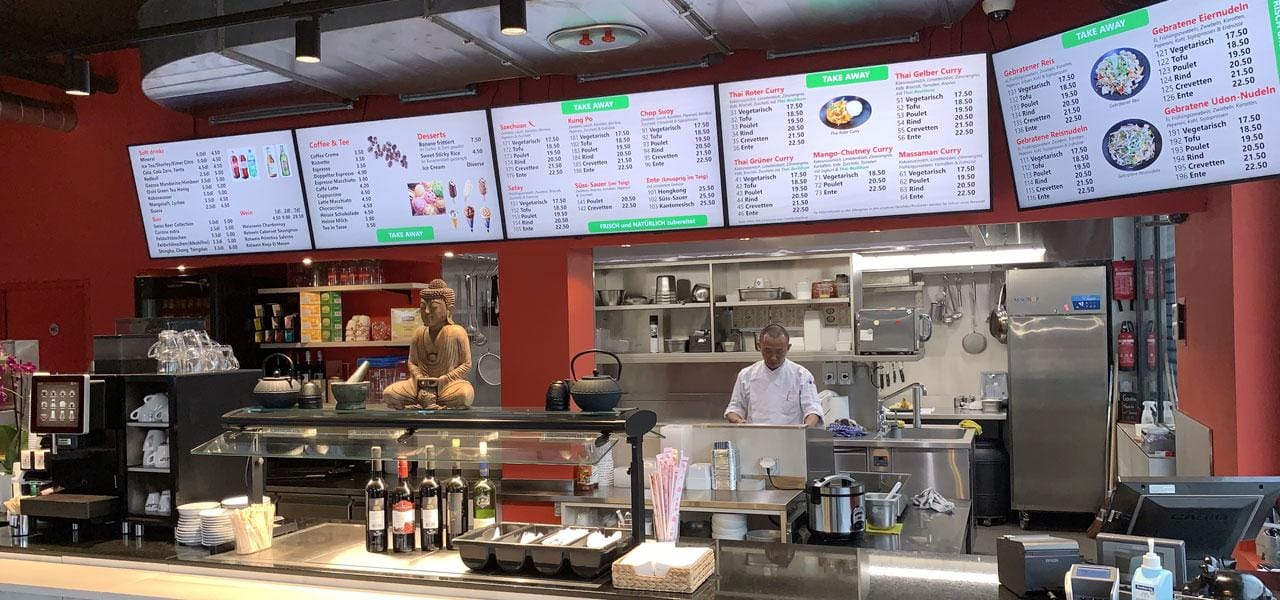
Swiss Restaurant Industry Faces Mixed Financial Pressure in 2025

The restaurant and gastronomy sector in Switzerland is currently experiencing a mixed and challenging business environment. While some restaurants continue to perform well, many smaller establishments are struggling to maintain profitability due to rising operational costs and changing customer behaviour.

According to industry data from GastroSuisse and KOF, restaurant revenues in early 2025 show a decline compared to the previous year, highlighting ongoing pressure across the sector.

Rising operational costs impact profitability

One of the main challenges for Swiss restaurants is the continuous increase in operating expenses. Costs for rent, employee salaries, insurance, electricity, and raw materials have all risen significantly. As a result, profit margins have become tighter, especially for small and medium-sized businesses.

Changing customer behaviour

Consumer habits have also shifted. Many people are dining out less frequently or choosing more affordable options. This trend has directly affected mid-range and fine dining restaurants, particularly in urban areas where competition and costs are high.

Restaurant closures in high-cost areas

Some restaurants have been forced to close, especially in city locations with high rental prices. Fine dining establishments are also facing increased financial pressure due to higher operational requirements and reduced customer spending.

Opportunities still exist in the market

Despite the challenges, opportunities remain for well-planned businesses. Restaurants that succeed often focus on:

  • Prime location selection
  • Efficient and affordable menu concepts (such as Asian, Indian, or takeaway models)
  • Strict cost management
  • Active involvement of the owner in daily operations

These factors help certain restaurants remain profitable even in a competitive environment.Overall, the Swiss gastronomy sector does not offer easy profits at the moment. Success depends heavily on management efficiency, location choice, and customer targeting. New investors are advised to carefully evaluate rent, competition, and customer demographics before starting a restaurant business in Switzerland.


Nestlé Acquires Full Ownership of Germany’s yfood Labs.

Swiss food and beverage giant Nestlé has agreed to acquire full ownership of Germany-based yfood Labs, a company known for its liquid meals, powdered nutrition products, and snack bars.

Nestlé previously held a 49% stake in the Munich-based company since 2023. With this new agreement, the multinational will take complete control of the business, further expanding its presence in the growing functional food and meal-replacement market.

Although financial details of the transaction were not disclosed due to a confidentiality agreement, Nestlé confirmed that yfood Labs generated approximately €150 million (CHF 137.5 million) in revenue last year, highlighting the company’s strong performance in its sector.

The transfer of shares from the founders is expected to take place on July 3, pending the necessary regulatory approvals. Once completed, the acquisition will allow Nestlé to fully integrate yfood Labs into its broader global portfolio.

Industry analysts view the deal as part of Nestlé’s ongoing strategy to strengthen its position in innovative nutrition products that target modern consumer lifestyles, including on-the-go meals and health-focused alternatives.

The acquisition also reflects the continued consolidation trend in the European food and beverage sector, where major corporations are expanding through strategic investments in fast-growing niche brands.

How Switzerland Became the World’s Second-Largest Coffee Exporter

Switzerland has become one of the most surprising leaders in the global coffee export market, despite not producing a single coffee bean due to its climate. Today, it ranks as the second-largest coffee exporter in the world, only behind Brazil.

The success is driven not by cultivation, but by high-value processing and re-exporting. Green coffee beans are imported into Switzerland at relatively low prices and then transformed into premium roasted products for global markets. According to research from the University of St. Gallen, raw coffee beans are imported at around $5 per kilogram, while processed exports can reach up to $26.80 per kilogram.

This massive value addition has made coffee Switzerland’s most important agricultural export, even surpassing traditional Swiss products such as cheese and chocolate in total export share.

A major contributor to this industry is global food and beverage giant Nestlé, which has built a strong global coffee ecosystem through brands like Nespresso and Nescafé. Switzerland has also become a key hub for trading, roasting, packaging, and distribution of coffee to international markets.

Experts say Switzerland’s success lies in its strong logistics infrastructure, political stability, financial systems, and high-tech food processing capabilities. These advantages allow companies to import raw materials, add value through advanced processing, and re-export finished goods efficiently.

However, the story of Swiss coffee dominance also has a complex side. While Switzerland profits significantly from coffee trading, most coffee is grown in developing countries where farmers often receive only a small portion of the final retail value. This global imbalance has sparked ongoing discussions about fairness in the coffee supply chain.

Today, Switzerland’s coffee industry stands as a powerful example of how a country can dominate global trade not through raw production, but through innovation, branding, and value-added processing.

Ice Cream Sales Continue to Grow Across Switzerland in 2025.

Ice cream consumption continued to rise in Switzerland during 2025, driven mainly by warmer weather and growing demand for home consumption. New figures released by Glacesuisse show steady growth across multiple product categories.

According to the industry association, Glacesuisse members sold a total of 44.9 million litres of ice cream last year, marking a 2% increase compared with 2024. Around two-thirds of total sales, equivalent to 30.5 million litres, came from Swiss-made ice cream products.

Swiss ice cream producers also expanded internationally, exporting approximately 5.5 million litres during the year. The strongest sales growth occurred in the second quarter, where sales surged by 16.6% due to higher temperatures and increased seasonal demand.

However, sales declined slightly during the first and third quarters, reflecting changing weather patterns and consumer behaviour. Despite this, the final quarter of the year recorded a modest increase of 1.4%.

Home consumption remained one of the strongest trends in the Swiss market. Sales for take-home products such as multipacks, cones, ice cream blocks, and family-size packs rose by 2.3%, reaching 28.7 million litres in total.

Among all product categories, multipack cones recorded the highest growth, increasing by 12.8%. Meanwhile, “street products” such as individually sold ice creams increased by 1.7%, while sales for bulk consumers, including restaurants and hospitality businesses, rose by 1.2%.

The latest figures highlight the continued strength of Switzerland’s food and beverage sector, especially during warmer summer seasons when consumer demand for frozen products rises significantly.